Can Kittens Eat Adult Cat Food? What Owners Should Know
Wondering if kittens can eat adult cat food? Learn the crucial differences, health risks, and feeding guidelines every cat owner needs.

Oh boy, here we go again! You've just brought home the cutest little furball, and now you're standing in the pet food aisle, scratching your head. The shelves are packed with colorful bags and cans, but wait, there's adult cat food at home already. So naturally, you're thinking, "Can't I just give Whiskers Jr. the same stuff I feed Mr. Fluffington?"
Well, hold your horses! Before you start scooping that adult formula into your kitten's bowl, there's a whole lot you need to know. Trust me, feeding your kitten isn't as simple as downsizing portions of adult food. These tiny furballs have nutritional needs that'll make your head spin! From protein requirements that'd make a bodybuilder jealous to calorie needs that seem impossible for such small creatures, kittens are basically little growth machines running on overdrive.
Understanding the Nutritional Differences
Why Kitten Food Exists in the First Place
Let's get real for a second. Pet food companies aren't just trying to squeeze more money out of you (okay, maybe a little). Kitten food exists because these little guys are growing faster than weeds in springtime! During their first year, kittens can increase their weight by up to 40 times. Forty times! Can you imagine?
A kitten's developing everything at once: bones, muscles, organs, immune system, the works. It's like they're building a whole cat from scratch in just 12 months. Adult cats? They're basically on maintenance mode, just needing enough nutrition to keep the engine running smoothly.
The Protein Power Play
Here's where things get interesting. Kittens need about 30% more protein than adult cats. We're talking at least 35% protein content in their diet, while adult cats can cruise along just fine with 26%. That might not sound like much, but boy, does it make a difference!
Protein isn't just for building those adorable little muscles. It's crucial for:
Developing a healthy immune system
Creating enzymes and hormones
Building strong tissues and organs
Supporting rapid brain development
Maintaining healthy skin and that soft, fluffy coat
Without enough protein, your kitten's growth could slow down, and nobody wants a permanently pint-sized cat (well, maybe some people do, but that's not healthy!).
Fat Facts That'll Surprise You
Kittens are like tiny athletes who never heard of a low-fat diet! They need more fat than adult cats, and there's a good reason for it. Fat provides concentrated energy, and these little dynamos burn through calories like there's no tomorrow.
Adult cat food typically contains around 9% fat minimum, but kitten food packs in at least 18%. That extra fat helps with absorbing vitamins, developing the nervous system, and keeping their energy levels high enough to fuel all that playing, pouncing, and general kitten chaos.
Can Kittens Eat Adult Cat Food? What Owners Should Know About Short-term Feeding
Emergency Situations and Temporary Solutions
Alright, let's say you've run out of kitten food, it's midnight, and your little furball is giving you those desperate "feed me now" eyes. Can you give them adult cat food just this once? Well, yeah, in a pinch, it won't cause immediate harm. One or two meals of adult food won't make your kitten keel over.
But here's the thing: making it a habit? That's where problems start creeping in. Think of it like feeding a human toddler nothing but salad. Sure, it's food, but it's not giving them what they need to grow properly.
The Supplementation Game
If you absolutely must feed adult food for a few days (maybe you're traveling or dealing with an emergency), you can try supplementing. Adding a bit of kitten milk replacer, some cooked egg, or even a tiny amount of plain, cooked chicken can help boost the nutritional content. But honestly? This is like putting a Band-Aid on a broken leg. It's not a long-term solution!

The Real Risks of Feeding Adult Food to Kittens
Growth and Development Issues
Feeding adult cat food to kittens regularly is like trying to build a house with half the materials you need. Something's gonna give! Kittens fed adult food long-term often experience:
Stunted growth (they might stay smaller than they should)
Weak bones and joints
Poor muscle development
Compromised immune systems
Delayed developmental milestones
Looking at a malnourished kitten who's been eating adult food, you might not notice problems immediately. But trust me, by the time issues become visible, the damage is often already done.
Digestive Disasters Waiting to Happen
Kittens have sensitive little tummies, bless their hearts! Adult food can be harder for them to digest properly. The kibble pieces are usually bigger, making it tough for tiny teeth to handle. Plus, the nutrient density being lower means they need to eat more to try meeting their needs, which can lead to:
Upset stomachs and diarrhea
Vomiting (and nobody wants to clean that up)
Bloating and discomfort
Poor nutrient absorption
Inconsistent bathroom habits
Long-term Health Consequences
Here's where it gets serious, folks. Consistently feeding adult food to kittens can set them up for lifelong health problems. We're talking about increased risks of:
Obesity later in life (ironically, from being undernourished early on)
Dental problems
Weakened immune system
Joint and bone disorders
Vision problems (yes, really!)
Special Nutritional Requirements for Growing Kittens
The DHA Difference
Ever heard of DHA? It's an omega-3 fatty acid that's absolutely crucial for kitten brain and vision development. Most quality kitten foods are fortified with DHA, while adult foods? Not so much. Without adequate DHA during those critical first months, kittens might not develop their full cognitive potential. Yikes!
Calcium and Phosphorus Balance
Getting the calcium-to-phosphorus ratio right is like walking a tightrope. Too much calcium? Skeletal problems. Too little? Also skeletal problems! Kitten food maintains the perfect balance (usually around 1.2:1), supporting proper bone development without going overboard.
Adult cat food doesn't pay as much attention to this ratio since grown cats aren't building new bone structure. Feed this to a kitten, and you're rolling the dice with their skeletal health.
Taurine Tales
Okay, taurine's important for all cats, but kittens need extra careful attention here. This amino acid is essential for heart function, vision, and reproduction. While both kitten and adult foods contain taurine, kitten food ensures levels are optimal for development. Skimp on taurine during kittenhood, and you could be looking at serious heart problems down the road.

Can Kittens Eat Adult Cat Food? What Owners Should Know About Transitioning
When to Make the Switch
So when can you finally switch to adult food? Most vets recommend waiting until your kitten's about 12 months old. Large breeds like Maine Coons might need kitten food for up to 18 months! They're still growing, even if they look like full-grown cats already.
Signs your kitten's ready for adult food:
They've reached about 90% of their expected adult size
Their growth has noticeably slowed
They're approaching their first birthday
Your vet gives the green light
The Art of Gradual Transition
Switching foods isn't like ripping off a Band-Aid! You've gotta take it slow and steady. Here's the game plan:
Days 1-2: Mix 75% kitten food with 25% adult food
Days 3-4: Go 50/50 with the mixture
Days 5-6: Switch to 25% kitten food, 75% adult food
Day 7: Full adult food (if no tummy troubles)
Watch for any digestive upset during this process. If your cat gets diarrhea or starts vomiting, slow down the transition. Some sensitive kitties might need two weeks or more to adjust fully.
Special Circumstances and Exceptions
Multi-Cat Households
Got both kittens and adult cats? Welcome to feeding chaos! Here's where things get tricky. You can't just put out one type of food and call it a day. Some solutions:
Feed cats in separate rooms
Use timed feeders for different cats
Supervise meal times closely
Consider microchip-activated feeders (fancy, but effective!)
Whatever you do, don't let your kitten subsist on stolen bites of adult food. They need their own proper nutrition!
Orphaned or Rescued Kittens
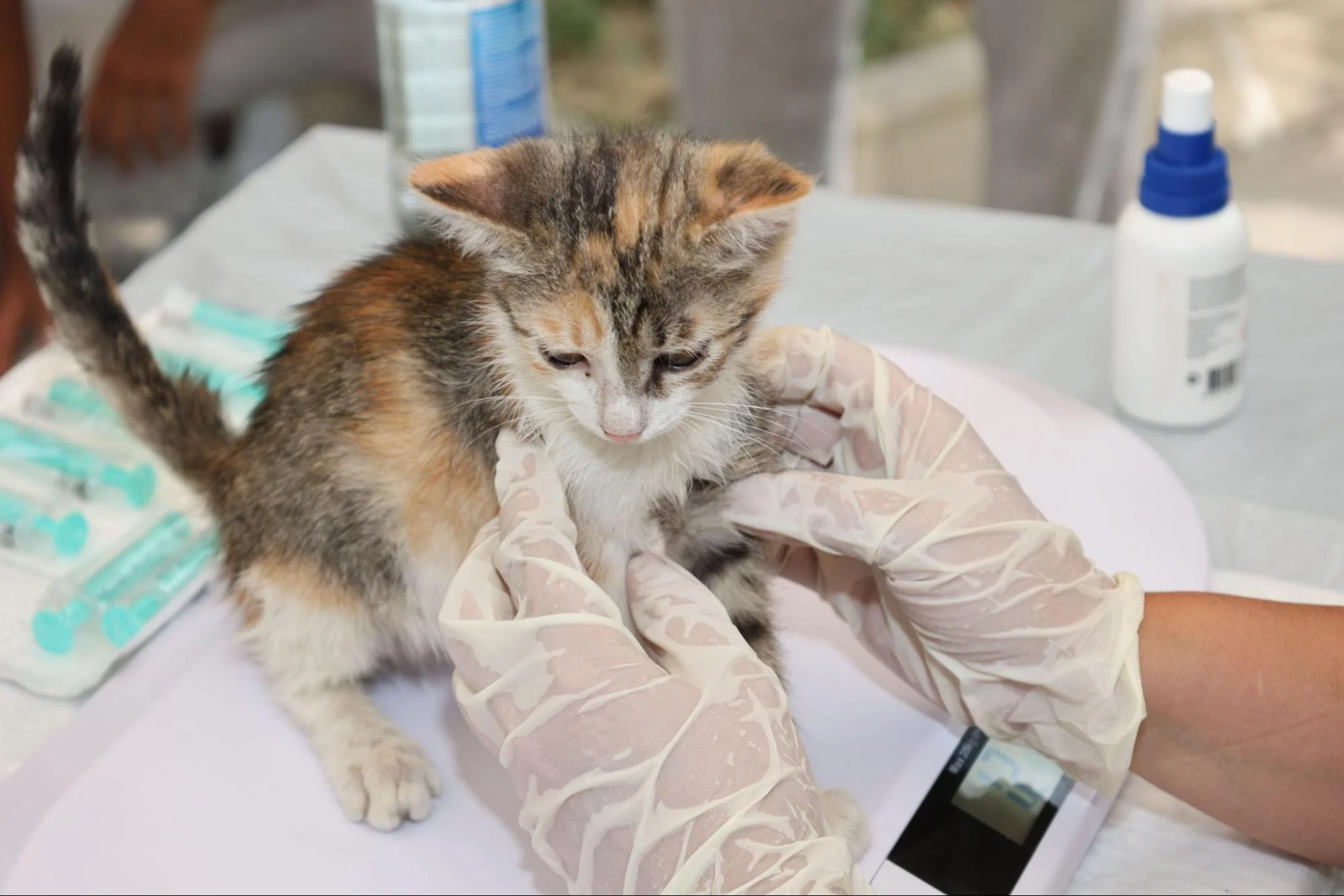
Finding an abandoned kitten pulls at the heartstrings, doesn't it? These little ones need extra special care. If they're under 4 weeks old, forget both kitten and adult food, they need kitten milk replacer! Once they're ready for solid food, starting with wet kitten food mixed with formula creates a good transition.
Never, ever give cow's milk to kittens! Despite what cartoons show, most cats are lactose intolerant, and cow's milk will give them terrible diarrhea.
Medical Conditions Requiring Special Diets
Sometimes kittens have health issues requiring prescription diets. If your vet prescribes special food, follow their instructions to the letter! Don't try substituting with regular adult or kitten food, even if the prescription stuff seems expensive. Your kitten's health depends on it.
Reading and Understanding Pet Food Labels
Decoding the Guaranteed Analysis
Pet food labels might as well be written in ancient Greek sometimes! Here's what to look for:
Crude Protein (minimum): Should be at least 30% for kittens
Crude Fat (minimum): Look for 18% or higher
Crude Fiber (maximum): Usually around 3-4%
Moisture (maximum): Varies between wet and dry food
The word "crude" doesn't mean low quality, by the way. It's just a measurement method. Who knew?
AAFCO Statements Matter
Always check for an AAFCO (Association of American Feed Control Officials) statement. It should specifically say the food is formulated for "growth" or "all life stages." If it says "adult maintenance," put it back on the shelf! Your kitten needs growth formula, period.
Cost Considerations and Budget Tips
Why Kitten Food Costs More
Yeah, kitten food's usually pricier than adult food. It's got higher quality proteins, more nutrients, and special supplements. Think of it as an investment in your cat's future health. Spending a bit more now could save you thousands in vet bills later!
Making Quality Affordable
Nobody's saying you need to buy the most expensive food on the shelf! Here's how to manage costs:
Buy in bulk when there are sales
Sign up for manufacturer coupons
Consider store brands with good AAFCO ratings
Join pet store loyalty programs
Check online retailers for better prices
Remember though, the cheapest option isn't always the most economical if it makes your kitten sick!

Common Myths and Misconceptions
"My Kitten Seems Fine on Adult Food"
Just because your kitten isn't obviously sick doesn't mean they're thriving! Nutritional deficiencies often show up slowly, over months or years. By the time you notice problems, permanent damage might've occurred.
"Wild Cats Don't Have Different Foods"
Sure, but wild cats also don't live as long as our pampered house cats! Plus, wild kittens get specific nutrition from their mother's milk much longer than most domestic kittens. They also eat entire prey animals, getting nutrients from organs, bones, and all. Your kibble isn't quite the same thing!
"One Size Fits All"
Every kitten's different! Some might tolerate adult food better than others, but why risk it? Following proper feeding guidelines gives your kitten the best shot at a healthy, happy life.
Conclusion
Understanding whether kittens can eat adult cat food isn't just about convenience; it's about giving your fuzzy little friend the absolute best start in life. While the occasional emergency meal won't cause catastrophe, regular feeding of adult food to kittens simply doesn't provide the nutrition these growing babies desperately need. Investing in proper kitten food ensures healthy development, prevents future health issues, and sets the foundation for a long, vibrant life together.
Read next: How to Give a Cat a Bath Step by Step
Frequently Asked Questions
Q1: At what age can kittens start eating adult cat food?
A: Most kittens can transition to adult food around 12 months of age safely.
Q2: Will one meal of adult food harm my kitten?
A: No, occasional adult food won't cause immediate harm to healthy kittens typically.
Q3: Is expensive kitten food always better quality?
A: Not necessarily; check AAFCO statements and ingredients rather than price alone.
Q4: Can I mix kitten and adult food together?
A: Yes, during transition periods, but not as a long-term feeding solution.
Q5: What if my kitten prefers adult cat food?
A: Try different kitten food brands or flavors; preference shouldn't override nutritional needs.
Stay up to date with our latest ideas!