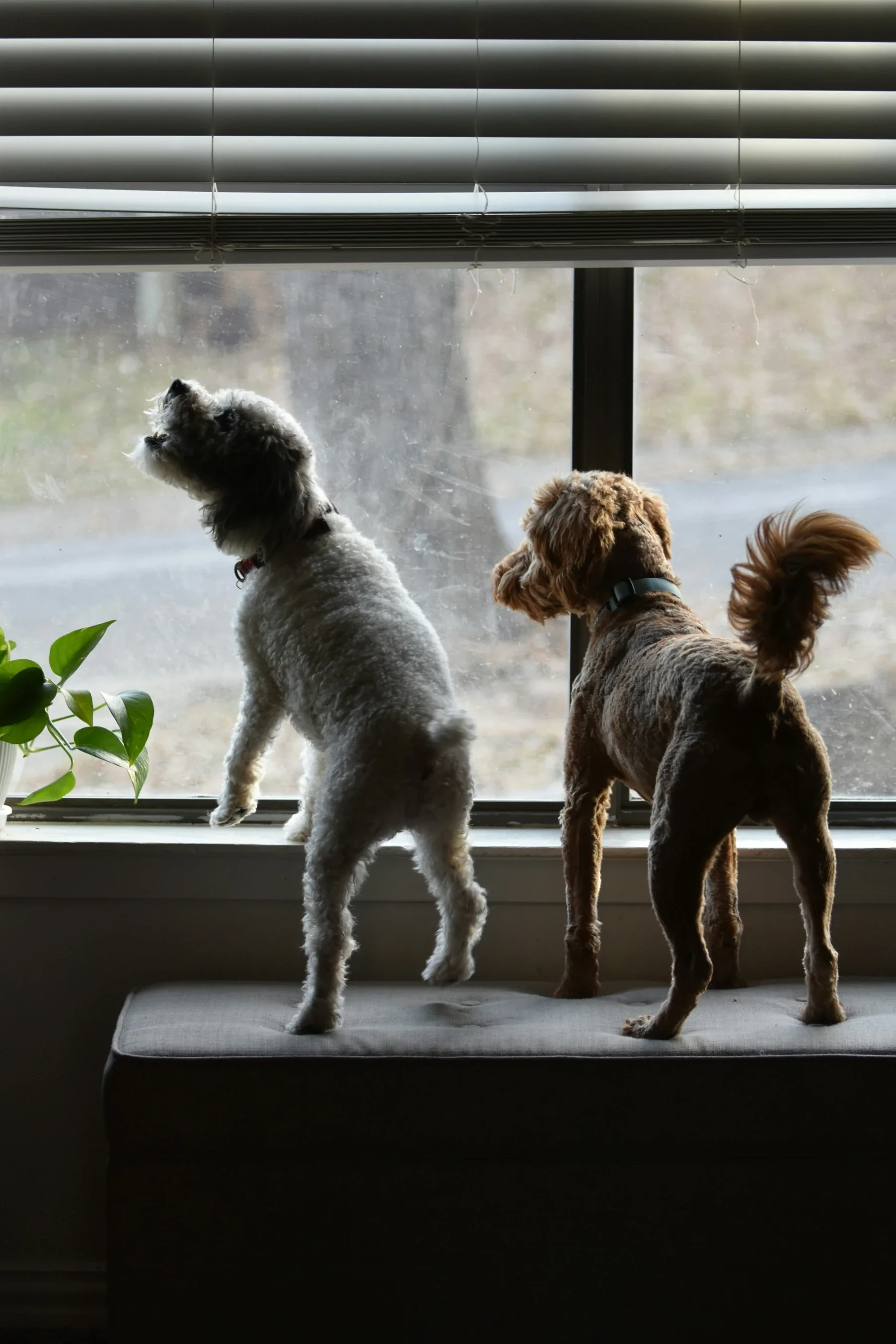
15 Dog Park Ideas to Design a Fun Outdoor Space
Transform your outdoor space with 15 creative dog park ideas. From agility courses to splash zones, create the ultimate playground for pups!
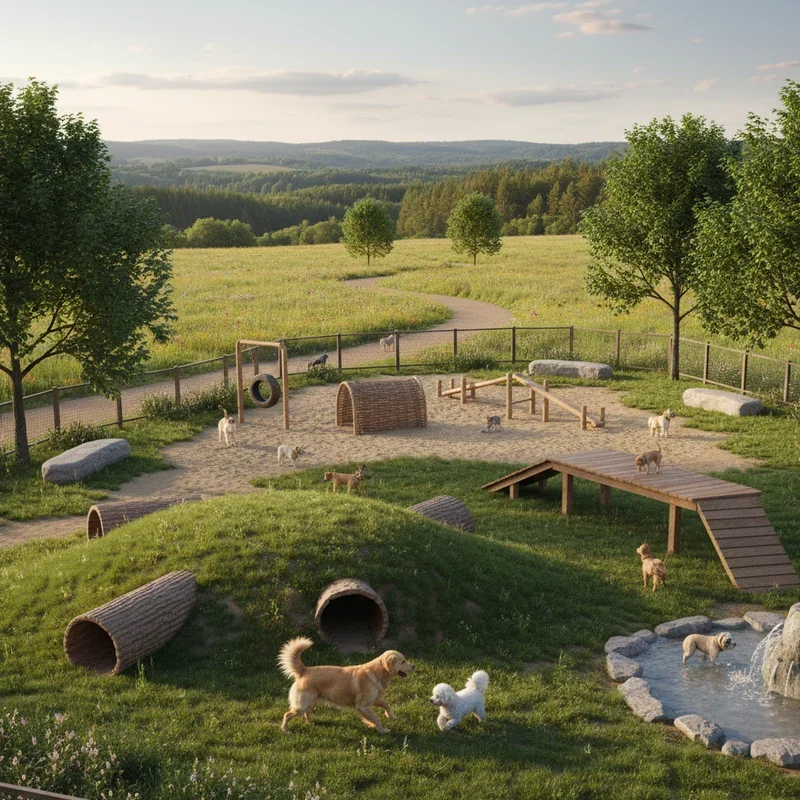
Ever watched your furry friend's eyes light up at the mention of "park"? That pure, unbridled joy is exactly what a well-designed dog park delivers! Whether you're planning a community space or transforming your backyard into a canine paradise, creating the perfect dog park goes way beyond just fencing in some grass. Think of it as designing an amusement park where the visitors have four legs, wet noses, and an endless supply of energy! Today's dog parks are sophisticated spaces that cater to different play styles, sizes, and temperaments while keeping both pups and their humans happy. From obstacle courses that would make ninja warriors jealous to social zones where friendships bloom faster than you can say "fetch," the possibilities are endless. Ready to create a space where tails never stop wagging? Let's dive into ideas that'll transform any outdoor area into the neighborhood's hottest four-legged destination!
1. Create Separate Areas for Different Dog Sizes
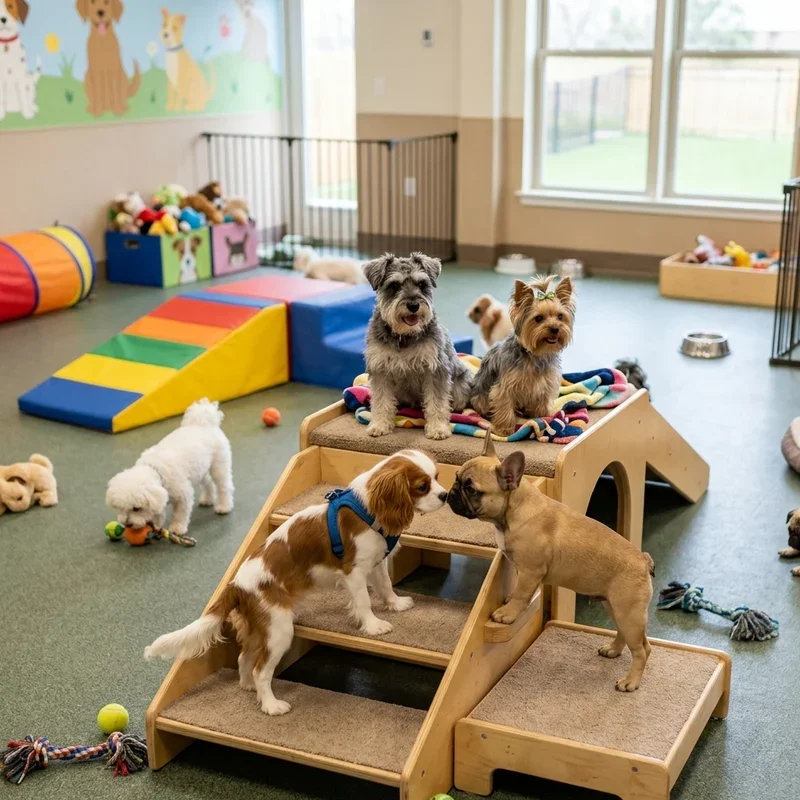
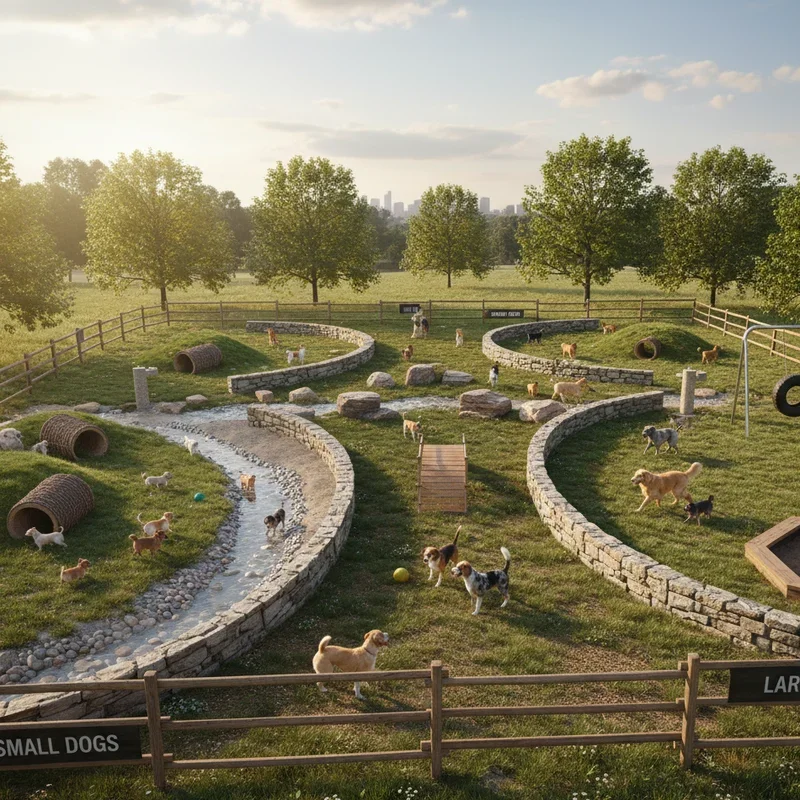
Safety meets fun when you divide your dog park into designated zones for different sized pups. Picture this: tiny Chihuahuas won't feel like snacks around Great Danes, and gentle giants can romp freely without worrying about stepping on Yorkshire Terriers! Design at least two sections: one for dogs under 30 pounds and another for larger breeds. Use attractive fencing that's see-through, allowing dogs to socialize visually while maintaining physical boundaries. Include transition zones where compatible dogs of different sizes can meet under supervision. Make each area proportionally sized; small dog areas need less space but should still offer variety. Consider adding a third "all-dog" zone for well-socialized pups whose owners want mixed play. This separation reduces injuries, lawsuits, and anxiety while ensuring every dog from teacup to titan has their perfect play space.
2. Install Agility Equipment and Obstacle Courses
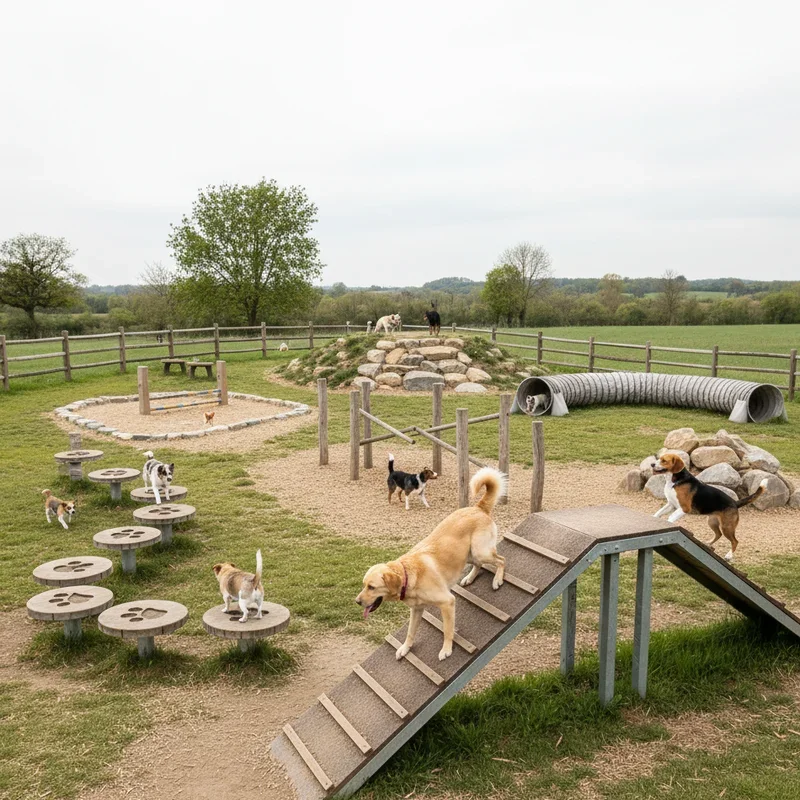
Transform your dog park into a canine gym by incorporating agility equipment that challenges both body and mind. Start with classics like weave poles that improve coordination, A-frame ramps for climbing confidence, and tire jumps that build strength. Position equipment in circuits encouraging natural flow from one challenge to the next. Use materials like recycled rubber and treated wood that withstand weather and enthusiastic use. Create difficulty levels with adjustable jump heights and optional obstacle paths. Space equipment appropriately, preventing collisions while maintaining excitement. Include instructional signs showing proper use and safety tips. Add colorful paint or designs making equipment visually appealing and Instagram-worthy. These features provide mental stimulation, physical exercise, and bonding opportunities as owners guide their pets through courses. Your agility area becomes a training ground where everyday pups discover their inner athletes.
3. Design a Splash Pad or Water Feature
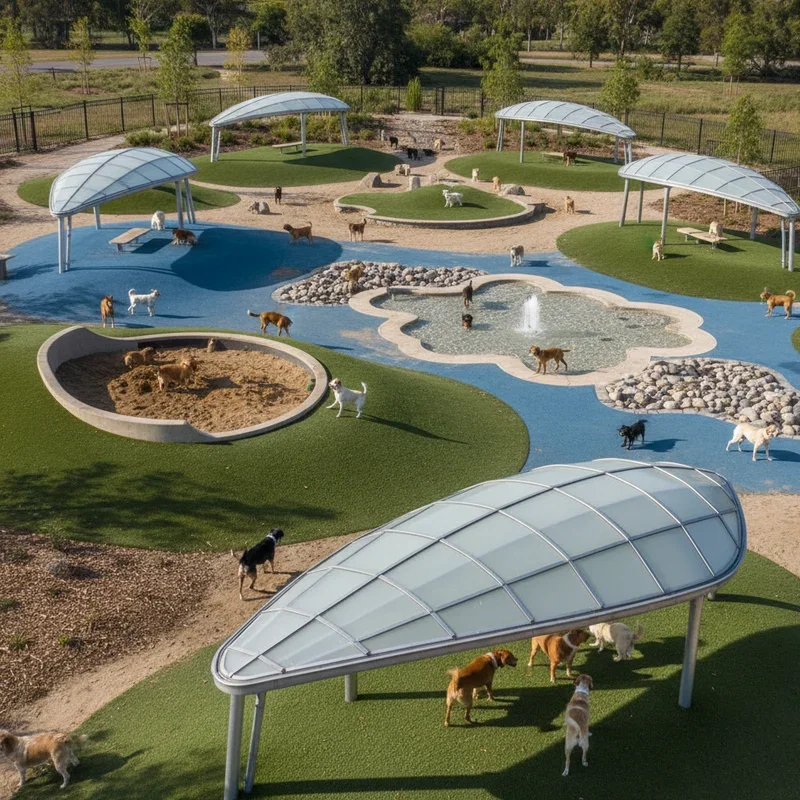
Nothing beats the heat like a dedicated water play area where dogs can splash, swim, and cool off in style. Install shallow splash pads with non-slip surfaces and fountain jets that create interactive water play without drowning risks. Consider a bone-shaped pool with gradual entry slopes accommodating nervous swimmers and water-loving labs alike. Add motion-activated fountains providing endless entertainment as dogs trigger sprays with their movement. Include drainage systems preventing standing water and muddy messes. Use chlorine-free, pet-safe water treatment systems maintaining cleanliness without irritation. Position water features centrally for easy supervision but away from main entrances avoiding wet, slippery traffic areas. Surround areas with paw-washing stations and drying zones. During colder months, features can drain and convert to play spaces. Your water zone becomes summer's hottest spot where dogs make splashes and memories.
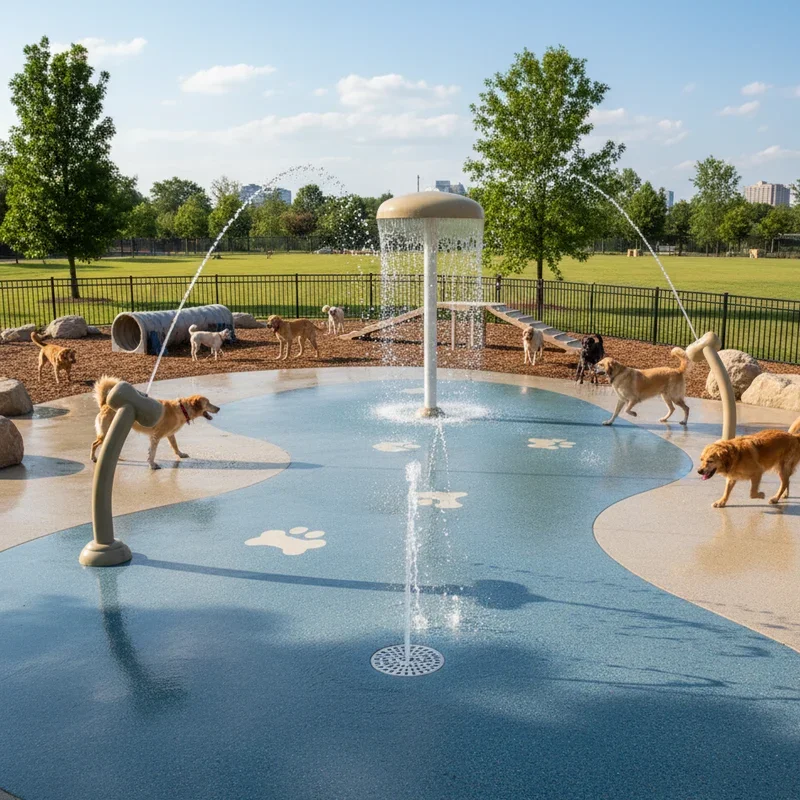
4. Build Natural Shade Structures
Beat the heat and protect sensitive pups by incorporating abundant shade throughout your dog park design. Plant native trees strategically, choosing non-toxic varieties with spreading canopies that create cool microclimates. Install pergolas covered with pet-safe climbing vines providing natural, living shade that strengthens yearly. Add shade sails in vibrant colors stretching between posts, creating artistic overhead protection that's both functional and beautiful. Position shade structures over seating areas, water fountains, and popular gathering spots where dogs and owners congregate. Include low shade options like large rocks or platforms where smaller dogs can escape sun at their level. Consider orientation when planning, maximizing afternoon shade when temperatures peak. Use materials reflecting heat rather than absorbing it, keeping surfaces cooler for sensitive paw pads. Your shaded oasis ensures comfortable play regardless of weather, extending park usability throughout scorching summer days.
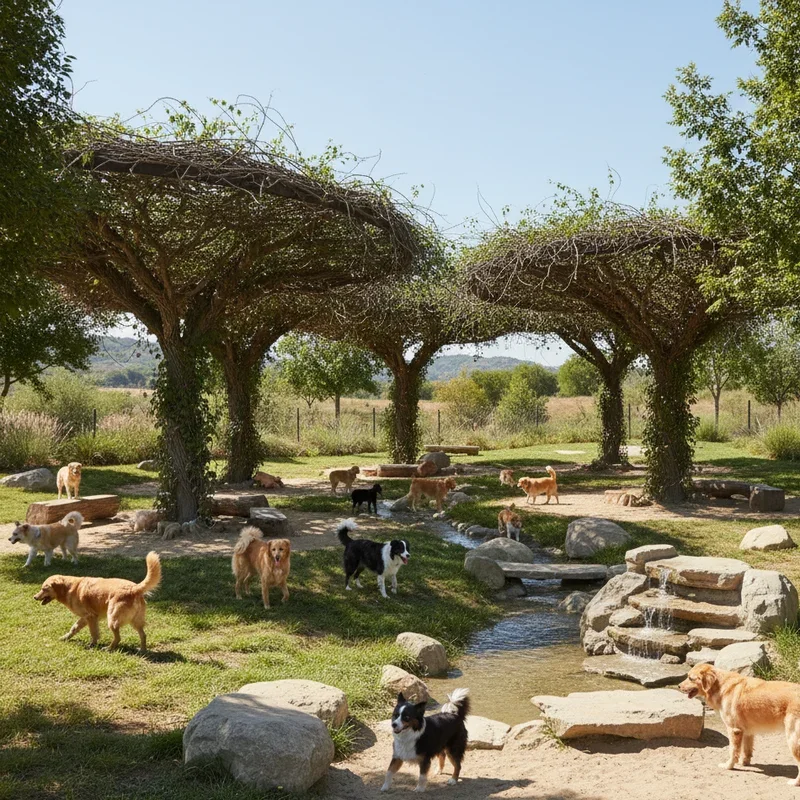
5. Add Dog-Safe Sensory Gardens
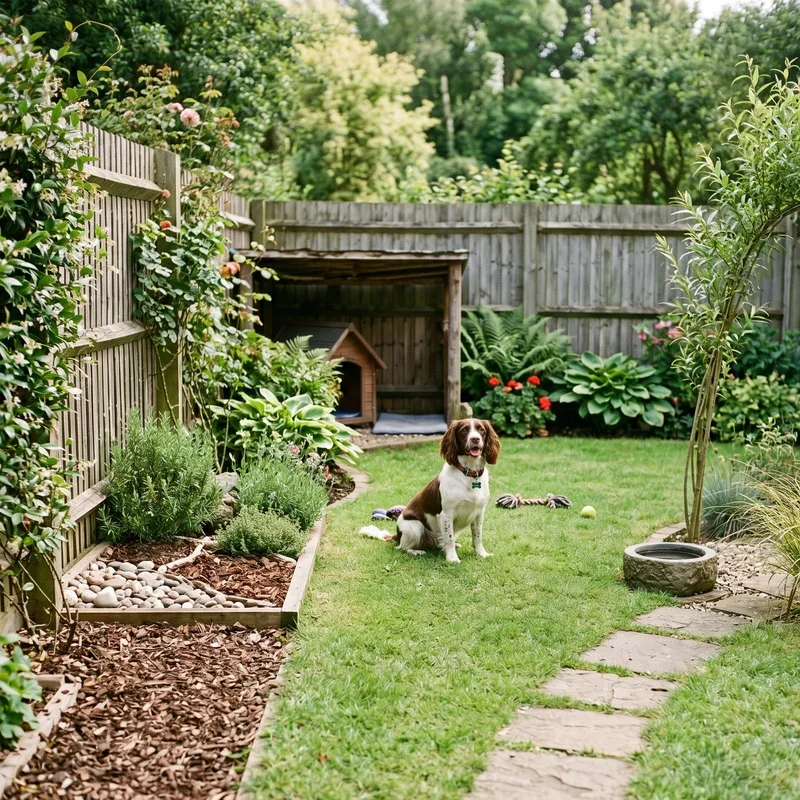
Engage your pups' powerful noses by creating sensory gardens filled with dog-friendly plants that stimulate without harm. Plant robust herbs like rosemary, thyme, and mint that release fragrances when brushed against during play. Include textured plants offering different experiences: soft lamb's ear for gentle touches, ornamental grasses for rustling sounds. Design raised beds or borders preventing direct access while allowing sniffing exploration. Choose colorful, non-toxic flowers like sunflowers, zinnias, and snapdragons adding visual interest for humans while remaining safe if nibbled. Create winding paths through garden areas encouraging investigation and discovery. Add different mulch types providing varied textures underfoot. Install plant identification signs educating owners about pet-safe gardening. Include butterfly and bird-attracting plants adding movement and life. Your sensory garden becomes an ever-changing enrichment zone where dogs explore nature safely while developing confidence.
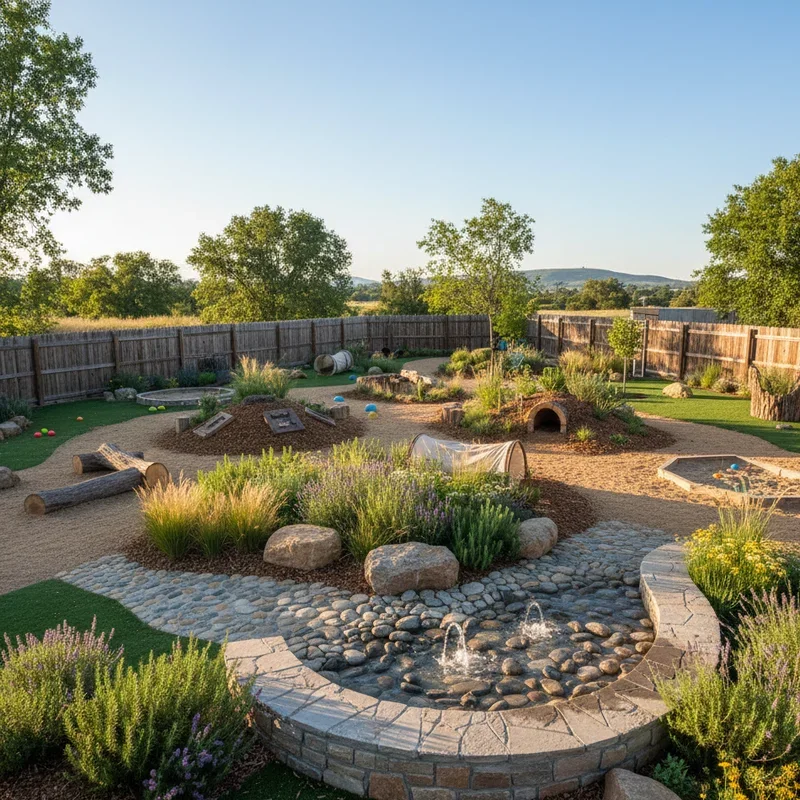
6. Install Durable Surface Materials
Choose flooring that stands up to countless paws while keeping maintenance manageable and injuries minimal. Mix surfaces throughout your park: decomposed granite for main pathways, artificial turf for play zones, and pea gravel for drainage areas. Install rubber padding under equipment areas cushioning falls and reducing joint stress during jumps. Use concrete or pavers for entrance areas handling heavy traffic without wearing down. Select materials with good drainage preventing puddles and mud pits after rain. Consider temperature factors; some surfaces become burning hot in summer or freezing cold in winter. Create texture variety giving dogs different sensory experiences and preventing boredom. Ensure surfaces are non-toxic and won't harm paws if ingested during play. Include transition zones between different materials preventing tripping hazards. Your thoughtfully chosen surfaces provide year-round usability while minimizing injuries and maintenance headaches.
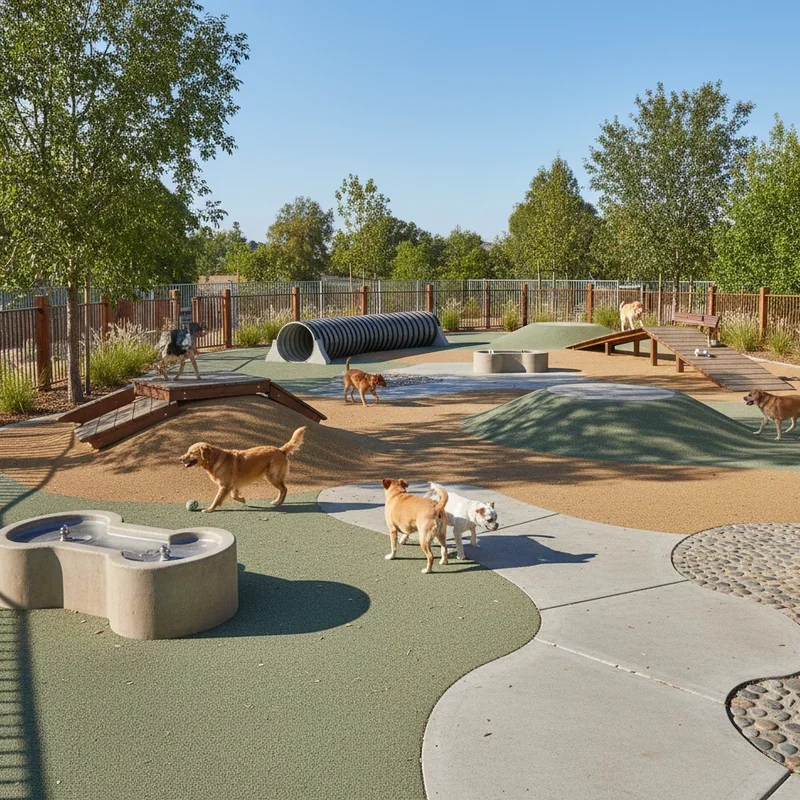
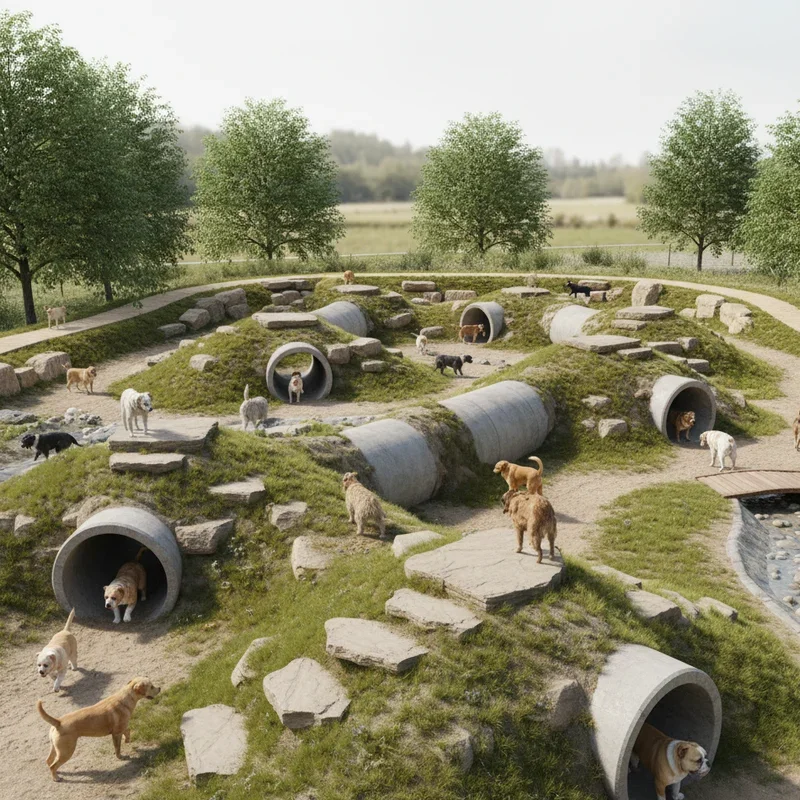
7. Create Hills and Tunnels for Exploration
Add vertical interest and adventure by incorporating hills, mounds, and tunnels that turn flat spaces into exciting landscapes. Build gentle hills using compacted soil and erosion-resistant groundcover, creating vantage points where dogs can survey their kingdom. Install large concrete or plastic tunnels at ground level and through hills, providing hiding spots and chase routes. Design various tunnel sizes accommodating different breeds while ensuring safety with smooth edges and adequate ventilation. Position hills strategically creating natural boundaries between park zones without harsh fencing. Add stepping stones or platforms on hillsides creating climbing challenges. Include multiple entry and exit points preventing dogs from feeling trapped. Use tunnels connecting different park areas, making transitions fun adventures. Plant hardy grass or install artificial turf on hills handling heavy traffic. Your varied terrain transforms simple running into exciting exploration where every visit offers new discoveries.
8. Design Social Seating Areas for Owners
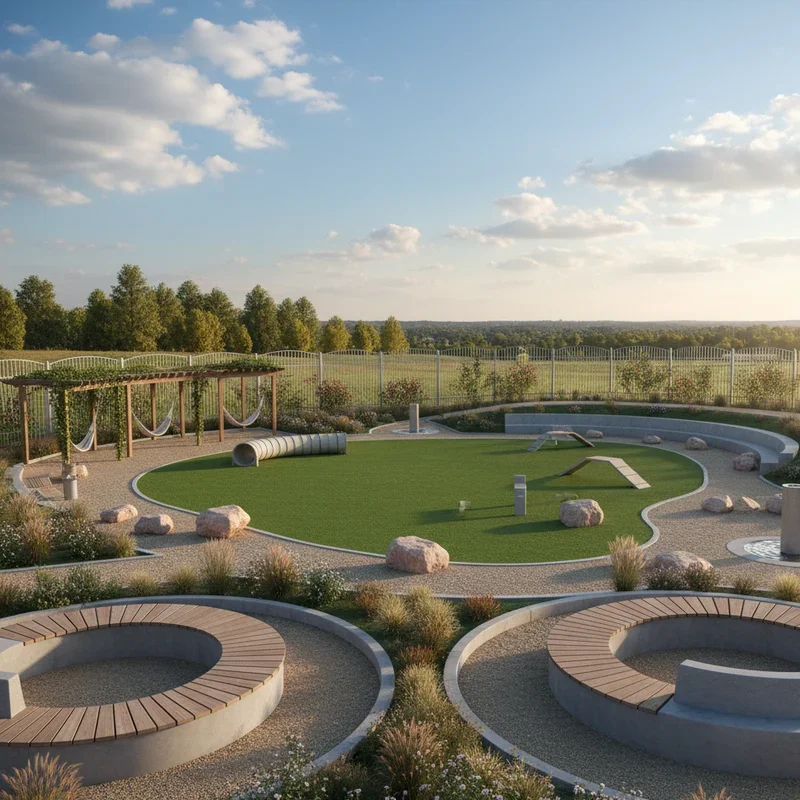
Remember the humans by creating comfortable gathering spaces where dog parents can relax while maintaining watchful eyes. Install benches at strategic viewpoints offering clear sightlines across play areas. Design circular seating arrangements encouraging conversation and community building among regular visitors. Add picnic tables for longer stays, birthday parties, or training class gatherings. Include shade structures over seating areas protecting from sun and light rain. Position seats away from high-traffic zones avoiding constant disruption from playing pups. Create both social clusters and isolated benches for different comfort levels. Use materials resisting weather, scratches, and occasional marking accidents. Add armrests and backs supporting various ages and mobility levels. Include hooks or shelves for leashes, bags, and water bottles. Your seating areas foster human connections, turning dog park visits into social experiences where friendships form over shared puppy parenthood.
9. Install Proper Lighting Systems
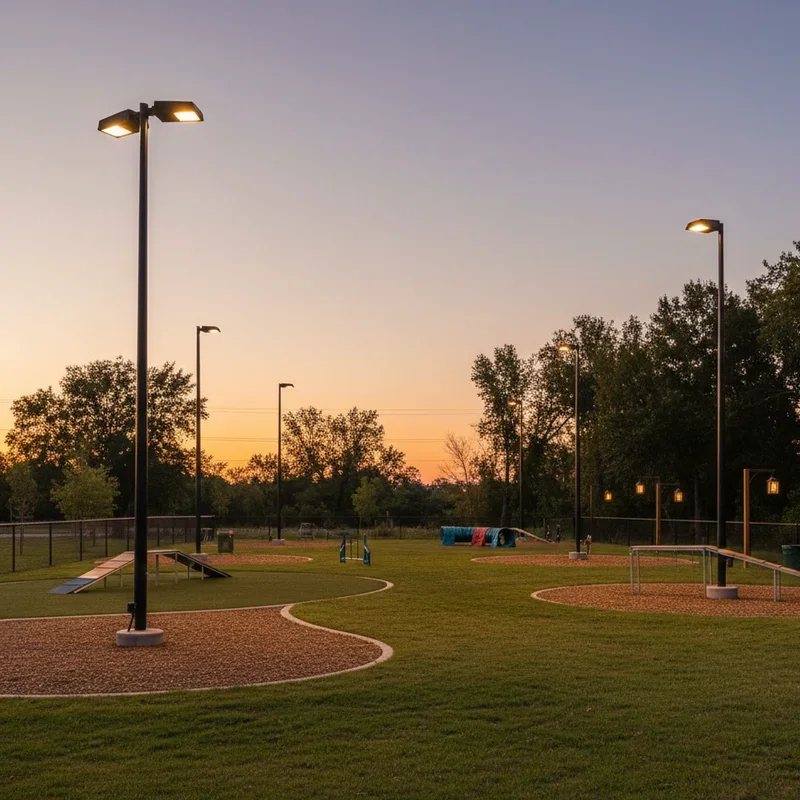
Extend park usability and enhance safety with thoughtfully designed lighting that illuminates without creating harsh glares or dark shadows. Install LED fixtures on tall poles providing broad, even coverage across main play areas. Add lower pathway lighting guiding navigation without blinding dogs or humans at eye level. Use motion sensors in less-trafficked areas conserving energy while ensuring security. Position lights eliminating blind spots where dogs might hide or injuries could go unnoticed. Include emergency lighting powered by solar batteries ensuring basic visibility during outages. Choose warm white colors reducing harshness while maintaining good visibility. Shield fixtures preventing direct glare that might startle sensitive dogs. Install timers adjusting to seasonal daylight changes automatically. Add decorative string lights creating ambiance for special events. Your lighting system transforms early morning and evening hours into prime play times while ensuring year-round safety.
10. Add Interactive Play Stations
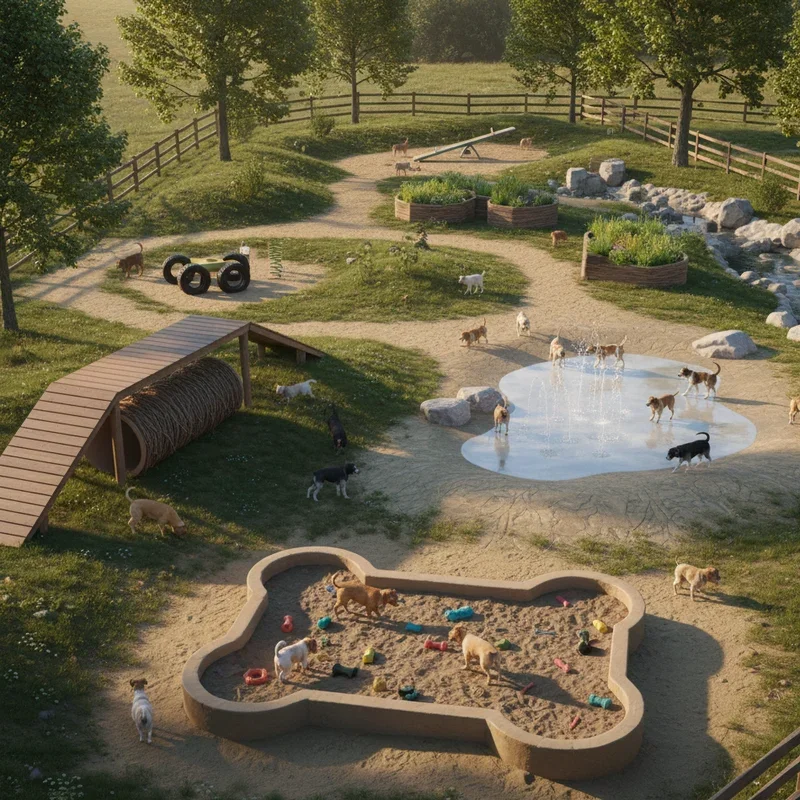
Keep curious canines engaged with interactive stations that challenge problem-solving skills while providing independent entertainment. Install treat-dispensing puzzles mounted at various heights accommodating different sized dogs. Create sniff walls with hidden compartments where owners can hide treats encouraging natural foraging behaviors. Add rotating elements like spinning wheels or wobble boards developing balance and coordination. Include musical installations like outdoor xylophones dogs can paw creating sounds. Design digging pits filled with sand where dogs can excavate buried toys without destroying landscaping. Install motion-activated elements providing surprise and maintaining interest over multiple visits. Position stations throughout the park preventing crowding and resource guarding. Use weather-resistant materials handling rough play and outdoor exposure. Include instruction panels helping owners understand each station's purpose and proper use. Your interactive stations transform passive park visits into enriching experiences developing physical and mental abilities.
11. Create Quiet Zones for Shy Dogs
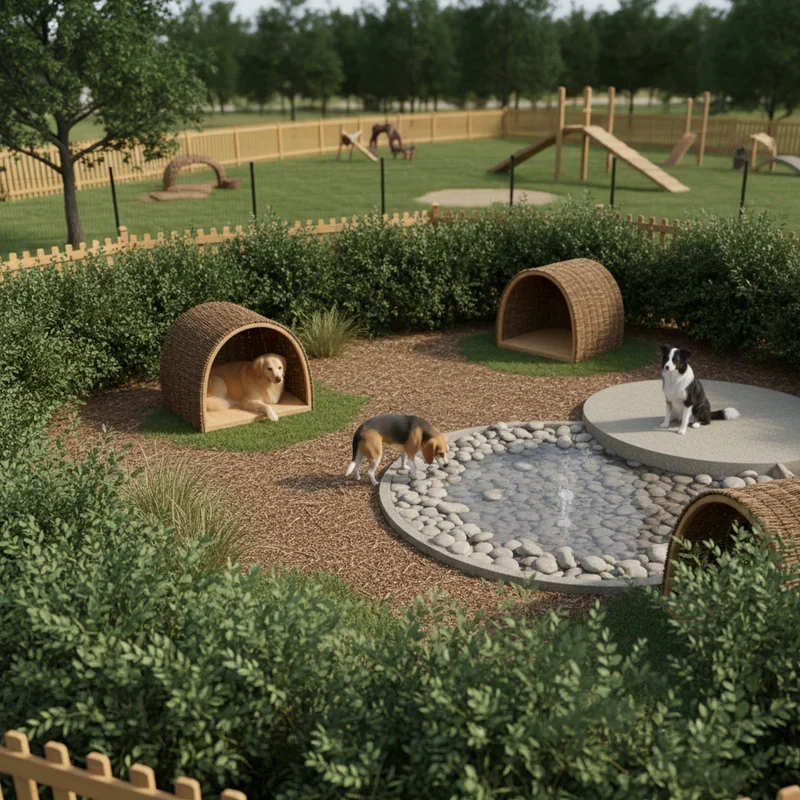
Design peaceful retreats where timid, elderly, or recovering dogs can enjoy park benefits without overwhelming stimulation. Establish calm corners using visual barriers like decorative fencing or dense plantings creating semi-private spaces. Include comfortable resting platforms at various heights allowing dogs to observe from safe distances. Add calming elements like gentle water features providing white noise that masks startling sounds. Position these zones away from main entrances and active play areas reducing stress triggers. Create separate small dog quiet zones preventing size-related anxiety. Install benches where owners can sit closely providing reassurance. Use softer surface materials encouraging lying down and relaxation. Include enrichment activities suited for gentle play like sniff gardens or slow-moving toys. Design gradual transitions allowing dogs to venture toward busier areas at their own pace. Your quiet zones ensure every dog regardless of temperament can enjoy park benefits comfortably.
12. Build Dog Washing Stations
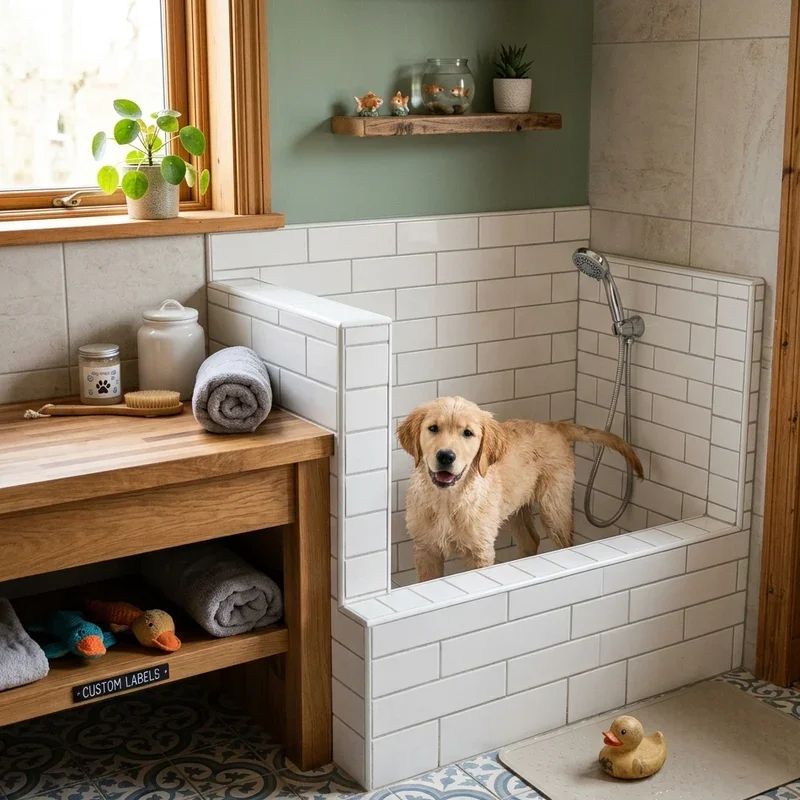
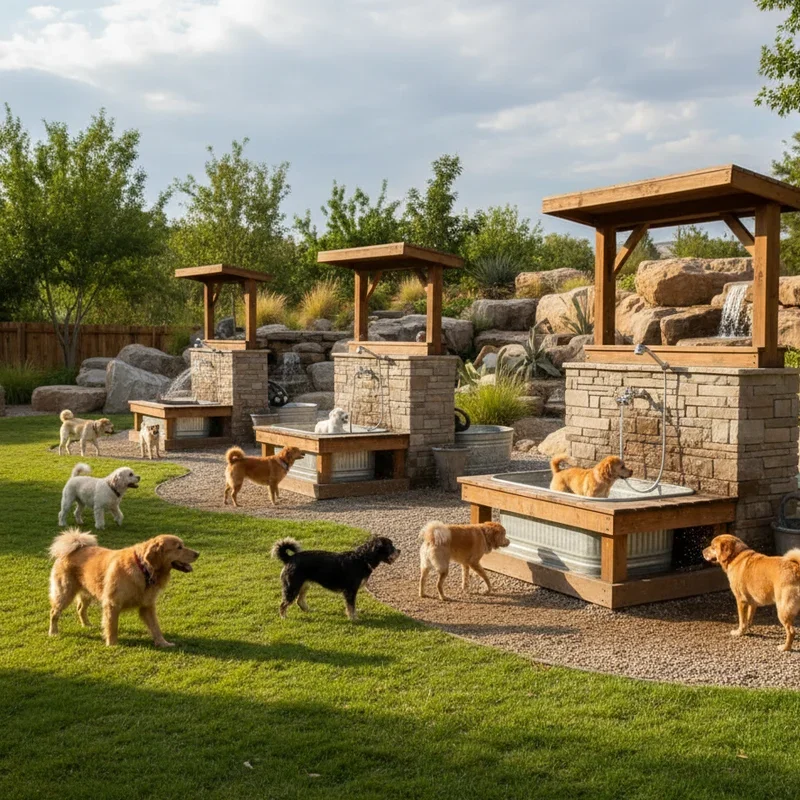
Save car interiors and bathroom struggles by installing convenient washing stations where muddy pups transform back into house-ready pets. Design stations with adjustable-height platforms accommodating tiny terriers to massive mastiffs comfortably. Install professional-grade sprayers with various pressure settings for sensitive areas and tough mud. Include slip-resistant surfaces preventing accidents during bath time. Add retractable leash hooks keeping dogs secure while leaving hands free for washing. Provide warm water options making cold-weather cleaning bearable. Position stations near park exits catching dogs before entering vehicles. Install adequate drainage preventing pooling and slip hazards. Include grooming tool holders and shampoo dispensers for thorough cleaning. Add wind screens reducing spray and providing privacy during washing. Design multiple stations preventing long waits during busy times. Your washing stations become essential amenities transforming "muddy dog" from excuse to avoid parks into minor inconvenience easily resolved.
13. Install Security Features and Double Gates
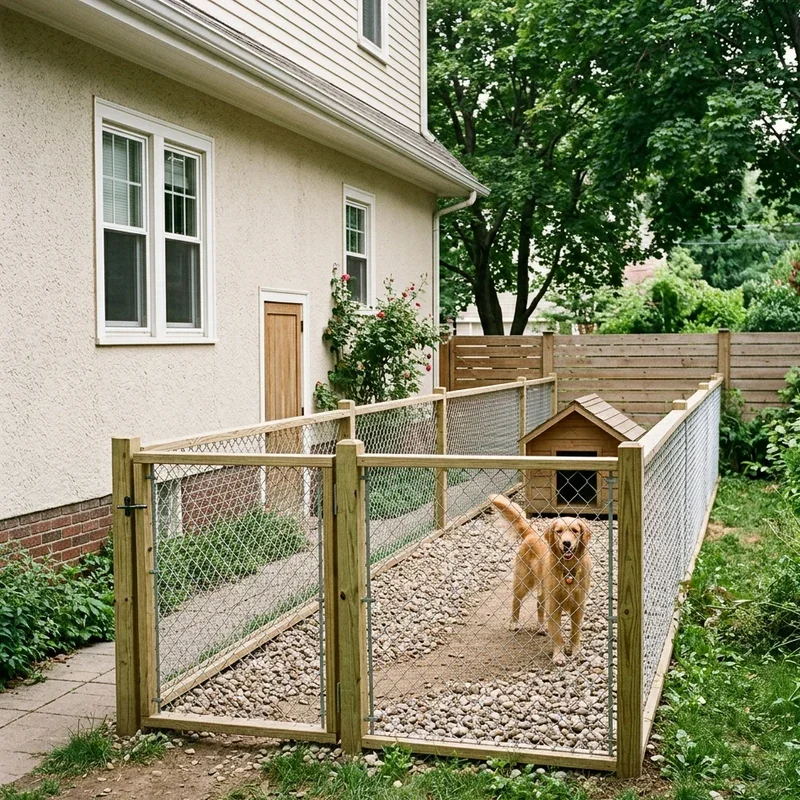
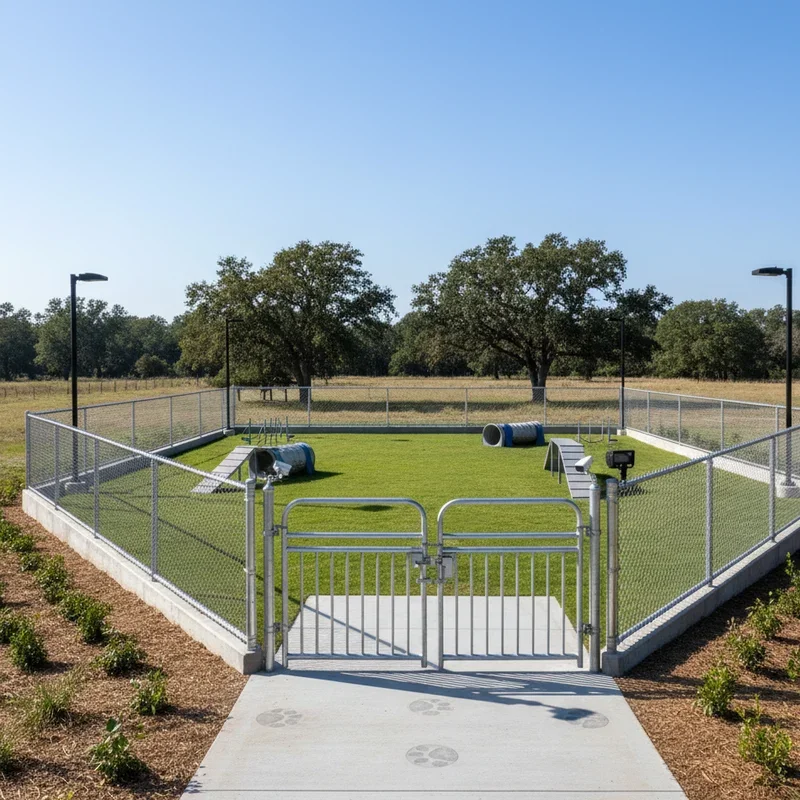
Prioritize safety with security measures preventing escapes and unauthorized access while maintaining welcoming atmospheres. Design double-gate entry systems creating secure transition zones where leashes can be safely removed. Install gates opening inward preventing dogs from pushing through during entries. Add magnetic or spring-loaded closures ensuring gates never accidentally remain open. Position security cameras covering all areas including blind spots, parking lots, and entrances. Include emergency contact information and park rules on prominent signage. Install adequate fencing height preventing jumping escapes while using materials resisting climbing or digging. Create visual barriers at fence lines reducing barrier aggression with passing dogs. Add coded entry systems for member-only parks maintaining exclusivity and safety. Include emergency exits strategically placed but secured against casual use. Your security features provide peace of mind allowing owners to relax while their pets play freely.
14. Add Waste Management Systems
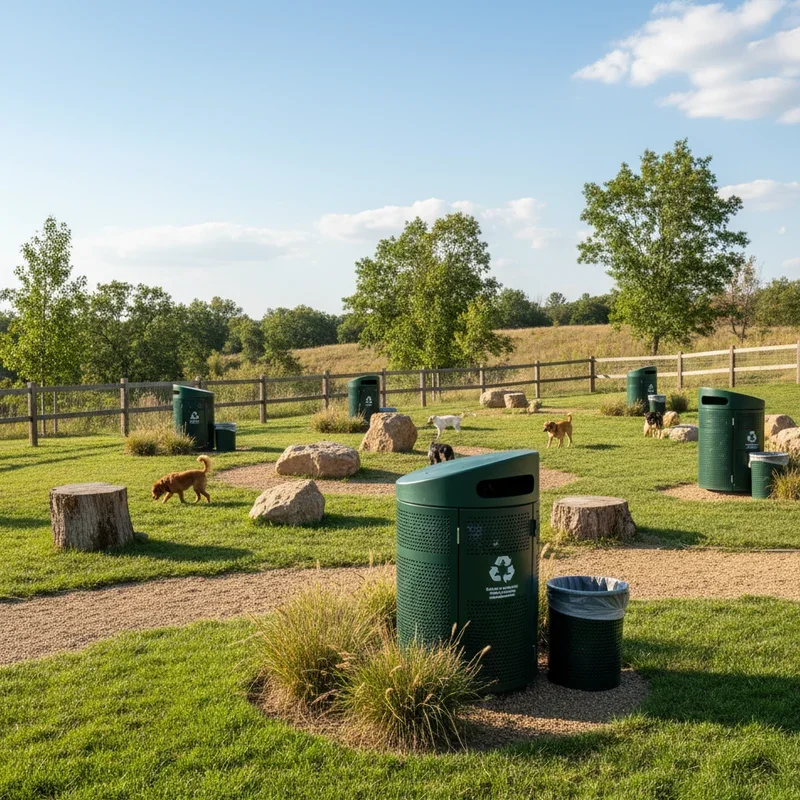
Keep your park pristine with comprehensive waste systems making cleanup convenient and maintaining healthy environments. Install waste stations every 50-75 feet ensuring bags and receptacles are always within reach. Use bag dispensers with biodegradable options showing environmental consciousness. Position covered trash cans preventing overflow and controlling odors. Add separate recycling bins for water bottles and other owner waste. Create dedicated composting areas for biodegradable waste if space allows. Install foot-operated or touchless options reducing contamination spread. Include cleaning stations with sanitizer for human use after waste handling. Design clear signage reminding owners of cleanup responsibilities using friendly, humorous messaging. Position stations along natural traffic patterns avoiding disruption to play areas. Add lighting ensuring nighttime visibility for cleanup duties. Your waste management system maintains cleanliness standards making parks pleasant for everyone while preventing disease spread.
15. Design Weather Protection Shelters
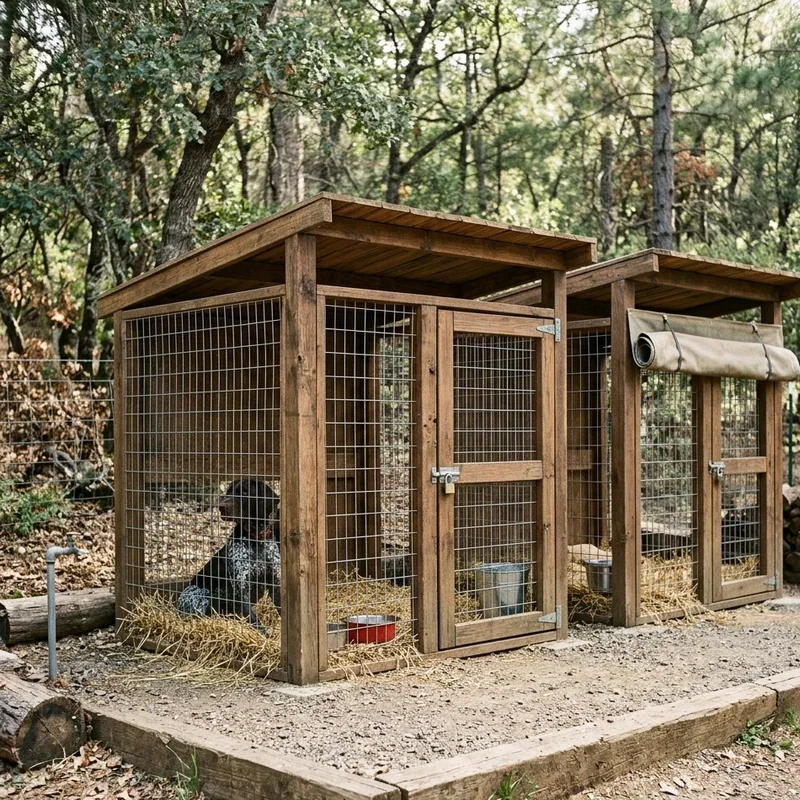
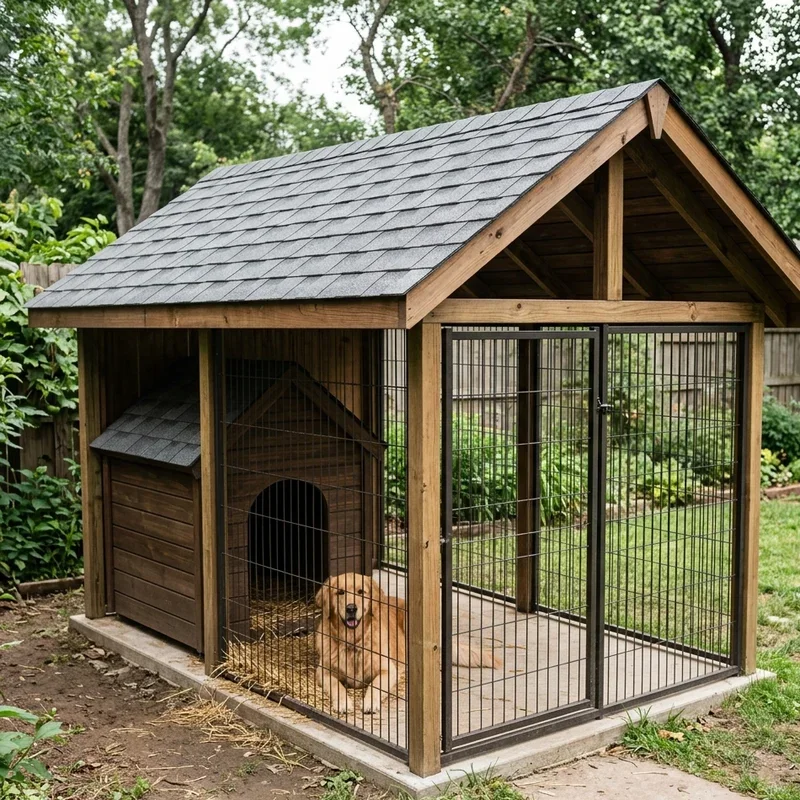
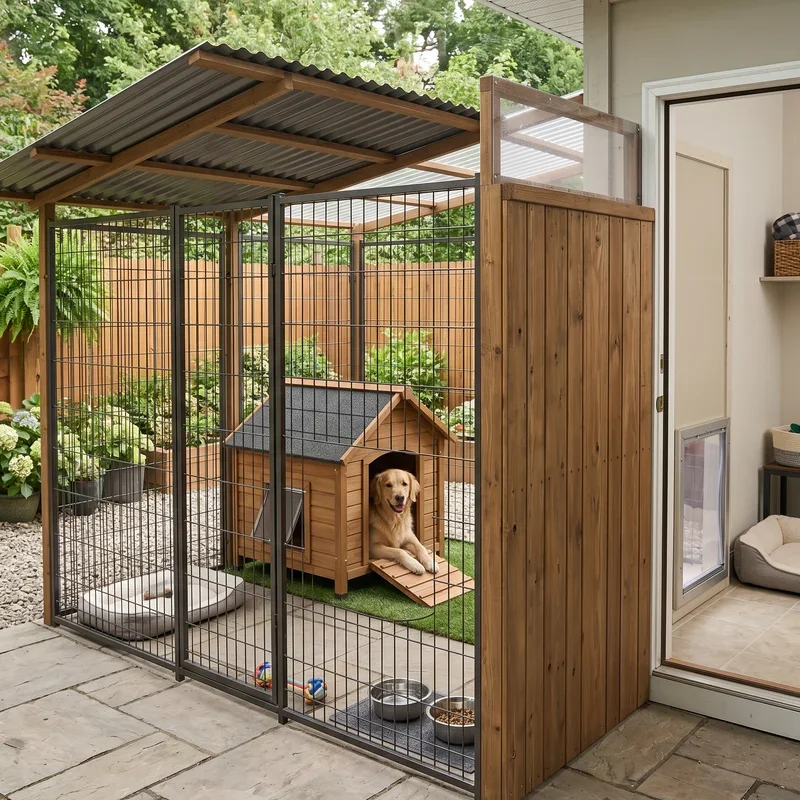
Ensure year-round enjoyment with shelters providing refuge from sudden weather changes without ending play sessions. Build covered pavilions offering protection from rain and intense sun while maintaining open sides for supervision. Install windbreaks using solid panels or dense plantings reducing cold gusts during winter months. Create multiple smaller shelters throughout the park preventing overcrowding during storms. Design shelters with varied heights accommodating both standing humans and resting dogs comfortably. Include drainage systems preventing water accumulation under covered areas. Add heating elements or fans in extreme climate regions extending seasonal usability. Position shelters strategically offering quick access from all park areas. Use transparent or semi-transparent roofing materials maintaining brightness while providing protection. Include seating and water fountains within shelters creating complete comfort zones. Your weather shelters transform fair-weather parks into all-season destinations where neither rain nor shine stops the fun.
Conclusion
Creating the perfect dog park combines thoughtful design with understanding of canine behavior and owner needs. These 15 ideas provide blueprints for spaces where dogs thrive physically and socially while owners build community connections. Whether implementing all features or selecting specific elements, prioritize safety, engagement, and maintenance sustainability. Remember, the best dog parks evolve with their communities, adapting to changing needs while maintaining their essential purpose: providing joy for our four-legged friends.
Read next: 15 Dog Kennel Flooring Ideas for Durable Pet Comfort
Frequently Asked Questions
Q1: What's the minimum size needed for a functional dog park?
A: At least one acre for large dogs, half-acre for small dog areas works effectively.
Q2: Which surface material is most economical and safe?
A: Decomposed granite offers affordability, good drainage, and paw-friendly texture for most climates consistently.
Q3: How tall should dog park fencing be?
A: Six feet minimum for large dogs, four feet suffices for dedicated small dog sections.
Q4: What plants should absolutely be avoided in dog parks?
A: Never plant chocolate vine, sago palm, oleander, foxglove, or any mushroom-producing species nearby.
Q5: How many dogs can safely use a park simultaneously?
A: Roughly 20-25 dogs per acre maintains comfortable density preventing overcrowding and potential conflicts.
Stay up to date with our latest ideas!