How to Stop a Dog from Digging: Proven Training Tips
Discover proven training tips to stop your dog from digging up your yard. Learn effective methods that actually work today.
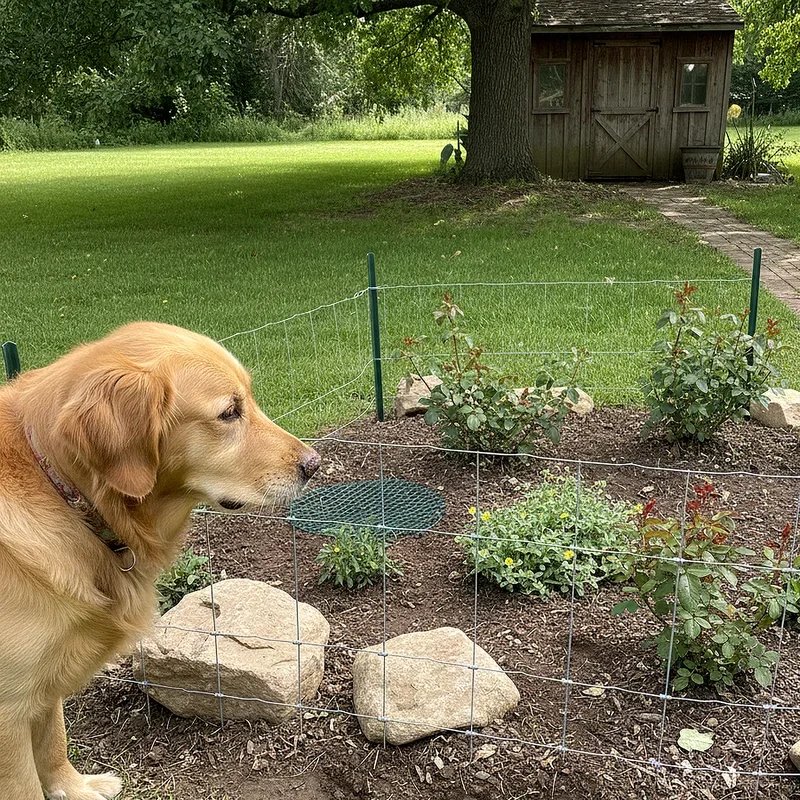
Well, here we go again. You step outside with your morning coffee, only to find your beautiful garden looking like a construction zone. Sound familiar? If your furry friend has turned your backyard into their personal excavation site, you are definitely not alone in this struggle. Dogs have been digging since, well, forever. Its in their DNA, really. But that does not mean you have to live with moon craters scattered across your lawn. Learning how to stop a dog from digging requires patience, understanding, and the right approach. The good news is that this behavior can absolutely be corrected with consistent training and a bit of detective work to figure out why your pup is doing it in the first place.
Why Dogs Dig in the First Place
Before we can tackle the problem head on, we need to understand what is driving your dog to dig. Truth be told, there are several reasons why dogs engage in this behavior, and identifying the root cause is half the battle. Some dogs dig because they are bored stiff and have too much pent up energy with nowhere to put it. Others are natural born hunters following their instincts to chase after moles, gophers, or other underground critters they can smell but cannot see.
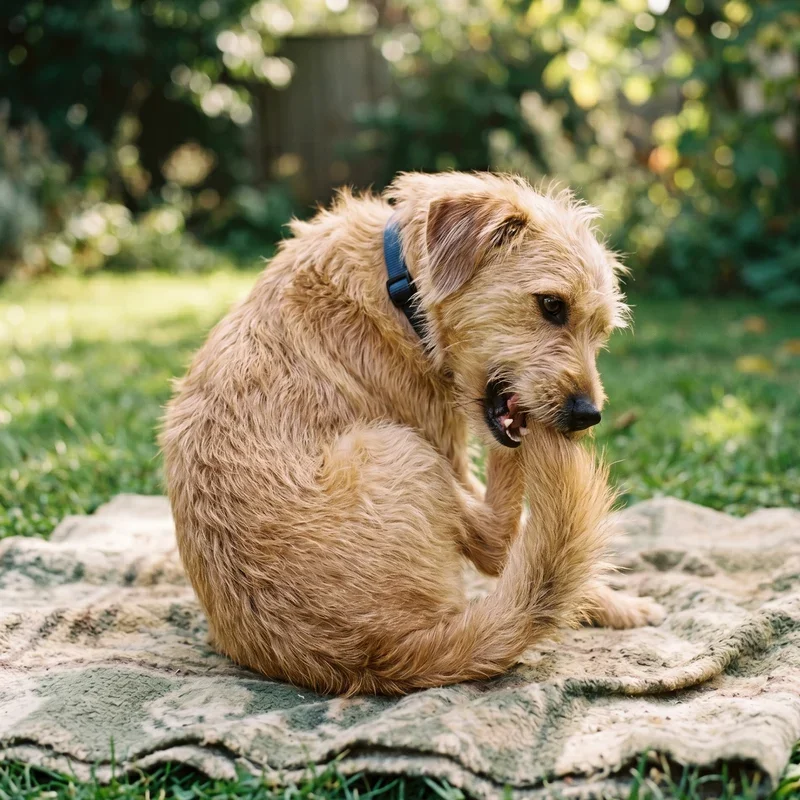
Temperature regulation plays a huge role too, believe it or not. On scorching summer days, dogs will dig to find cooler soil to lie in, while in winter they might dig to create a cozy den. Anxiety and stress can also trigger digging behavior, especially in dogs dealing with separation anxiety or those who get spooked by loud noises like thunderstorms or fireworks. Some breeds, particularly terriers, were literally bred to dig, so they have got a stronger urge than most.
The Boredom Factor and Exercise Connection
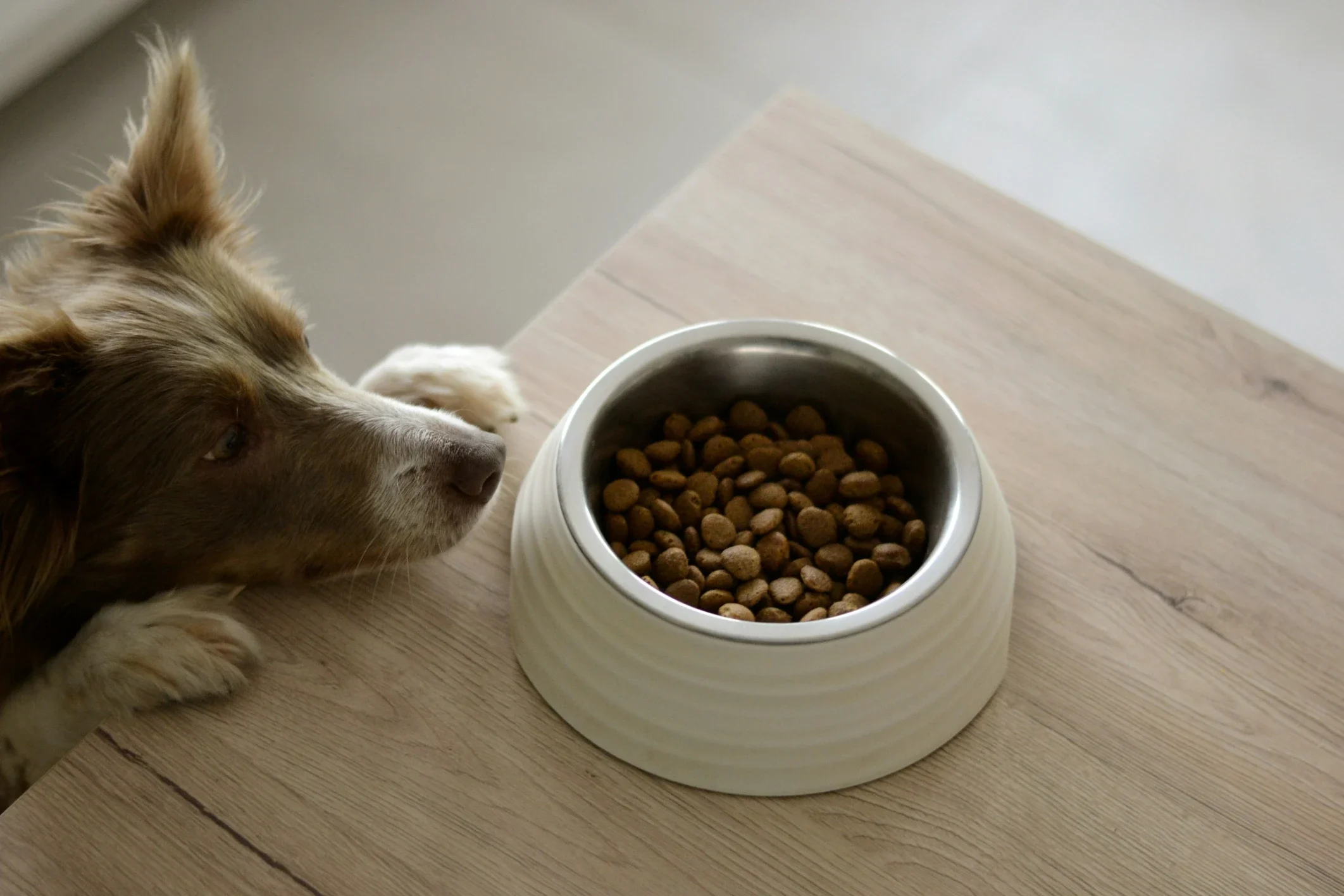
Here is the thing most people overlook when trying to figure out how to stop a dog from digging: proven training tips often start with addressing exercise needs. A tired dog is a good dog, as the old saying goes, and there is a whole lot of truth to that. When dogs do not get enough physical activity, they find ways to burn off that excess energy, and digging happens to be one of their favorite outlets.
Consider ramping up your daily walks and adding more playtime to your routine. Fetch, tug of war, and running around the park can make a world of difference. Mental stimulation is equally important, so puzzle toys and training sessions help keep their brains engaged. A dog who has had a solid workout and mental challenge is way more likely to snooze in the shade than tear up your flower beds.
Creating a Designated Digging Zone
Sometimes the best solution is not to fight nature but to work with it. Setting up a designated digging area gives your dog an appropriate outlet for their natural instincts while protecting the rest of your yard. Pick a corner of your property and fill it with loose, sandy soil that is easy and fun to dig in. You can even use a small sandbox if space is limited.
Make this spot irresistible by burying treats and favorite toys just below the surface. When your dog discovers that digging in this specific area leads to awesome rewards, they will naturally gravitate toward it. Whenever you catch them digging elsewhere, calmly redirect them to their special zone and praise them enthusiastically when they dig there instead. Consistency is absolutely key here, so stick with it even when progress seems slow.
Positive Reinforcement Training Techniques
When it comes to how to stop a dog from digging, proven training tips almost always emphasize positive reinforcement over punishment. Yelling at your dog or rubbing their nose in the dirt after the fact simply does not work and can actually make things worse. Dogs live in the moment, so unless you catch them in the act, they will have no clue why you are upset with them.
Instead, focus on rewarding the behaviors you want to see. When your dog chooses to play with a toy instead of digging, shower them with praise and treats. If you spot them sniffing around their usual digging spots but walking away, that deserves a reward too. The more you reinforce good choices, the more likely your dog is to repeat them. Its all about building new habits through positive associations.
Addressing Escape Artists and Fence Diggers
Some dogs are not digging for fun but rather trying to make a great escape. If your pup is tunneling under the fence, you have got a different problem on your hands that requires a specific approach. These escape artists might be trying to reach something on the other side, whether its another dog, a squirrel, or just the exciting world beyond your yard.
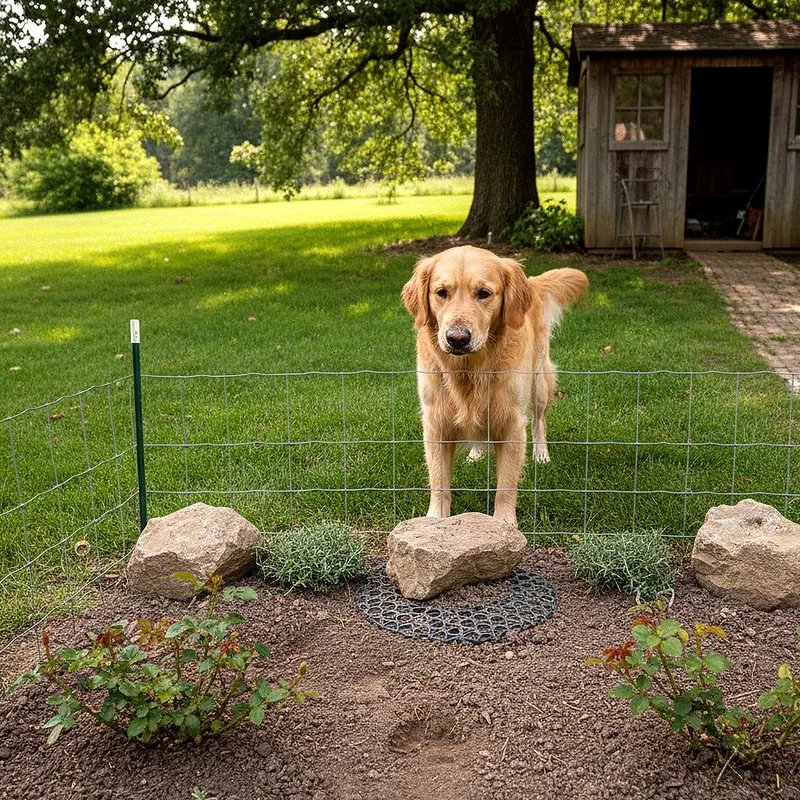
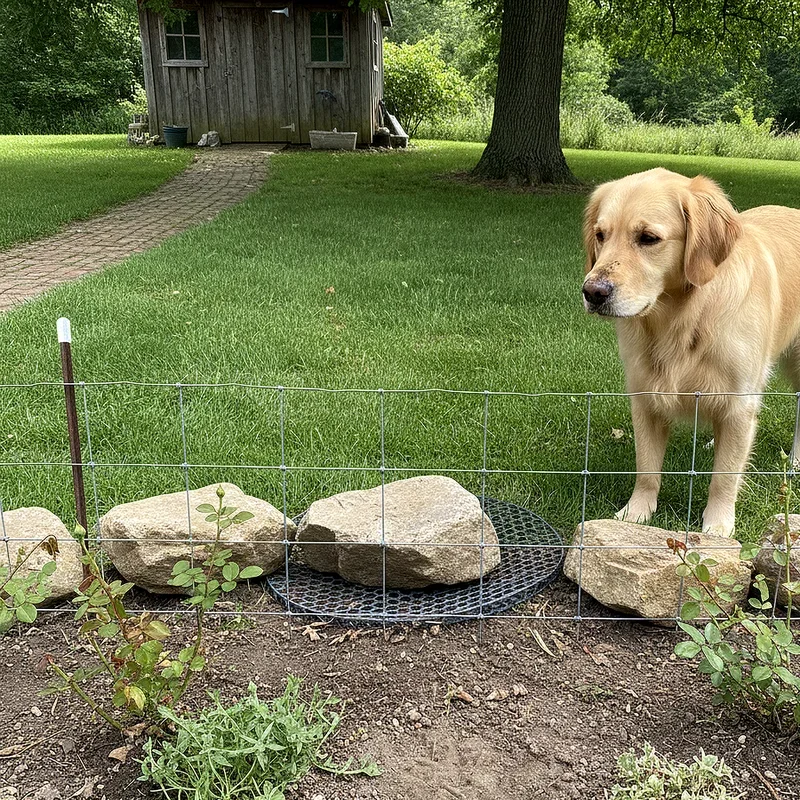
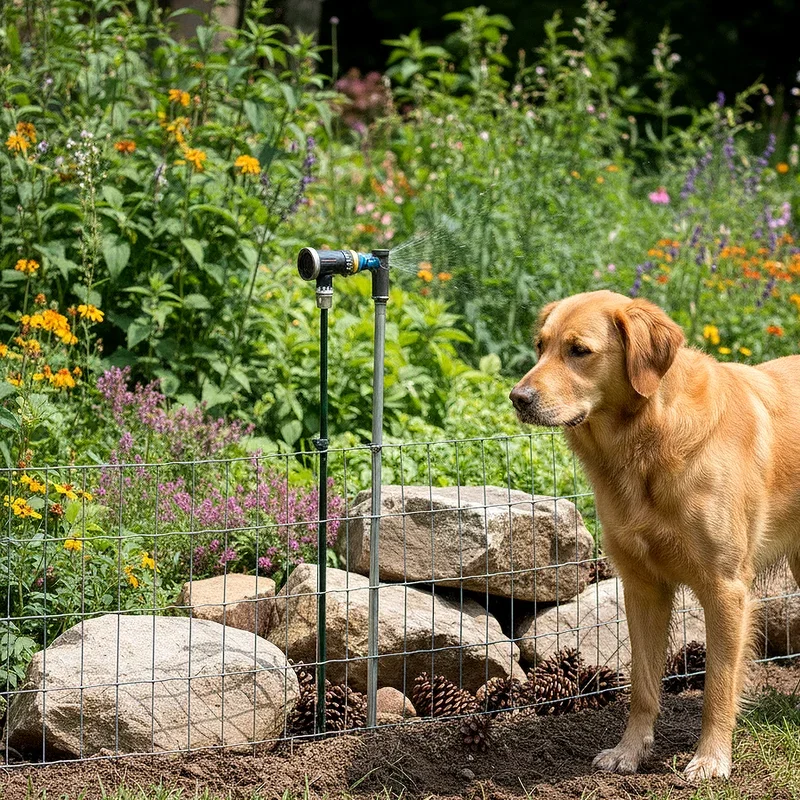
To stop fence line digging, consider burying chicken wire along the base of your fence or placing large rocks along the perimeter. You can also extend your fence several inches below ground level to create a barrier. Addressing why your dog wants to escape is equally important though. Are they not getting enough socialization? Is there a dog in heat nearby driving them crazy? Sometimes neutering or spaying can reduce the urge to roam.
Managing Hunting Instincts and Prey Drive
For dogs who dig because they are chasing underground critters, you will need to tackle the source of the problem. Getting rid of moles, gophers, and other burrowing animals from your yard will remove the temptation entirely. There are humane deterrents and removal methods available that do not harm the animals but encourage them to relocate elsewhere.
You might also want to provide alternative outlets for your dogs hunting instincts. Flirt poles, which are basically giant cat toys for dogs, can satisfy their prey drive in a controlled way. Scent work and nose games are fantastic too because they tap into those same hunting instincts without the destruction. Teaching your dog to find hidden treats around the house or yard keeps them mentally engaged and tired out.
Environmental Modifications That Work
Making your yard less appealing for digging can work wonders alongside training efforts. Dogs often return to the same spots, so covering those areas with chicken wire, pinecones, or rough mulch can deter them. Some folks have had success with citrus peels or cayenne pepper sprinkled in problem areas since dogs tend to dislike these smells.
If your dog is digging to cool down, provide better alternatives like a kiddie pool filled with water or a shaded area with cool tiles. Making sure fresh water is always available helps too. For dogs who dig to create a comfortable resting spot, an outdoor bed or elevated cot might do the trick. The goal is to make the alternatives more attractive than digging.
The Role of Supervision and Management
While you are working on training, managing your dogs access to the yard is super important. Leaving them unsupervised for long periods gives them plenty of opportunity to practice their digging skills, which is the opposite of what we want. Dogs get better at whatever they practice, so limiting practice of unwanted behaviors is essential.
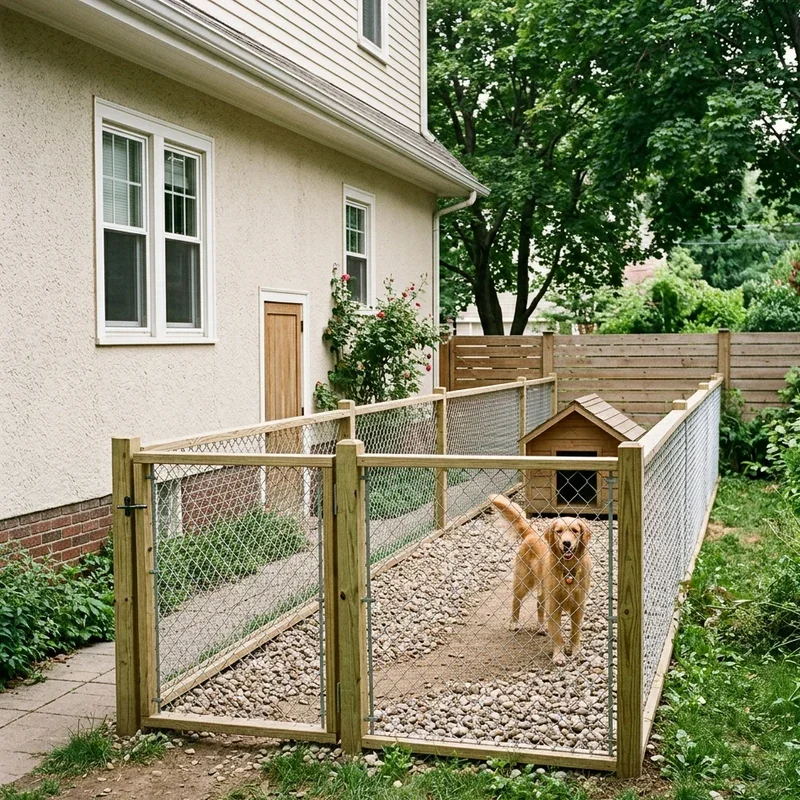
Try to be present during outdoor time, at least until the digging habit is under control. If you cannot supervise, consider keeping your dog in a dig proof area or inside the house. Some owners use window coverings to block their dogs view of tempting garden beds. Its not about punishing your dog by restricting access but rather setting them up for success by removing temptation.
Dealing with Anxiety Related Digging
When digging stems from anxiety or stress, training alone might not be enough to solve the problem. Dogs with separation anxiety often dig frantically near doors or along fence lines in an attempt to reach their owners. These pups need help addressing the underlying emotional issues, not just the symptoms.
Consider consulting with a veterinary behaviorist if you suspect anxiety is the culprit. They can recommend appropriate interventions, which might include behavior modification protocols, environmental changes, or in some cases medication. Calming aids like anxiety wraps, pheromone diffusers, and calming supplements can provide additional support. Remember that anxious digging is your dogs way of coping with distress, so approach the situation with compassion.
Breed Specific Considerations
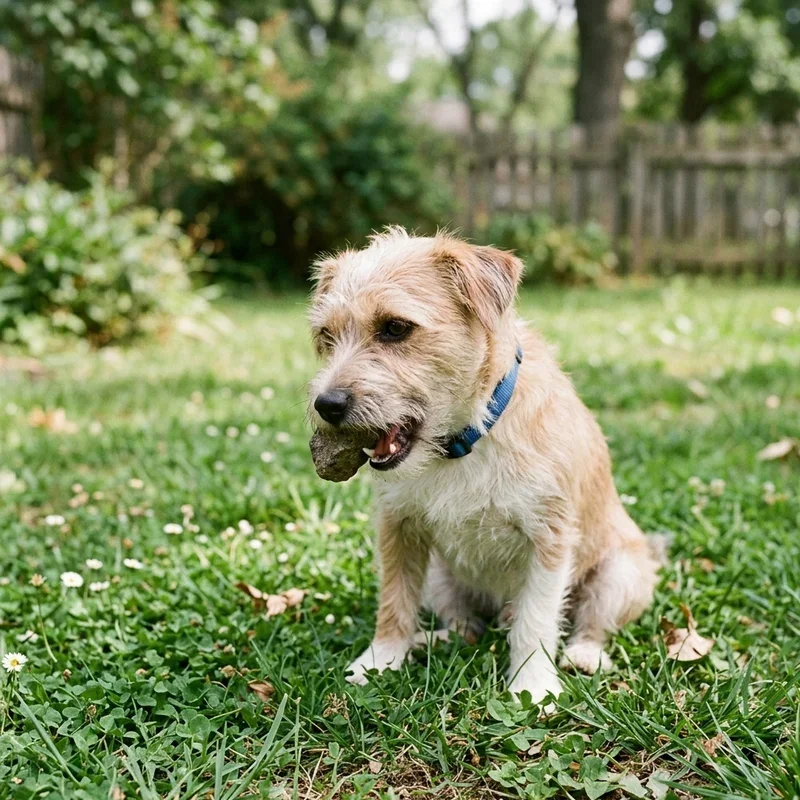
Different breeds have different digging tendencies, and understanding your dogs heritage can help you set realistic expectations. Terriers, for instance, were bred to hunt burrowing animals and have digging hardwired into their genetics. Expecting them to never dig is probably unrealistic, but channeling that instinct appropriately is totally achievable.
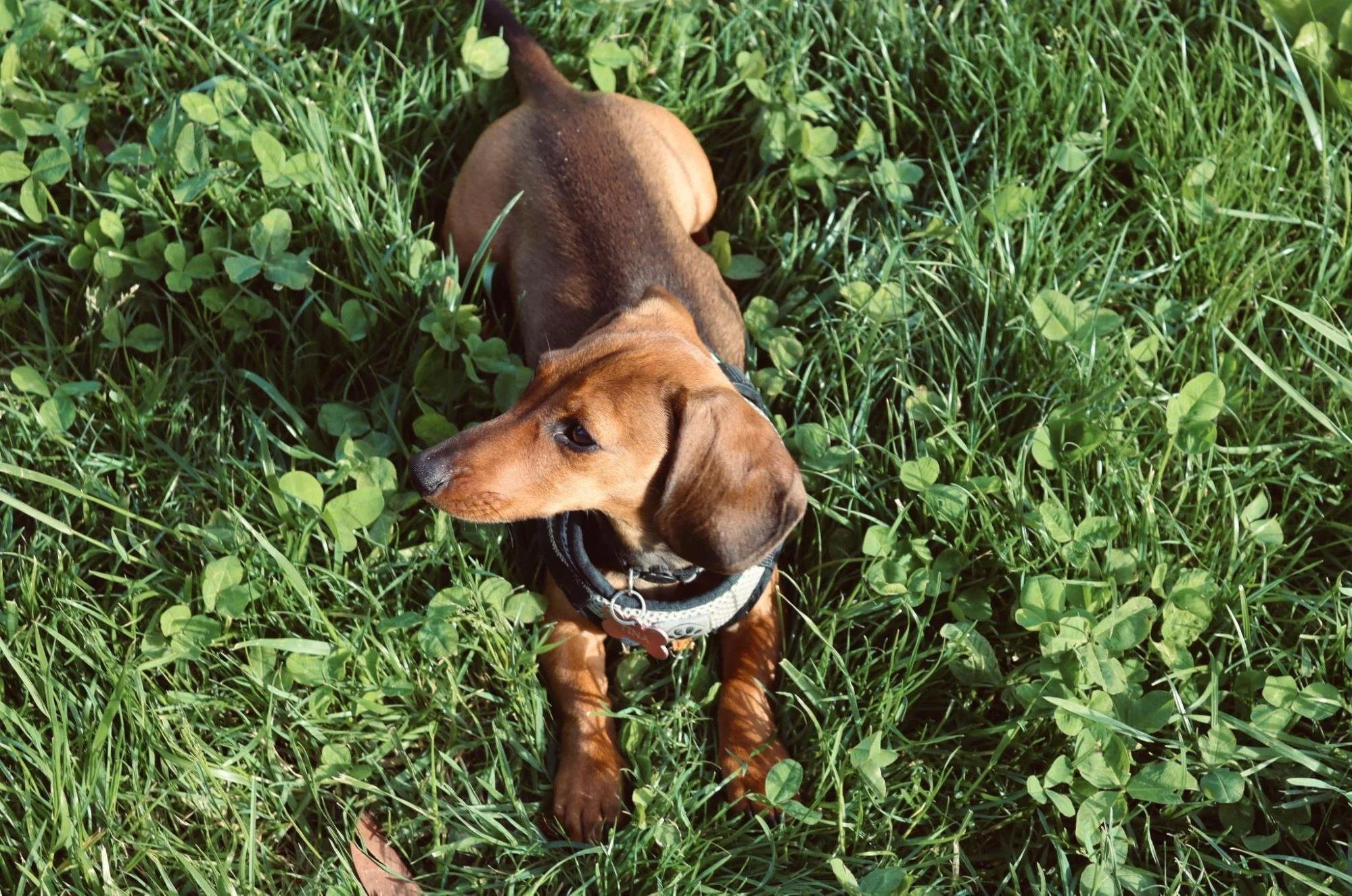
Nordic breeds like Huskies and Malamutes often dig to create cool spots to rest in, a behavior that helped their ancestors survive in extreme climates. Dachshunds, whose name literally means badger dog in German, were designed to dig into burrows. For these breeds especially, providing acceptable digging outlets is usually more effective than trying to eliminate the behavior entirely.
Building a Consistent Training Routine
Success with any training program comes down to consistency. Everyone in your household needs to be on the same page about the rules and training methods. If one person allows the dog in the garden while another scolds them for it, your poor pup will be thoroughly confused and progress will stall.
Set aside time each day for training exercises and physical activity. Keep treats handy for rewarding good behavior whenever you spot it. Document what is working and what is not so you can adjust your approach as needed. Most dogs show improvement within a few weeks of consistent effort, but some take longer. Patience really is a virtue when it comes to modifying dog behavior.
When to Seek Professional Help
Sometimes despite your best efforts, the digging continues or even gets worse. This is when bringing in a professional dog trainer or behaviorist makes sense. They can observe your dog, identify things you might have missed, and create a customized training plan for your specific situation.
Look for trainers who use positive reinforcement methods and have experience with digging issues. Certification from reputable organizations is a good sign. Do not be embarrassed to ask for help because even the most experienced dog owners sometimes need expert guidance. A few sessions with a professional can save you months of frustration and trial and error.
Long Term Success and Maintenance
Once you have got the digging under control, do not let your guard down completely. Dogs can fall back into old habits if given the opportunity, especially during stressful times or changes in routine. Continue providing adequate exercise, mental stimulation, and supervision to maintain your progress.
Keep that designated digging zone interesting by rotating the buried treasures and refreshing the soil occasionally. Stay consistent with your training and keep rewarding your dog for making good choices. Over time, not digging in inappropriate areas will become second nature for your pup, and you can relax a bit more during yard time.
Conclusion
Stopping your dog from digging takes time, patience, and understanding of why they do it in the first place. By combining adequate exercise, positive reinforcement training, environmental management, and sometimes professional help, you can absolutely reclaim your yard. Remember that every dog is different, so what works for one might not work for another. Stay consistent with your efforts, celebrate small victories along the way, and before you know it, those crater filled lawns will be a distant memory.
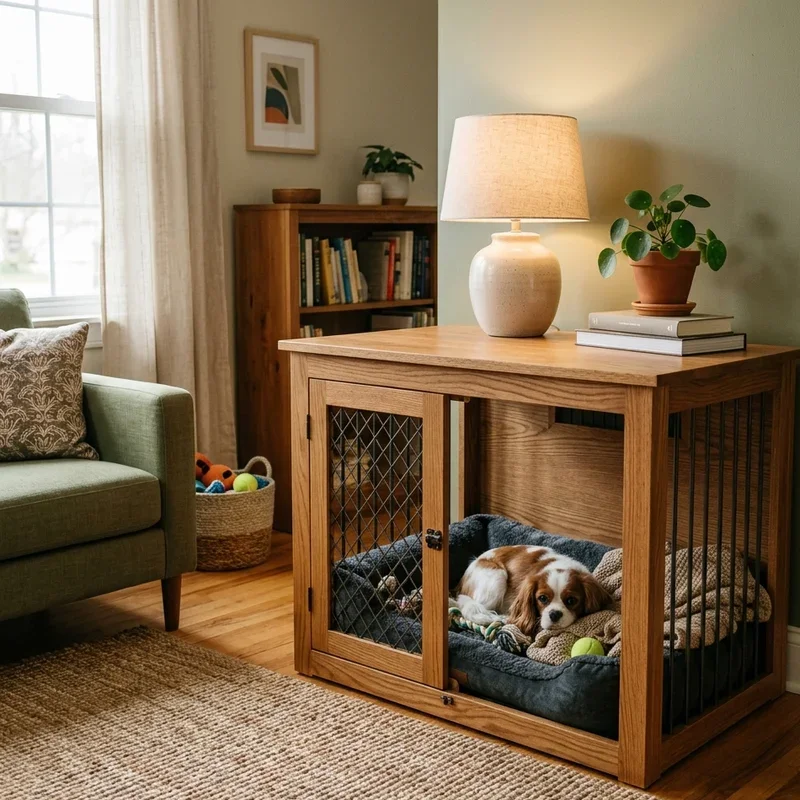
Read next: 15 DIY Indoor Dog Kennel Ideas for Stylish Home Living
Frequently Asked Questions
Q1. Why does my dog suddenly start digging holes everywhere?
A: Sudden digging often indicates boredom, stress, prey activity underground, or temperature discomfort needing attention.
Q2. How long does it take to stop a dog from digging?
A: Most dogs show improvement within two to four weeks with consistent training and management.
Q3. Will neutering or spaying stop my dog from digging?
A: It may reduce escape digging but usually does not eliminate digging caused by other reasons.
Q4. Is it okay to punish my dog for digging?
A: Punishment is ineffective and can worsen anxiety, so positive reinforcement works much better overall.
Q5. What breeds are most prone to digging behavior?
A: Terriers, Dachshunds, Huskies, Beagles, and other hunting or working breeds dig most frequently.
Stay up to date with our latest ideas!