15 Backyard Dog Run Ideas to Maximize Outdoor Space
Transform your yard into a canine paradise with creative dog run designs that blend safety, function, and style for active pets.
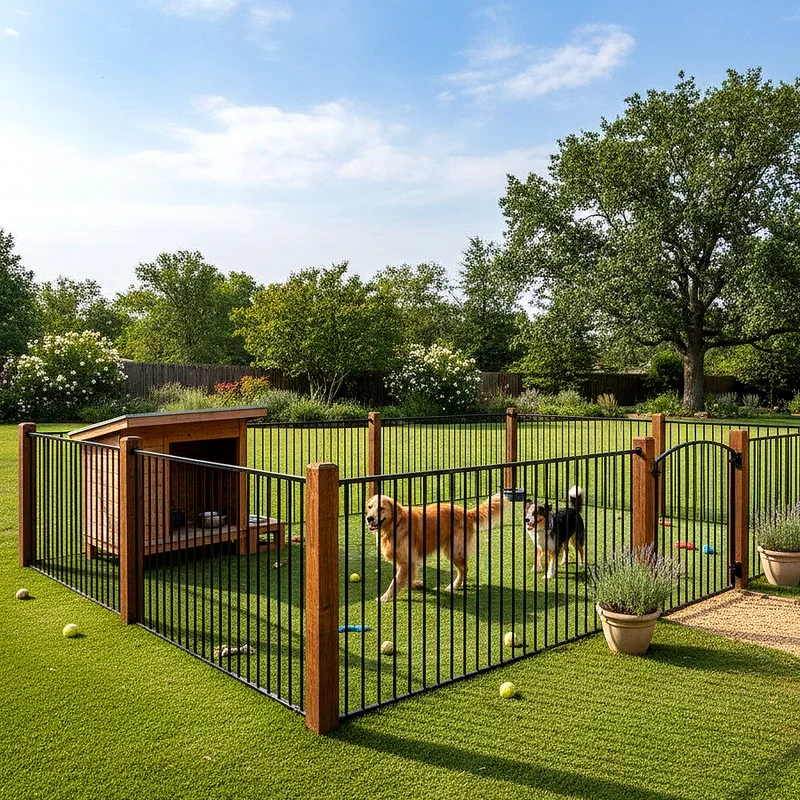
Does your furry friend deserve a dedicated space to zoom around without trampling your flower beds or digging up the lawn? Creating a backyard dog run isn't just about containing your pup; it's about designing a personal playground where they can exercise, explore, and enjoy the outdoors safely. Whether you're working with a sprawling suburban yard or a compact urban space, the right dog run design can transform your outdoor area into a functional haven for both you and your four-legged companion. From budget-friendly DIY solutions to luxurious setups complete with agility features, these fifteen innovative ideas will help you maximize every square foot of your property. You'll discover how thoughtful planning can protect your landscaping, keep your dog entertained, and even increase your home's appeal.
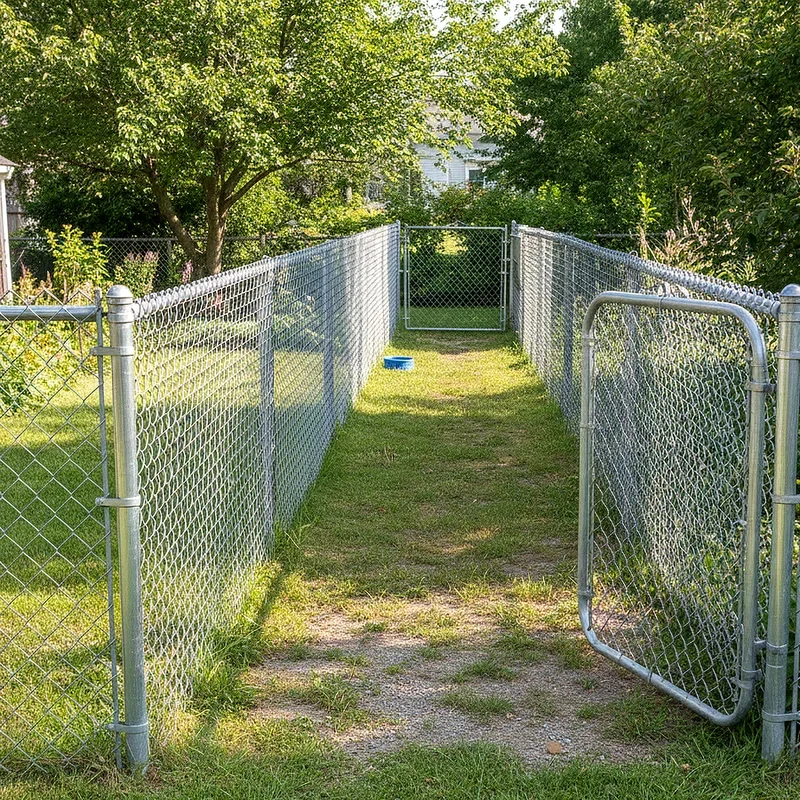
1. Classic Chain-Link Corridor Design
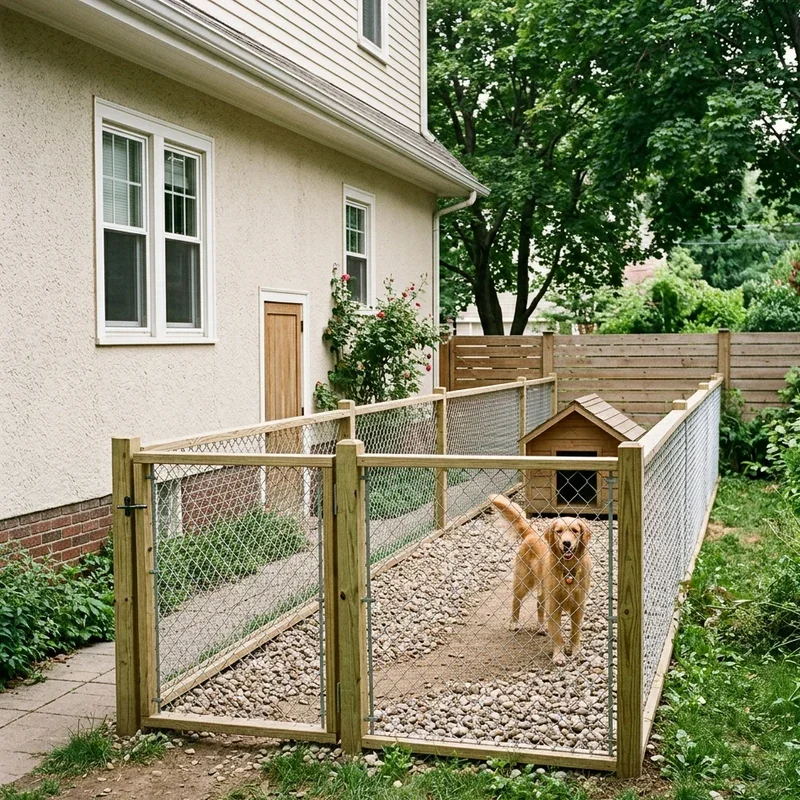
The traditional chain-link dog run remains popular because it delivers proven results without breaking the bank. This straightforward approach creates a long, narrow corridor along your property line or fence, giving your dog plenty of room to sprint while keeping installation costs manageable. You can customize the width based on your dog's size, typically ranging from four to ten feet across. The see-through nature of chain-link fencing prevents your pup from feeling isolated while allowing you to monitor their activities from anywhere in the yard. Adding a gate at both ends provides convenient access and creates a natural flow for outdoor activities. This design works exceptionally well for energetic breeds that need regular exercise but tends to transform backyards into functional spaces rather than aesthetic showcases.
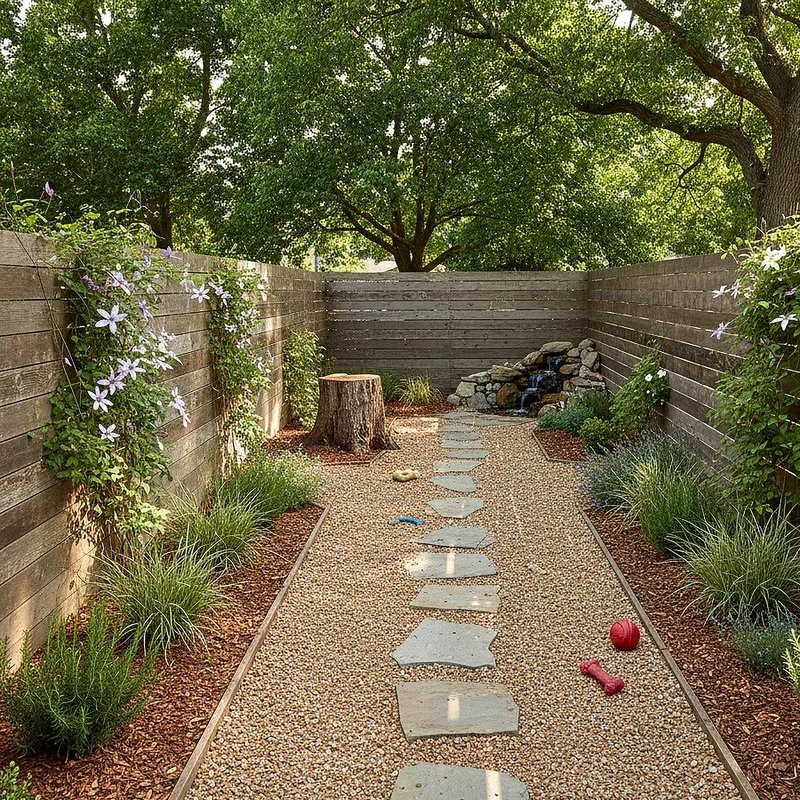
2. Natural Stone Pathway Runner
Transform your dog run into a landscaping feature by incorporating natural stone pathways that blend seamlessly with your outdoor design aesthetic. Flagstone, river rock, or slate creates an attractive surface that provides excellent drainage while remaining gentle on your dog's paws. The irregular shapes and earth-tone colors complement garden settings and create visual interest that standard fencing cannot match. Strategic placement of larger stones creates natural borders, while smaller pebbles fill gaps and prevent mud formation during rainy weather. This option suits dogs who enjoy exploring textures underfoot and works particularly well in yards where aesthetics matter as much as functionality. The initial investment runs higher than basic options, but the durability and timeless appeal justify the expense for homeowners seeking permanent solutions.
3. Gravel and Sand Combination Run
Mixing gravel with sand creates an affordable, low-maintenance surface that drains quickly and resists odor buildup better than many alternatives. The combination provides comfortable footing for dogs while discouraging digging behaviors that plague softer ground covers. Start with a base layer of larger gravel for drainage, then top it with finer material or sand for paw comfort. This layered approach prevents the surface from compacting over time and makes waste removal straightforward with regular raking. The neutral colors blend with most landscaping schemes, and you can easily refresh worn areas by adding new material as needed. Consider edging the run with landscape timbers or stones to contain the materials and create clean boundaries. This solution particularly benefits dogs with allergies since the inorganic materials harbor fewer allergens than grass or mulch.
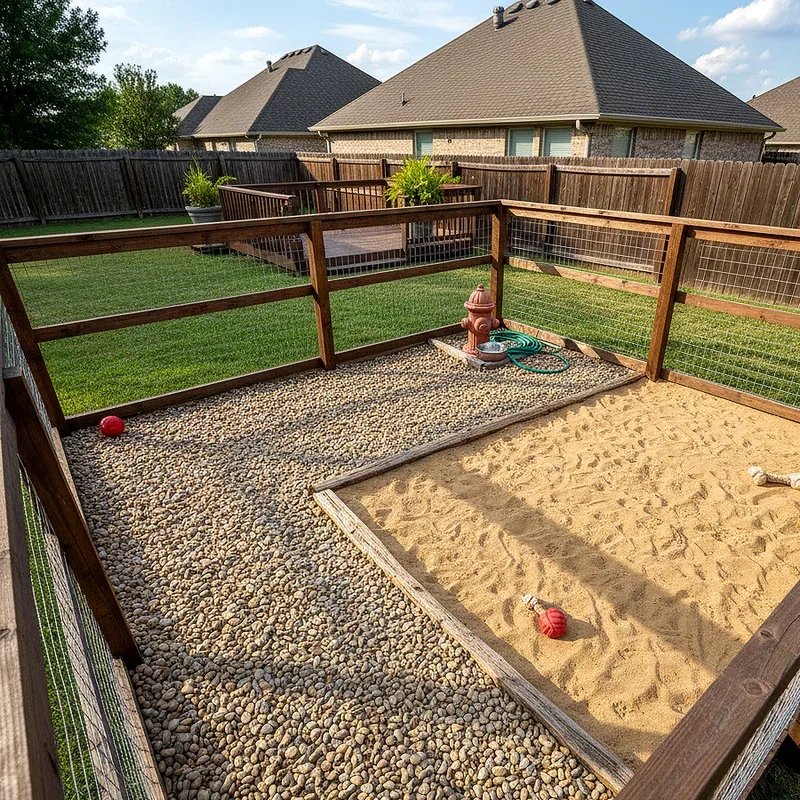
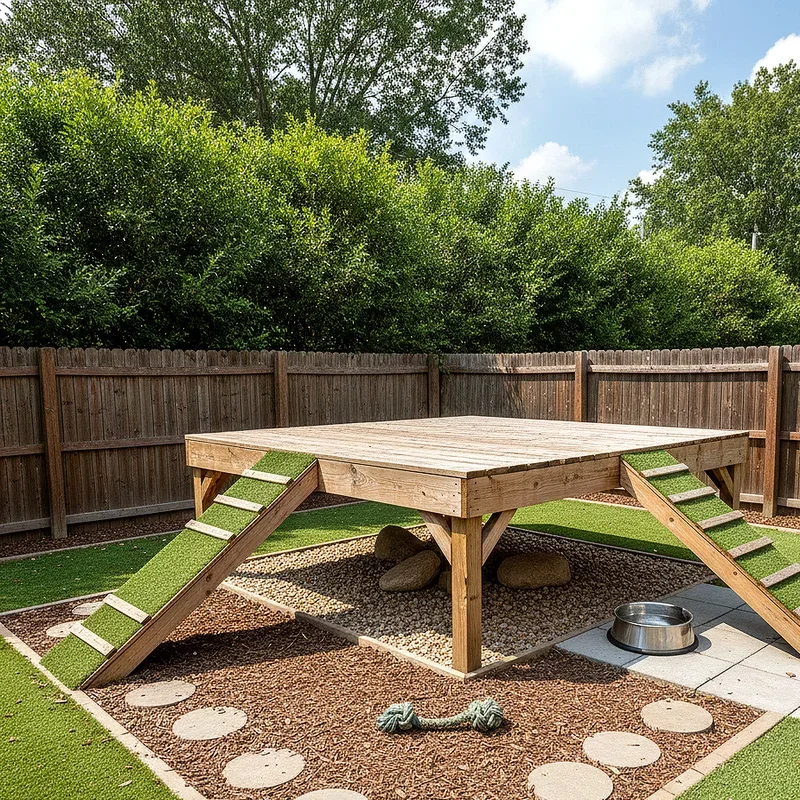
4. Raised Deck Canine Platform
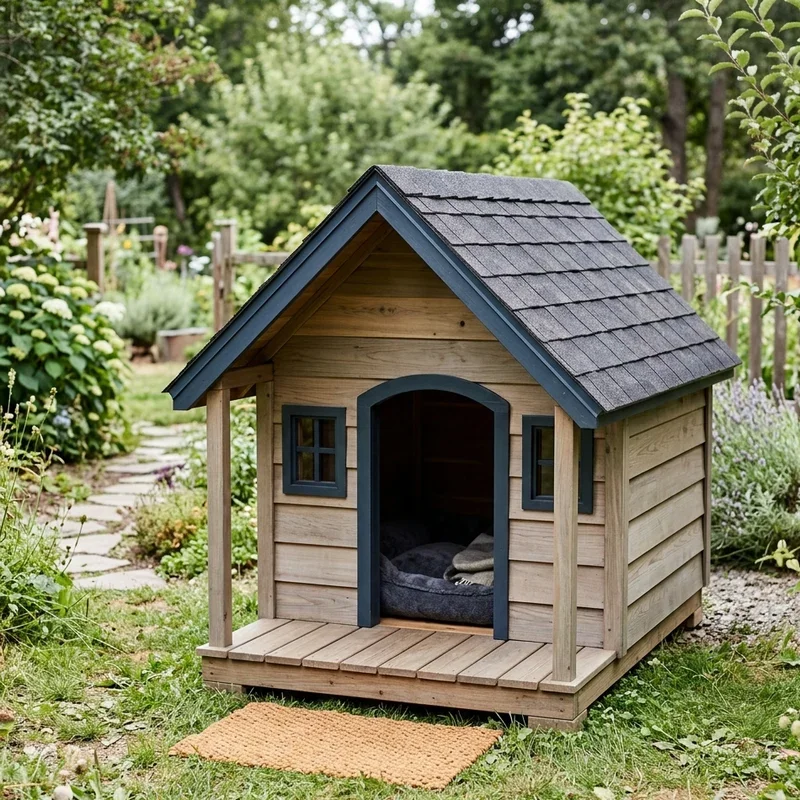
Elevating your dog run off the ground solves drainage issues while creating an attractive architectural feature in your backyard. A raised deck design keeps your pup dry during wet weather and prevents muddy paws from tracking through your home. Building the platform with weather-resistant composite materials or treated lumber ensures longevity and minimizes maintenance requirements. The elevated position also provides better air circulation underneath, reducing moisture accumulation and pest problems. You can incorporate built-in storage beneath the deck for toys, supplies, and equipment, maximizing the functional use of vertical space. Adding stairs or ramps at strategic points makes the area accessible for dogs of all ages and mobility levels. This premium option delivers year-round usability and significantly increases the visual appeal of your outdoor living space.
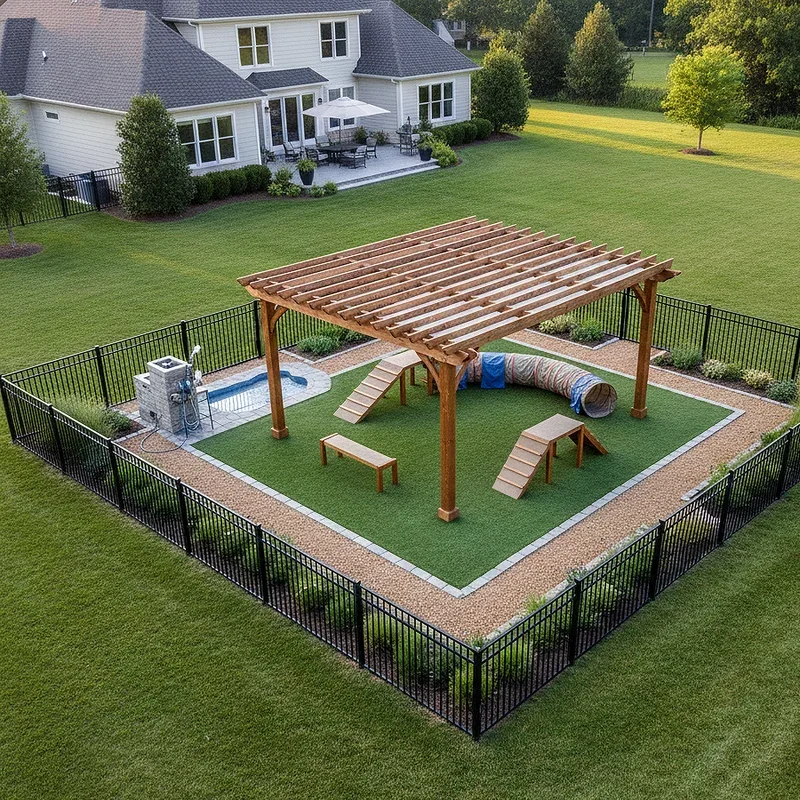
5. Shaded Pergola Exercise Area
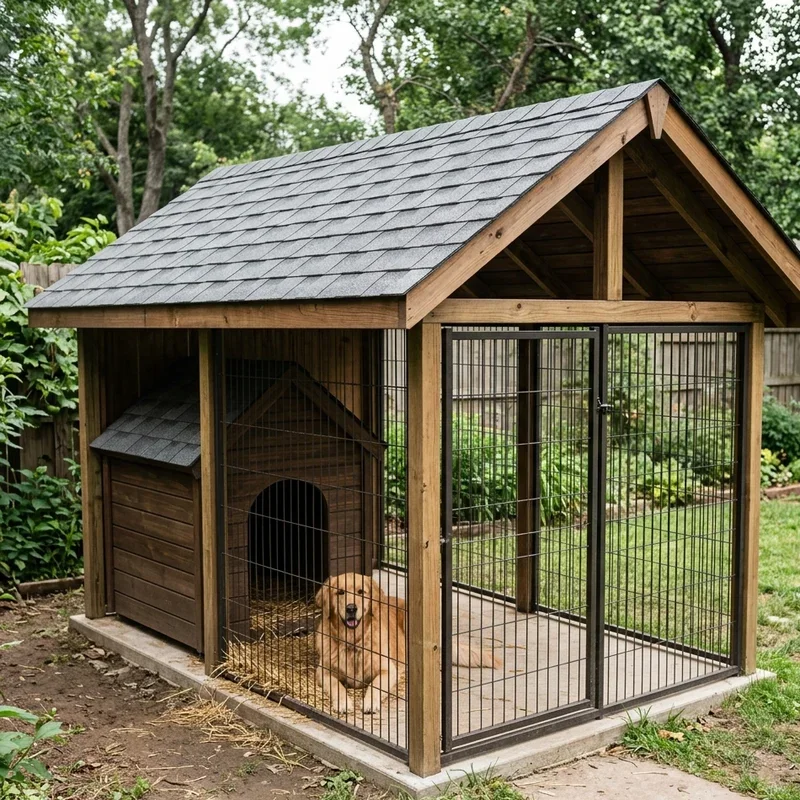
Protecting your dog from harsh sunlight and weather elements becomes possible when you integrate a pergola structure into your dog run design. The overhead coverage creates comfortable conditions during summer months while still allowing air circulation and natural light to filter through. You can grow climbing vines over the pergola for additional shade and aesthetic appeal, transforming the functional space into a garden feature. The defined structure also provides convenient attachment points for toys, water bowls, and cooling fans during hot weather. This design works beautifully for dogs who love spending extended periods outdoors but need protection from extreme temperatures. The pergola framework can support retractable shade cloths or waterproof panels for adjustable coverage based on seasonal needs and weather conditions, giving you complete environmental control.
6. Artificial Turf Installation
Modern artificial turf designed specifically for pets offers a maintenance-free alternative that stays green and attractive throughout every season. Unlike natural grass, synthetic options drain quickly, resist yellow spotting from urine, and eliminate muddy paw prints entirely from your daily routine. The cushioned backing provides comfortable footing that reduces joint stress for older dogs or breeds prone to hip problems. Quality pet turf includes antimicrobial treatments that control odors and prevent bacterial growth, addressing common concerns about synthetic surfaces. Installation requires proper base preparation with adequate drainage layers, but the long-term reduction in watering, mowing, and fertilizing saves considerable time and money. This solution appeals to environmentally conscious owners in drought-prone regions and anyone tired of battling dead patches in their lawn from canine activities.
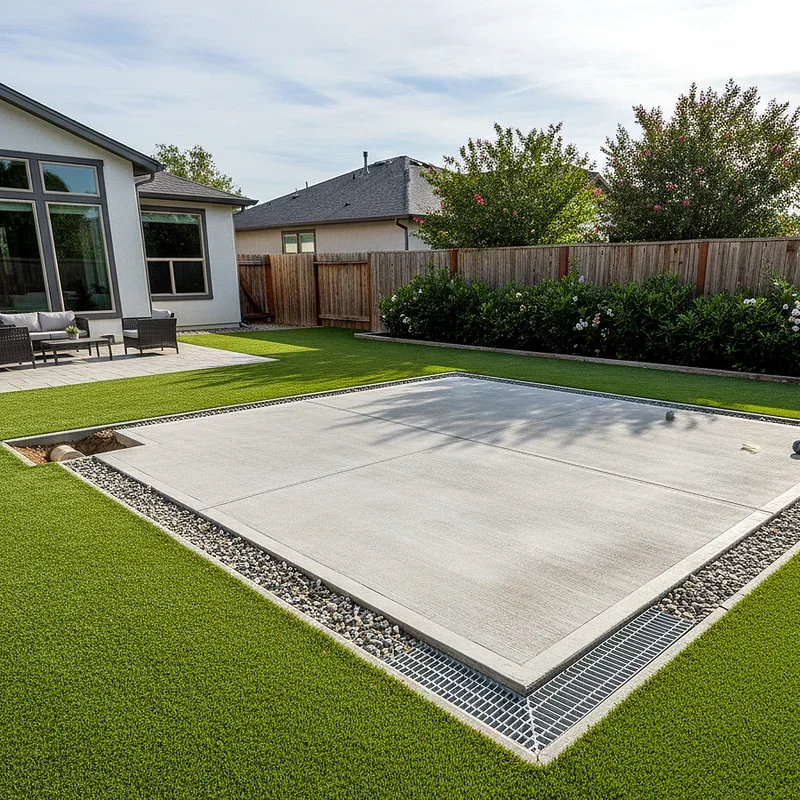
7. Concrete Pad with Drainage System
A properly sloped concrete pad creates the ultimate low-maintenance dog run surface that withstands heavy use and frequent cleaning with ease. The solid surface eliminates digging problems completely while providing a stable platform that won't shift or develop holes over time. Incorporating a slight grade ensures water runs off quickly toward drainage areas, preventing puddles and keeping the space sanitary. Adding a textured finish or applying specialized coatings improves traction and reduces heat absorption during summer months. The smooth surface makes waste cleanup effortless with a simple hose-down, and the permanent nature means you'll never need to replace or refresh the flooring. Some homeowners enhance concrete runs with removable rubber mats or artificial turf sections for added comfort. This industrial-strength option particularly suits large dogs or multiple-dog households.
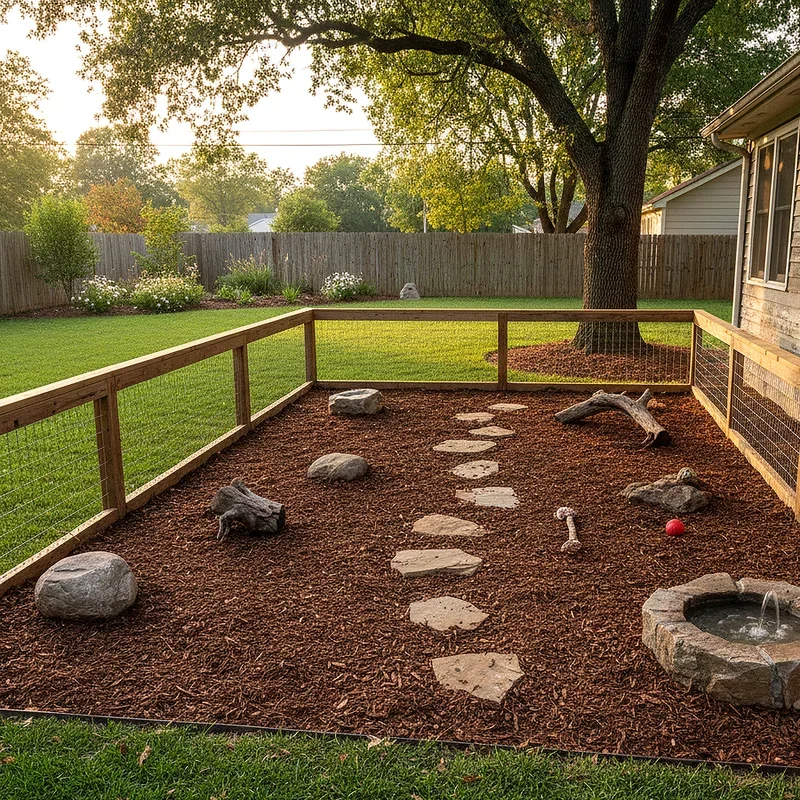
8. Mulch-Based Natural Run
Organic mulch provides an economical, earth-friendly ground cover that mimics natural forest floor conditions your dog instinctively enjoys. Cedar or pine shavings offer natural pest-repelling properties while creating a soft, aromatic surface that's gentle on paws and joints. The loose material provides excellent drainage and can be easily replaced when it breaks down or becomes soiled. Mulch naturally suppresses weed growth, reducing maintenance compared to grass or bare dirt options. The cushioning effect makes it ideal for dogs who love to run and play vigorously without risking injury from hard surfaces. You'll need to replenish the mulch periodically as it decomposes, but the low cost makes this regular maintenance affordable. Avoid cocoa mulch entirely since it contains compounds toxic to dogs, and choose larger-sized chips to discourage ingestion.
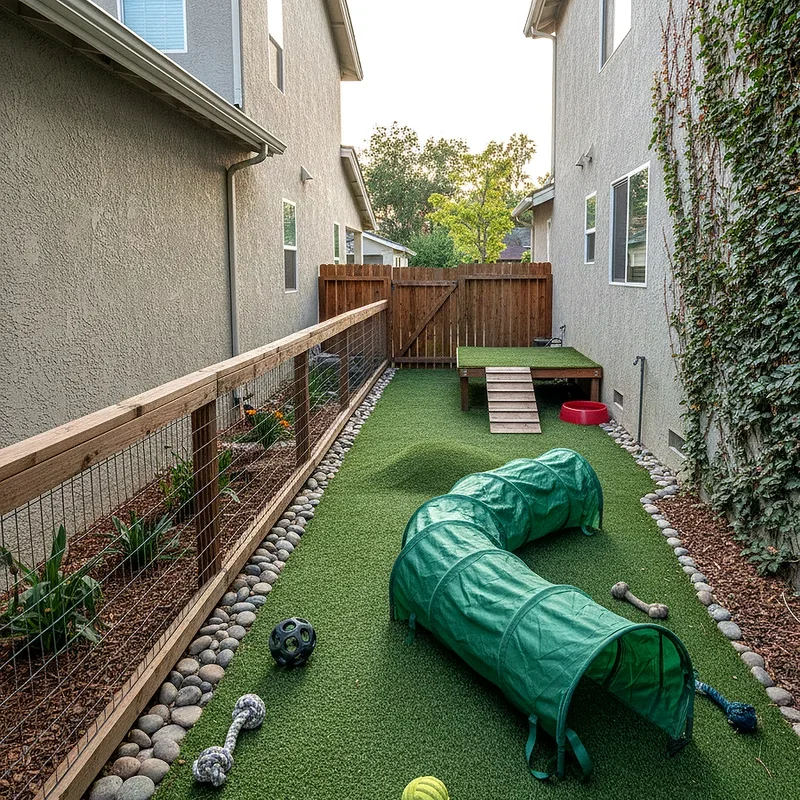
9. Side Yard Narrow Corridor
That often-wasted strip of land running alongside your house becomes prime real estate when converted into a streamlined dog run. These typically narrow spaces work perfectly for creating enclosed pathways that give dogs access to different yard sections while keeping them off your main lawn. The existing house wall provides one boundary, reducing fencing needs and overall costs significantly. You can enhance the corridor with interesting elements like stepping stones, sensory gardens with dog-safe plants, or even a shallow digging pit. The elongated shape naturally encourages running and patrolling behaviors that satisfy your dog's exercise needs. Installing a gate at each end creates a convenient path for human traffic as well. This efficient use of otherwise unused space proves particularly valuable in urban lots where every square foot counts.
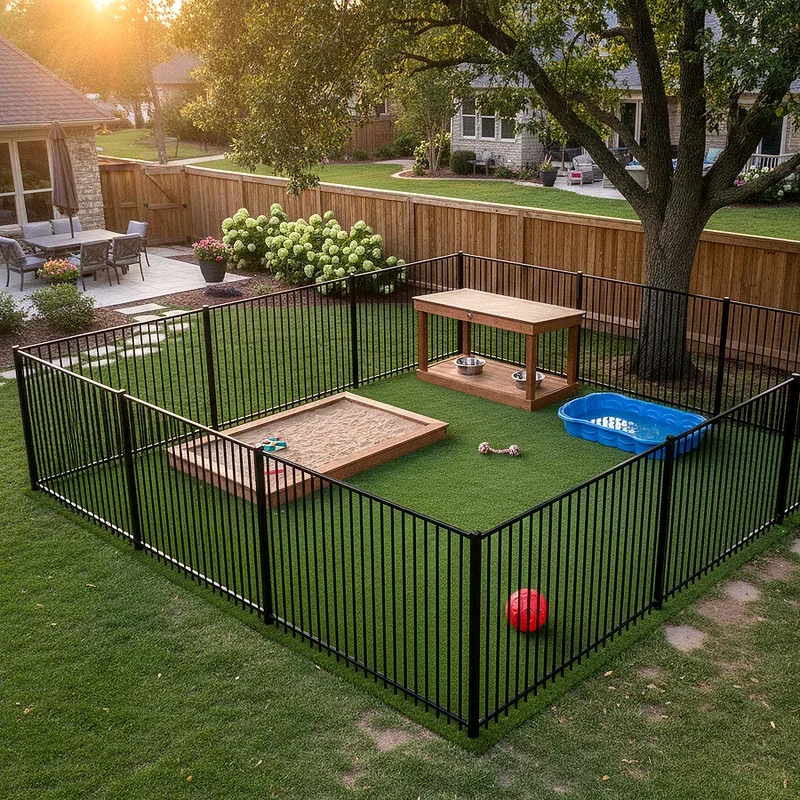
10. L-Shaped Corner Utilization
Wrapping your dog run around a corner of your property creates maximum running distance within a compact footprint. The L-configuration provides interesting sightlines that keep your dog mentally engaged as they patrol different sections of the yard. This layout naturally divides outdoor space into distinct zones, allowing you to reserve premium areas for human activities while giving your pet ample territory. The corner location often takes advantage of existing fencing on two sides, reducing material costs and installation time. You can vary the width along different sections based on your available space and how you use each area. The design creates natural separation between your dog's space and entertainment areas, gardens, or play equipment. This versatile layout adapts well to properties of various sizes and shapes.
11. Under-Deck Space Conversion
The shadowy area beneath an elevated deck typically goes unused, but it offers perfect conditions for a protected dog run that stays cool during summer heat. This covered space remains naturally dry during rain and provides year-round shelter that extends your dog's outdoor time regardless of weather. The existing deck structure eliminates the need for overhead coverage, and you only need to enclose the sides with appropriate fencing. Installing proper drainage ensures the area doesn't become damp or develop odors from poor air circulation. The shaded environment appeals especially to dogs with thick coats or those sensitive to direct sunlight. You can easily add lighting to extend usability into evening hours. This creative solution maximizes existing architecture while creating valuable real estate from previously wasted space beneath outdoor living areas.
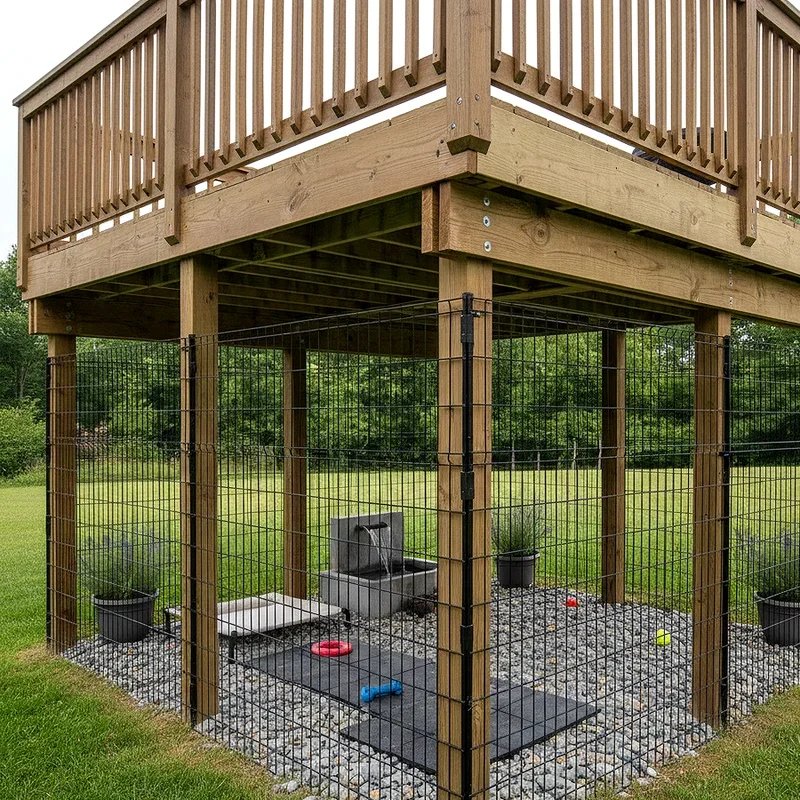
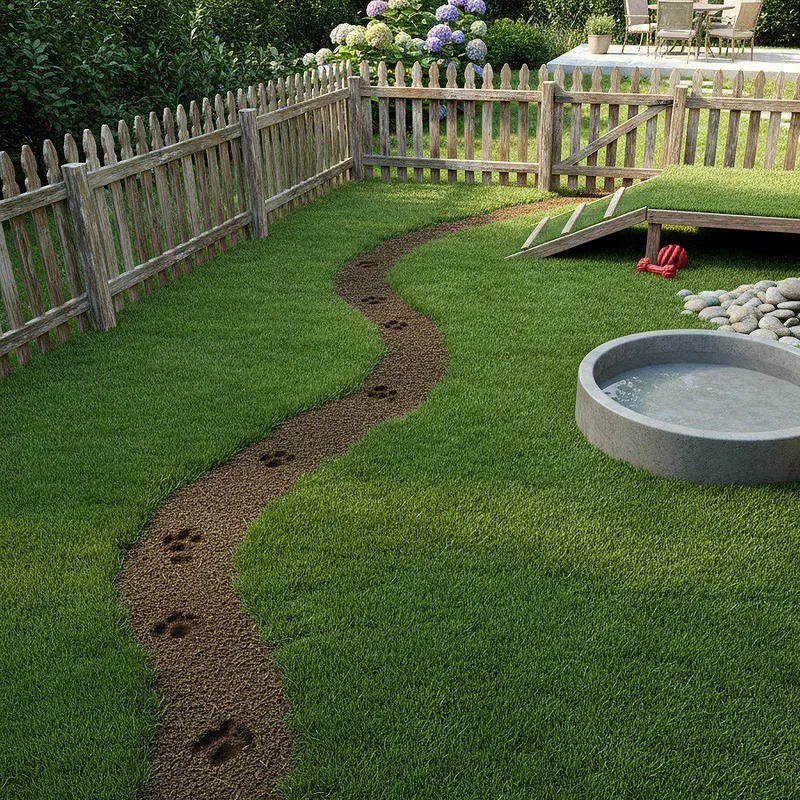
12. Fenced Garden Perimeter Path
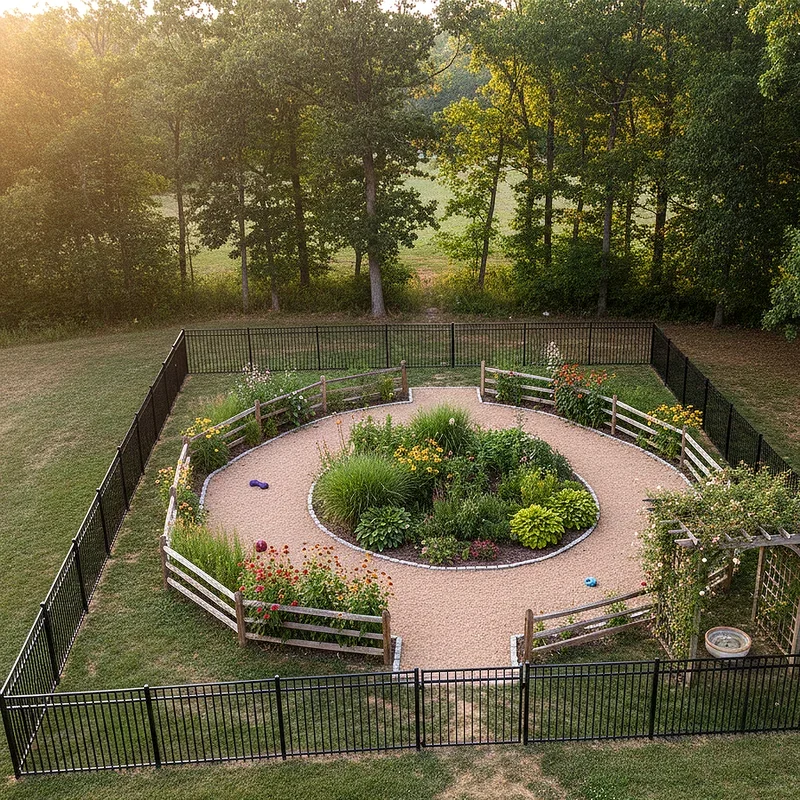
Creating a dog run along the outer edge of your garden or landscaped areas serves dual purposes by establishing clear boundaries while giving your pup patrol space. This perimeter approach protects your plantings from trampling and digging while satisfying your dog's natural instinct to guard territory. The pathway can follow natural contours of your property, creating an interesting route that keeps dogs mentally stimulated as they explore. Using decorative fencing that complements your landscape design ensures the run enhances rather than detracts from your outdoor aesthetic. The buffer zone between your dog and your plants reduces conflicts and creates separate functional areas within your yard. You can incorporate viewing windows or lower fence sections at key points so your dog maintains visual connection with family activities. This thoughtful integration creates harmony between gardening pursuits and pet ownership.
13. Modular Panel System
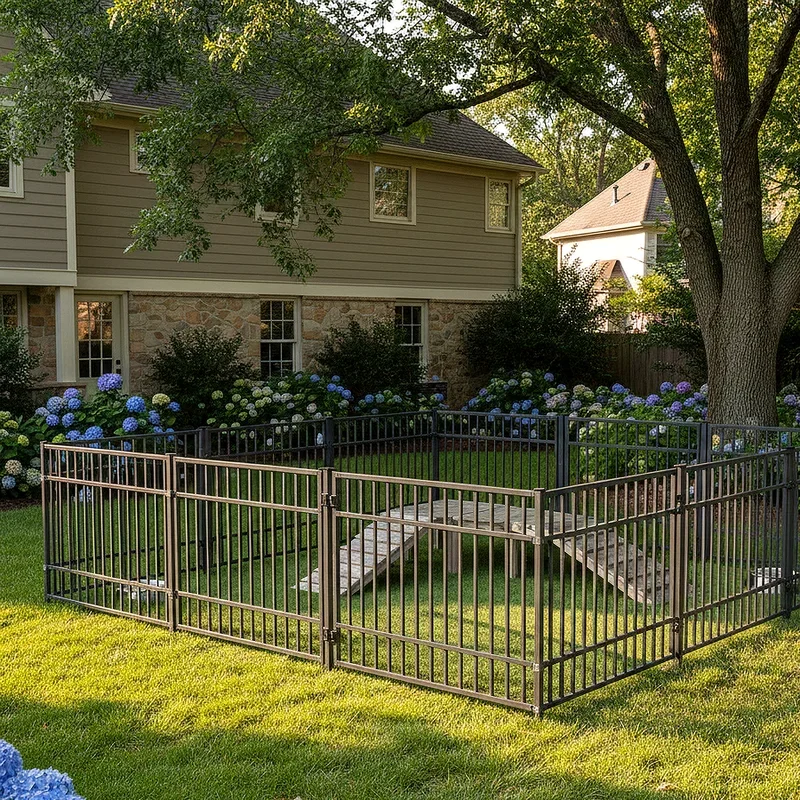
Portable, interlocking fence panels offer ultimate flexibility for homeowners who want to reconfigure their dog run seasonally or adjust to changing needs. These prefabricated systems install quickly without specialized tools or permanent modifications to your property. You can expand or reduce the enclosed area based on how many dogs you have or what activities you're planning. The removable nature means you can take the run with you if you move or store it during seasons when you don't need it. Many modular systems feature powder-coated metal or heavy-duty plastic construction that withstands weather exposure and determined dogs. The professional appearance rivals permanent installations while costing considerably less. This adaptable solution particularly benefits renters or anyone uncertain about committing to permanent yard modifications.
14. Agility Course Integration
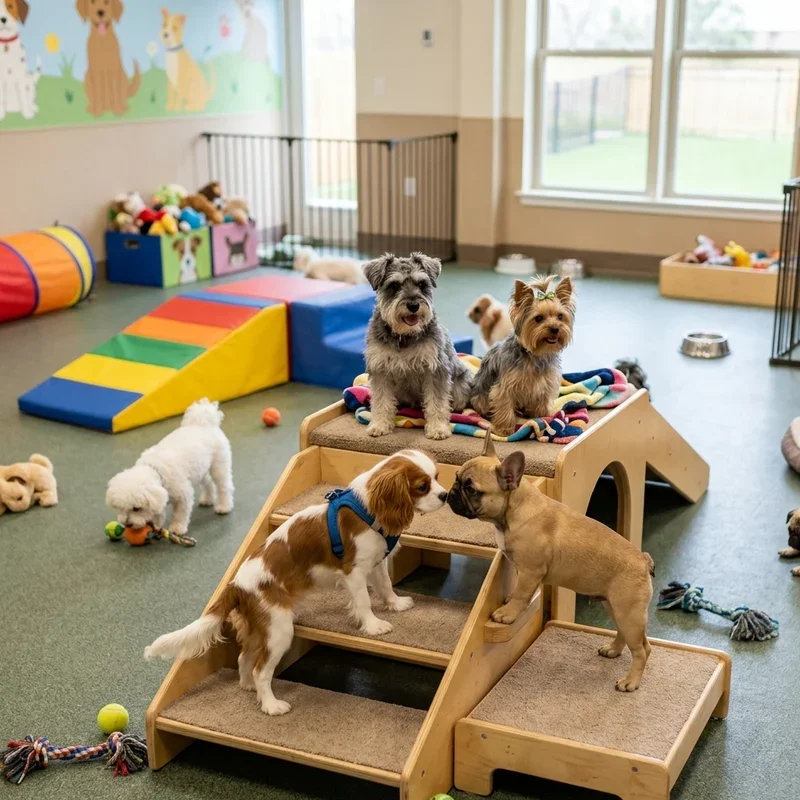
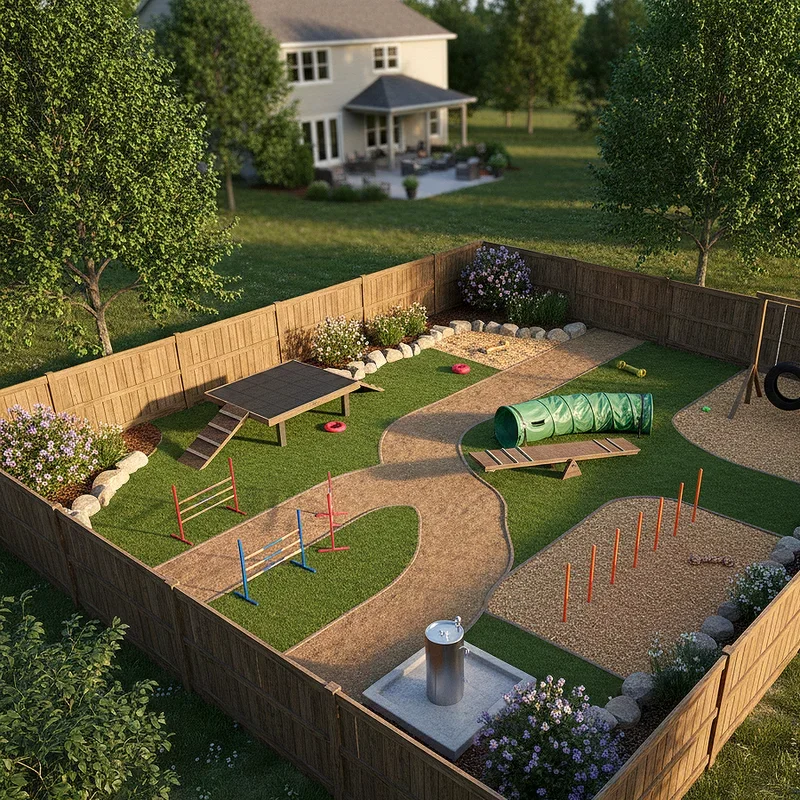
Why settle for a simple running space when you can incorporate training elements that challenge your dog's body and mind simultaneously? Building obstacles like jumps, weave poles, tunnels, and balance beams into your dog run transforms exercise time into engaging play sessions. The mental stimulation from navigating courses helps burn energy more effectively than simple running while strengthening the bond between you and your pet. You can start with basic elements and expand the course as your dog masters skills and your budget allows. DIY construction using PVC pipes, wood, and household materials keeps costs reasonable. The varied activities reduce boredom and destructive behaviors that emerge when dogs lack sufficient stimulation. This interactive approach particularly benefits high-energy breeds and working dogs who need jobs to stay fulfilled and happy.
15. Multi-Level Terraced Run
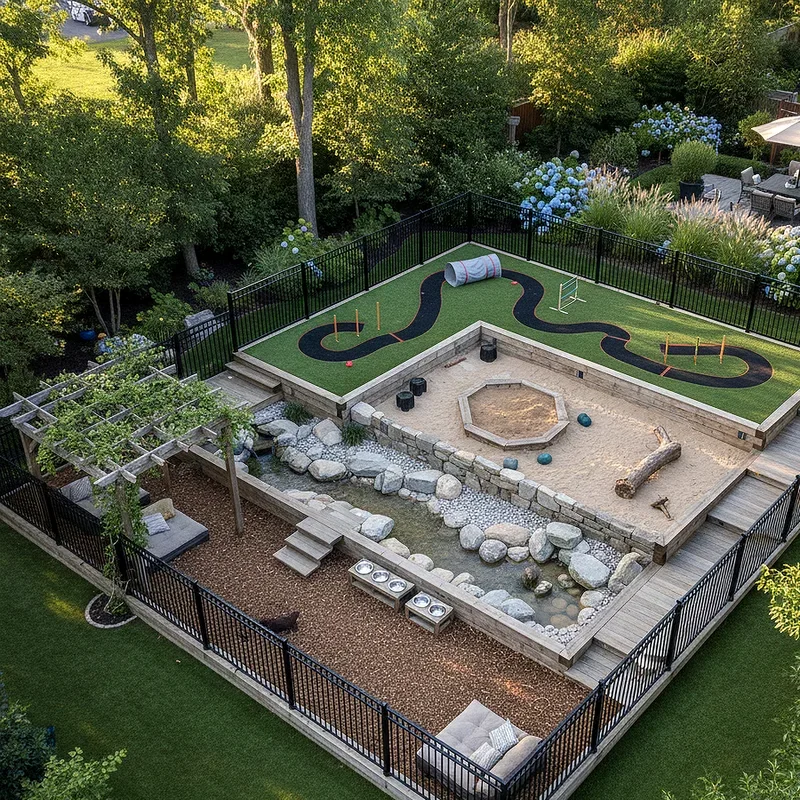
Properties with slopes or uneven terrain present unique opportunities for creating dynamic, multi-level dog runs that maximize vertical space. Terracing the area with retaining walls creates distinct zones at different elevations, giving your dog varied environments to explore. The elevation changes provide natural exercise as your pup climbs between levels, increasing the physical challenge without requiring more horizontal space. Each terrace can feature different surfaces or elements like digging areas, shaded rest spots, or observation platforms overlooking the yard. The terraced design also improves drainage on sloped properties while preventing erosion that occurs when dogs run on hillsides. Building stairs or gentle ramps between levels ensures safe access for dogs of all ages. This architecturally interesting solution turns challenging topography into an asset that creates the most engaging dog run possible.
Conclusion
Building a backyard dog run represents an investment in your pet's health, happiness, and quality of life. The right design balances your available space, budget, and aesthetic preferences while meeting your dog's specific needs for exercise and mental stimulation. Whether you choose a simple gravel pathway or an elaborate multi-level course, the key lies in creating a space your dog genuinely wants to use. Remember that the best dog run incorporates shade, water access, and interesting elements that prevent boredom. With thoughtful planning and creativity, you can transform any outdoor area into a canine paradise that enhances your entire property while giving your best friend the active lifestyle they deserve.
Read next: 15 Dog Run Ideas for a Secure and Fun Backyard
Frequently Asked Questions
Q1: What is the most budget-friendly material for a dog run?
A: Gravel or mulch provides the most economical option for dog run surfacing materials.
Q2: How wide should a backyard dog run be?
A: Dog runs should measure between four to ten feet wide depending on breed size.
Q3: Do dog runs require special drainage systems?
A: Proper drainage prevents mud and odors, though requirements vary by surface material and climate.
Q4: Can I build a dog run on a sloped yard?
A: Terracing or following the natural slope creates functional runs on uneven terrain effectively.
Q5: What surface is easiest to clean in a dog run?
A: Concrete or artificial turf offers the simplest cleaning with quick hosing and minimal maintenance.
Stay up to date with our latest ideas!