15 Dog Feeding Station Ideas to Upgrade Pet Dining
Discover 15 creative dog feeding station ideas! From elevated designs to built-in solutions, upgrade your pet's dining experience beautifully.
Where does your dog eat their meals? If food and water bowls sit randomly on kitchen floors creating trip hazards, sliding messes, and aesthetic eyesores, it's time for an upgrade! Dog feeding stations transform the daily necessity of pet meals into organized experiences that benefit both dogs and their humans. Think of a proper feeding station as your dog's personal dining room, a designated space where mealtime happens comfortably and cleanly rather than wherever bowls happen to land. The right feeding station improves your dog's eating posture, reduces mess, protects your floors, and adds design elements that complement your home rather than cluttering it. From simple elevated platforms to elaborate built-in furniture, feeding station options span every budget, space configuration, and aesthetic preference. Whether you're seeking better digestion support for aging dogs or simply wanting tidier feeding arrangements, proper stations deliver benefits that random bowl placement cannot provide. Ready to discover how thoughtful feeding stations upgrade your dog's dining experience? Let's explore!
1. Elevated Platform Feeding Stations
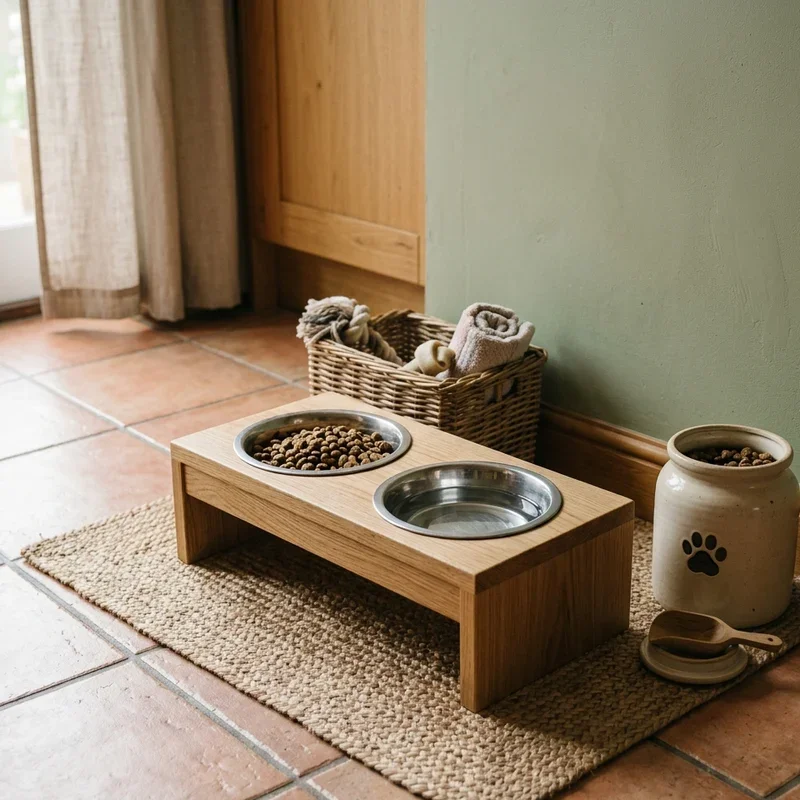
Support your dog's digestive health through elevated feeding platforms that raise bowls to comfortable eating heights reducing neck strain and improving digestion! These raised stations position food and water at levels where dogs eat without extreme downward head positioning that can cause discomfort, especially in larger breeds or senior dogs with joint issues. Consider platform heights matching your dog's shoulder level for optimal positioning while sturdy construction prevents tipping during enthusiastic eating. The elevated design keeps bowls stable, reducing sliding and spilling that floor-level placement allows during excited meal consumption. These health-supporting stations suit dogs of all sizes while the elevation benefits increase proportionally with dog size. Position elevated feeders in designated eating areas where the raised bowls integrate smoothly with household traffic patterns.
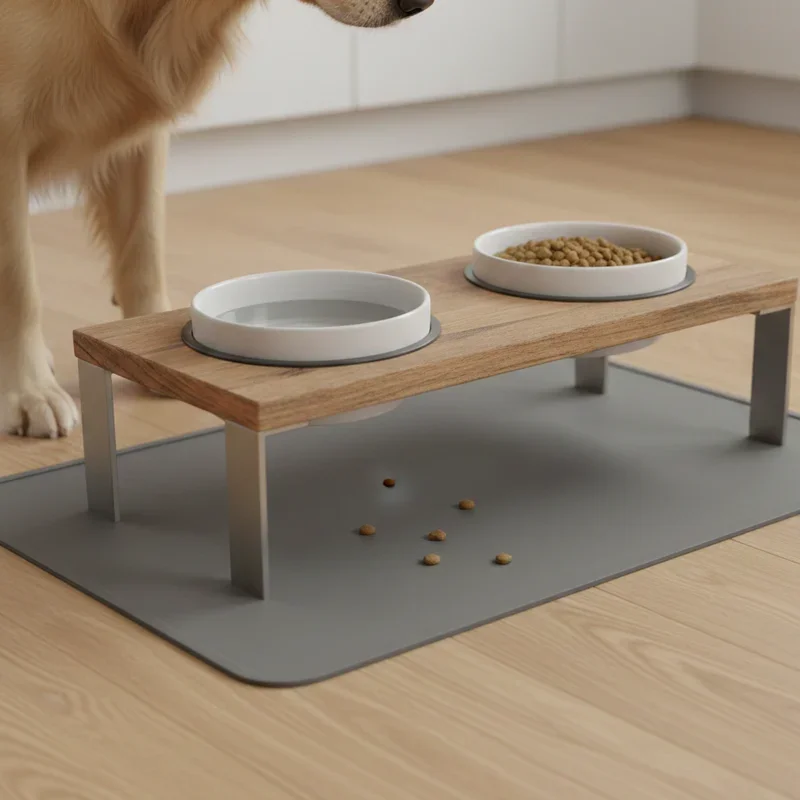
2. Built-In Cabinet Drawer Designs
Maximize kitchen efficiency through built-in feeding stations that integrate dog dining into cabinet systems, creating dedicated spaces that disappear when not in use! These clever installations position pull-out drawers holding bowls at appropriate heights while the closed cabinet conceals pet dining from view during non-meal periods. Consider incorporating feeding drawers during kitchen renovations or retrofitting existing cabinet spaces for current homes. The built-in approach eliminates floor clutter while the dedicated space establishes consistent feeding locations that dogs recognize and anticipate. These integrated solutions suit design-conscious homeowners prioritizing seamless pet accommodation within home aesthetics while the concealed format maintains kitchen appearances between meals. Professional installation ensures proper drawer mechanics while DIY approaches suit capable homeowners with cabinet modification experience.
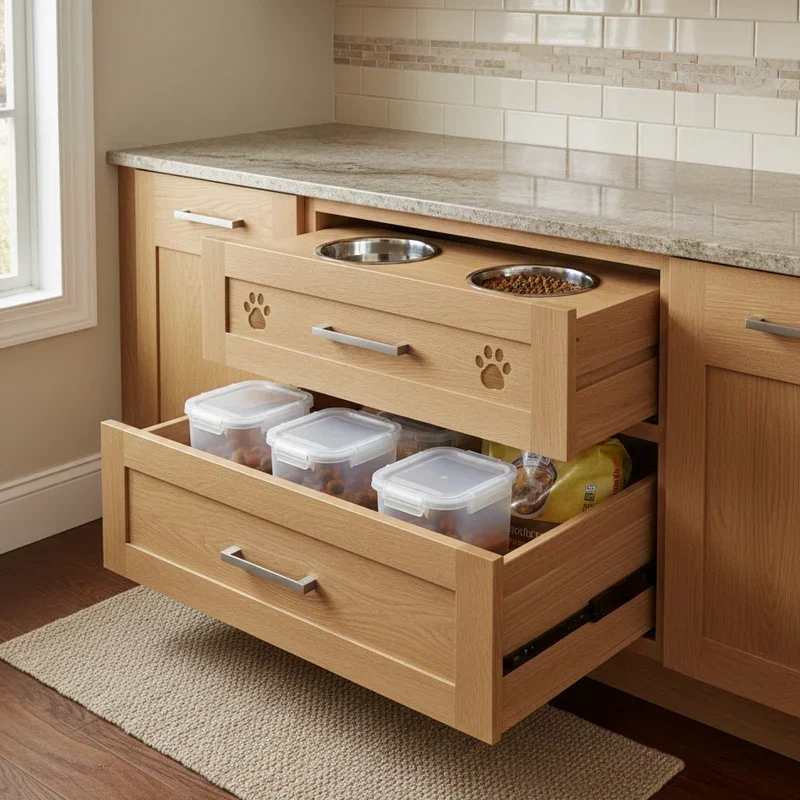
3. Wall-Mounted Space Savers
Reclaim floor space through wall-mounted feeding stations that hold bowls at appropriate heights while eliminating ground-level clutter entirely! These elevated solutions attach directly to walls, suspending bowls where dogs access them comfortably while the mounting keeps feeding areas completely clear for floor cleaning and traffic flow. Consider fold-down designs that store flat against walls between meals or permanent mounts that establish dedicated feeding zones. The wall-mounted approach particularly benefits small kitchens and tight spaces where floor-level stations create obstacles. These space-efficient solutions suit apartment dwellers and anyone prioritizing maximum floor space utilization while maintaining proper pet feeding arrangements. Position mounts at heights matching your dog's comfortable eating posture while ensuring secure wall attachment supporting bowl weights.
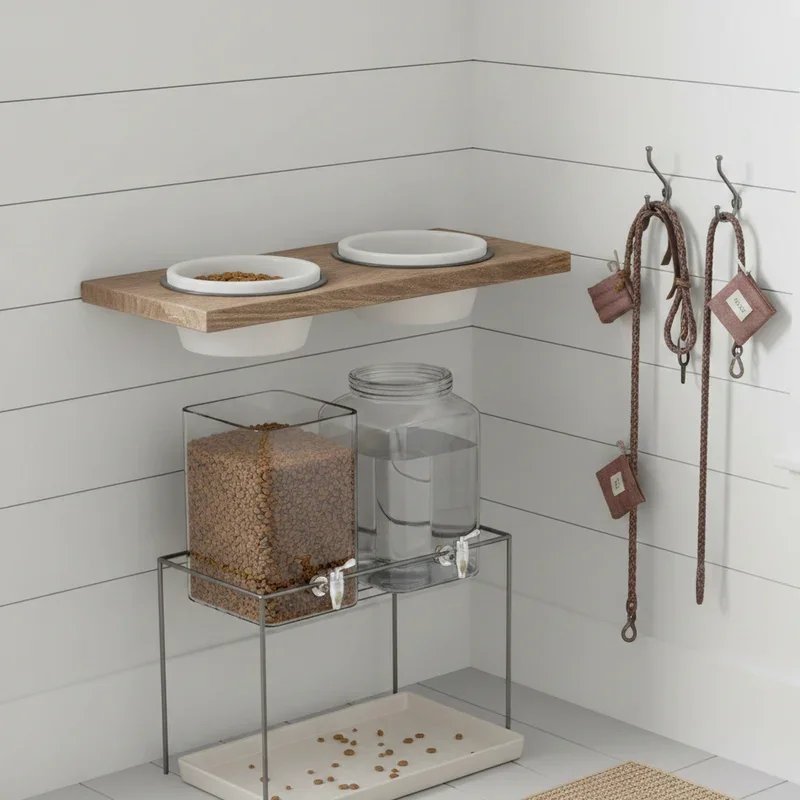
4. Rustic Farmhouse Style Feeders
Add country charm through rustic farmhouse feeding stations featuring distressed wood, vintage hardware, and weathered finishes that complement popular farmhouse aesthetics! These character-rich stations bring warmth and personality to pet dining while the substantial construction provides durability that delicate designs cannot match. Consider reclaimed wood construction for authentic rustic character while intentional distressing techniques create vintage appearances from new materials. The farmhouse aesthetic suits homes embracing country, rustic, or traditional design directions while the substantial stations become decorative elements rather than mere functional necessities. These characterful solutions demonstrate that dog feeding stations can enhance home aesthetics rather than detracting from carefully considered interior design. Position rustic feeders where their decorative contribution complements overall room design while serving practical feeding functions.
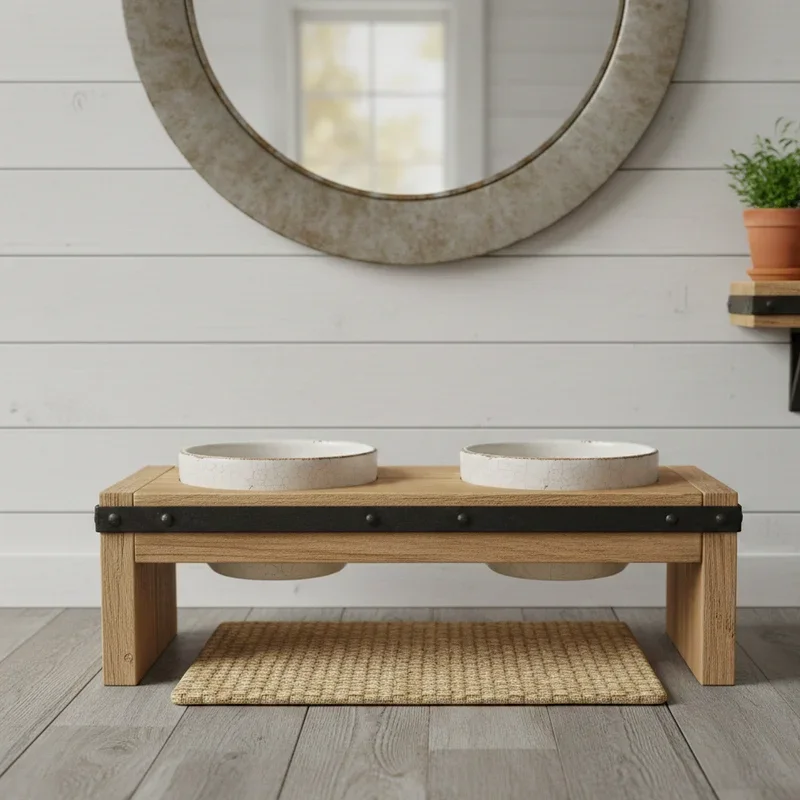
5. Modern Minimalist Designs
Embrace contemporary sophistication through minimalist feeding stations featuring clean lines, simple forms, and understated elegance that suit modern home aesthetics! These refined designs prioritize functional beauty through thoughtful proportions and quality materials rather than decorative embellishment. Consider stations in white, black, or natural wood tones that coordinate with contemporary interiors while the streamlined profiles maintain visual simplicity. The minimalist approach suits design-forward homes where every element receives aesthetic consideration while the uncluttered appearances prevent pet accessories from contradicting carefully curated interior design. These sophisticated solutions demonstrate that pet feeding stations can achieve furniture-quality design standards while serving essential practical purposes. Position minimalist feeders where their refined aesthetics contribute positively to room design rather than appearing as afterthought additions.
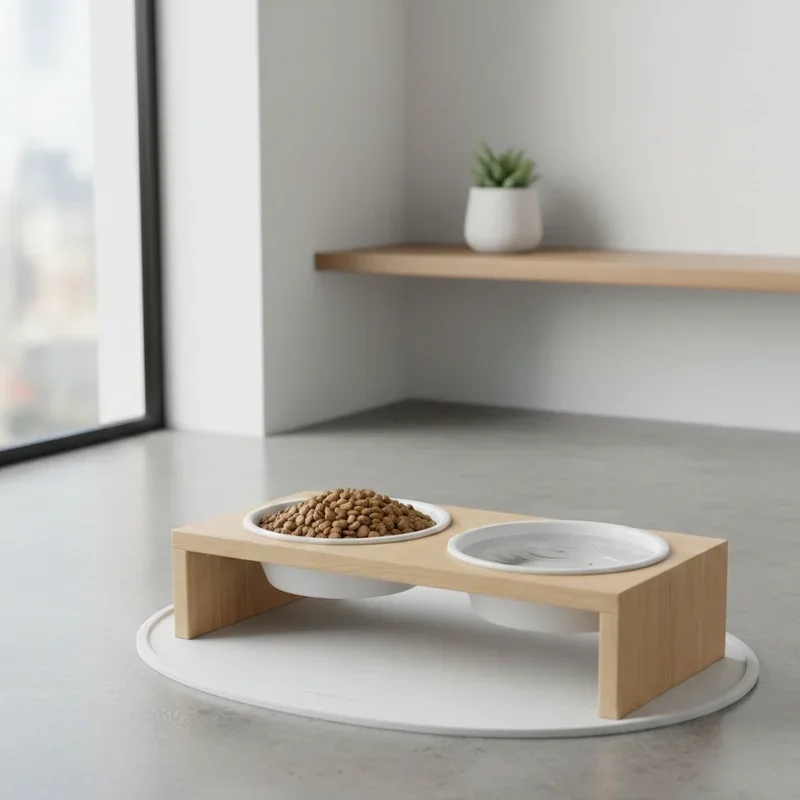
6. DIY Pallet Wood Projects
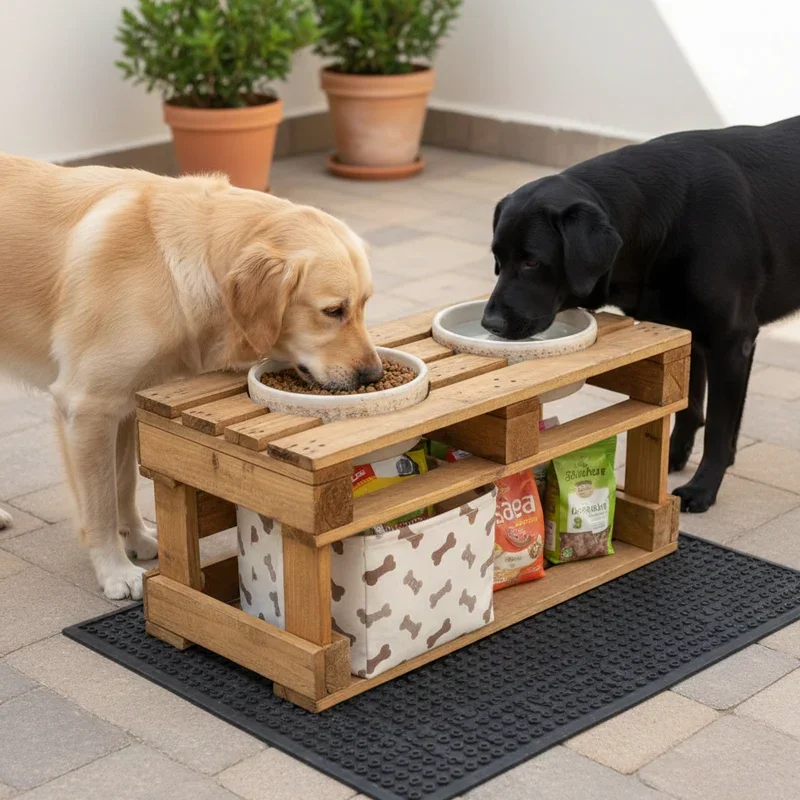
Create budget-friendly feeding stations through DIY pallet projects that transform free materials into personalized pet dining furniture! These satisfying craft projects enable customizing stations to exact size requirements while the reclaimed wood aesthetic suits casual, rustic, or eclectic home styles. Consider weatherproofing treatments for outdoor feeding stations while interior applications may embrace natural wood characteristics. The DIY approach delivers personalized solutions at minimal material cost while the construction process provides creative satisfaction that purchased stations cannot offer. Pallet feeding stations suit handy pet owners whose building skills enable transforming salvaged materials into functional furniture while the rustic results complement casual home environments. Position DIY creations where their handmade character enhances rather than contradicts overall design direction while functional placement supports practical feeding routines.
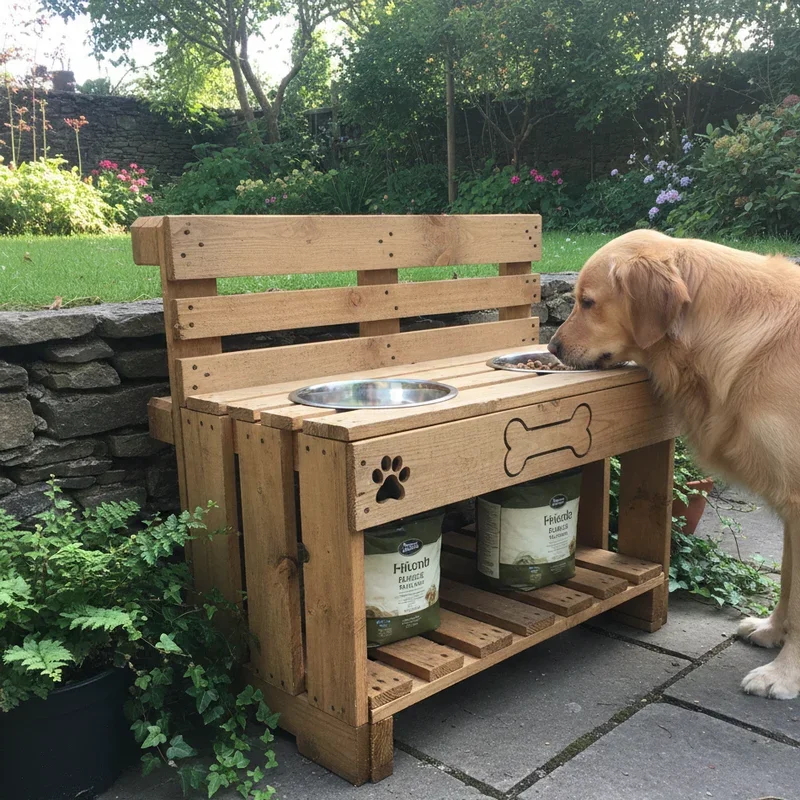
7. Industrial Pipe Frame Stations
Channel urban warehouse aesthetics through industrial pipe frame feeding stations featuring metal plumbing fixtures supporting wooden platforms! These striking designs combine raw metal character with functional durability while the industrial aesthetic suits loft apartments, converted spaces, and homes embracing urban design vocabulary. Consider black iron, galvanized steel, or copper pipe depending on desired aesthetic direction while wooden platform materials coordinate with existing furniture. The substantial construction withstands enthusiastic eaters while the elevated design supports proper eating posture. These statement pieces demonstrate that feeding stations can make design contributions rather than merely serving functional purposes while the durable construction provides years of reliable service. Position industrial stations where their bold aesthetic complements overall room design while the sturdy construction handles daily feeding demands.
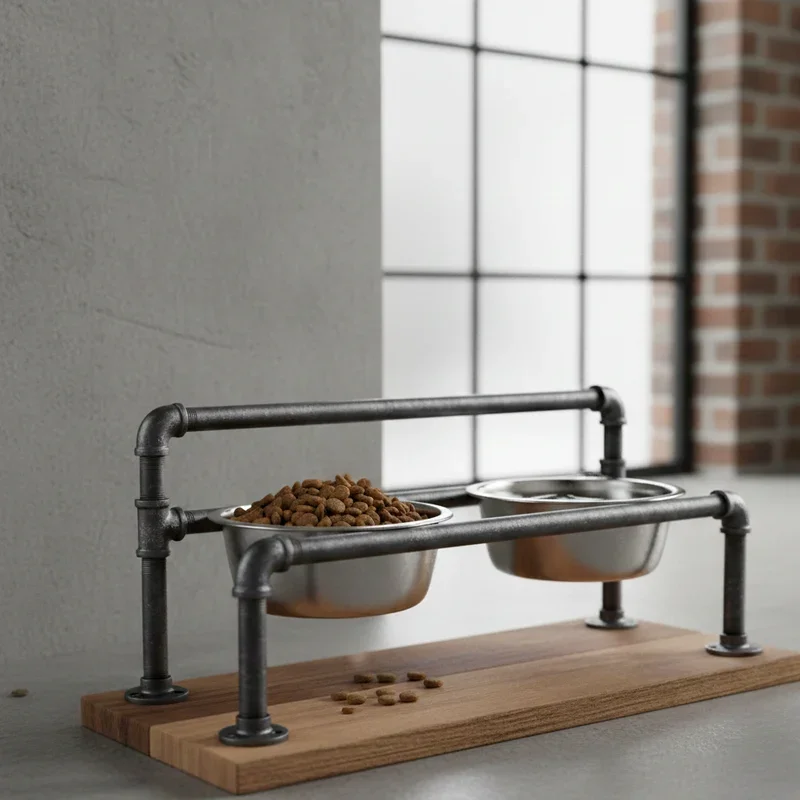
8. Slow Feeder Integration Ideas
Support healthy eating habits through feeding stations incorporating slow feeder bowls that prevent dangerous rapid consumption! These thoughtful designs address the common problem of dogs eating too quickly, which can cause digestive issues, bloating, and potentially life-threatening conditions in susceptible breeds. Consider stations with removable slow feeder inserts enabling switching between regular and slow feeding depending on meal types and circumstances. The integrated approach provides slow feeding benefits within attractive station frameworks rather than standalone bowls sitting randomly on floors. These health-focused solutions suit fast-eating dogs whose consumption speed creates genuine health concerns while the station format maintains aesthetic standards alongside functional benefits. Position slow feeder stations where calm eating environments support the intended pace reduction.
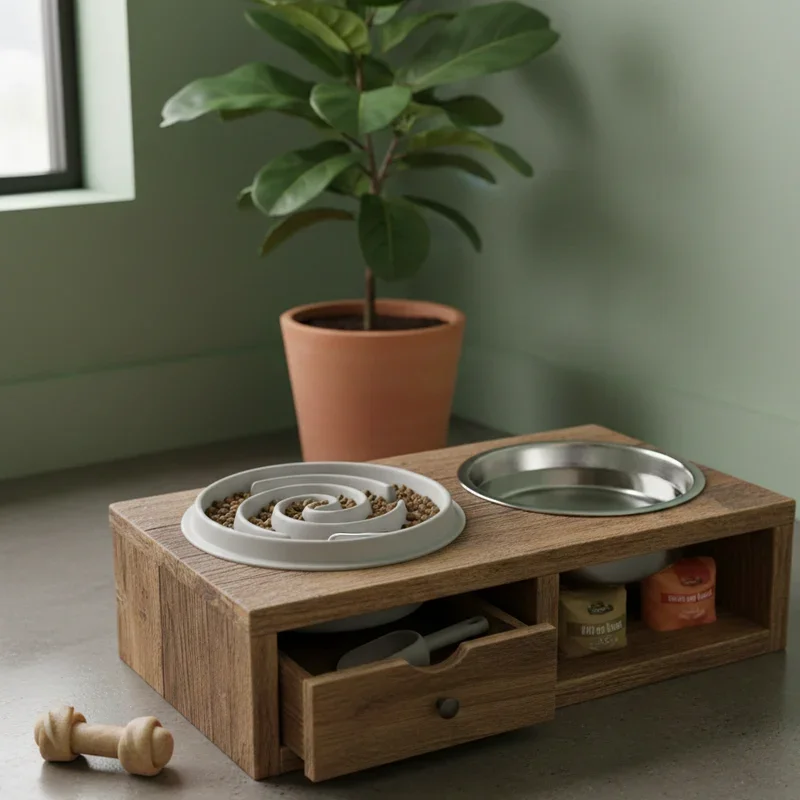
9. Storage Combination Solutions
Maximize convenience through feeding stations incorporating food storage that keeps supplies accessible while maintaining organized appearances! These comprehensive solutions combine bowl holders with compartments, drawers, or containers holding kibble, treats, and feeding accessories within unified furniture pieces. Consider stations with sealed storage preventing pest access while the combined format eliminates separate food storage cluttering pantries or counters. The all-in-one approach streamlines feeding routines while the organized storage maintains supply freshness and accessibility. These practical solutions suit busy households where feeding convenience matters while the consolidated storage reduces kitchen clutter from scattered pet supply accumulation. Position combination stations where storage access supports efficient feeding routines while the furniture presence complements room design.
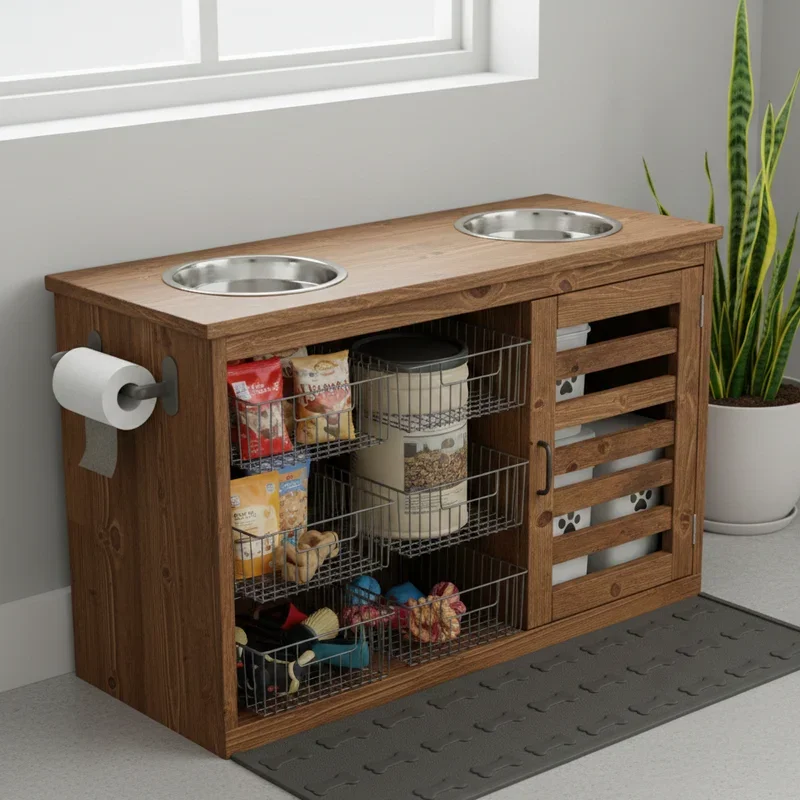
10. Outdoor Weather-Resistant Stations
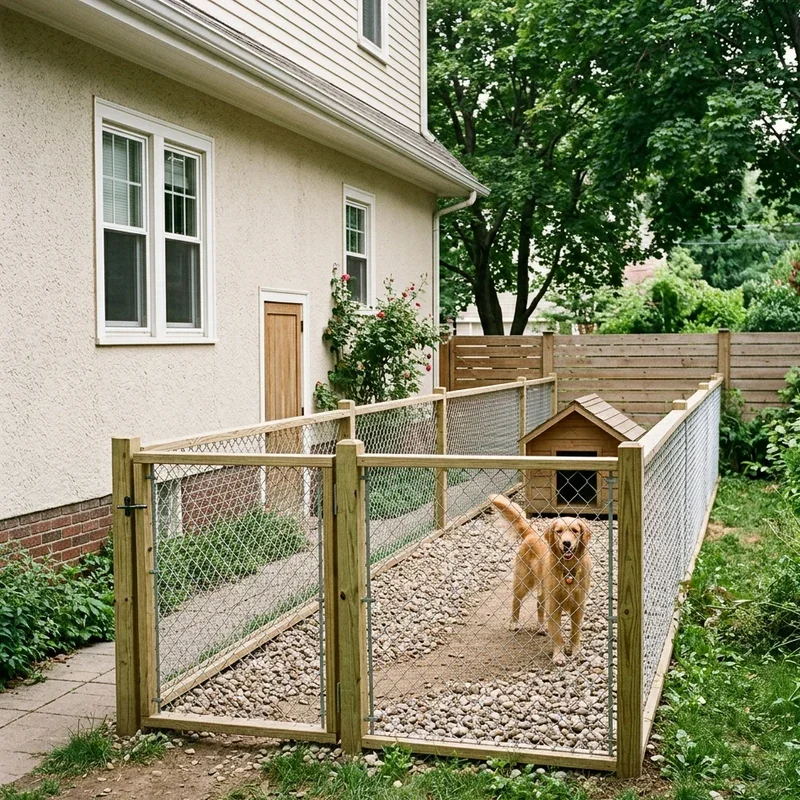
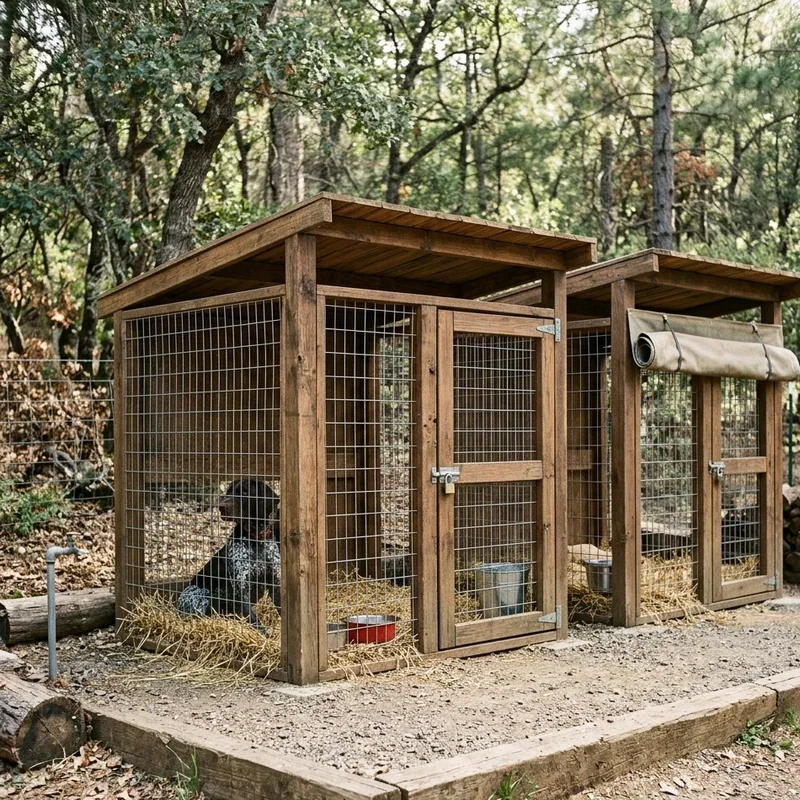
Enable comfortable outdoor dining through weather-resistant feeding stations designed specifically for patio, deck, and yard placement! These durable solutions withstand sun exposure, rain, temperature variations, and outdoor conditions that would destroy interior-focused designs. Consider materials including sealed wood, marine-grade plastics, stainless steel, and concrete that handle outdoor exposure while weighted bases prevent wind displacement. The outdoor placement suits dogs spending significant time outside while the weather-resistant construction ensures reliable service despite environmental challenges. These practical solutions address dogs whose primary living spaces include outdoor areas requiring permanent feeding station placement. Position outdoor stations in sheltered locations where protection from direct elements extends service life while accessible placement supports convenient feeding routines.
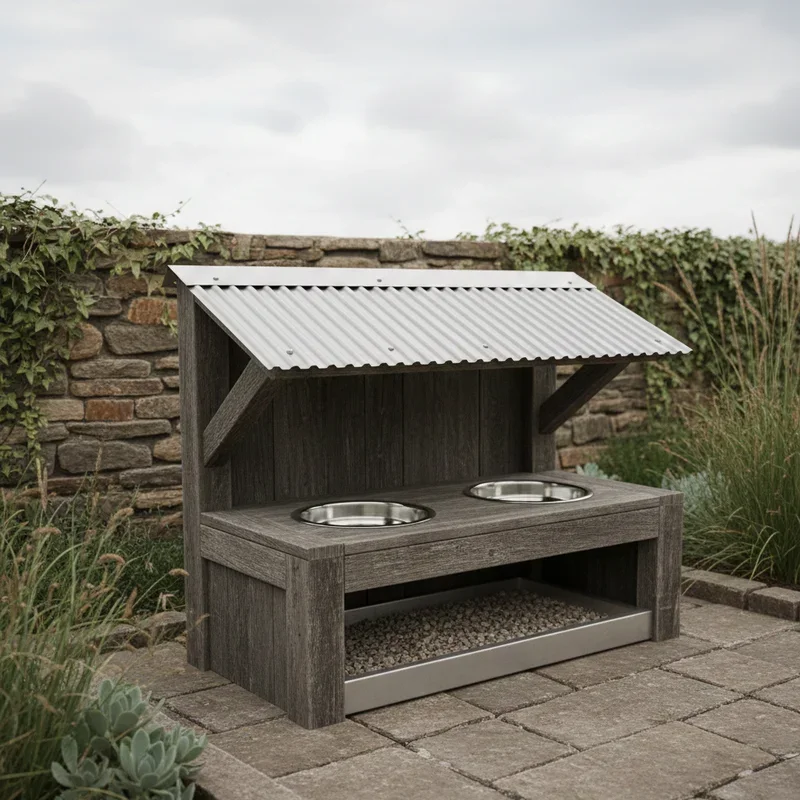
11. Multi-Dog Feeding Arrangements
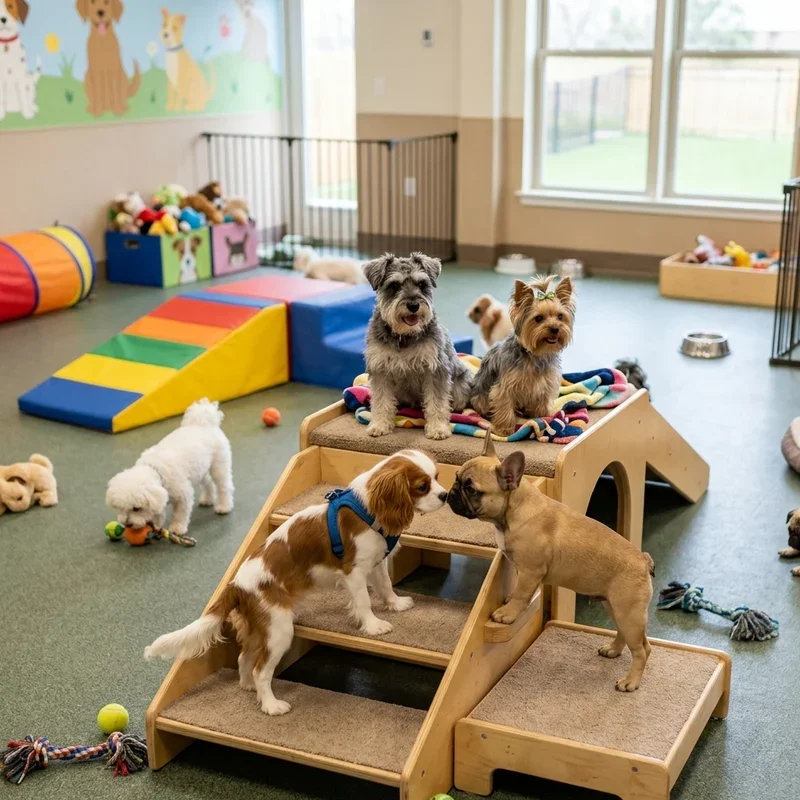
Address multiple pet households through feeding stations accommodating several dogs simultaneously while maintaining separation that prevents food guarding and competition! These thoughtful designs provide individual eating spaces within unified station frameworks, enabling household dogs to eat nearby without conflict. Consider stations with dividers creating visual separation or spaced bowl positions enabling comfortable distance between eating dogs. The multi-dog approach recognizes that many households include multiple pets whose feeding arrangements require consideration beyond single-dog solutions. These practical stations suit families whose canine populations demand organized feeding systems while the unified design maintains aesthetic coherence that separate individual stations cannot achieve. Position multi-dog stations in spaces accommodating all dogs simultaneously while separation features reduce mealtime tension.
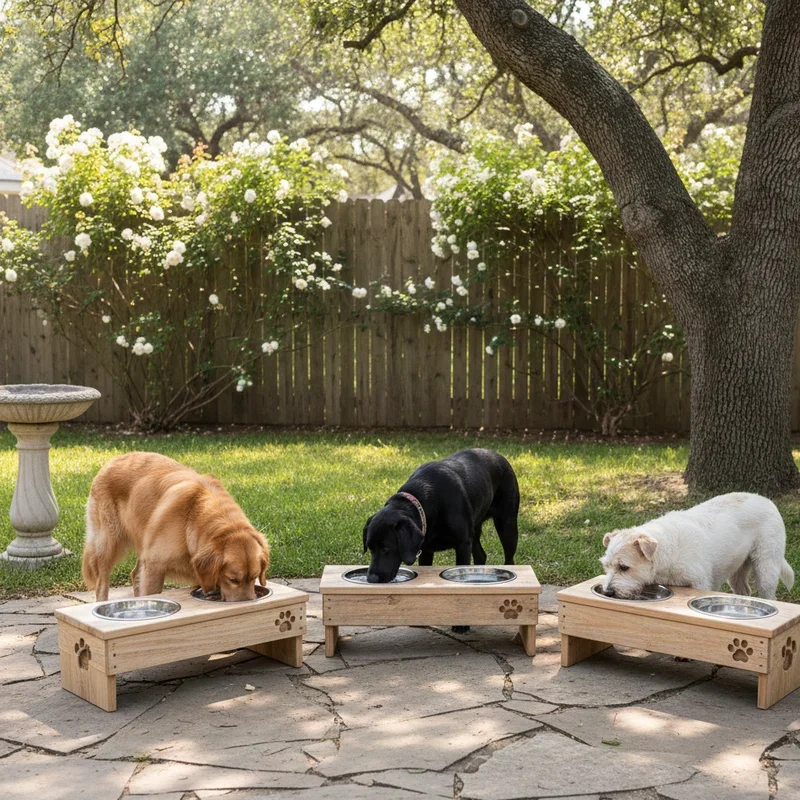
12. Adjustable Height Options
Accommodate growing puppies and multiple dog sizes through adjustable feeding stations enabling height modifications matching current needs! These versatile designs feature mechanisms that raise or lower bowl positions without requiring station replacement as circumstances change. Consider adjustable stations for households with dogs of different sizes or puppies whose appropriate feeding heights evolve as they grow. The adjustable approach provides long-term value through adaptability that fixed-height stations cannot offer while the single investment serves varying needs over time. These practical solutions suit families anticipating changing requirements while the versatility justifies investment over cheaper fixed alternatives. Position adjustable stations where height modification access remains convenient while current settings support proper eating posture for current dogs.
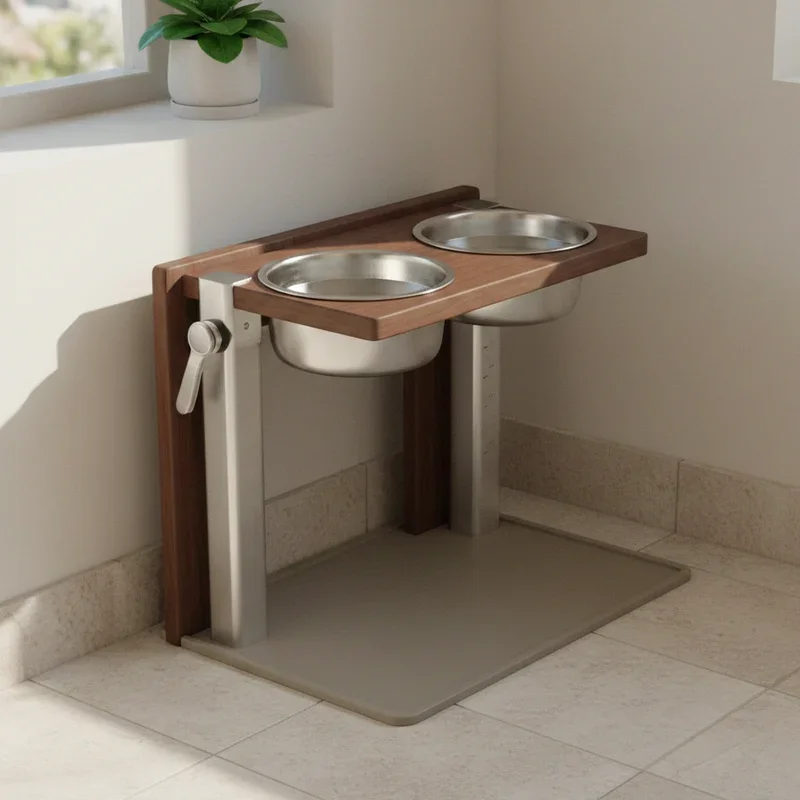
13. Mess-Containment Mat Systems
Protect floors through feeding stations incorporating mess-containment mats that catch spills, drips, and scattered kibble before they damage surfaces! These practical designs feature raised edges, absorbent materials, or contained platforms that prevent the floor damage messy eaters create. Consider waterproof mat materials that simplify cleaning while the contained format limits mess spread beyond defined feeding areas. The mess-containment approach protects flooring investments while reducing cleaning frequency that uncontained feeding demands. These protective solutions suit messy eaters whose dining habits would otherwise damage floors while the defined boundaries train dogs to keep eating within designated areas. Position mess-containment stations on surfaces vulnerable to water damage while the contained format simplifies cleaning regardless of placement.
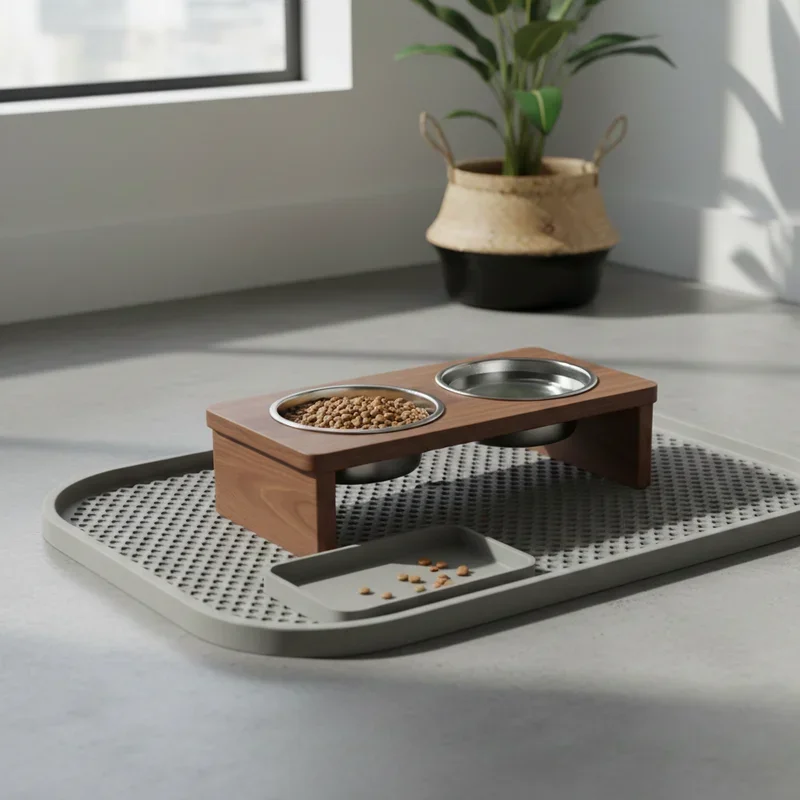
14. Furniture-Style Hidden Feeders
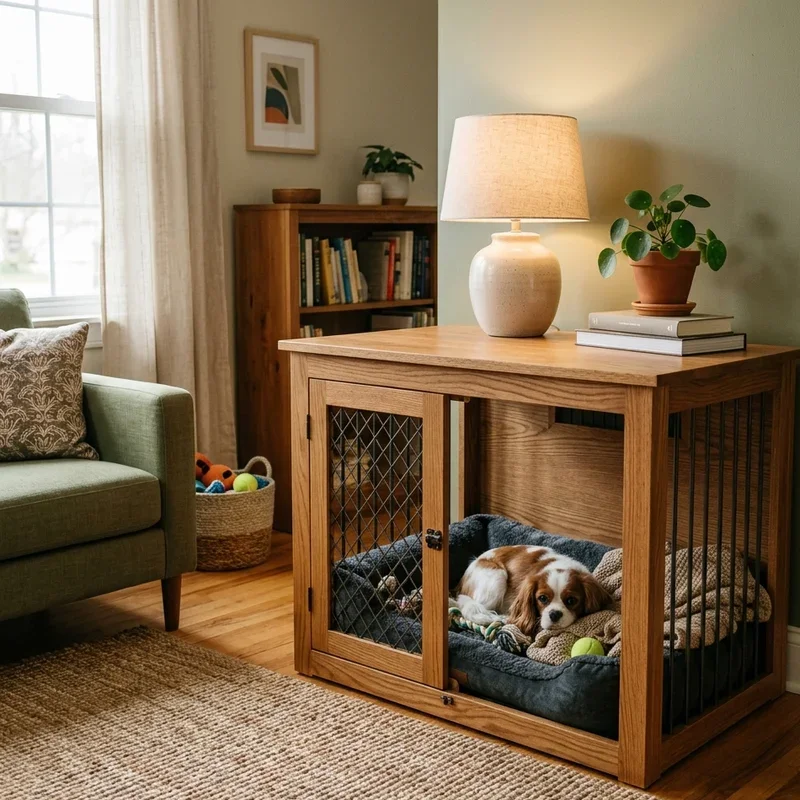
Disguise pet dining through furniture-style stations that appear as end tables, cabinets, or decorative furniture while concealing feeding functionality within! These clever designs enable maintaining sophisticated interiors without visible pet bowls betraying the presence of four-legged family members. Consider pieces matching existing furniture styles for seamless integration while the hidden format maintains design coherence throughout rooms. The concealed approach suits design-conscious homeowners whose aesthetic priorities extend to pet accommodation while the furniture functionality adds value beyond mere feeding purposes. These sophisticated solutions demonstrate that pet ownership need not compromise interior design standards while the dual-purpose format maximizes furniture value. Position furniture feeders where their decorative contribution enhances room design while hidden feeding functions remain conveniently accessible.
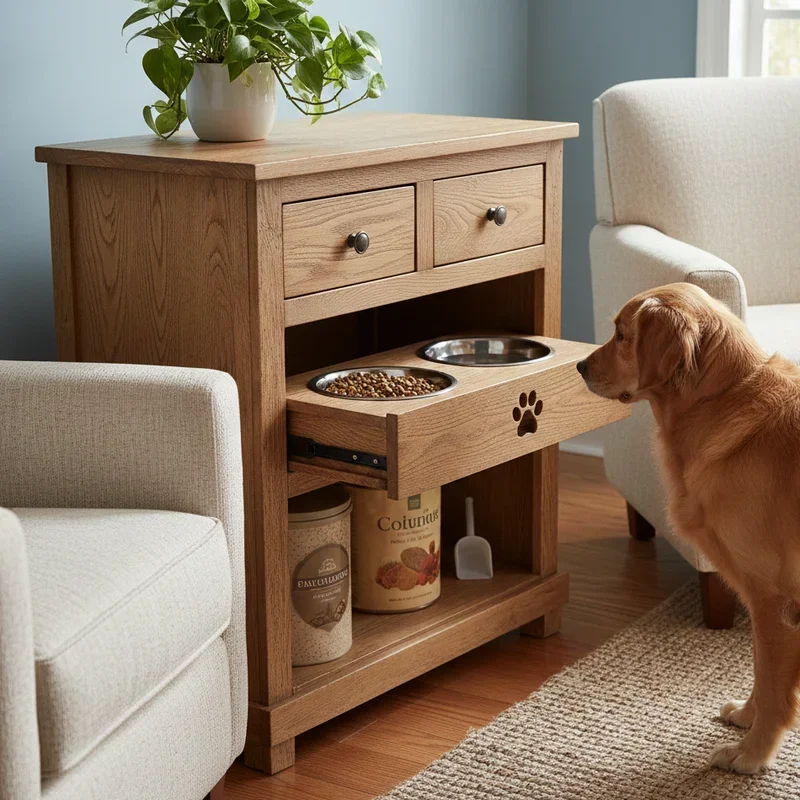
15. Personalized Custom Creations
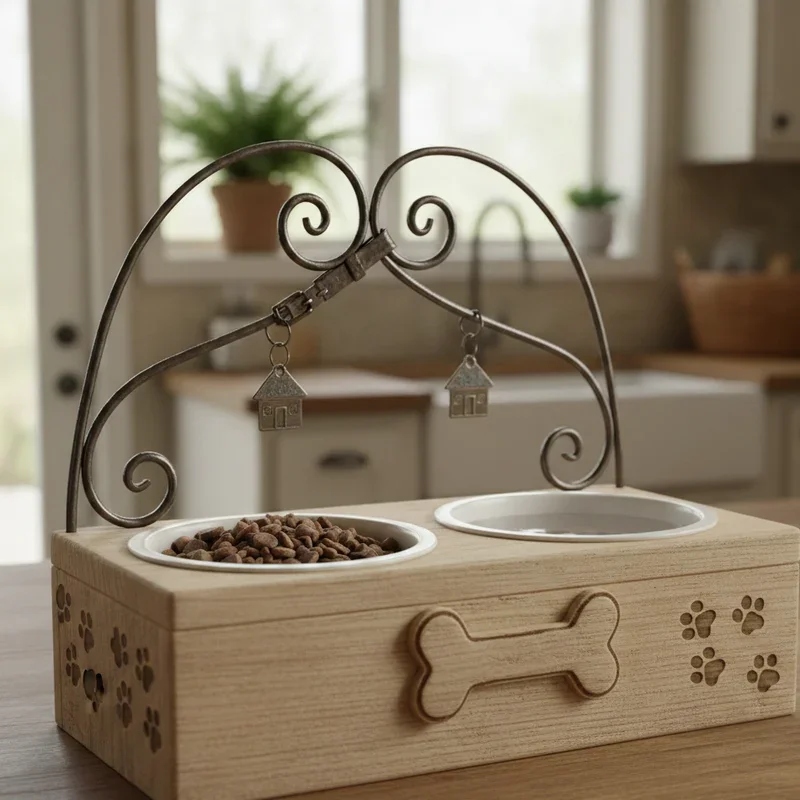
Express individual style through personalized feeding stations featuring custom names, colors, designs, and details reflecting your unique dog and home! These one-of-a-kind creations enable complete customization that mass-produced options cannot provide while the personalized elements celebrate individual pets meaningfully. Consider commissioning local craftspeople for truly unique pieces or applying DIY personalization to purchased stations. The custom approach delivers exact specifications matching particular requirements while the personalized details add sentimental value that generic stations lack. These special creations suit owners whose dogs deserve individualized accommodation while the custom format enables addressing unusual requirements standard products cannot satisfy. Position personalized stations where their custom details receive appropriate appreciation while functional placement supports practical feeding routines.
Conclusion
Dog feeding stations transform daily pet meals from messy floor events into organized experiences that benefit dogs, homes, and owners alike. From elevated platforms supporting better digestion to hidden furniture maintaining design aesthetics, these ideas address every practical need and style preference. The investment in proper feeding stations returns through healthier eating postures, cleaner floors, and spaces where pet accommodation enhances rather than compromises home design. Whether seeking simple elevated bowls or elaborate custom creations, feeding stations reward attention through transformed mealtime experiences. Now assess your dog's dining situation and start planning the feeding station upgrade your furry friend deserves!
Read next: 15 Dog Room Ideas Your Pup Will Absolutely Love
Frequently Asked Questions
Q1: What height should an elevated dog feeder be?
A: Bowl height should match your dog's lower chest level, allowing comfortable eating without excessive bending.
Q2: Are elevated feeders better for dogs?
A: Elevated feeders benefit most dogs, especially large breeds and seniors, though some studies suggest caution with bloat-prone breeds.
Q3: How do I keep my dog's feeding station clean?
A: Wash bowls daily, wipe stations weekly, and use mess-containment mats to simplify cleaning routines effectively.
Q4: What materials work best for dog feeding stations?
A: Sealed wood, stainless steel, and quality plastics offer durability; stainless steel bowls remain the most hygienic choice.
Q5: Can I make a dog feeding station myself?
A: Yes, DIY feeding stations using pallets, pipes, or simple woodworking create personalized solutions at budget-friendly costs.
Stay up to date with our latest ideas!