15 Outdoor Rabbit Enclosure Ideas for Safe Backyard Living
Discover 15 outdoor rabbit enclosure ideas to keep your bunny safe and happy in your backyard. Creative hutches and runs for every space.
Have you ever watched your rabbit hop around indoors and wondered if they dream of feeling real grass beneath their paws? You are not alone in this thought. Thousands of rabbit owners are discovering the joy of giving their fluffy companions access to the great outdoors. But here is the catch: the outside world can be a dangerous jungle for your precious bunny. Predators lurk in shadows, weather conditions change unpredictably, and escape artists among rabbits can find the tiniest gaps. That is exactly why choosing the right outdoor enclosure becomes absolutely crucial for your pet's safety and happiness. In this comprehensive guide, we will explore fifteen fantastic outdoor rabbit enclosure ideas that transform your backyard into a bunny paradise.
1. Traditional Wooden Hutch with Attached Run
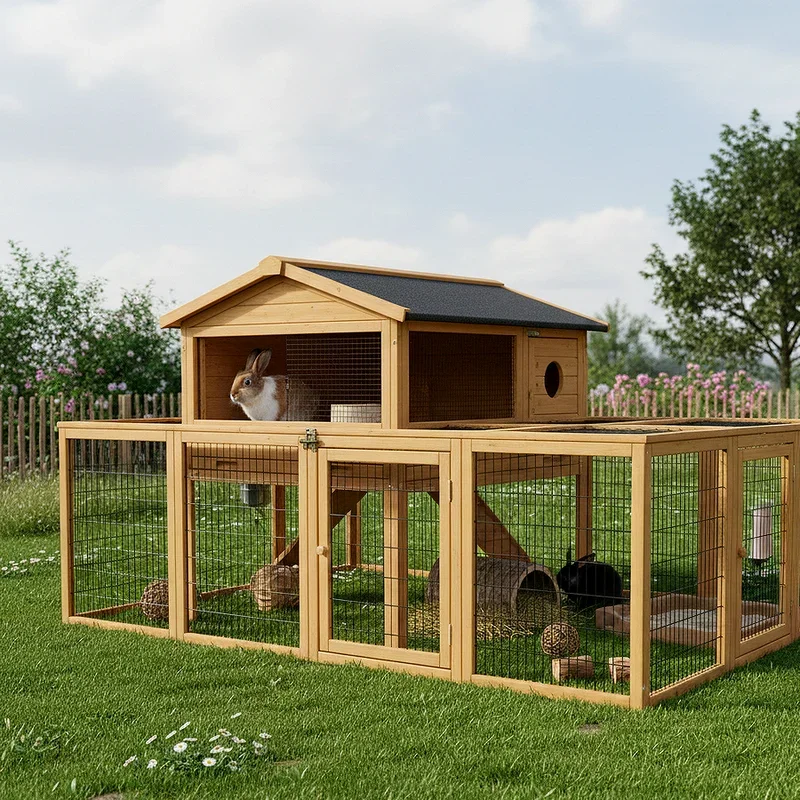
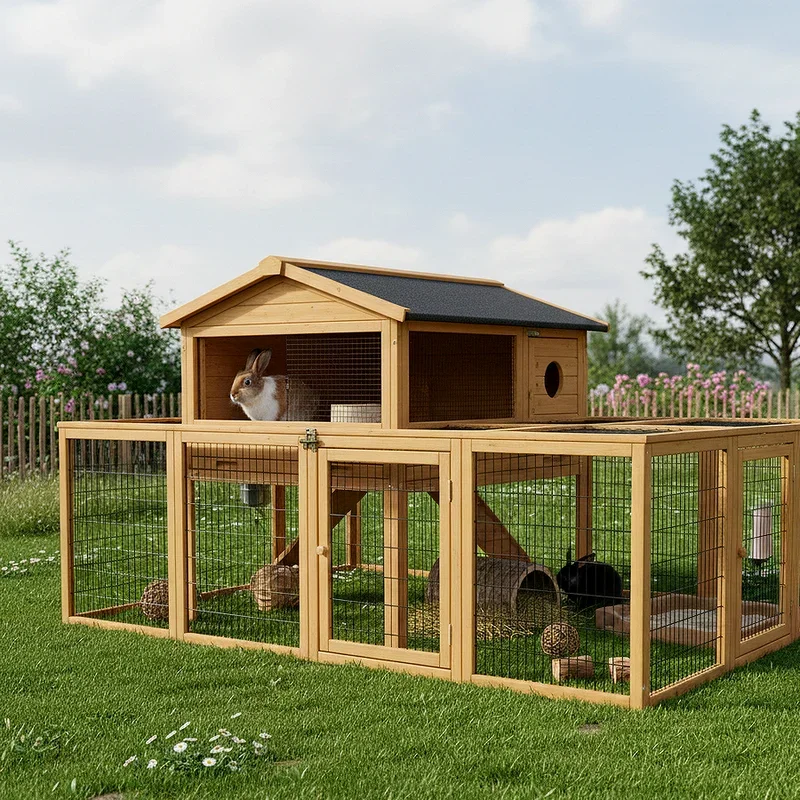
The classic wooden hutch remains a timeless favorite among rabbit owners for very good reasons. This design combines a cozy sleeping area with an attached exercise run, giving your bunny the best of both worlds. Think of it as a studio apartment with a private backyard for your furry tenant. The wooden construction provides excellent insulation against temperature extremes while the wire mesh run allows fresh air circulation and natural sunlight exposure. You can position the enclosed section for shade during hot summer days and protection during rainy weather. Most traditional hutches feature a raised design that keeps your rabbit safe from ground moisture and provides easier cleaning access for you. Adding a ramp between levels encourages exercise and mental stimulation throughout the day.
2. Predator Proof Wire Mesh Enclosure
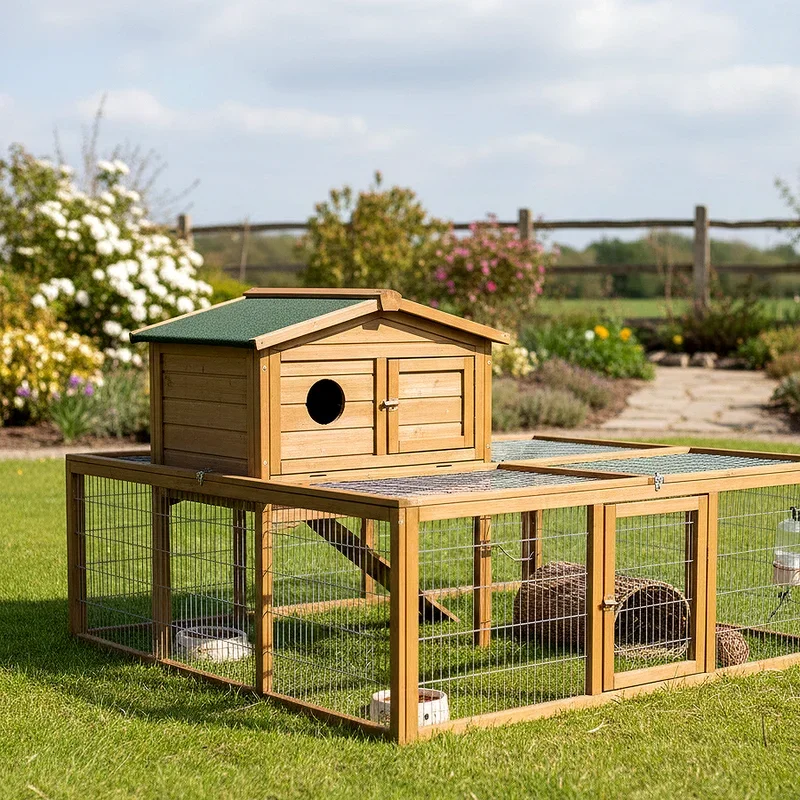
Nothing keeps rabbit owners awake at night quite like worrying about predators. A predator proof wire mesh enclosure acts like a fortress for your beloved bunny. This design uses heavy gauge welded wire with small openings that prevent foxes, raccoons, and neighborhood cats from reaching your pet. The key lies in burying the wire at least twelve inches underground to stop determined diggers from tunneling underneath. You should also install a secure roof because birds of prey pose serious threats to outdoor rabbits. Double lock mechanisms on all doors add another layer of security against clever predators. Many owners reinforce corners and joints where predators typically try to force entry. This enclosure type gives you peace of mind while your rabbit enjoys outdoor freedom safely.
3. Portable Rabbit Tractor Design
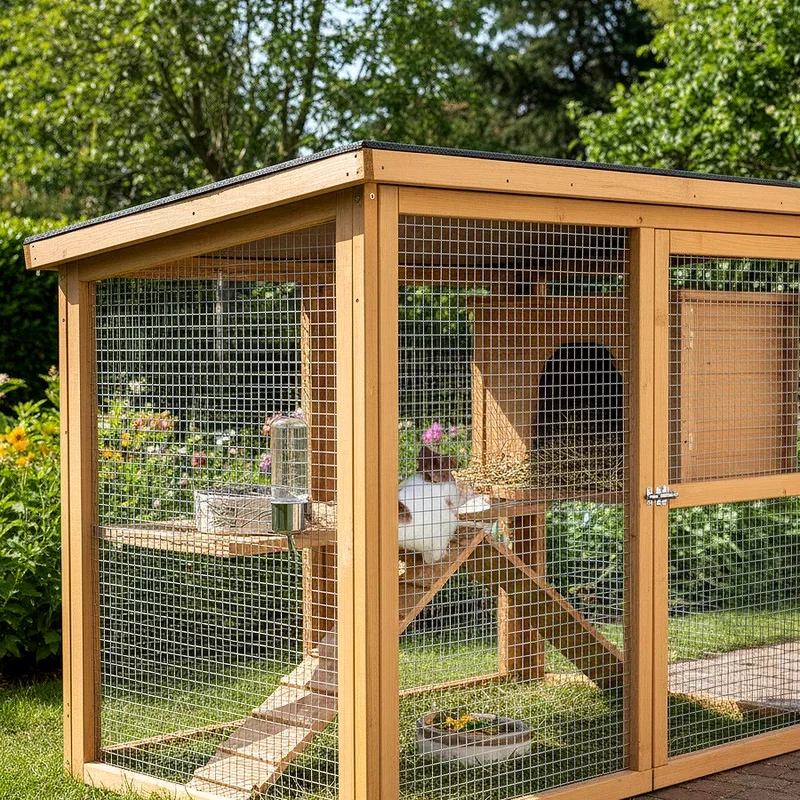
Imagine giving your rabbit fresh grass every single day without any permanent installation in your yard. A rabbit tractor makes this dream come true through its ingenious portable design. This bottomless enclosure sits directly on grass and moves easily to new locations whenever the current patch gets nibbled down. Your bunny essentially becomes a natural lawn mower while enjoying the freshest possible grazing experience. The lightweight frame typically uses wood or PVC pipe construction with wire mesh sides for ventilation and visibility. Handles or wheels make relocation effortless for daily or weekly moves across your lawn. This approach prevents grass from dying in one spot while ensuring your rabbit always has access to chemical free vegetation. It works especially well for rabbit owners who want flexibility without permanent structures.
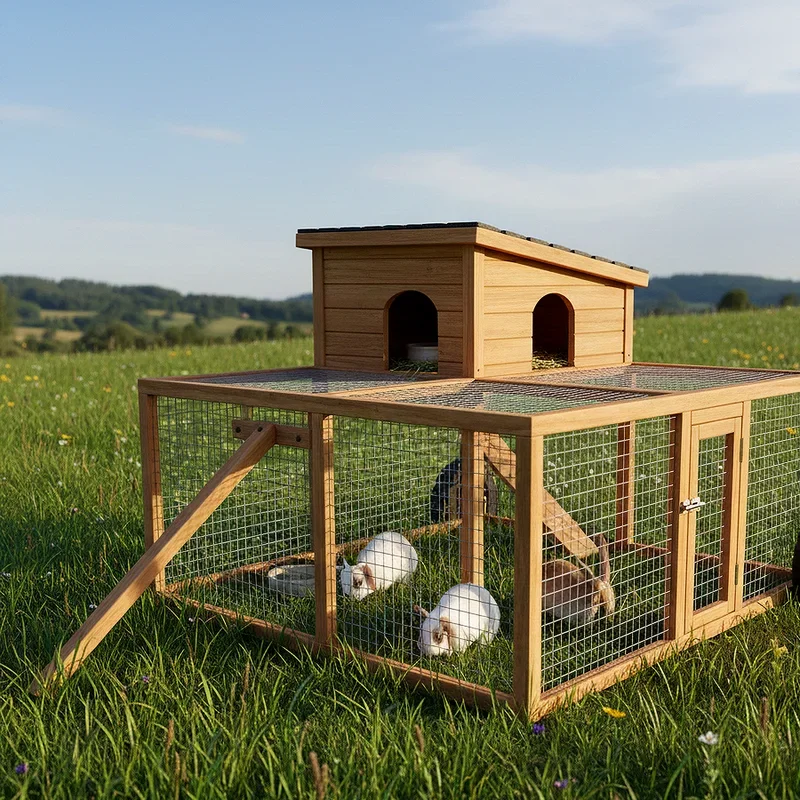
4. Multi Level Playhouse Structure
Rabbits naturally love to climb, jump, and explore different heights in their environment. A multi level playhouse structure satisfies these instincts while maximizing your available ground space. Picture a bunny apartment building with ramps connecting various platforms, hiding spots, and observation decks. Each level offers different experiences from ground level digging areas to elevated sunbathing platforms. You can incorporate tunnels between levels that mimic natural burrow systems rabbits would create in the wild. Windows and openings throughout the structure provide ventilation while allowing your rabbit to observe their surroundings from multiple vantage points. This design works particularly well for multiple rabbits who appreciate having separate spaces while still living together. The vertical design turns a small footprint into extensive living space for active bunnies.
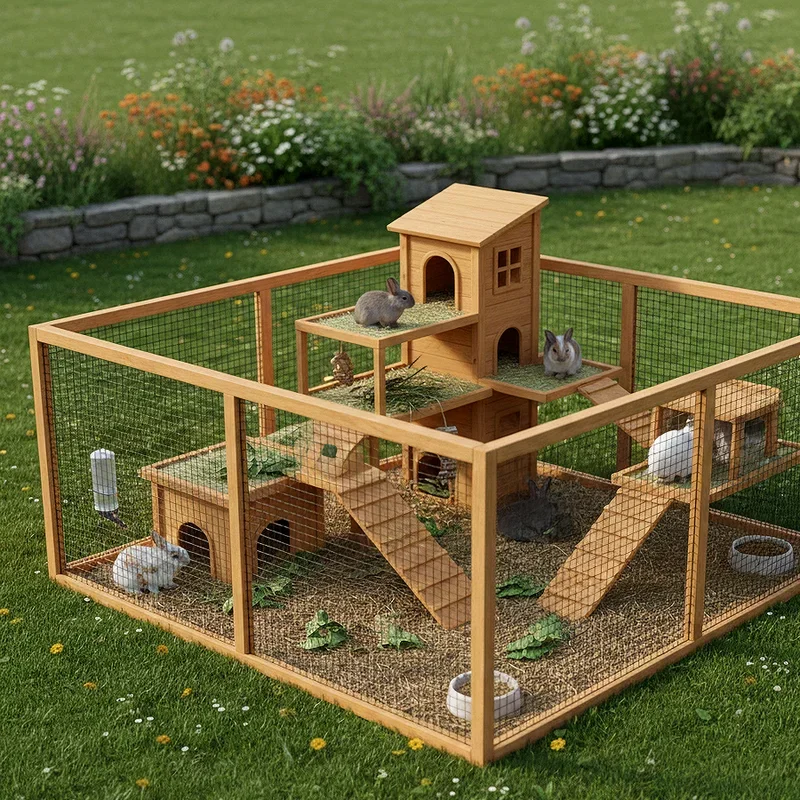
5. Converted Garden Shed Habitat
Why build from scratch when you can transform an existing garden shed into rabbit paradise? Converting a shed offers substantial living space with solid walls that provide excellent weather protection year round. The existing structure already handles rain, wind, and extreme temperatures better than most purpose built enclosures. You simply need to add proper ventilation, bunny proof the interior, and attach an outdoor run area. Many shed conversions include windows for natural light and doors large enough for easy cleaning access. The interior space allows room for litter boxes, feeding stations, hiding houses, and play equipment. Climate control becomes easier with electrical hookups for fans or heaters when needed. This option particularly appeals to owners who want their rabbits living in genuine comfort regardless of outside weather conditions.
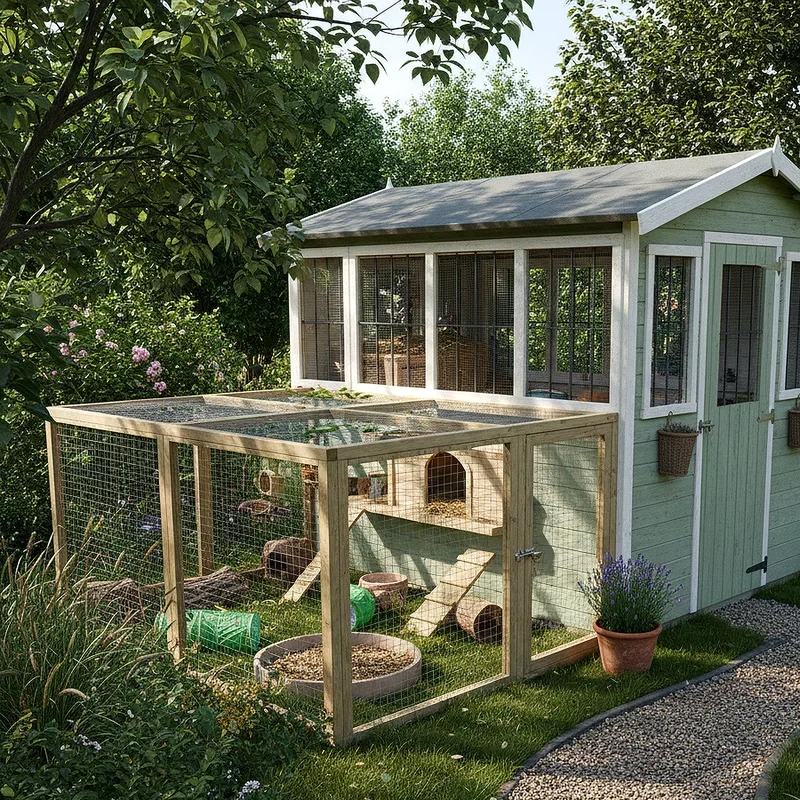
6. Underground Warren Style Enclosure
Nothing speaks to a rabbit's natural instincts quite like an underground warren design. This creative approach incorporates buried pipes and tunnels that connect to above ground enclosure areas. Your bunny can dig, explore, and hide just like their wild ancestors did for thousands of years. The underground sections maintain stable temperatures that stay cool in summer and warmer in winter naturally. Concrete or plastic pipes work well for creating these tunnel systems safely without collapse risks. Above ground portions provide sunlight, fresh air, and space for exercise and socialization. Observation hatches let you check on your rabbit while they enjoy their subterranean adventures. This design requires more initial effort but creates an incredibly enriching environment that keeps rabbits mentally stimulated and physically active throughout their lives.
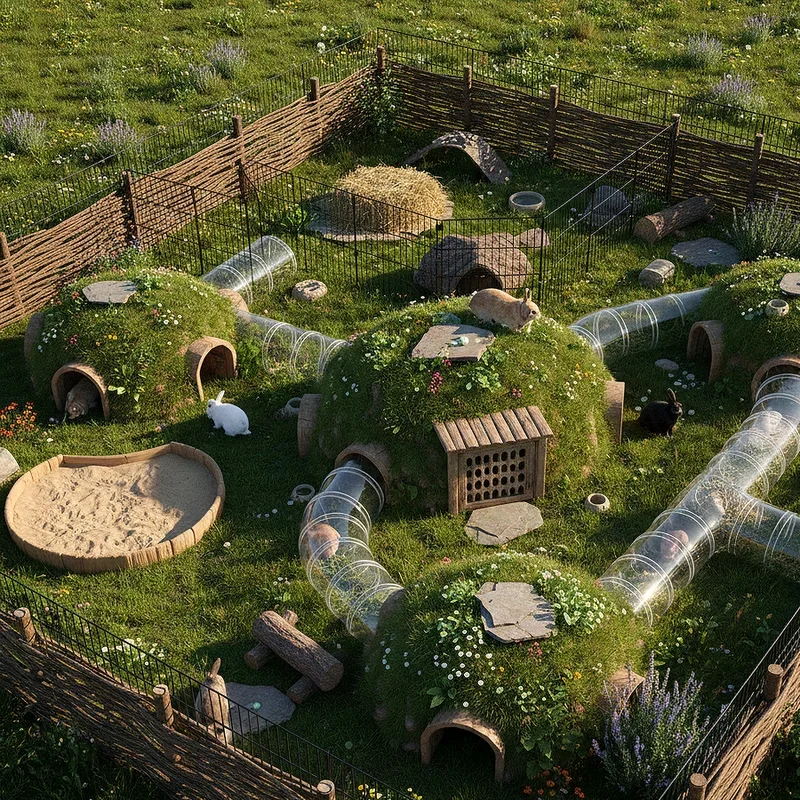
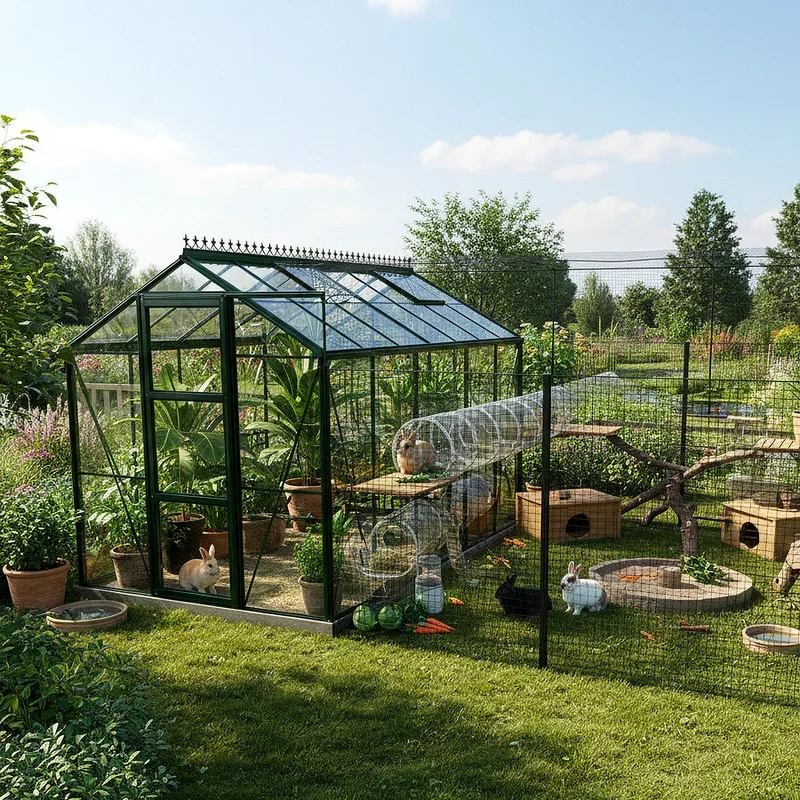
7. Greenhouse Rabbit Sanctuary
A greenhouse conversion creates a bright, warm sanctuary where your rabbit can enjoy outdoor living even during colder months. The transparent walls flood the space with natural sunlight that rabbits absolutely adore for basking. Temperature regulation happens naturally as the greenhouse effect traps warmth during cooler days while ventilation panels prevent overheating in summer. You can grow rabbit safe plants directly inside for fresh snacking opportunities and natural enrichment. The enclosed nature keeps predators out while allowing your bunny full view of the outside world. Many greenhouse sanctuaries connect to outdoor runs for warm weather adventures beyond the glass walls. This option works wonderfully in climates with harsh winters where outdoor time would otherwise be limited. Your rabbit essentially gets a four season sunroom designed specifically for their enjoyment.
8. Modular Panel System Setup
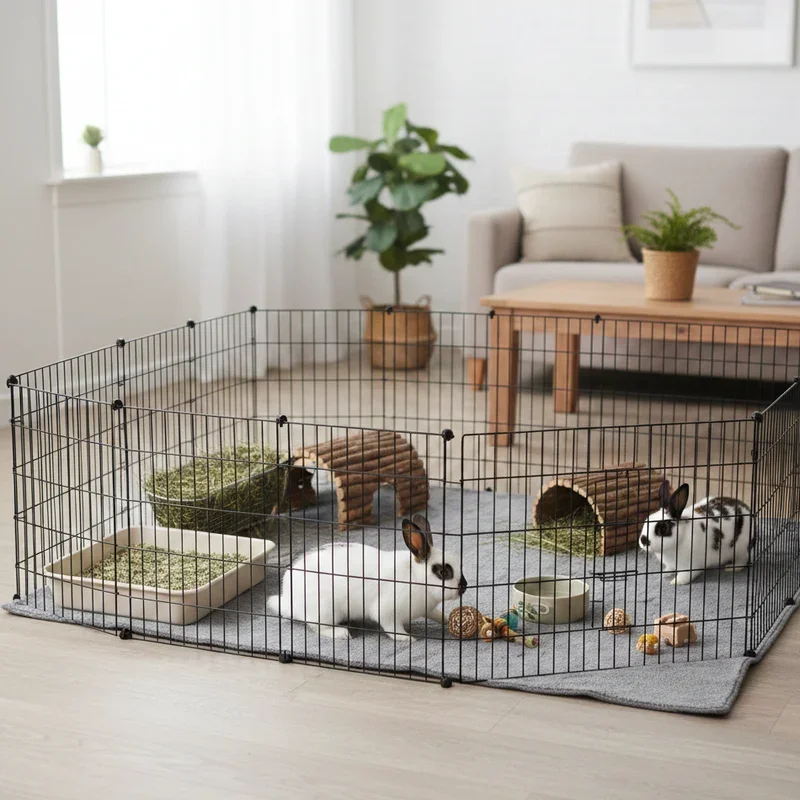
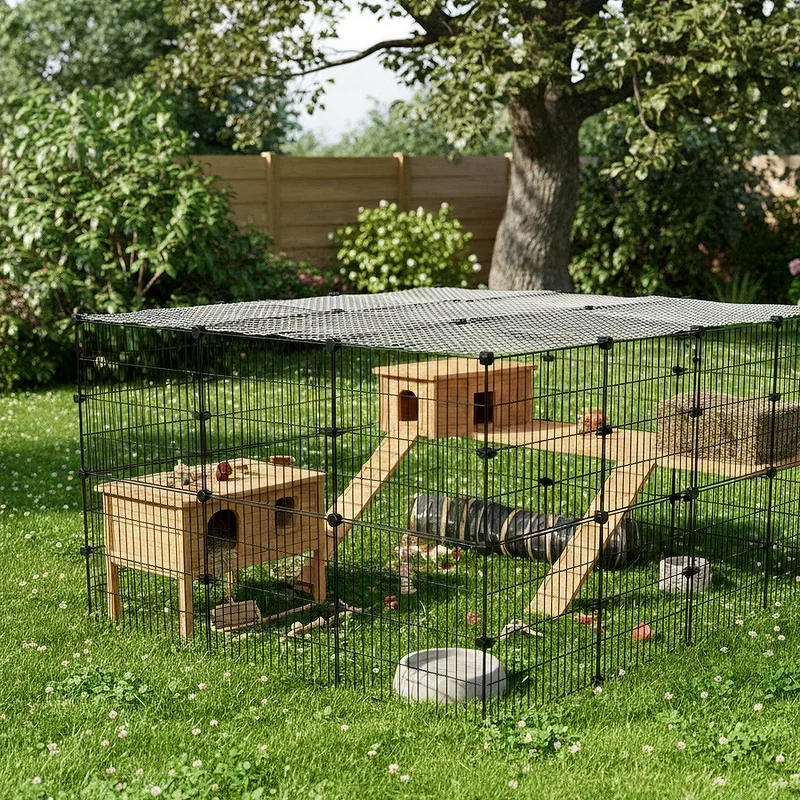
Flexibility becomes your greatest asset with a modular panel system that adapts to any situation. These enclosures use interlocking panels that you can configure and reconfigure endlessly based on your changing needs. Start small and expand as your budget allows or as your rabbit family grows over time. The panels typically connect with simple clips or bolts that require no special tools for assembly or adjustment. You can create straight runs, L shaped configurations, or complete rectangles depending on your available space. Many systems offer different panel types including solid walls for weather protection and mesh panels for ventilation. Storage becomes easy when you need to temporarily remove the enclosure for yard maintenance or events. This approach works perfectly for renters or anyone who anticipates moving and wants their investment to travel with them.
9. Natural Garden Integration Enclosure
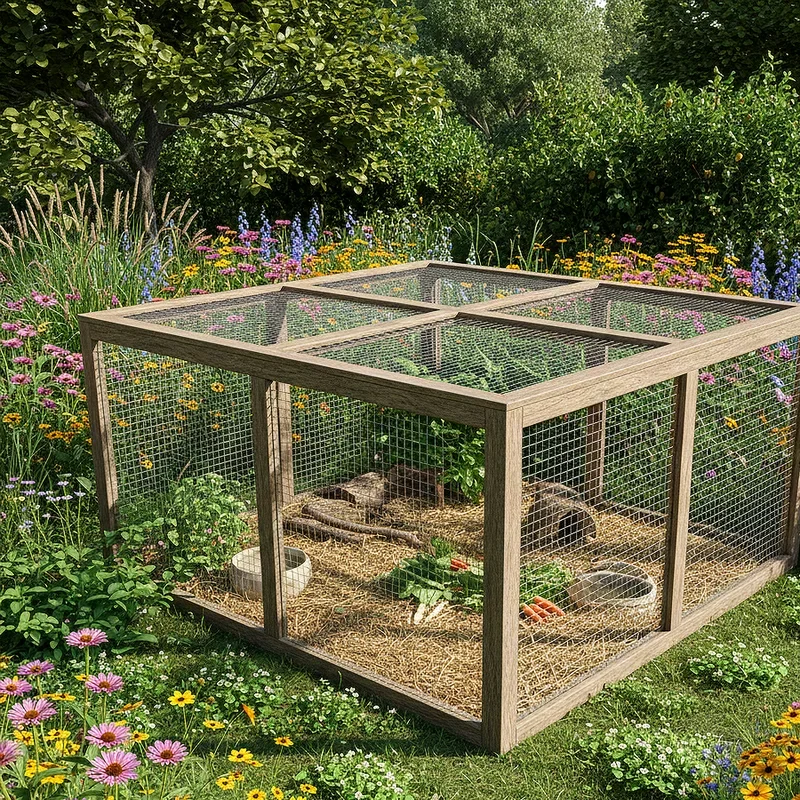
Why separate your rabbit area from your garden when you can blend them beautifully together? A natural garden integration enclosure incorporates rabbit safe plants, shrubs, and landscaping elements directly into the living space. Your bunny gets to experience a genuine garden environment with hiding spots among bushes and shade under leafy plants. Herbs like basil, parsley, and cilantro grow along edges for fresh snacking while providing natural boundaries. The enclosure becomes part of your overall garden design rather than an eyesore stuck in the corner. Strategic planting creates natural temperature regulation with shade in summer and wind breaks in winter. You can include features like large rocks for climbing, logs for gnawing, and sandy areas for digging. This approach requires knowledge of rabbit safe versus toxic plants but creates an incredibly enriching habitat.
10. Elevated Platform Hutch Design
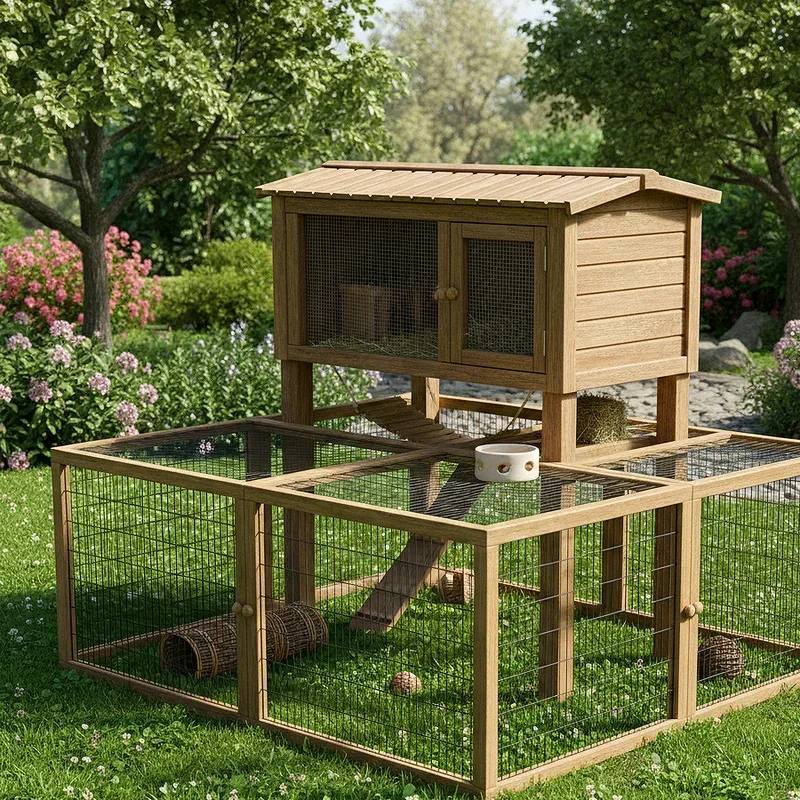
Getting your rabbit off the ground offers surprising benefits that many owners overlook initially. An elevated platform hutch keeps your bunny away from ground moisture, provides protection from some ground level predators, and makes daily care much easier on your back. The raised design creates usable space underneath for storage or even a sheltered run area. Solid flooring with comfortable bedding gives your rabbit a dry, clean living surface regardless of ground conditions. Access ramps allow your bunny to descend for exercise time in attached ground level runs. The height also provides better air circulation around the enclosure preventing stale air buildup inside. Many designs incorporate multiple platforms at different heights connected by ramps creating vertical exercise opportunities. This style works exceptionally well in areas with drainage problems or high humidity levels.
11. Tunnel Connected Play Areas
Separate enclosure zones connected by tunnels create an adventure playground that keeps rabbits endlessly entertained and exercised. Imagine having a sleeping hutch, grazing area, and play zone all linked by exciting tunnel passages your bunny can explore. This design mimics natural rabbit behavior of moving between different burrow chambers for various activities. Transparent tunnel sections let you watch your rabbit zooming between zones which is genuinely entertaining. You can use flexible corrugated tubing or rigid PVC pipes depending on your design preferences and budget. The tunnel connections allow you to spread the enclosure across awkward yard shapes that wouldn't suit traditional rectangular runs. Adding one way doors or different tunnel diameters creates interesting navigation challenges that stimulate your rabbit's intelligence. This approach maximizes engagement while using available space creatively and efficiently.
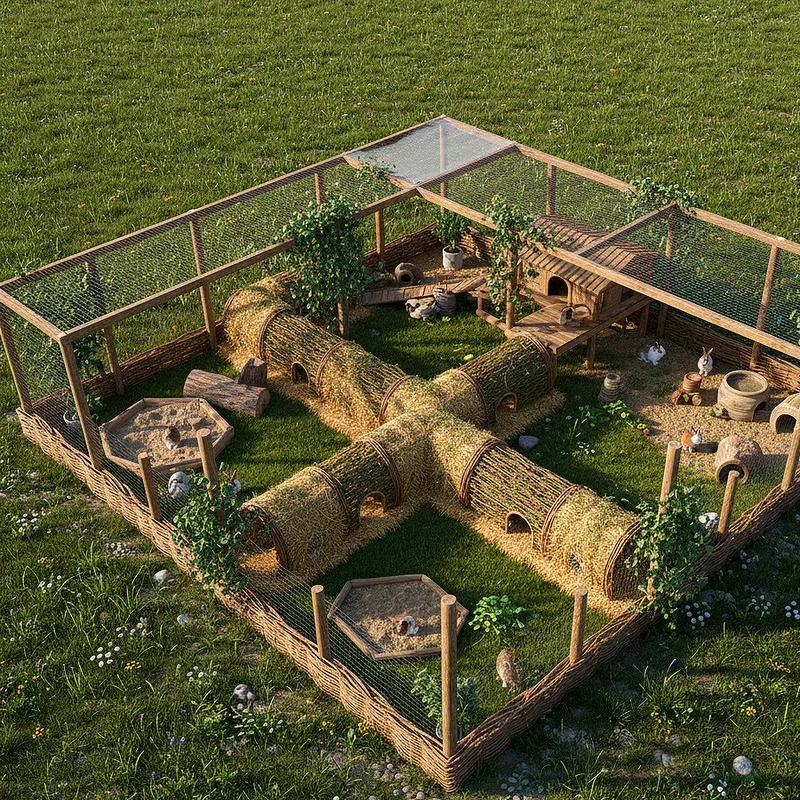
12. Weather Protected Covered Run
Unpredictable weather should never keep your rabbit from enjoying outdoor time safely. A weather protected covered run features solid roofing that blocks rain, provides shade, and protects against harsh sun. Side panels can remain open mesh for ventilation while still blocking wind from problematic directions. Some designs incorporate adjustable panels that you can configure based on current weather conditions each day. The roof should extend beyond the mesh sides to prevent rain from blowing in during storms. You can add tarps or plastic sheeting seasonally for additional cold weather protection without permanent modification. Proper drainage around the perimeter prevents water pooling even during heavy rainfall. This enclosure type lets your rabbit enjoy outdoor benefits year round regardless of what the weather decides to throw your way unexpectedly.
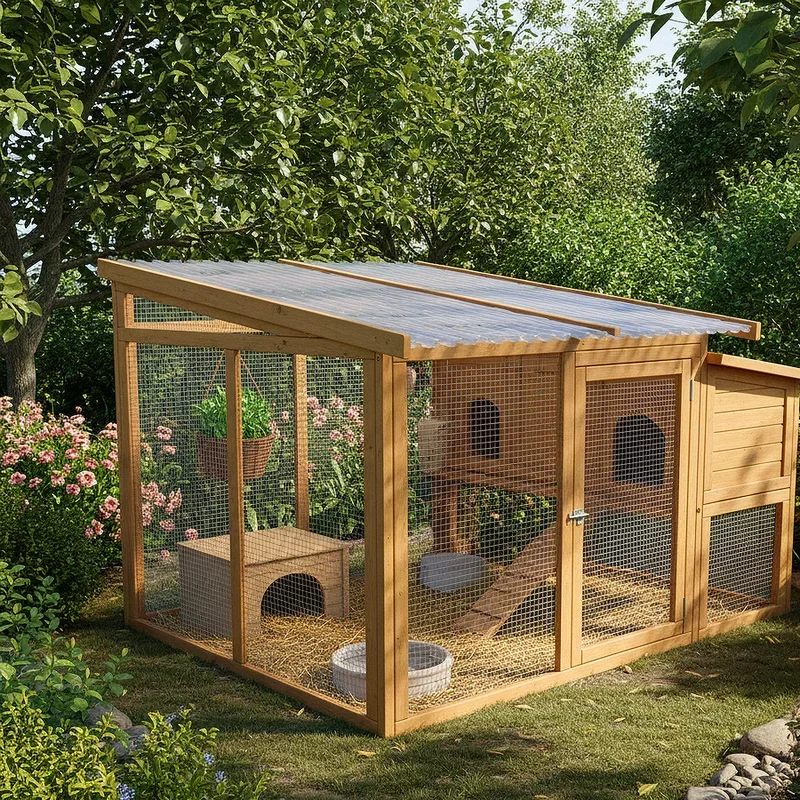
13. DIY Pallet Wood Enclosure
Pallet wood offers a budget friendly building material that can create surprisingly attractive rabbit enclosures. These wooden pallets are often available free from local businesses who would otherwise discard them. The slat design provides natural ventilation while the solid frame creates sturdy construction for enclosure walls. You can sand and seal the wood for longevity and safety, ensuring no rough edges harm your bunny. Combining pallets with wire mesh creates secure enclosures at a fraction of commercial hutch prices. The rustic aesthetic actually looks charming in garden settings and can be painted to match your outdoor decor. This project works well for handy rabbit owners who enjoy DIY construction and want customization options beyond standard designs. Many online tutorials guide you through safe pallet selection and construction techniques specifically for rabbit housing.
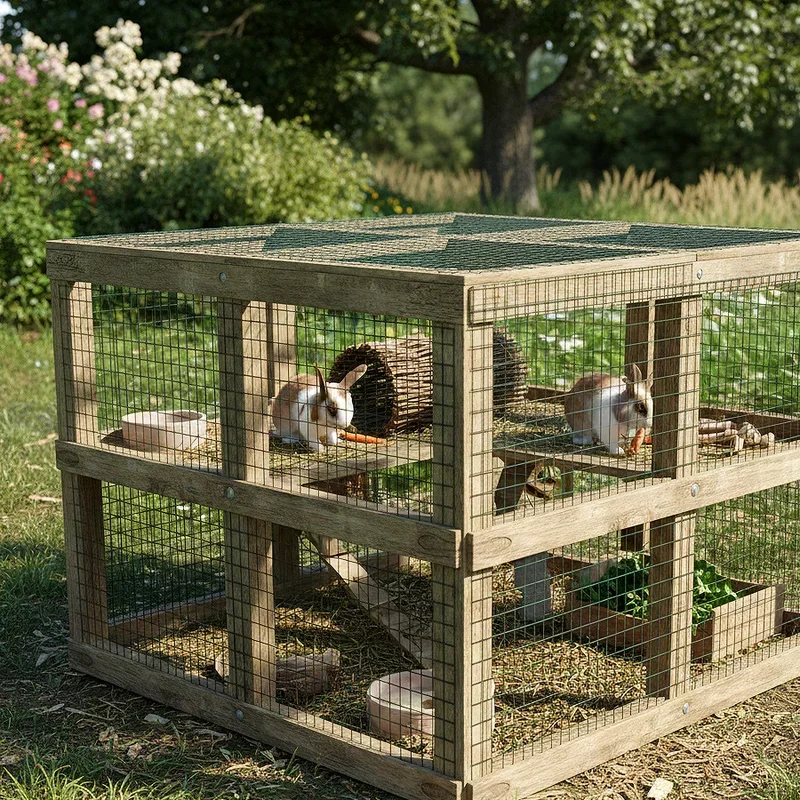
14. Luxury Rabbit Mansion Complex
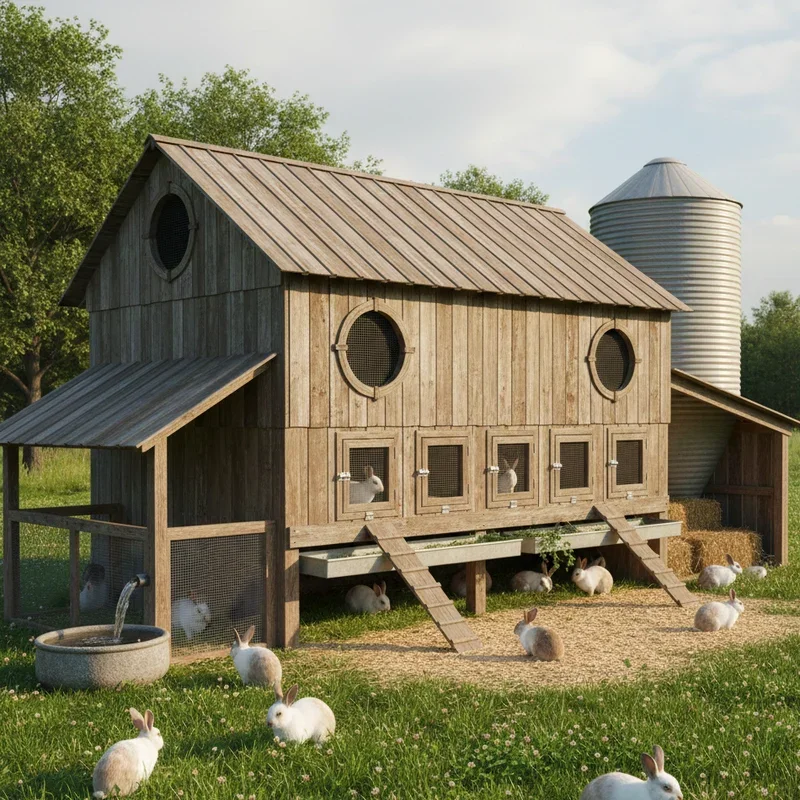
Sometimes your bunny deserves absolutely nothing less than pure luxury in their outdoor living space. A mansion complex features multiple rooms, premium materials, and thoughtful design elements that prioritize rabbit comfort above all else. Think heated floors for winter, cooling systems for summer, and perhaps even running water features for entertainment. Quality hardwood construction with weather resistant finishes ensures decades of use without deterioration. Multiple levels include dedicated areas for sleeping, eating, playing, and surveying their kingdom from elevated observation platforms. Custom sizing accommodates your specific rabbit's needs and your available outdoor space perfectly. Professional construction ensures predator proof security and structural integrity through all weather conditions. This investment makes sense for dedicated rabbit owners who consider their bunny a genuine family member deserving the very best life possible.
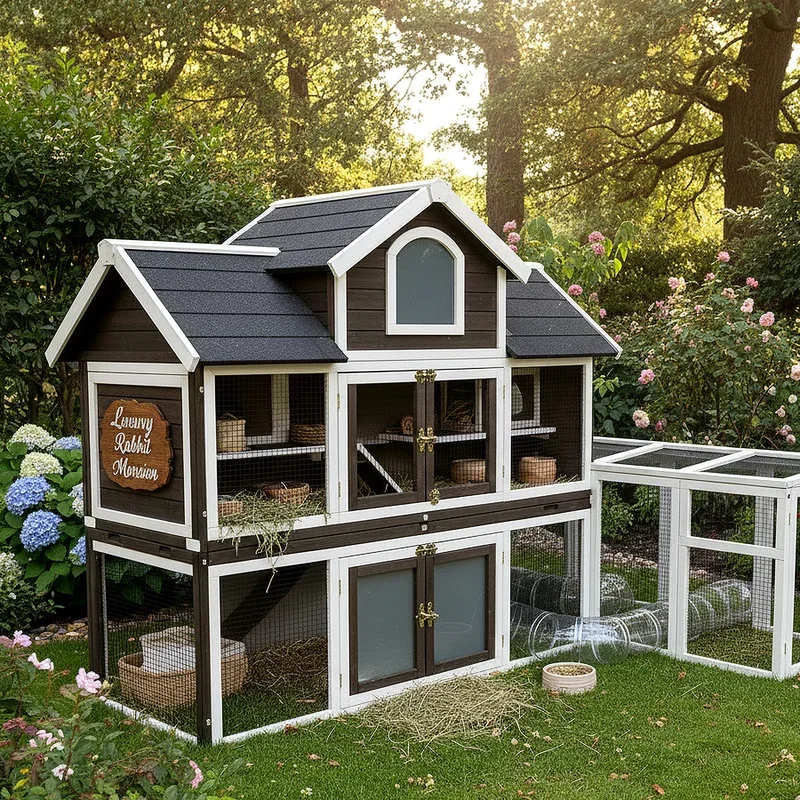
15. Budget Friendly PVC Pipe Structure
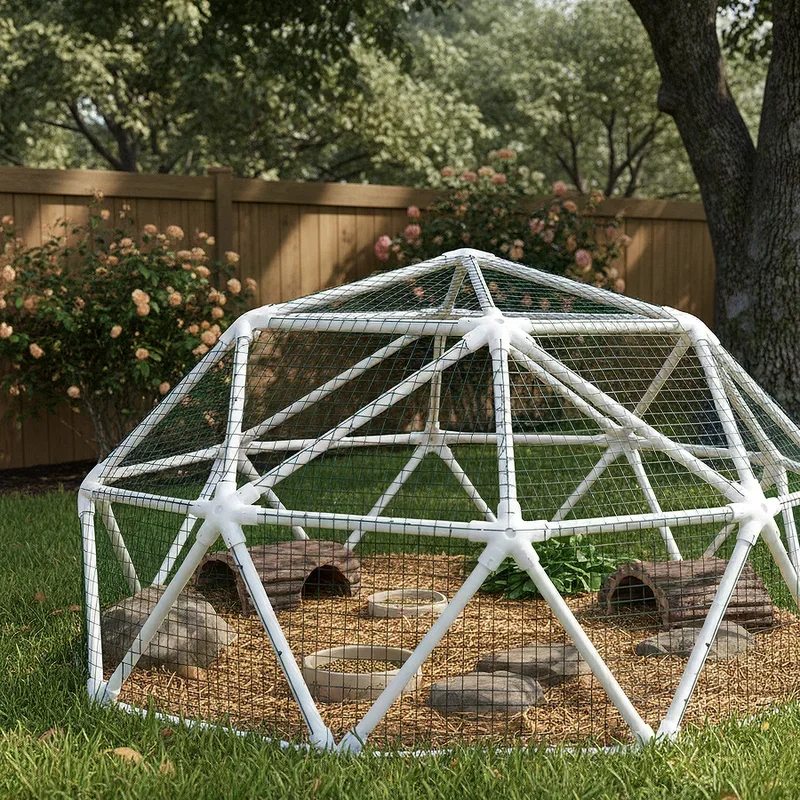
Starting with rabbit keeping should not require emptying your savings account entirely. PVC pipe structures offer incredibly affordable enclosure frames that anyone can assemble without special skills. The lightweight pipes connect with standard fittings available at any hardware store for minimal cost. You simply build a frame and attach wire mesh using zip ties or clips for a functional, secure enclosure. The white PVC actually looks clean and modern in most backyard settings without seeming cheap or temporary. Disassembly takes minutes when you need to move or store the enclosure seasonally. You can easily expand the design by adding more sections as your budget allows over time. This approach works perfectly for beginners unsure about long term rabbit keeping commitment or renters needing temporary housing solutions. Many owners start here before upgrading to permanent structures later.
Conclusion
Creating the perfect outdoor enclosure for your rabbit transforms both their life and your backyard into something truly special. Each of these fifteen ideas offers unique benefits depending on your space, budget, and your bunny's personality. Remember that safety always comes first, so invest in predator proofing regardless of which design captures your imagination. Your rabbit will reward you with happy binkies and relaxed lounging that proves outdoor living suits them perfectly. Take time to observe how your bunny uses their new space and adjust features based on their preferences. The bond between you and your rabbit grows stronger when you provide them with environments where they can truly thrive naturally.
Read next: How to Clean Rabbit Ears Safely at Home: Step-by-Step
Frequently Asked Questions
Q1. How much space does an outdoor rabbit enclosure need?
A: Minimum recommendation is twelve square feet for sleeping plus thirty two feet for exercise.
Q2. Can rabbits live outside permanently throughout the year?
A: Yes, with proper shelter, insulation, and weather protection rabbits can live outdoors year round.
Q3. What materials are safest for outdoor rabbit enclosures?
A: Untreated wood, welded wire mesh, and food safe plastics work best for rabbit safety.
Q4. How do I protect my outdoor rabbit from predators effectively?
A: Use buried wire mesh, secure locks, covered roofs, and heavy gauge welded wire throughout.
Q5. Should outdoor rabbit enclosures have solid or wire flooring?
A: Solid flooring with bedding protects feet while wire sections allow natural grass access.
Stay up to date with our latest ideas!