Why Does My Dog Eat Rocks? Common Causes
Why does my dog eat rocks? Common causes include nutrient gaps, boredom, anxiety, and pica. Learn how to stop this risky habit fast.
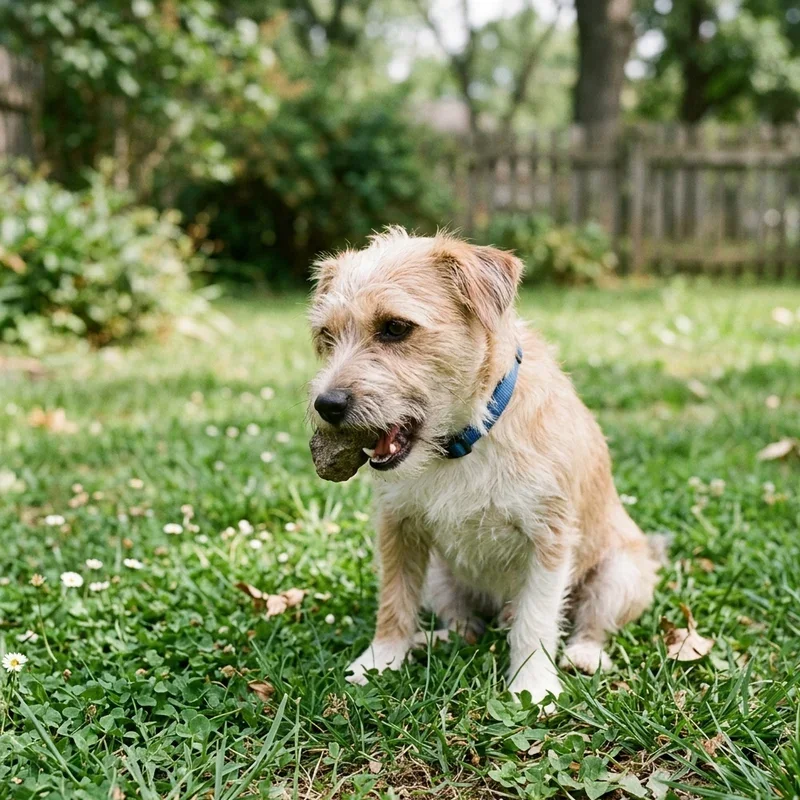
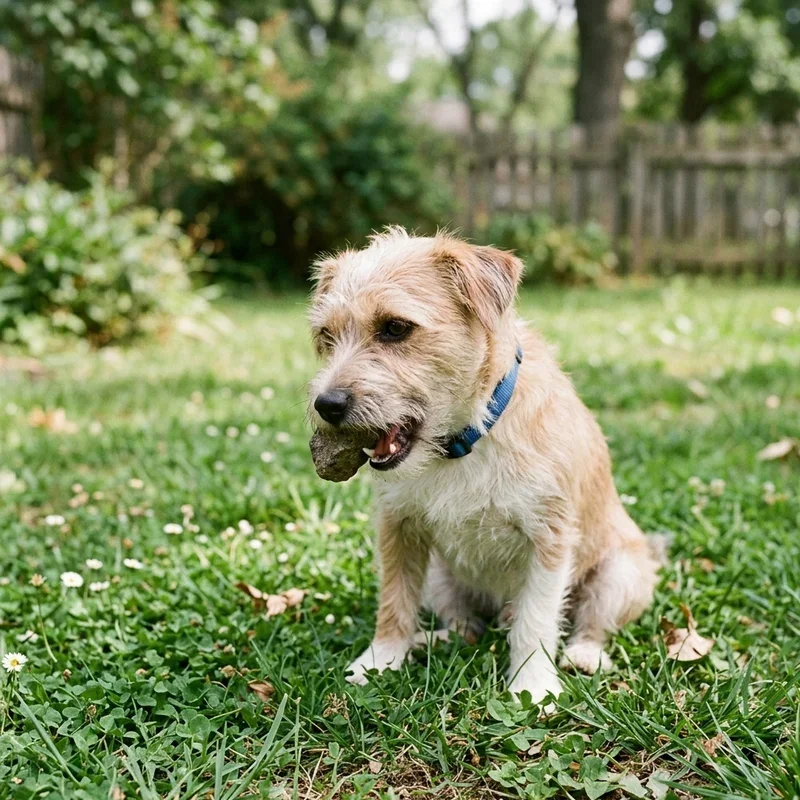
You walk into the backyard, and there it is. Your dog's got a mouthful of gravel, crunching away like it's a five-star meal. It's enough to make your stomach turn, right? But before you panic, take a breath. Rock eating in dogs is actually more common than most people realize, and there's almost always an explanation behind it.
Understanding why does my dog eat rocks and the common causes behind this strange behavior is the first step toward keeping your furry friend safe. Whether it's a puppy exploring the world with its mouth or an older dog dealing with something deeper, this habit isn't just weird. It can be downright dangerous. Broken teeth, intestinal blockages, and emergency vet visits are all real possibilities when a dog decides rocks belong on the menu.
So let's dig into the real reasons your dog might be munching on stones, and more importantly, what you can do about it. By the end of this article, you'll have a solid understanding of what drives this behavior and practical steps to put a stop to it for good.
Pica in Dogs: When Eating Non-Food Items Becomes a Problem
First things first, there's actually a medical term for this kind of behavior. It's called pica, and it refers to the compulsive eating of items that aren't food. We're talking rocks, dirt, socks, plastic, you name it. Pica isn't just a quirky habit. It's often a signal that something else is going on, whether that's physical or psychological.
Dogs with pica don't just nibble on strange objects once in a while. They seek them out repeatedly, and they can't seem to stop on their own. If your dog keeps going back to the rock pile no matter how many times you redirect them, pica could be the culprit. A vet visit should be your next move because this condition sometimes points to underlying health issues that need attention.
Nutritional Deficiencies That Drive Rock Eating
Believe it or not, your dog might be eating rocks because their body is telling them something's missing. When a dog's diet lacks certain minerals like iron, calcium, or phosphorus, their instincts can kick in and push them toward unusual sources. Rocks and dirt might seem like a bizarre choice to us, but to a nutrient-starved dog, they smell like a potential fix.
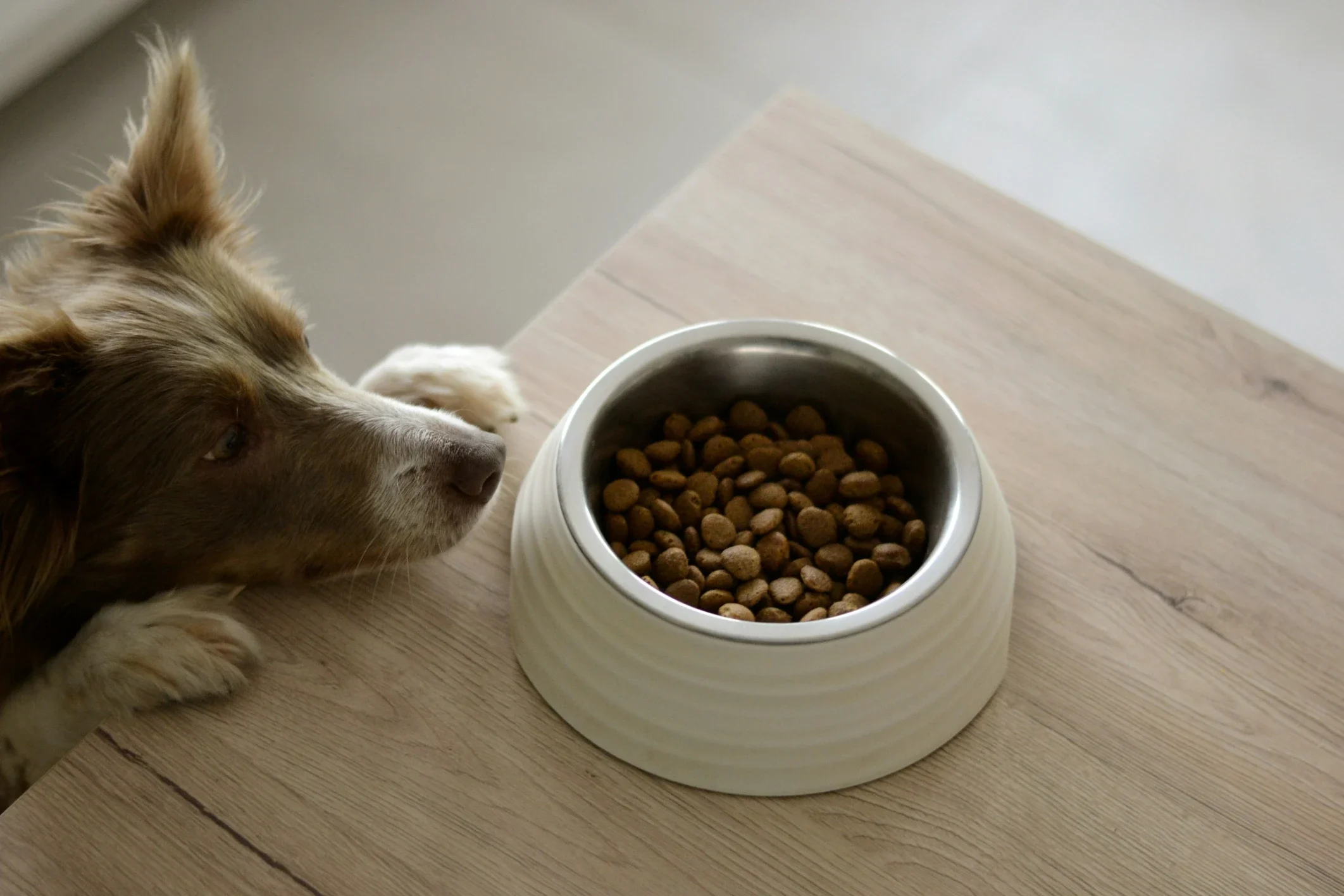
This is especially common in dogs eating lower quality commercial food or homemade diets that haven't been properly balanced. Even dogs on premium kibble can develop deficiencies if they have absorption issues in their gut. If you've noticed your dog suddenly showing interest in rocks, it's worth taking a hard look at what's going into their bowl every day.
A simple blood panel at the vet can reveal whether nutritional gaps are playing a role. Sometimes the solution is as straightforward as switching to a higher quality food or adding a veterinarian-approved supplement to their routine.
Boredom and Lack of Mental Stimulation
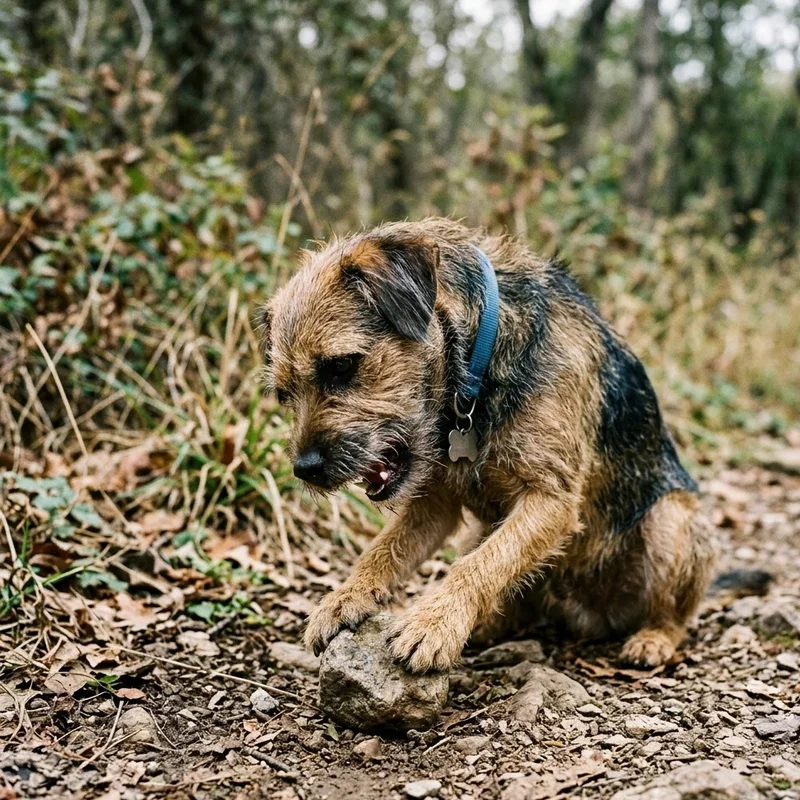
Here's the thing about dogs. They're smart, active creatures that need something to do. When they don't get enough physical exercise or mental engagement, they start finding their own entertainment. And unfortunately, that entertainment sometimes involves chewing on rocks.
Think about it from your dog's perspective. They're stuck in the yard all day with nothing new to explore, no puzzle toys, no playmates, no training sessions. A pile of rocks suddenly becomes the most interesting thing in their environment. They pick one up, it makes a satisfying crunch, and boom, a new hobby is born.
Dogs that are left alone for long stretches or don't get enough interactive playtime are particularly prone to this. The fix? Ramp up the enrichment. Longer walks, new toys, training games, and even doggy daycare can make a world of difference. A tired dog is a well-behaved dog, and a mentally stimulated dog has zero interest in snacking on landscaping materials.
Anxiety and Stress-Related Behaviors
Just like humans bite their nails or stress-eat junk food, dogs develop their own coping mechanisms when they're feeling anxious. Rock eating can absolutely be a stress response, especially in dogs dealing with separation anxiety, changes in their household, or loud environmental triggers like thunderstorms and fireworks.
Some dogs chew on rocks as a way to self-soothe. The repetitive action of picking up and mouthing objects gives them something to focus on besides their anxiety. You might notice the behavior gets worse when you leave the house or during particularly stressful situations.
If anxiety is the root cause, addressing the rock eating alone won't solve the problem. You'll need to tackle the anxiety itself through behavior modification, environmental changes, and possibly medication prescribed by your vet. Calming supplements, desensitization training, and creating a safe space for your dog can all help reduce the stress that's driving the behavior.
Attention-Seeking Behavior in Dogs
Dogs are incredibly perceptive, and they figure out fast what gets a reaction from their humans. If your dog picked up a rock one day and you came running over yelling and making a fuss, congratulations. You just taught them that rock eating equals instant attention.
It doesn't matter that the attention was negative. For a dog that's feeling ignored or under-stimulated, any attention beats no attention at all. They'll keep going back to the rocks because they know it gets you engaged, even if you're frustrated.
Breaking this cycle requires a bit of strategy. Instead of reacting dramatically when your dog grabs a rock, calmly redirect them to an appropriate toy and reward them when they engage with it. Pour your energy into praising good behavior rather than punishing the bad. Over time, your dog will learn that playing with toys gets them the positive attention they're craving, while rocks get them nothing at all.
Why Does My Dog Eat Rocks? Common Causes Related to Medical Conditions
Sometimes the answer to why does my dog eat rocks and the common causes behind it has nothing to do with behavior and everything to do with health. Several medical conditions can trigger rock eating, and it's crucial not to overlook this possibility.
Gastrointestinal issues top the list. Dogs dealing with inflammatory bowel disease, parasites, or enzyme deficiencies might eat rocks in an attempt to settle their stomach or compensate for poor digestion. It sounds counterintuitive, but their body is essentially grasping at straws trying to find relief.
Hormonal imbalances can also play a role. Conditions like hypothyroidism or Cushing's disease affect appetite regulation and can lead to pica behaviors. Neurological issues, though less common, are another possibility, particularly in older dogs or breeds prone to cognitive dysfunction.
If your dog's rock eating started suddenly or seems compulsive, get them to the vet sooner rather than later. Blood work, fecal tests, and a thorough physical exam can rule out or identify medical causes that need treatment.
Puppy Teething and Oral Exploration
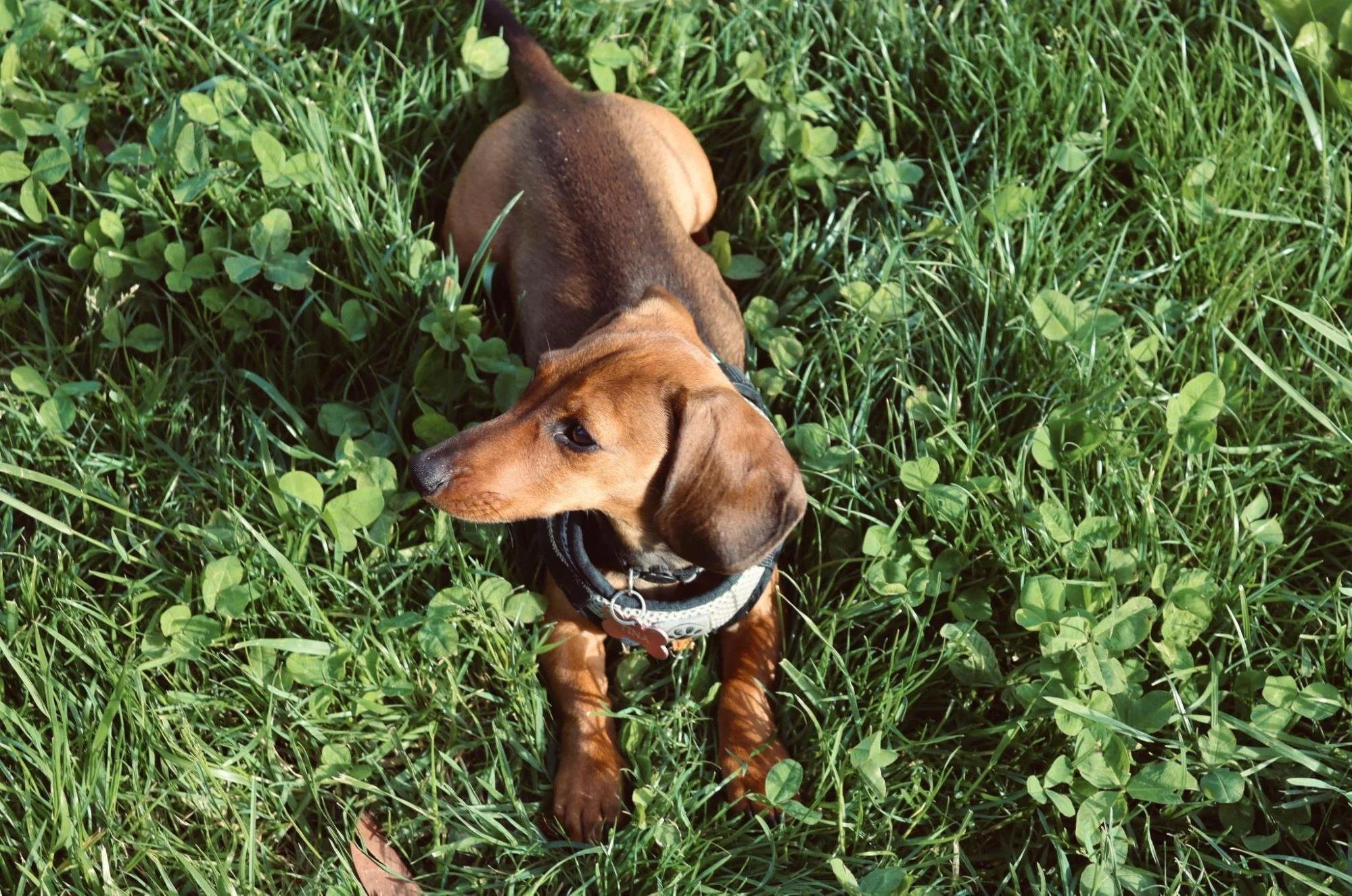
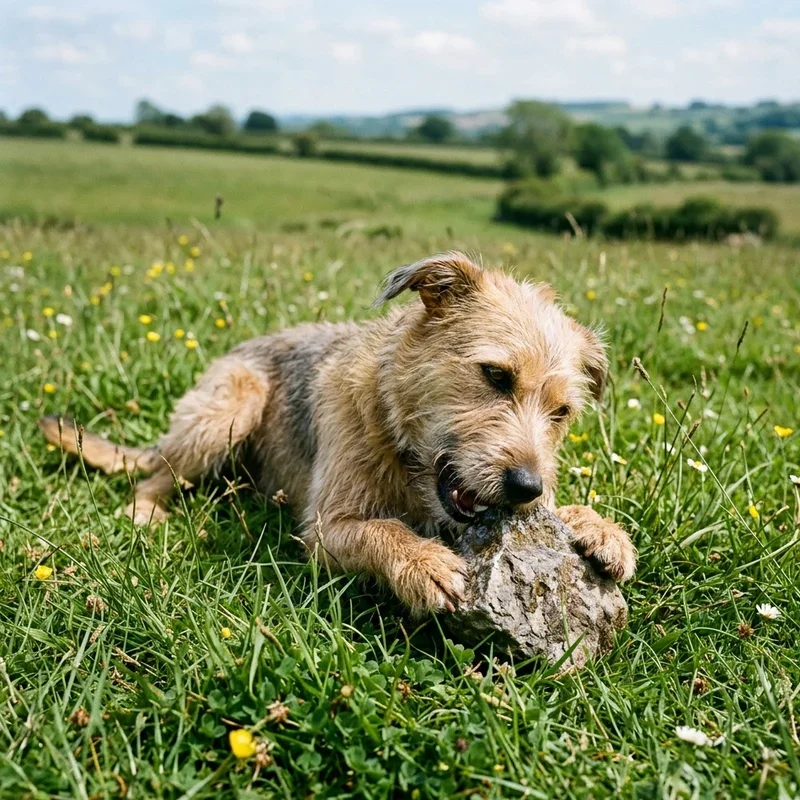
Got a puppy on your hands? Well, that changes things a bit. Puppies explore the world primarily through their mouths, and during the teething phase, they'll chew on just about anything they can get their little jaws around. Rocks included.
Teething typically happens between three and six months of age, and it's uncomfortable. The pressure of chewing on hard objects can actually provide relief for sore gums. While it's a natural phase, it's still dangerous because puppies can easily crack baby teeth or swallow small rocks that cause blockages.
The key during this stage is providing plenty of safe alternatives. Frozen washcloths, rubber teething toys, and chew sticks designed for puppies can satisfy that urge to gnaw without the risks that come with rock chewing. Supervise outdoor time carefully and redirect your puppy every single time they go for a rock. Consistency is everything during these early months.
Chewing rocks can chip or fracture teeth and damage the enamel. After any rock-chewing incident, check your dog’s mouth and contact a veterinarian if you notice bleeding, swelling, pain, or difficulty eating. Once urgent dental damage has been ruled out, maintaining consistent daily dental care for dogs can help support cleaner teeth and fresher breath as part of a regular oral-care routine.
Compulsive Behavior and Obsessive Tendencies
Some dogs develop what behaviorists call compulsive disorders, and rock eating can fall into this category. These aren't dogs that occasionally pick up a stone out of curiosity. These are dogs that obsessively seek out and consume rocks despite negative consequences.
Compulsive behaviors often develop from chronic stress, understimulation, or even genetic predisposition. Certain breeds, including Dobermans, Bull Terriers, and German Shepherds, seem more prone to developing compulsive habits. Once the behavior becomes ingrained, it can be incredibly difficult to break without professional intervention.
If you suspect your dog's rock eating has crossed the line from occasional to obsessive, working with a veterinary behaviorist is your best bet. They can develop a comprehensive treatment plan that might include behavior modification protocols, environmental management, and in some cases, medication to help break the compulsive cycle.
The Dangers of Rock Eating You Can't Ignore
Let's not sugarcoat it. Rock eating is genuinely dangerous for dogs, and understanding the risks should motivate every pet owner to address the behavior quickly.
Dental damage is one of the most immediate concerns. Rocks can crack, chip, or break teeth, leading to painful infections and expensive dental procedures. But the real nightmare scenario is an intestinal blockage. When a dog swallows rocks, those stones can get lodged in the esophagus, stomach, or intestines. A blockage often requires emergency surgery and can be life-threatening if not caught in time.
Internal lacerations are another risk. Sharp-edged rocks can tear the lining of the digestive tract as they pass through, causing internal bleeding and infection. Even small pebbles can accumulate over time and cause chronic digestive problems.
Watch for warning signs like vomiting, loss of appetite, lethargy, constipation, or a swollen abdomen. Any of these symptoms in a rock-eating dog warrant an immediate trip to the emergency vet.

Practical Steps to Stop Your Dog From Eating Rocks
Now for the part you've been waiting for. How do you actually get your dog to stop? Here are some practical strategies that work.
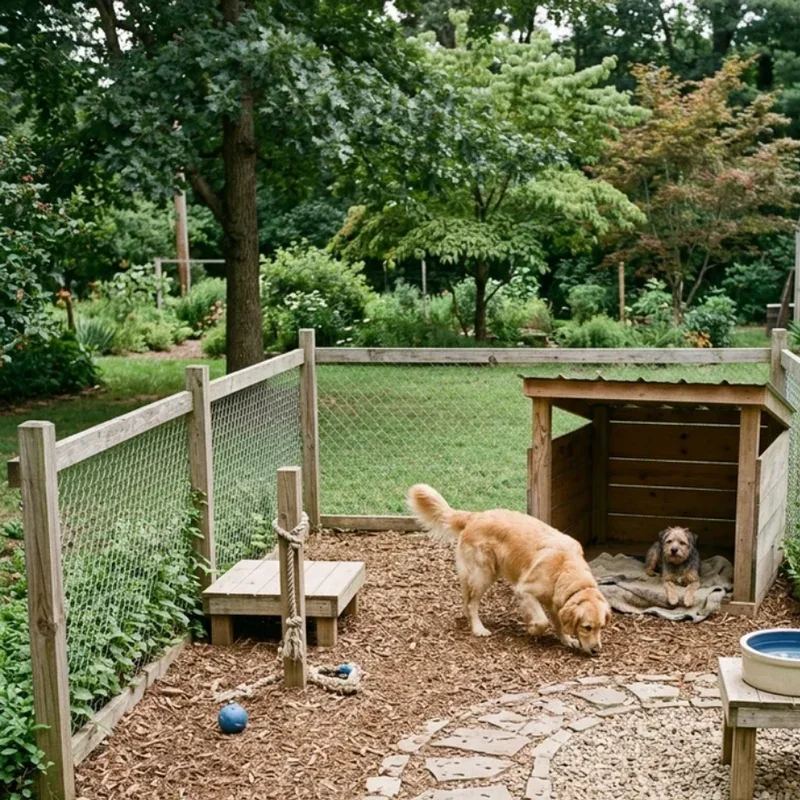
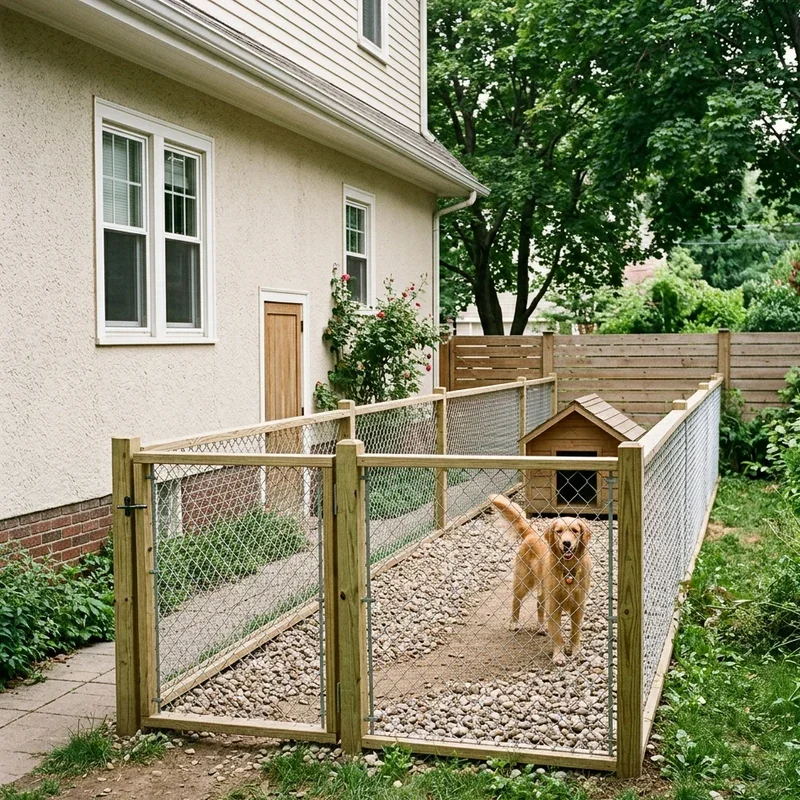
Remove access to rocks whenever possible. Landscape your yard with mulch, artificial turf, or ground cover that eliminates the temptation entirely. If removal isn't an option, supervise outdoor time closely and keep your dog on a leash in rocky areas.
Increase physical exercise and mental enrichment dramatically. Add an extra walk each day, introduce puzzle feeders, rotate toys regularly, and incorporate training sessions that challenge your dog's brain. A fulfilled dog rarely seeks out rocks for entertainment.
Train a rock-solid "leave it" command. Start practicing indoors with low-value items and gradually work up to outdoor distractions. Reward generously when your dog chooses to ignore a rock on command. This skill can be a literal lifesaver.
Consider using a basket muzzle during the transition period if the behavior is severe. A properly fitted basket muzzle allows your dog to pant, drink, and take treats while preventing them from picking up rocks. It's not a permanent solution, but it keeps them safe while you work on the underlying issue.
Schedule a comprehensive vet checkup to rule out medical causes. If your vet gives the all clear physically, ask for a referral to a certified animal behaviorist who can address the psychological side of things.
Conclusion
When you're asking why does my dog eat rocks and searching for common causes, the answer usually comes down to nutritional gaps, boredom, anxiety, medical conditions, or simply puppyhood exploration. Whatever the reason, ignoring the behavior isn't an option because the health risks are too serious. By working closely with your veterinarian, ramping up enrichment, and removing access to rocks, you can break this dangerous habit and keep your four-legged companion healthy and happy for years to come.
Read next: 15 Dog Kennel Ideas for Comfortable and Safe Spaces
Frequently Asked Questions
1.Is it normal for dogs to eat rocks?
It's not normal and often signals boredom, nutritional deficiency, anxiety, or an underlying medical condition.
2.Can eating rocks kill a dog?
Yes, swallowed rocks can cause fatal intestinal blockages requiring emergency surgery if not treated promptly.
3.How do I stop my puppy from chewing on rocks?
Redirect with safe chew toys, supervise outdoor time, and consistently train the leave it command.
4.Should I take my dog to the vet for eating rocks?
Absolutely, a vet visit can identify medical causes like nutrient deficiencies, digestive issues, or pica.
5.What breeds are most likely to eat rocks?
Labrador Retrievers, Beagles, and German Shepherds are among breeds more prone to pica-related behaviors.
Stay up to date with our latest ideas!