15 Calf Barn Ideas for Safe and Efficient Farm Design
Discover 15 calf barn ideas for safe and efficient farm design that boost calf health, reduce labor costs, and maximize farm productivity.
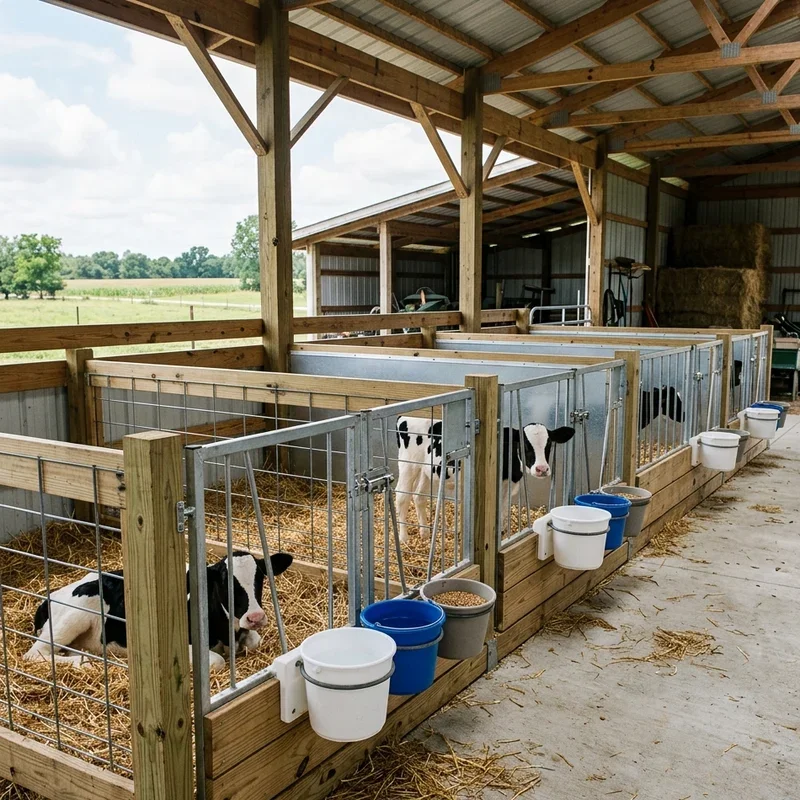
Calf barns shape the future of every dairy and beef operation since healthy calves grow into productive cattle generating long-term farm profits beautifully. Have you ever watched a sickly calf struggle and wished you'd designed your facility differently from day one? Smart barn planning prevents heartbreak while protecting bottom-line investments throughout daily farm operations. Think of calf barns as nurseries where your farm's next generation gets the strongest possible start in life. Whether you raise twenty calves or two hundred, thoughtful design impacts mortality rates, feed efficiency, and labor demands directly throughout every season. Why struggle with outdated facilities when modern improvements pay dividends quickly? Let's explore fifteen brilliant calf barn ideas combining animal welfare with operational efficiency that progressive farmers swear by today.
1. Individual Calf Hutches
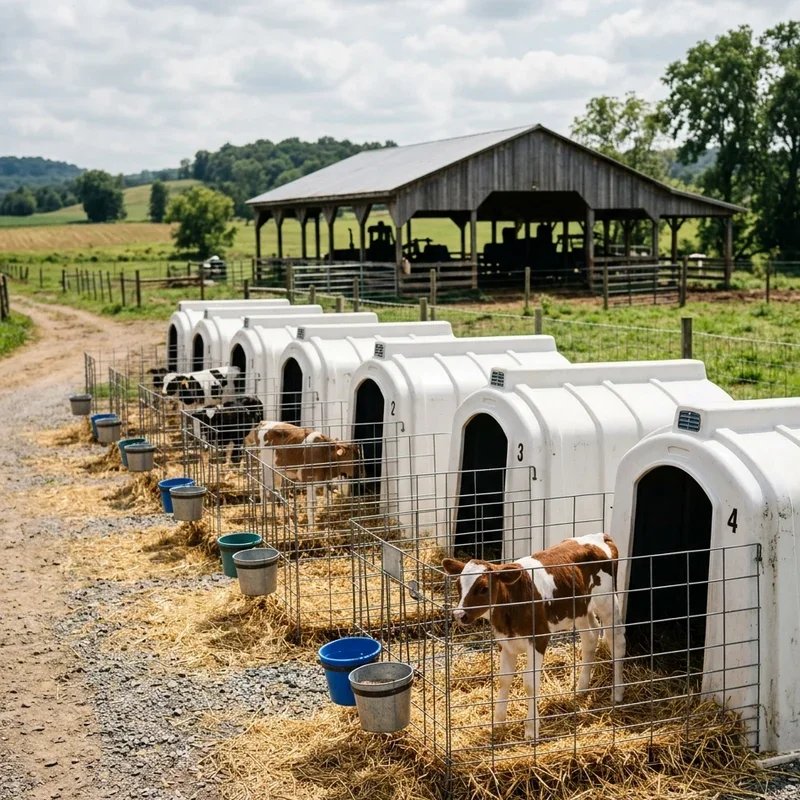
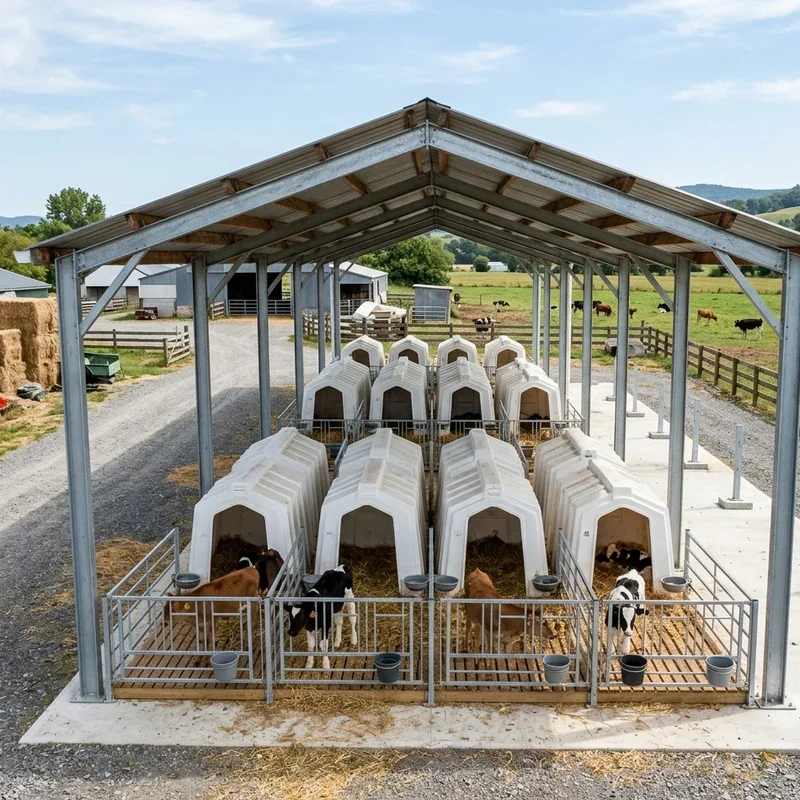
Individual calf hutches deliver gold-standard housing where each newborn enjoys isolated environments preventing disease transmission during vulnerable early weeks beautifully throughout critical development periods. Picture rows of white hutches lined neatly across a paddock, looking like a tiny calf village always. Why does individual housing work so well during early weeks? Each calf breathes its own air, eats from its own bucket, and avoids respiratory infections spreading rapidly through groups everywhere. Choose translucent hutches allowing natural light penetration while maintaining proper insulation against extreme temperatures throughout seasonal changes reliably. Add small fenced exercise areas attached to each hutch giving calves outdoor access during pleasant weather periods naturally. Position hutches with proper spacing preventing nose-to-nose contact between neighboring calves consistently throughout the entire facility everywhere. Your calves gain biosecure individual sanctuaries beautifully.
2. Group Housing Pens
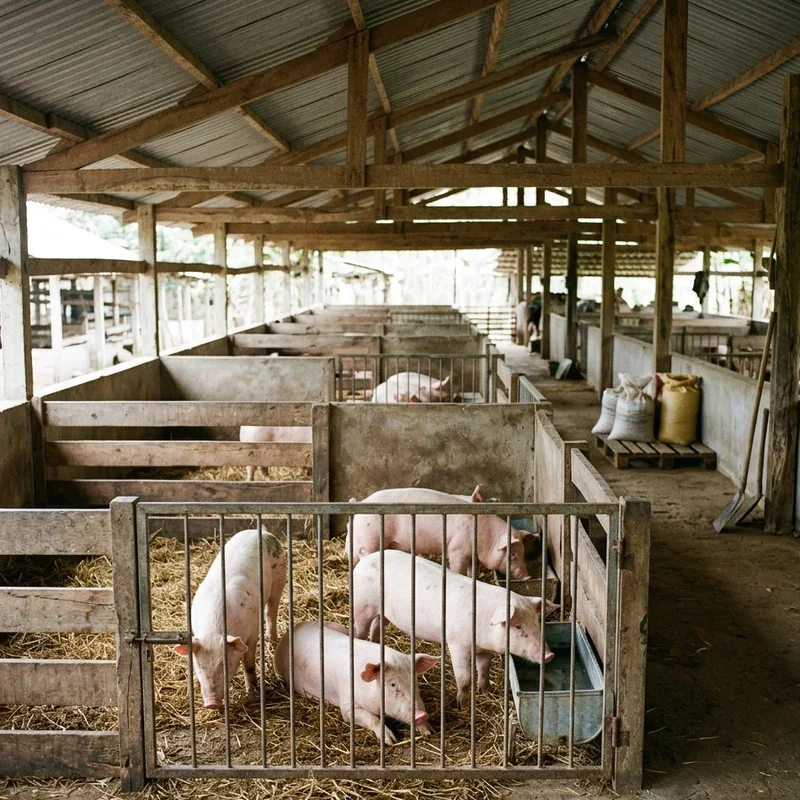
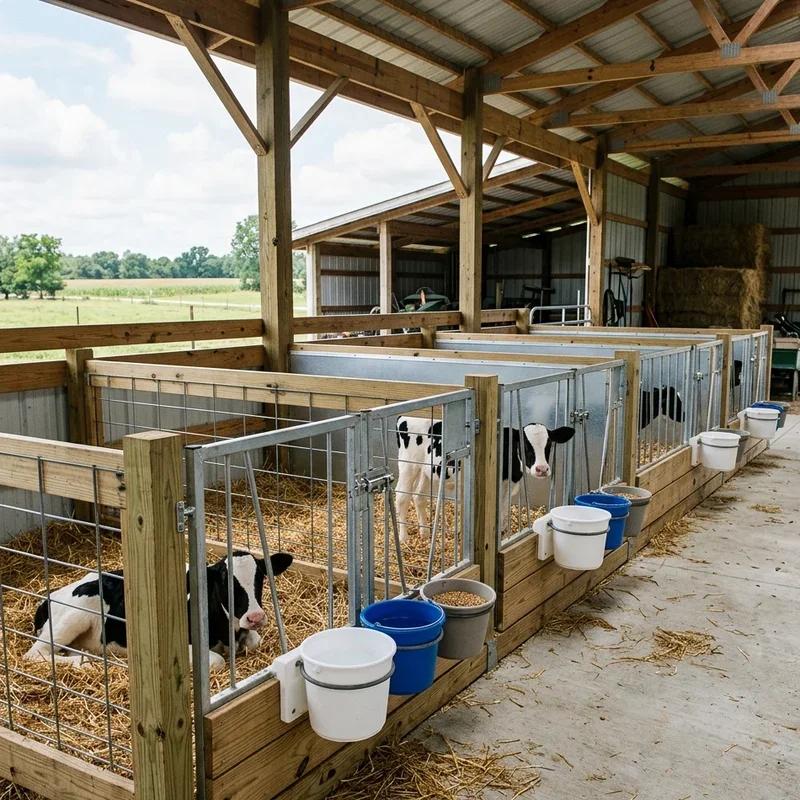
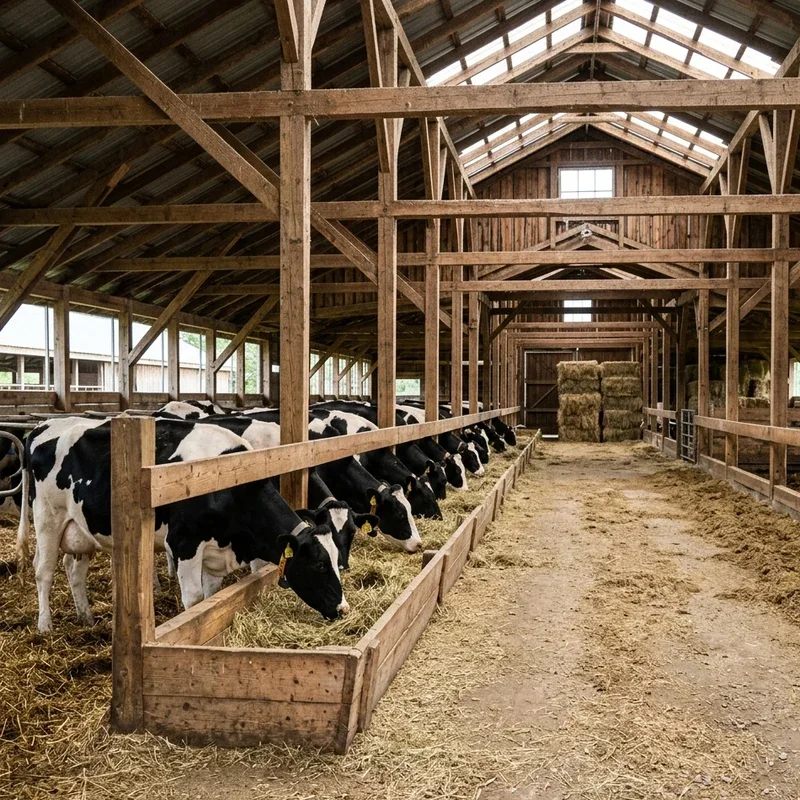
Group housing pens accommodate weaned calves where social interaction encourages natural behaviors while easing labor demands compared to individual housing systems beautifully throughout. Calves are social creatures, group living matters, agreed? Design pens accommodating six to eight calves of similar age and size preventing dominance issues from significant size variations everywhere. Provide minimum thirty-five square feet per calf ensuring adequate space for movement, lying down, and social interactions naturally throughout daily routines. Add multiple feeding stations preventing competition during meal times reducing stress during critical eating periods consistently throughout. Include comfortable resting areas with deep bedding letting calves rest peacefully without disturbance from active pen mates everywhere. Consider raised observation platforms allowing calves perching above the pen floor satisfying natural curiosity behaviors beautifully. Choose all-in all-out management preventing disease transmission between age groups reliably. Your weaned calves gain social development.
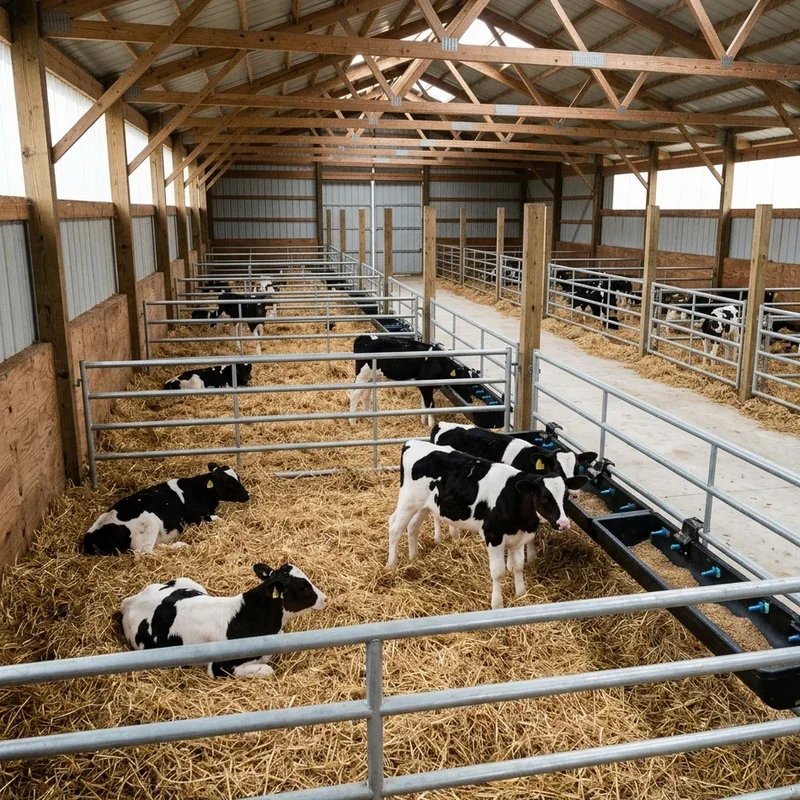
3. Positive Pressure Ventilation
Positive pressure ventilation systems revolutionize calf barn air quality through engineered airflow eliminating ammonia and pathogens that compromise respiratory health throughout enclosed barn environments. Fresh air on demand, calf health gamechanger, right? Install fans pushing fresh outdoor air through perforated polyethylene tubes running along ceiling lengths distributing air evenly across pens throughout. Calculate proper tube hole sizing and spacing matching barn dimensions and calf populations ensuring uniform airflow distribution everywhere reliably always. Add temperature sensors automatically adjusting fan speeds maintaining optimal conditions during seasonal extremes throughout the calendar year practically. Include separate zones controlling different barn sections preventing cross-contamination between sick and healthy calf populations effectively throughout. Consider adding HEPA filtration on air intake points preventing outdoor pathogens from entering barn environments protecting vulnerable calves reliably always. Your barn gains hospital-quality air management.
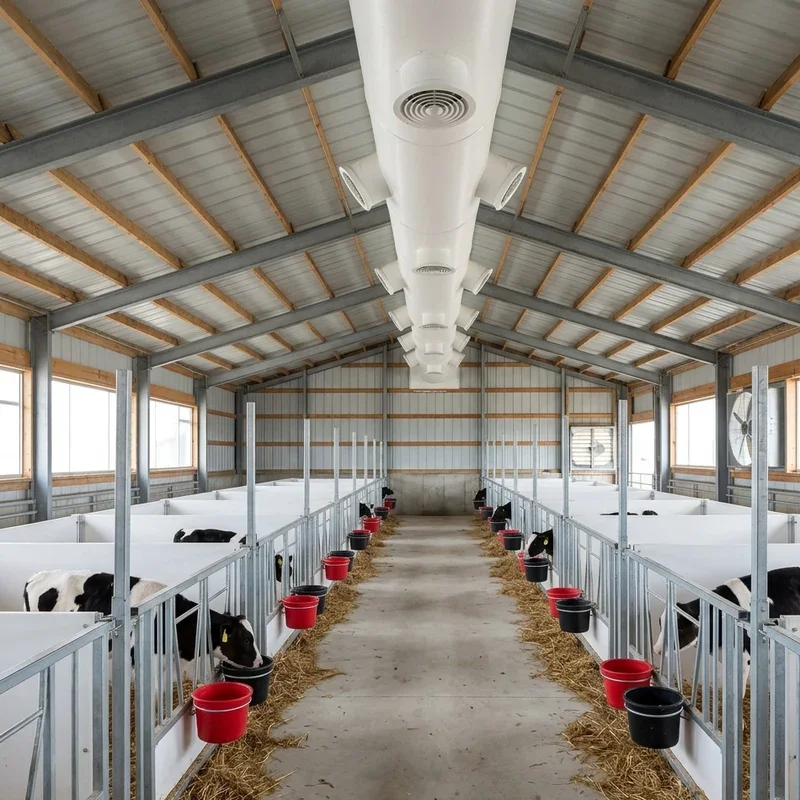
4. Automatic Calf Feeders
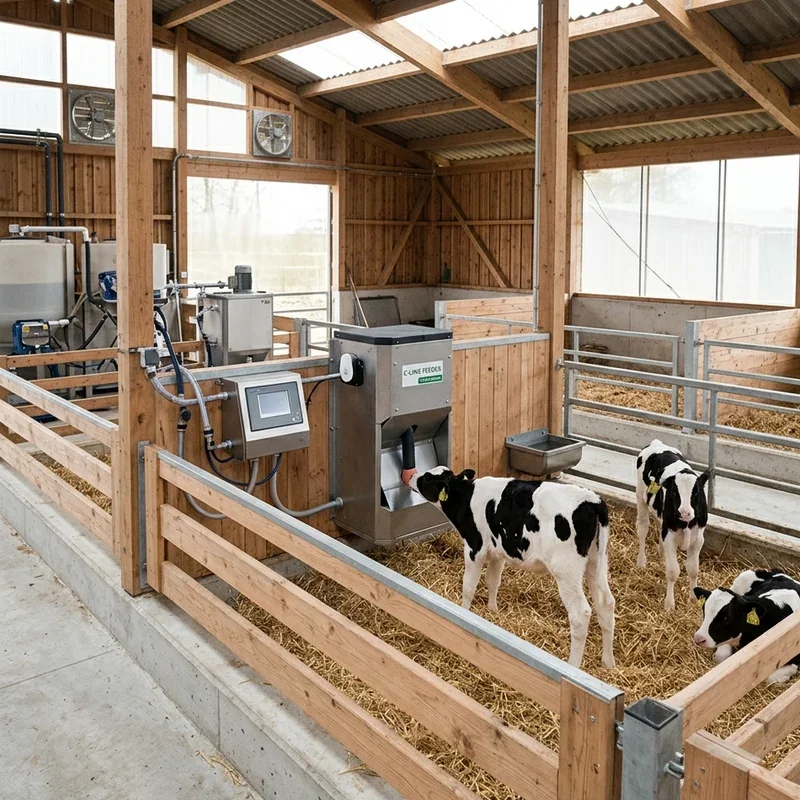
Automatic calf feeders revolutionize labor efficiency where computerized systems deliver precise milk replacer rations to identified calves throughout day and night cycles beautifully consistently. Calves dictating feeding schedules, modern dairy genius, right? Install RFID-equipped feeders identifying individual calves through ear tag transponders delivering customized rations based on age and growth needs throughout. Add data logging capabilities tracking individual consumption patterns alerting farmers to early illness signs through reduced feeding behaviors quickly everywhere. Choose units accommodating multiple calves sharing single feeders reducing equipment investments while maintaining individualized nutrition tracking reliably throughout. Consider milk pasteurization integration ensuring biosecurity through heat-treated milk replacer eliminating disease transmission risks effectively always. Include automatic cleaning cycles maintaining sanitary feeding conditions preventing bacterial contamination during continuous operation periods reliably throughout daily schedules. Your operation gains technological feeding precision.
5. Drainage System Design
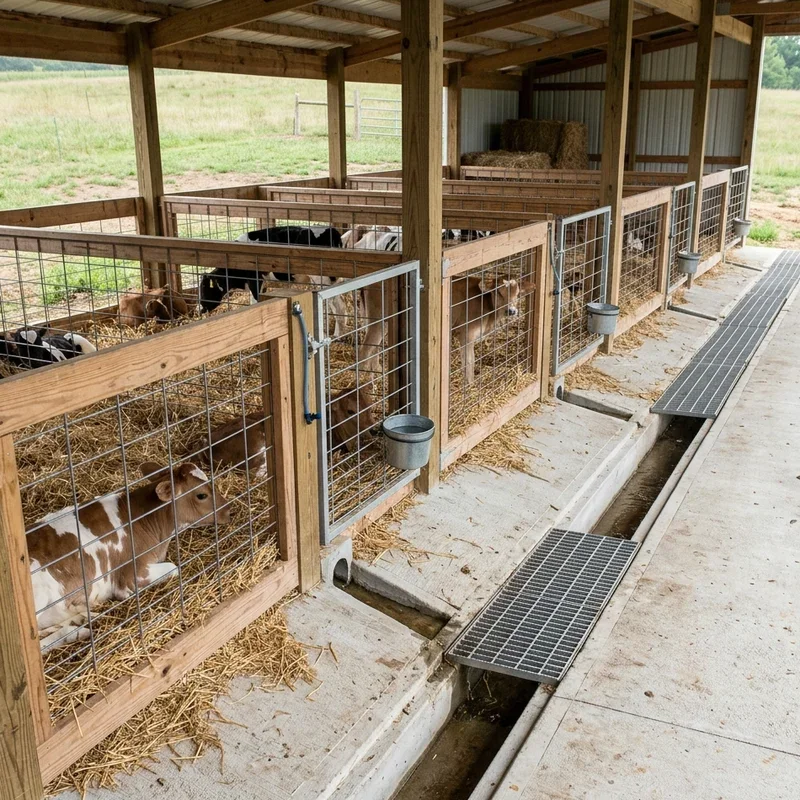
Drainage system design determines whether calf barns stay dry and healthy or develop chronic moisture problems leading to disease outbreaks during wet seasons reliably. Drainage matters more than fancy decorations, agreed? Install sloped concrete floors directing urine and water runoff toward collection channels positioned along pen perimeters throughout the entire facility everywhere. Add covered drainage trenches preventing solid waste accumulation while allowing liquid waste flowing toward central collection systems efficiently always throughout. Choose proper slope grades typically two percent ensuring water movement without becoming too steep for calf footing safety throughout. Include diversion systems separating waste from clean water preventing contamination of stormwater discharge during heavy rainfall events practically. Consider French drain installations around barn exteriors preventing groundwater from entering interior spaces during wet seasons reliably throughout the year. Your barn gains moisture management excellence.
6. Heated Calf Barn Setup
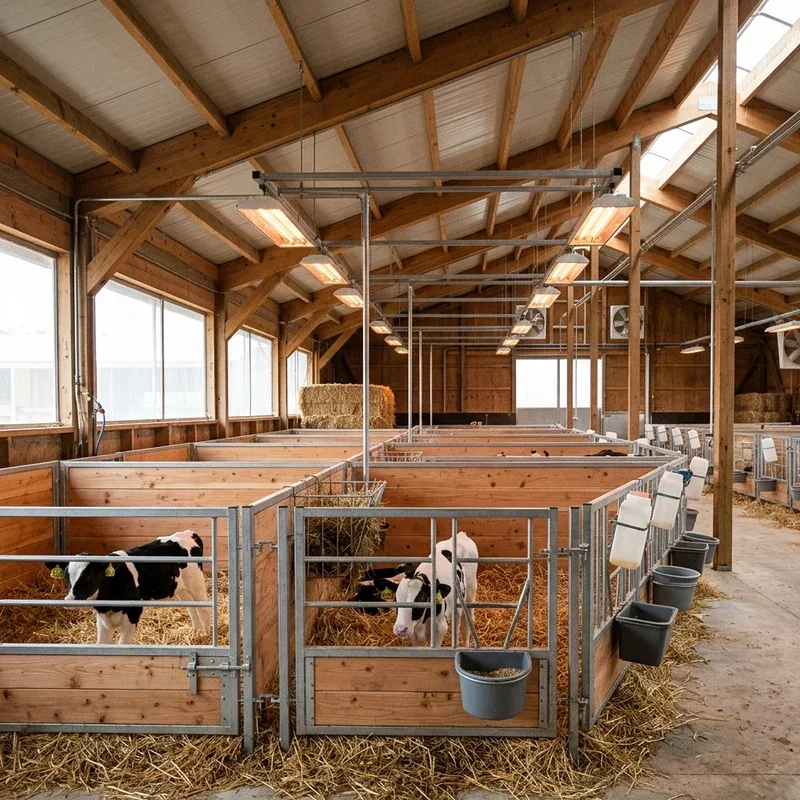
Heated calf barn setups protect newborns during brutal winter conditions where freezing temperatures threaten calf survival without supplemental warmth provided through carefully designed heating systems reliably. Newborn comfort priority, winter survival critical, right? Install radiant heat lamps positioned safely above calf resting areas providing warmth without fire risks during enclosed barn periods always. Add infrared heating panels mounted on ceilings delivering even warmth distribution throughout entire pen areas during cold weather efficiently throughout. Consider hot water radiant floor heating providing comfortable surface temperatures preventing calves from losing body heat through cold concrete floors reliably. Include proper thermostat controls maintaining target temperatures without overheating sensitive calves during temperature variations naturally always throughout. Choose UL-rated equipment with built-in safety features preventing fires during dusty barn conditions common in agricultural operations reliably everywhere. Add backup power systems maintaining heat during winter outages. Your calves gain reliable winter warmth.
7. Mobile Calf Shelter Units
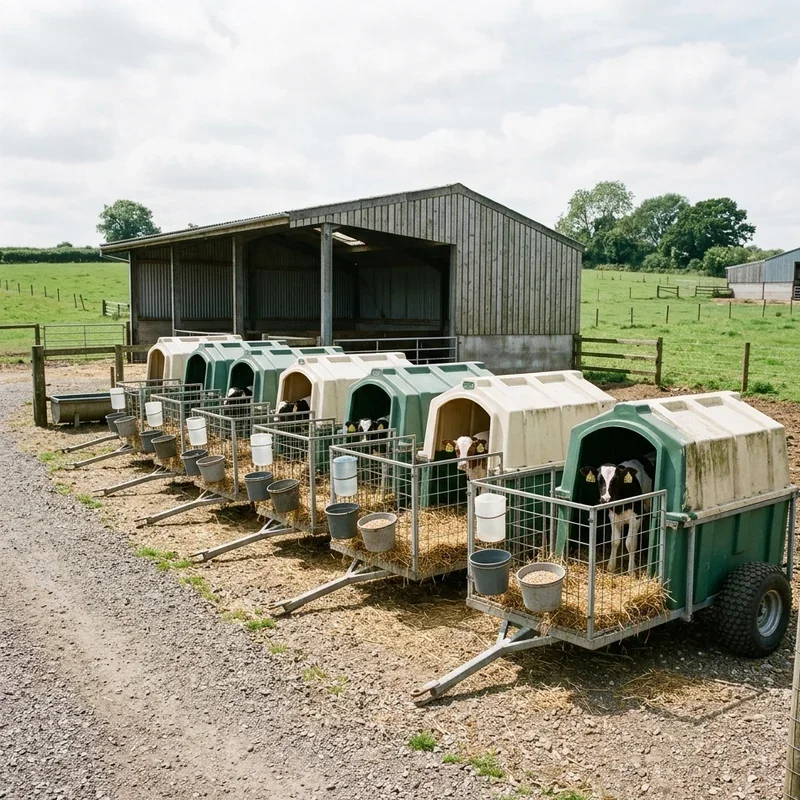
Mobile calf shelter units deliver flexibility where housing follows pasture rotation patterns providing fresh ground access while maintaining protection from weather extremes beautifully throughout. Movable housing, smart pasture management, right? Build lightweight framed structures on skids or wheels enabling tractor relocation between pasture sections during rotational grazing schedules throughout warm seasons. Add hardware cloth flooring sections providing predator protection while allowing natural manure deposition directly into pasture below efficiently throughout. Include solid roof sections protecting calves from sun and rain while open sides provide essential ventilation during pleasant weather periods naturally. Consider pop-up sides closing during severe weather providing complete shelter during storms returning to open configuration afterwards reliably always. Add proper anchoring systems securing units against wind while maintaining easy releasability when movement schedules require relocation conveniently throughout seasons. Your calves gain rotational pasture access.
8. Naturally Ventilated Greenhouse Style
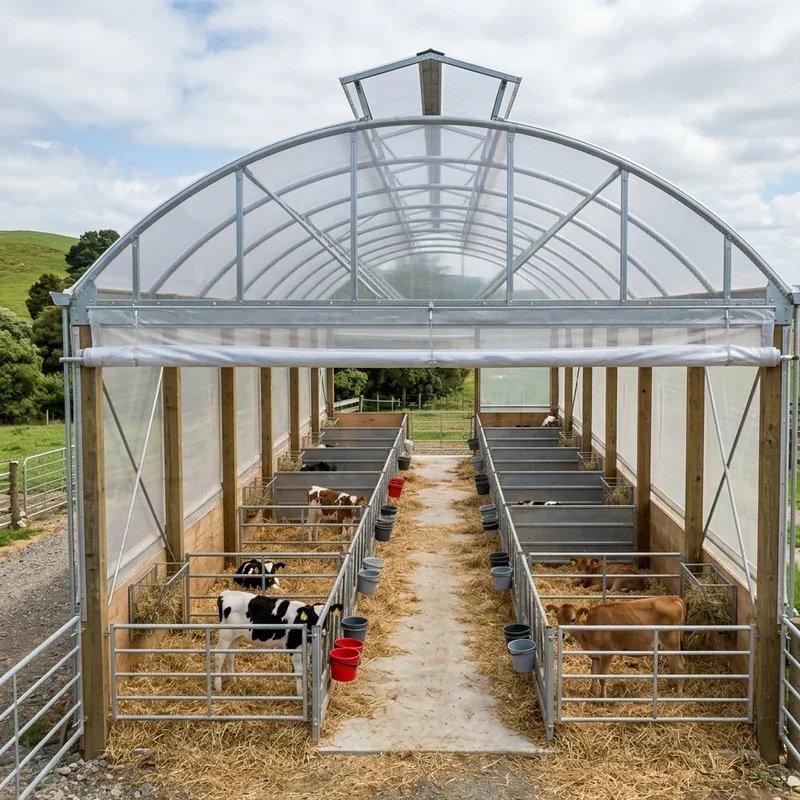
Naturally ventilated greenhouse-style barns harness sunshine providing free heating while sidewalls open enabling natural air movement during warmer months efficiently throughout the year. Solar heating without electricity, brilliant farming approach, right? Build hoop structures covered with greenhouse plastic capturing solar radiation warming barn interiors during cold winter sunny periods naturally everywhere. Add roll-up sidewalls operating manually or automatically based on temperature readings adjusting ventilation throughout daily and seasonal variations effectively. Choose UV-stabilized greenhouse plastics lasting four to six years before replacement remaining cost-effective despite periodic replacement requirements throughout. Include thermal mass elements like water barrels capturing daytime heat releasing it during cold overnight periods stabilizing temperature swings naturally always. Consider end wall ventilation systems supplementing sidewall openings ensuring complete air circulation preventing dead zones within structures effectively throughout. Your operation gains energy-efficient housing.
9. Solid Wall Pen Dividers
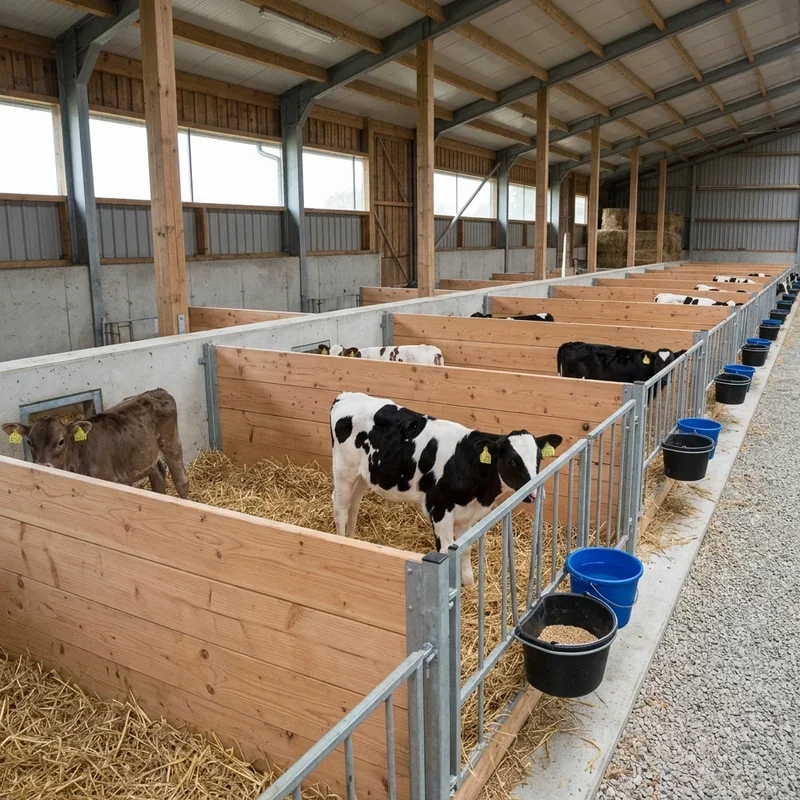
Solid wall pen dividers replace traditional open fencing where reduced visual contact between calves prevents cross-suckling behaviors and disease transmission improving outcomes significantly throughout. Visual barriers improving calf welfare, surprisingly impactful change, right? Install solid plastic, plywood, or composite panel dividers between individual pens preventing nose-to-nose contact during early weeks reliably everywhere. Choose easy-clean materials withstanding pressure washing without absorbing moisture or harboring bacteria common in pen divider applications throughout long-term use. Add appropriate height ensuring calves cannot reach over barriers maintaining the visual and physical separation required for biosecurity benefits effectively. Include removable divider sections enabling configuration changes accommodating different management strategies throughout various calf development stages flexibly always. Consider transparent panel options providing some visual contact while preventing physical interaction balancing biosecurity with social benefits beautifully throughout. Your calves gain reduced disease transmission.
10. Deep Bedded Pack System
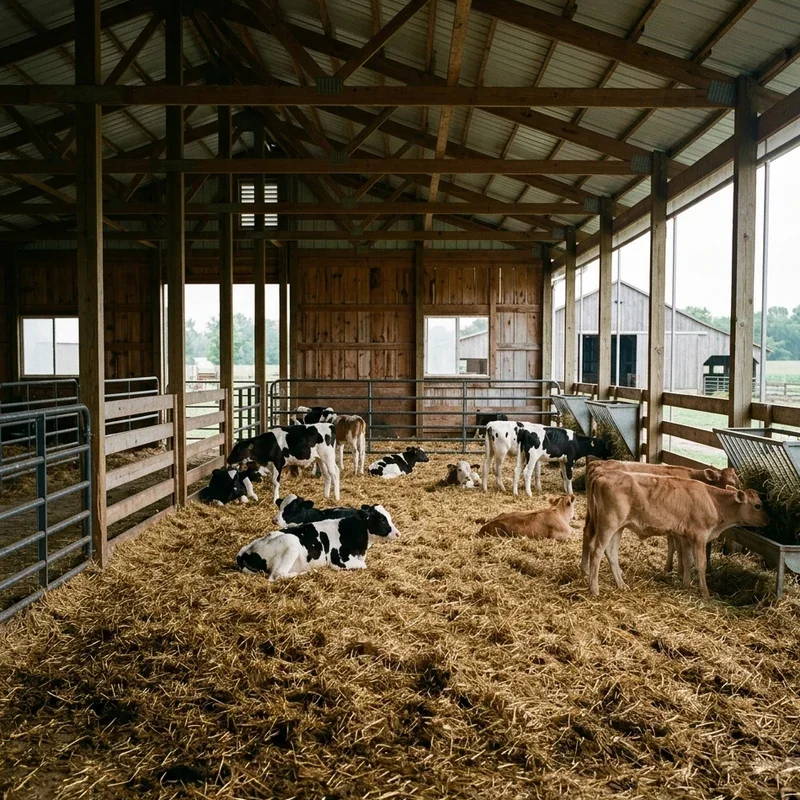
Deep bedded pack systems create luxurious composting beds where straw or sawdust accumulates throughout multi-week periods generating natural warmth while maintaining clean dry surfaces efficiently. Composting beds for calves, ingenious traditional method, right? Add fresh bedding regularly building deep packs that develop active composting processes generating natural warmth from microbial activity throughout cold months. Choose absorbent materials including chopped straw, sawdust, or wood shavings preventing wet spots from developing during heavy urination periods reliably everywhere. Include proper depth management adding three to four inches weekly maintaining clean dry surfaces above the active composting zone effectively throughout. Consider seasonal complete clean-out scheduling removing accumulated packs typically twice yearly during warm weather periods enabling easier management practices reliably. Add proper barn drainage preventing liquid accumulation that disrupts composting processes maintaining functional bedded pack performance throughout extended periods consistently. Your calves gain naturally warm comfort.
11. Quarantine and Sick Pen Area
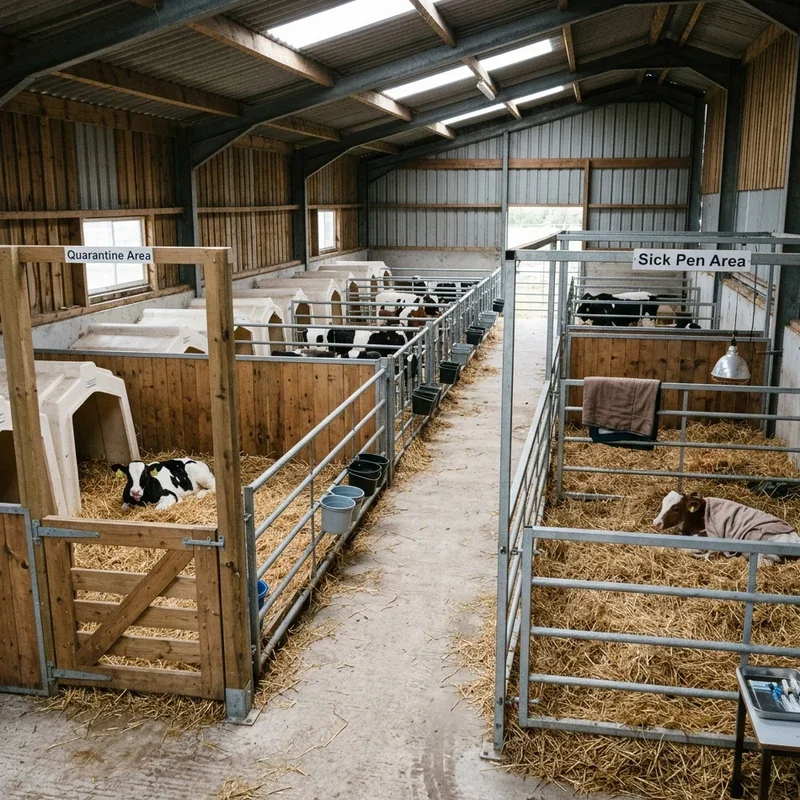
Quarantine and sick pen areas isolate compromised calves preventing disease spread to healthy populations while providing focused treatment spaces for recovery efforts throughout illness episodes. Biosecurity sections critical always, right? Locate quarantine pens away from main barn areas with separate ventilation systems preventing airborne disease transmission to healthy calves reliably everywhere. Add dedicated equipment including feeding buckets, cleaning tools, and treatment supplies preventing cross-contamination through shared equipment between sick and healthy populations throughout. Include footbaths at quarantine area entrances requiring caretakers disinfecting boots before returning to main barn sections preventing pathogen transfer practically. Consider separate access doors enabling caretaker entry without passing through healthy calf areas maintaining strict biosecurity protocols throughout daily routines. Add documentation systems tracking individual calf treatments enabling effective recovery monitoring and disease pattern identification throughout illness episodes reliably. Your operation gains disease management capability.
12. Hospital Pen Integration
Hospital pen integration provides intensive care facilities where seriously ill calves receive dedicated treatment areas equipped with specialized equipment supporting recovery during critical illness periods reliably. Calf ICU concept, modern animal welfare priority, right? Design hospital sections with raised platforms enabling examinations without bending preventing caretaker injuries during frequent treatments throughout recovery periods effectively. Add electricity outlets, IV fluid hangers, and oxygen delivery equipment supporting advanced treatments during severe illness cases when veterinary intervention becomes necessary always. Include heated areas maintaining warm environments helping ill calves regulate body temperatures during compromised health periods reliably throughout recovery processes consistently. Consider individual smaller pens within the hospital area preventing weakened calves from being bullied during their vulnerable recovery phases naturally. Add proper lighting enabling detailed examinations during night emergencies when veterinary calls happen at unpredictable hours throughout farming operations always. Your sick calves gain intensive care.
13. Easy-Clean Flooring Systems
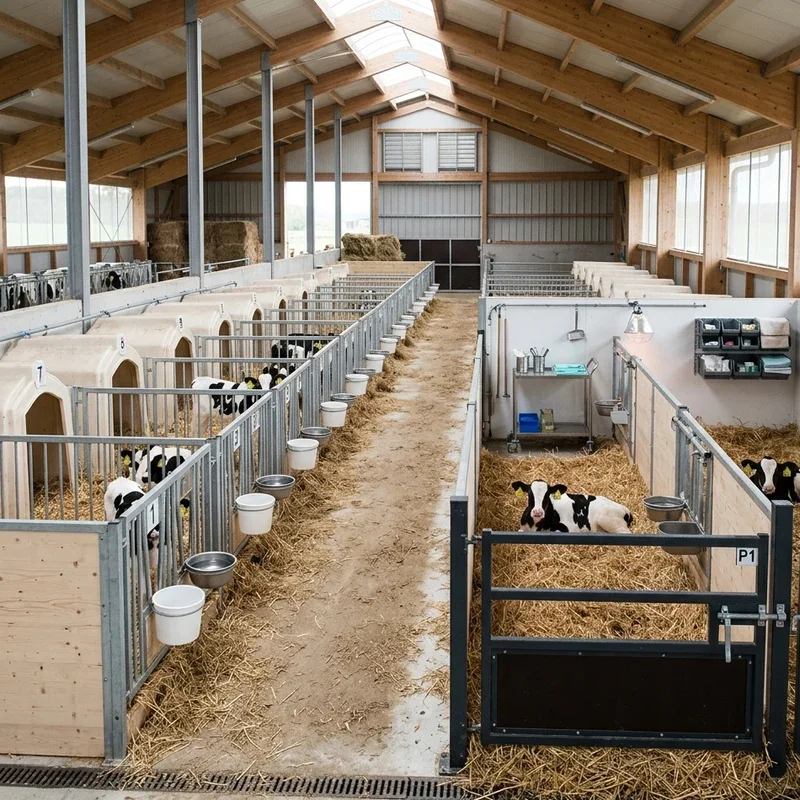
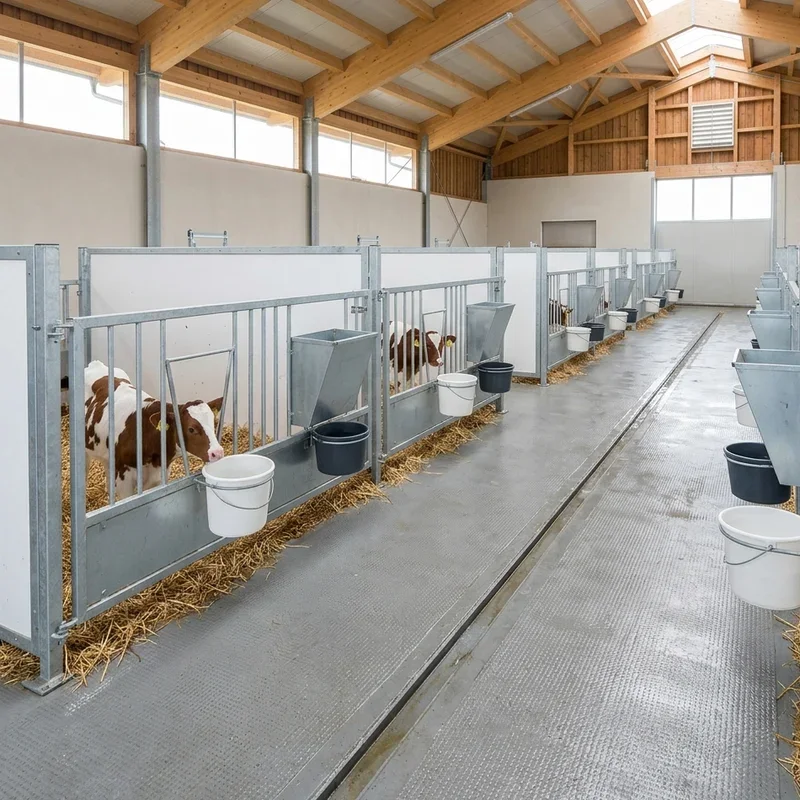
Easy-clean flooring systems determine whether daily sanitation takes minutes or hours throughout barn maintenance schedules impacting both labor costs and biosecurity effectiveness directly always. Cleaning ease equals barn success, right really? Choose smooth sealed concrete with appropriate slip-resistant finishes balancing easy cleaning with safe footing throughout calf movement areas reliably everywhere. Add rubber matting in resting areas providing comfortable surfaces while maintaining cleanability through routine pressure washing during daily sanitation routines effectively. Include drainage channels strategically placed enabling water and waste flow toward collection systems without pooling in calf-accessible areas anywhere. Consider epoxy floor coatings creating impermeable surfaces resisting bacterial penetration while withstanding pressure washing chemicals throughout long-term use reliably always. Add quarterly deep cleaning protocols using approved disinfectants completely eliminating accumulated pathogens between calf groups maintaining biosecurity throughout all-in all-out management cycles. Your barn gains sanitation efficiency.
14. Camera Monitoring Setup
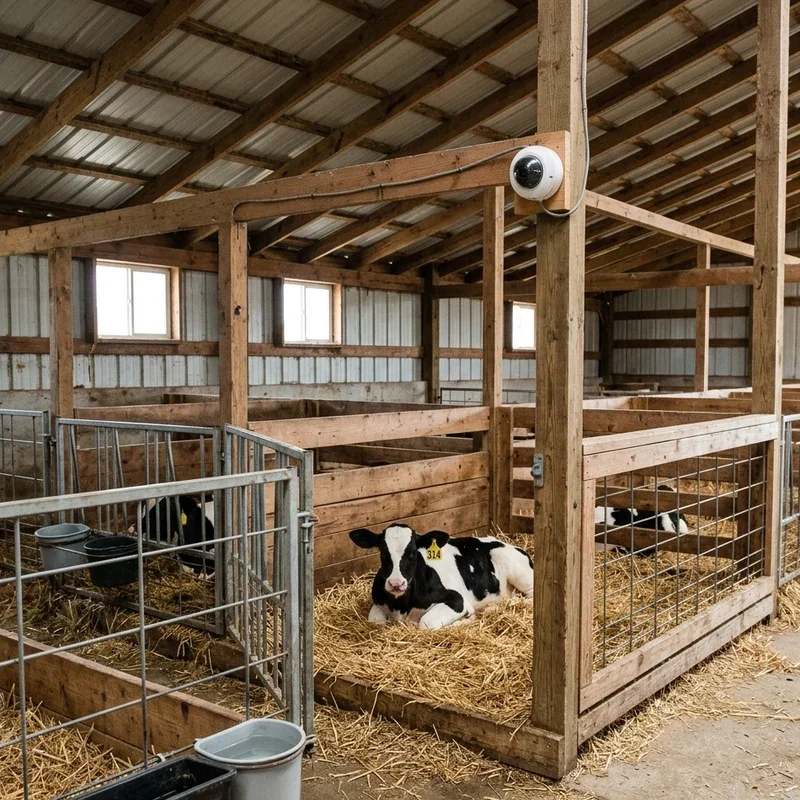
Camera monitoring setups enable remote barn supervision where farmers check calf welfare without physically entering facilities reducing both biosecurity risks and labor demands throughout. Eyes everywhere always, technology empowering farmers, right? Install IP cameras providing high-definition video feeds accessible through smartphones and computers from anywhere with internet connectivity throughout daily routines. Add night vision capabilities enabling overnight monitoring when calving and illness emergencies frequently occur outside normal daylight hours practically everywhere. Choose weather-resistant outdoor models withstanding dusty barn environments maintaining clear views without frequent cleaning requirements during long-term operation always. Consider motion-activated alerts notifying farmers about unusual calf behavior potentially indicating illness or birthing requiring immediate attention reliably throughout. Add cloud storage backing up video footage providing historical records useful for identifying disease patterns and treatment effectiveness over time. Your operation gains remote oversight capability.
15. Modular Expandable Design
Modular expandable design philosophies build calf barns supporting future operation growth where additions integrate seamlessly with original structures rather than requiring complete rebuilds beautifully throughout. Future-proof construction planning, smart investment, right? Plan initial buildings with end walls designed for easy removal enabling future extensions adding length without disrupting existing operations significantly throughout always. Add utility infrastructure including water lines, electrical capacity, and drainage systems sized for eventual expansion sizes preventing costly retrofits during growth phases. Include consistent construction methods, materials, and dimensions throughout original buildings ensuring future additions blend seamlessly with established structures aesthetically beautifully. Consider zoning permits and septic capacities accommodating maximum potential expansion sizes during initial planning preventing future regulatory roadblocks throughout growth processes always. Add flexible interior layouts using moveable pen systems adapting to changing operation needs without major construction projects efficiently. Your facility gains growth-ready architecture.
Conclusion
Calf barn design directly impacts every operation's success since healthy well-cared-for calves grow into productive cattle generating long-term farm profits beautifully throughout decades. These fifteen ideas demonstrate impressive variety from individual hutches to high-tech automated systems accommodating diverse operation sizes and management philosophies everywhere. Whether you favor traditional bedded packs, modern positive pressure ventilation, or expandable modular designs, your calves deserve facilities prioritizing welfare alongside efficiency. The key lies in balancing biosecurity, ventilation, and labor efficiency creating barns supporting both animal health and operational profitability throughout. Start designing your improved calf facility today.
Read next: 15 Cow Barn Ideas Every Modern Farm Should Consider
Frequently Asked Questions
Q1: How much space does each individual calf hutch require?
A: Allow thirty-two square feet minimum per hutch with adequate spacing between neighboring units.
Q2: What's the ideal age for moving calves from hutches to group pens?
A: Move calves around eight weeks old after weaning based on individual development progress.
Q3: How many calves should share one automatic feeding station?
A: Limit each automatic feeder to twenty-five calves preventing competition during peak feeding times.
Q4: What ventilation rate do calf barns require for proper air quality?
A: Provide four air changes per hour minimum during winter and forty during summer.
Q5: How important is colostrum management in calf barn design?
A: Critically important; design dedicated colostrum feeding areas with proper temperature storage capabilities throughout.
Stay up to date with our latest ideas!