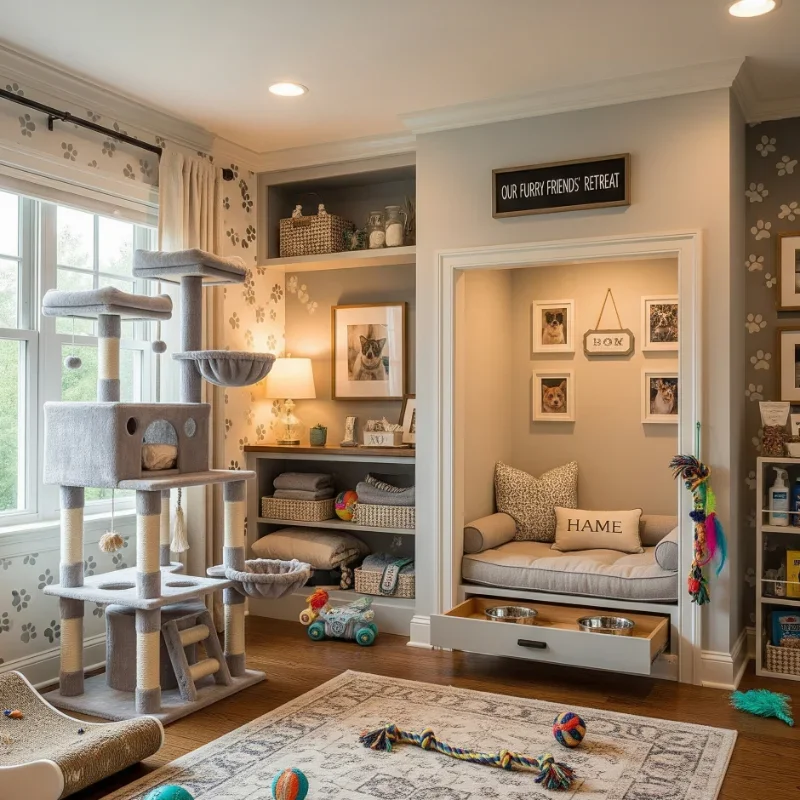
Pet Rooms That Glow With Personality
Discover creative pet room ideas that glow with personality, combining comfort, style, and functional design to create a special space for your pet.
Pet spaces have evolved far beyond a dog bed in the corner or a cat tree by the window. Today's pet owners design dedicated rooms and zones that support comfort, enrichment, hygiene, and aesthetics at the same time.
The trend reflects a broader shift in pet ownership. According to the American Pet Products Association, U.S. pet industry spending reached $158 billion in 2025, demonstrating continued investment in pet care and home-focused upgrades.
A modern pet room should do more than look good. It should improve daily routines, support animal behavior, and create an environment that both pets and owners enjoy.
Start With Function Before Design
Every successful pet room begins with function.
Dogs and cats interact with their environments differently. A well-designed space accounts for movement patterns, rest cycles, feeding habits, and sensory stimulation.
Before selecting décor, define the room's primary purpose:
Sleeping and relaxation
Feeding and hydration
Play and enrichment
Grooming and cleaning
Storage for supplies
Separating these activities creates a more organized environment. It also helps reduce stress for pets by providing predictable zones for daily routines.
Flooring deserves special attention. Luxury vinyl plank, sealed concrete, and textured porcelain tile offer durability and resistance to moisture. These materials also simplify cleaning compared to carpeted surfaces.
Lighting Creates Atmosphere
Lighting is one of the most overlooked elements in pet room design.
Natural daylight remains the ideal primary light source. It supports healthy circadian rhythms and creates a more stimulating environment for indoor pets.
Artificial lighting should complement natural light rather than overpower it.
Many pet owners are now incorporating decorative LED features and custom neon signs to create visual focal points. When installed correctly, these fixtures add personality without generating significant heat. They also provide ambient illumination that helps define pet-specific areas within larger rooms.
The key is placement.
Avoid positioning bright lights directly above sleeping zones. Instead, use accent lighting near shelving, photo displays, feeding stations, or feature walls.
Soft indirect lighting often produces a calmer environment than overhead fixtures alone.
Design Around Pet Behavior
The best pet rooms work with natural instincts rather than against them.
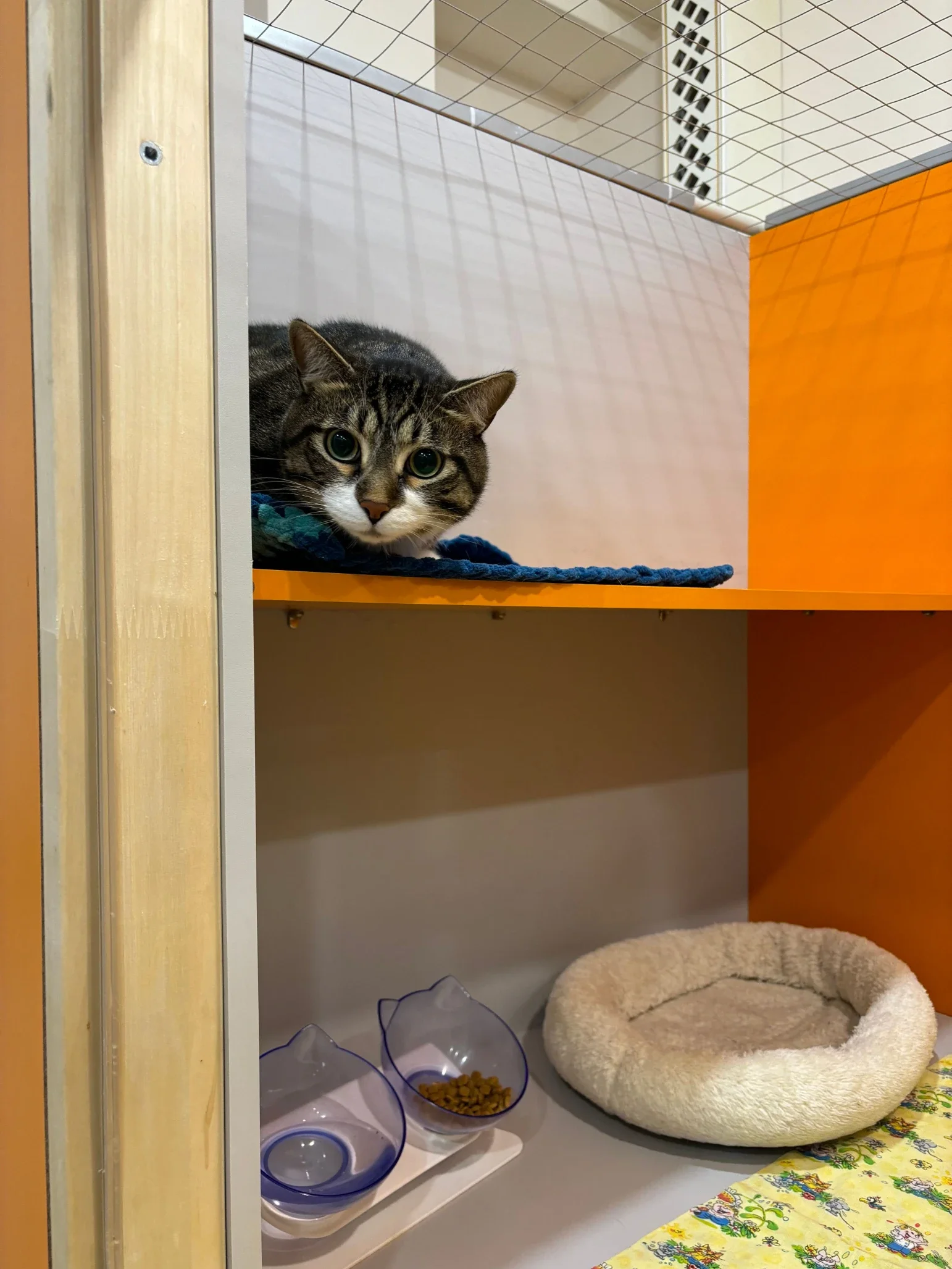
Cats benefit from vertical territory. Elevated shelves, climbing structures, and window perches allow them to observe their surroundings while feeling secure.
Dogs typically prefer open floor plans that allow movement and visibility.
Consider incorporating:
Elevated resting areas for cats
Hidden retreat zones for anxious pets
Observation points near windows
Dedicated toy storage systems
Interactive enrichment stations
Behavioral enrichment is not just a luxury feature. It contributes to mental stimulation and can help reduce destructive behaviors caused by boredom.
A room designed around natural behaviors often requires fewer corrections and interventions from owners.
Create a Personalized Feature Wall
Feature walls have become a popular design element in modern pet rooms.
Unlike traditional decorative walls, pet-focused feature walls combine visual appeal with functional organization.
Common elements include framed pet photography, shelving for awards or keepsakes, leash storage systems, and custom lighting installations.
A feature wall can also serve as a central organizational hub. Hooks, baskets, and mounted storage reduce clutter while keeping frequently used items accessible.
When selecting materials, choose surfaces that resist scratches and can be cleaned easily.
Wood slats, sealed panels, and washable paint finishes typically outperform delicate decorative materials in pet environments.
Storage Should Be Built Into the Design
Storage becomes increasingly important as pet households accumulate supplies.
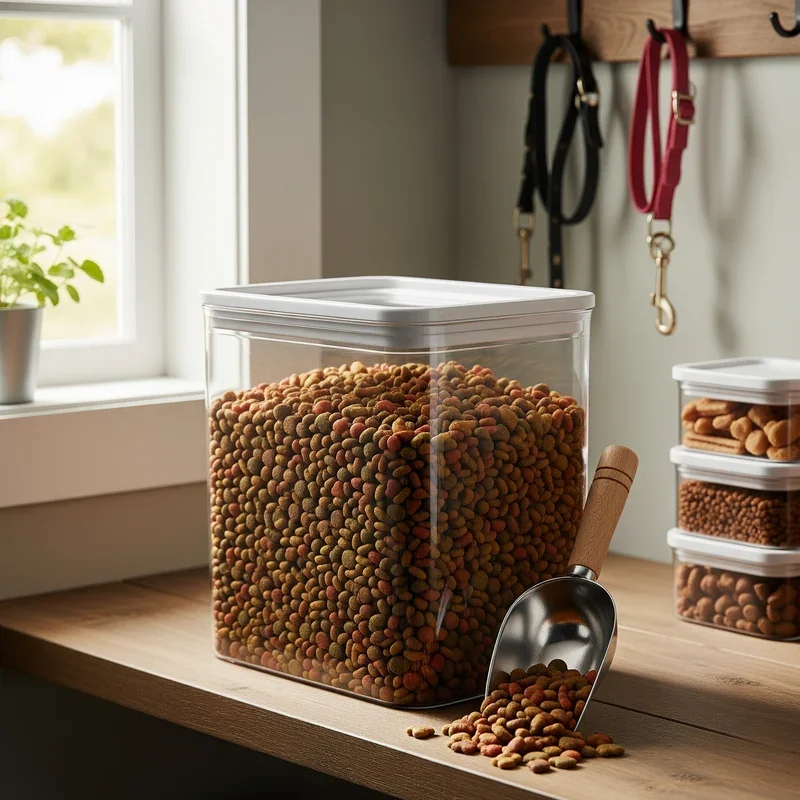
Food containers, grooming tools, medications, toys, bedding, and cleaning products require dedicated space.
Built-in storage solutions create a cleaner appearance while improving functionality.
Effective storage systems often include:
Pull-out feeding drawers
Closed cabinets for supplies
Open shelving for decorative items
Hidden waste management stations
Dedicated charging areas for smart pet devices
Integrating storage into the room's architecture prevents visual clutter and maintains a cohesive design.
The Future of Pet Room Design
Modern pet rooms are becoming more sophisticated because owners increasingly view pets as family members.
The most successful spaces combine practical planning with personal expression.
Thoughtful lighting, durable materials, integrated storage, enrichment features, and personalized décor all contribute to a room that feels intentional.
When these elements work together, a pet room becomes more than a designated space. It becomes an extension of the home that reflects the personality of both the pet and the people who care for them.
Stay up to date with our latest ideas!