15 Indoor Dog Kennel Ideas for Cozy Spaces
Transform your home with creative indoor dog kennel ideas that blend comfort, style, and functionality for your furry friend's perfect space.
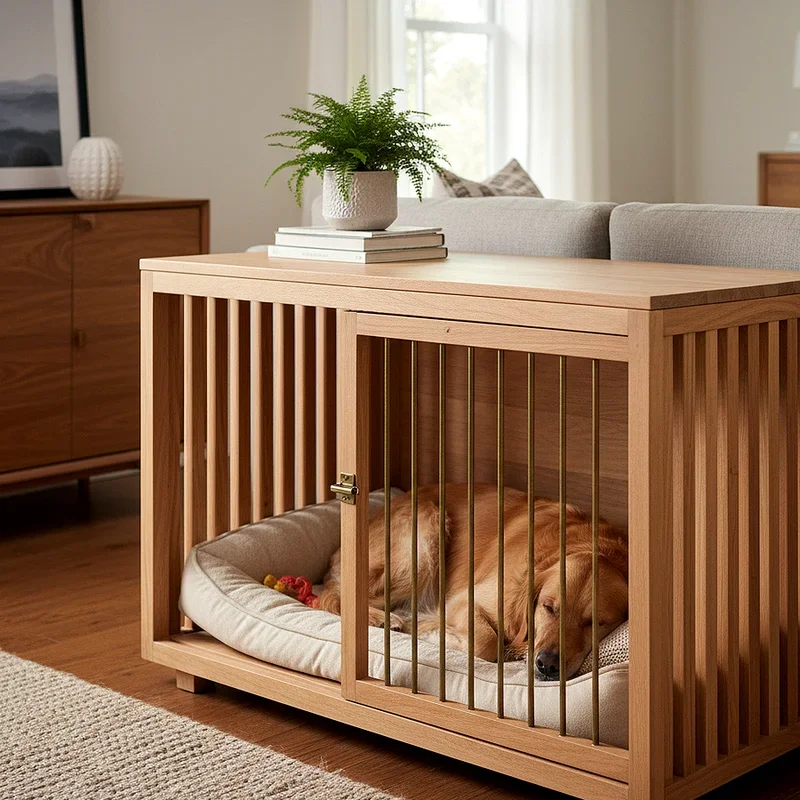
Have you ever wondered how to create a personal sanctuary for your furry companion without sacrificing your home's aesthetic appeal? Indoor dog kennels have evolved far beyond basic wire crates, transforming into stylish, comfortable spaces that both you and your pet will love. Whether you're working with a compact apartment or a spacious home, designing the perfect indoor kennel requires thoughtful consideration of your dog's needs, your available space, and your interior design preferences. These cozy retreats serve multiple purposes, from providing a safe haven during stressful situations to offering a dedicated sleeping area that helps with house training and boundary setting. Think of an indoor kennel as your dog's personal bedroom, a place where they can retreat, relax, and feel completely secure.
1. Under-Stairs Kennel Conversion
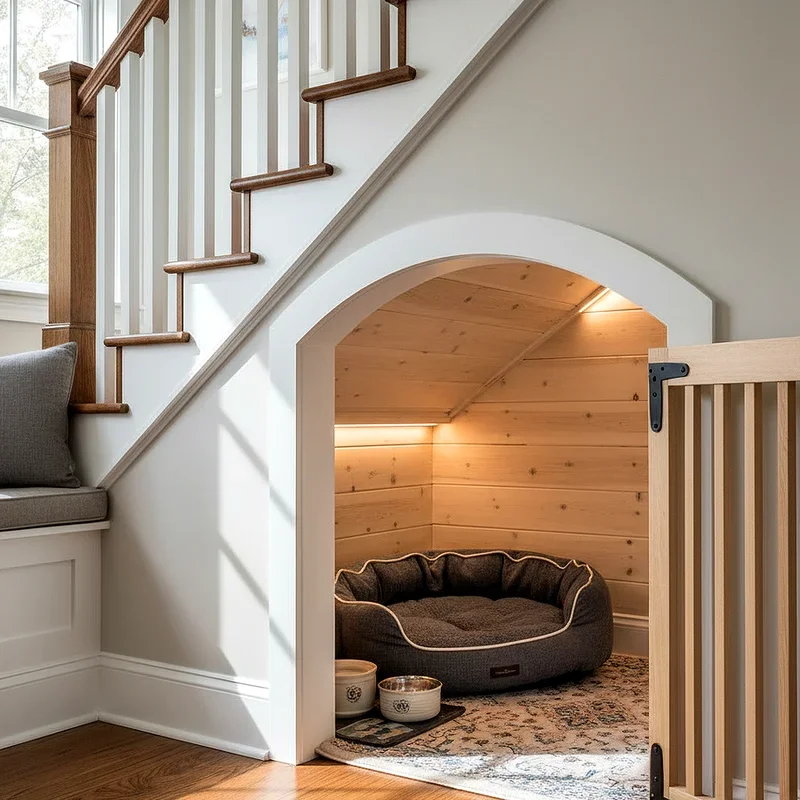
Transforming the often-wasted space beneath your staircase into a custom dog kennel represents one of the most creative uses of underutilized square footage in your home. This clever design approach maximizes functionality while maintaining your living area's flow and aesthetic appeal. You can install a stylish gate or door that matches your existing woodwork, creating a seamless integration with your home's architecture. The natural ceiling slope provides a cozy, den-like atmosphere that appeals to your dog's instinctual preferences for enclosed spaces. Add comfortable bedding, proper ventilation, and perhaps a small light fixture to create an inviting retreat. This solution works exceptionally well for medium to large dogs who need substantial space without dominating your main living areas.
2. Built-In Cabinet Kennel Design
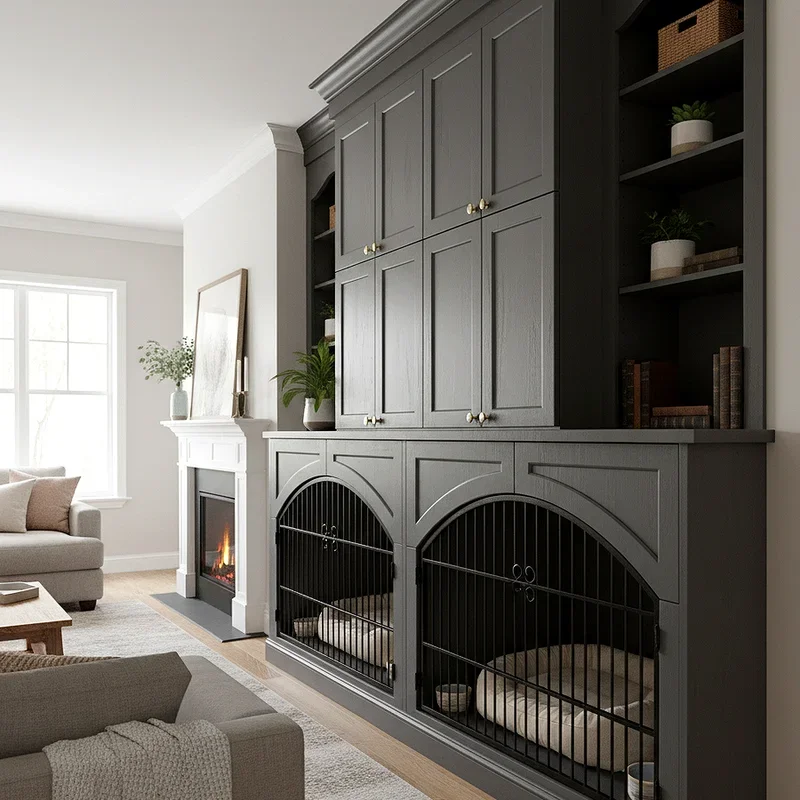
A built-in cabinet kennel offers the ultimate blend of sophistication and practicality, appearing as an elegant piece of furniture while serving as your dog's private quarters. Custom carpentry allows you to match existing cabinetry, crown molding, and hardware throughout your home, ensuring complete design cohesion. These kennels typically feature removable panels for easy cleaning, integrated storage for dog supplies, and proper ventilation systems disguised as decorative elements. You might incorporate features like pull-out food and water stations, hidden toy storage, or even charging stations for electronic training devices. The investment in quality construction pays dividends through durability and timeless appeal. This approach particularly suits homeowners who prefer concealing pet accommodations within their overall interior design scheme while providing optimal comfort for their canine companions.
3. Furniture-Style Crate Integration
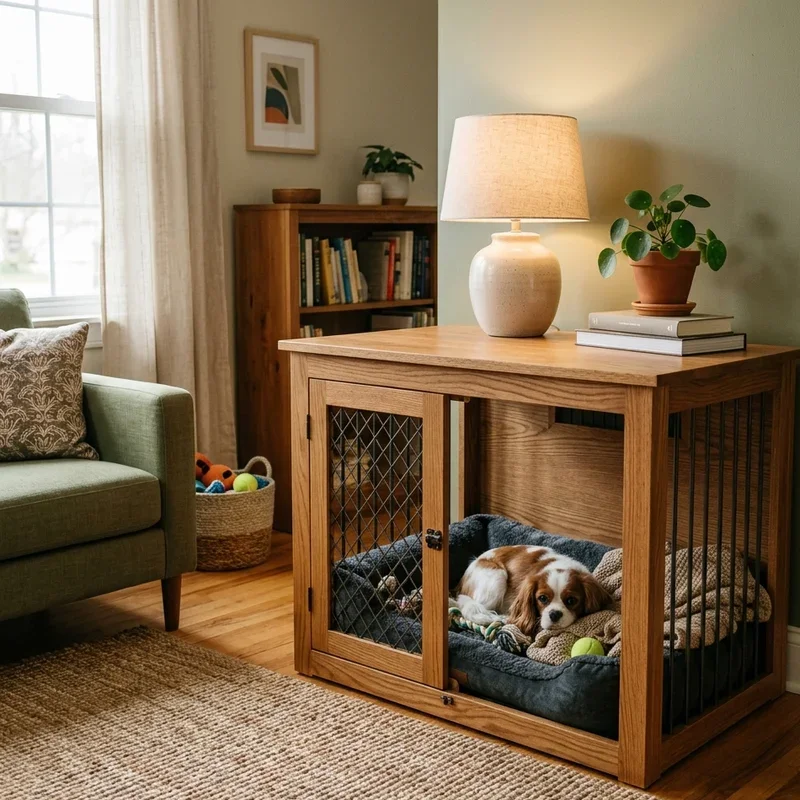
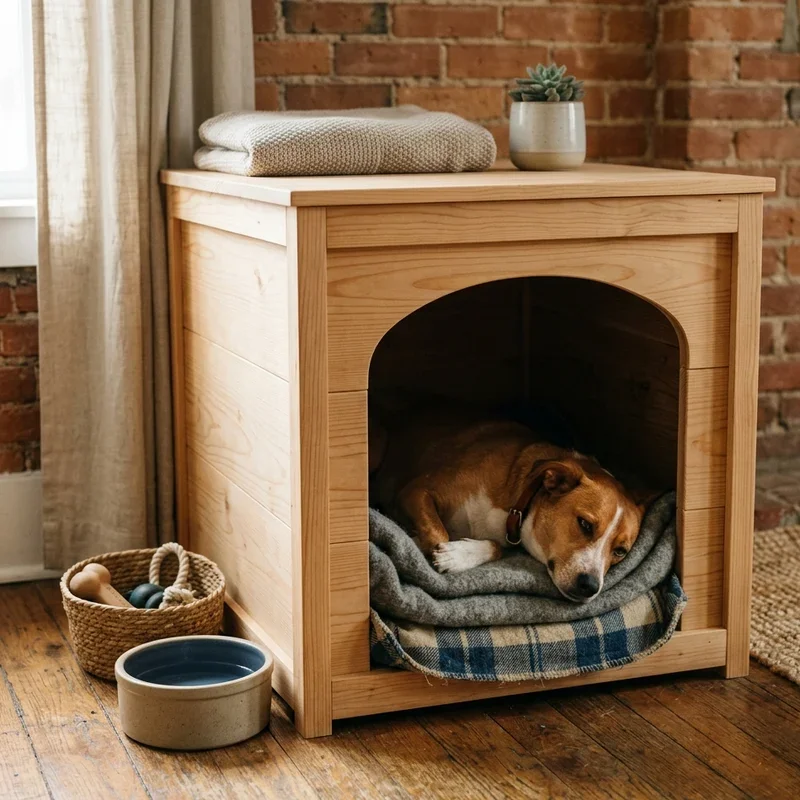
Furniture-style dog crates have revolutionized indoor kenneling by disguising functional pet spaces as attractive end tables, nightstands, or console tables throughout your home. These dual-purpose pieces allow you to maintain your decorating standards while accommodating your pet's needs without compromise. Available in various finishes including espresso, white, rustic wood, and modern metal combinations, these crates complement virtually any decorating style from farmhouse to contemporary. The solid construction provides security and comfort while the furniture top offers additional display or storage space for your belongings. Many models feature removable trays for effortless cleaning and adjustable dividers for growing puppies. This solution proves ideal for apartment dwellers or anyone seeking to maximize functionality without adding visual clutter to their carefully curated living spaces.
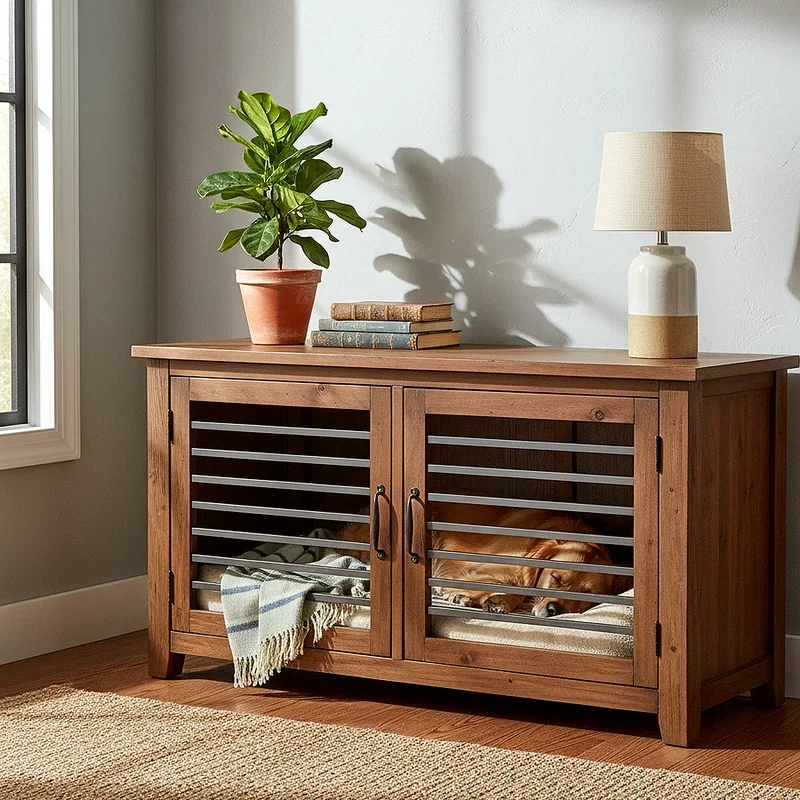
4. Corner Nook Kennel Setup
Corner spaces often remain underutilized in room layouts, making them perfect candidates for creative dog kennel placement that optimizes your floor plan efficiency. A corner nook kennel can be as simple as a decorative screen arrangement or as elaborate as custom-built cabinetry designed specifically for that awkward angle. This positioning keeps your dog's space out of main traffic patterns while still allowing them to observe household activities and feel included in family life. You can enhance the area with corner-specific furniture pieces, hanging plants above for a botanical touch, or coordinating wall art that draws the eye upward. The angular walls create natural boundaries that many dogs find psychologically comforting and secure. This arrangement works wonderfully in bedrooms, home offices, or family rooms where floor space comes at a premium.
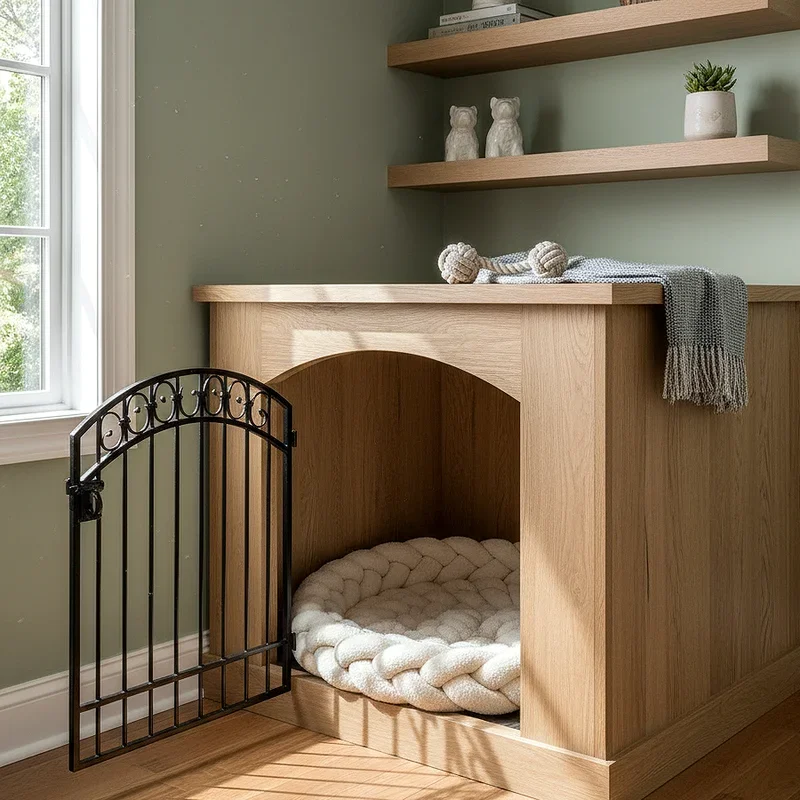
5. Closet Conversion Kennel
Converting an underused closet into a dedicated dog kennel provides an enclosed, quiet space that many anxious or noise-sensitive dogs particularly appreciate for their comfort and security. This transformation typically involves removing the closet door and replacing it with a stylish gate, Dutch door, or sliding barn door that allows visibility and airflow while maintaining containment. You can install weatherproof flooring, mount bowls at appropriate heights, and add shelving above the kennel area for convenient storage of leashes, grooming supplies, and toys. The existing walls minimize construction requirements while providing excellent sound dampening for dogs who need help settling during thunderstorms or fireworks. Proper lighting ensures your pet doesn't feel isolated in a dark space. This solution excels for creating dedicated, personalized spaces in bedrooms or laundry rooms where existing closets provide perfect dimensions.
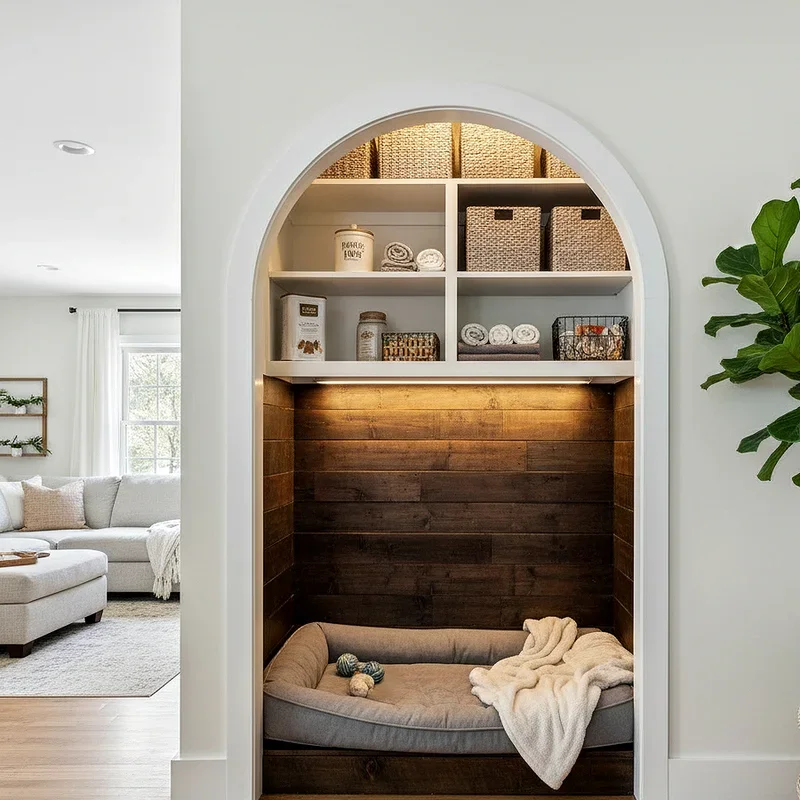
6. Window Seat Kennel Combination
A window seat kennel combination transforms a sunny spot into a dual-purpose area where your dog can rest comfortably while enjoying natural light and outdoor views throughout the day. This design typically features a cushioned bench seat for humans above a kenneled area below, accessible through a side door or front gate. The elevation allows your dog to watch backyard activities, observe neighborhood happenings, and maintain visual connection with passing family members, reducing separation anxiety and boredom. Custom cushions in pet-friendly, washable fabrics coordinate with your room's color scheme while providing comfort for both species. Built-in storage drawers can house pet supplies, seasonal items, or general household goods. This creative solution particularly appeals to dogs with high social needs who thrive on environmental stimulation and observation opportunities.
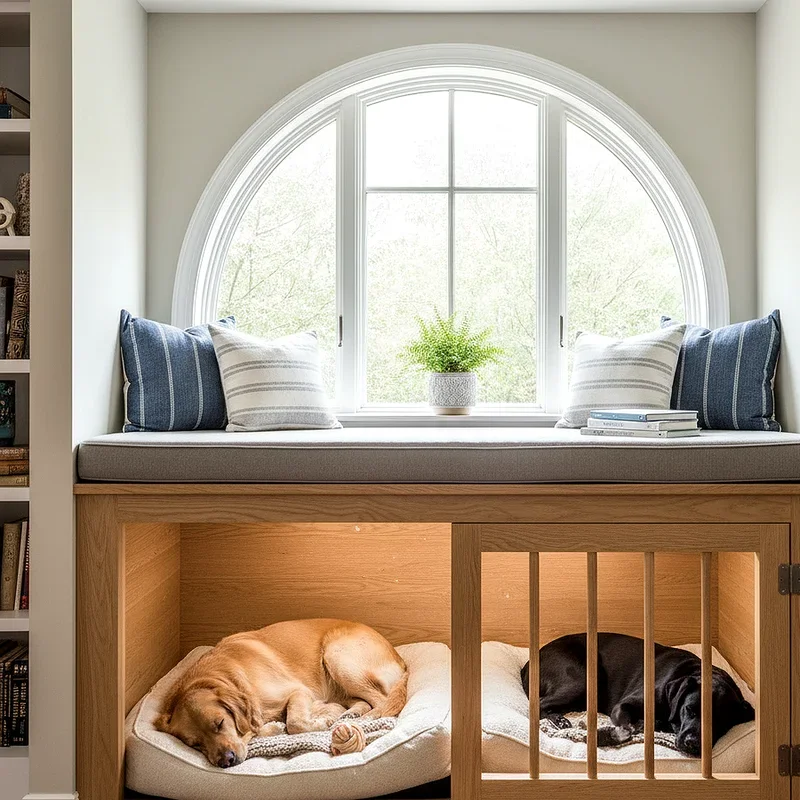
7. Room Divider Kennel Solution
Using a dog kennel as a functional room divider addresses spatial challenges while creating distinct zones within open-concept living areas that many modern homes feature. This approach works particularly well in studio apartments or great rooms where defining separate areas enhances both functionality and visual appeal. A substantial, attractive kennel positioned strategically can separate living and dining spaces, create a home office boundary, or divide sleeping areas in shared bedrooms. Choose designs with appealing aesthetics from all viewing angles, ensuring the kennel enhances rather than detracts from both spaces it divides. This placement allows your dog to remain centrally located and involved in household activities from multiple rooms simultaneously. The room divider approach proves especially valuable for social dogs who dislike isolation but still need their own defined territory.
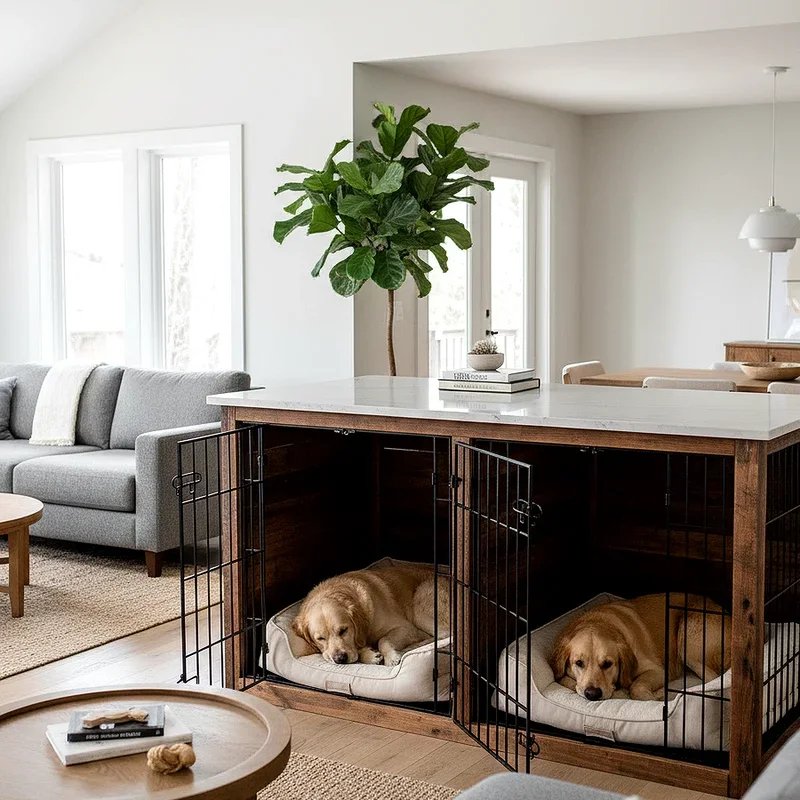
8. Multi-Level Kennel for Multiple Dogs
Households with multiple dogs often struggle with space constraints, making multi-level kennel systems an ingenious solution that accommodates several pets without consuming excessive floor space in your home. These vertical designs stack individual kennel spaces, similar to bunk beds for dogs, with each level featuring separate access doors, bedding areas, and sometimes integrated feeding stations. Proper construction ensures structural stability, adequate ventilation for each compartment, and safe entry and exit points that accommodate different dog sizes and mobility levels. Some designs incorporate ramps or stairs rather than requiring jumping, which benefits senior dogs or breeds prone to joint issues. This arrangement allows each dog to maintain their personal space while coexisting peacefully in close proximity. Multi-level kennels work best when tailored to your specific dogs' sizes, temperaments, and household dynamics.
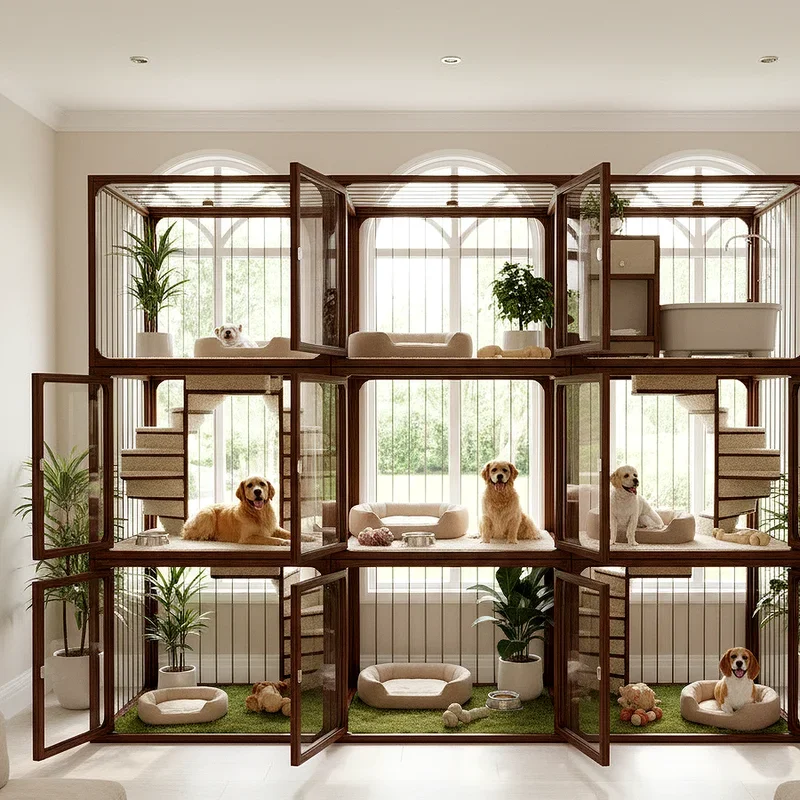
9. Mudroom Entry Kennel Station
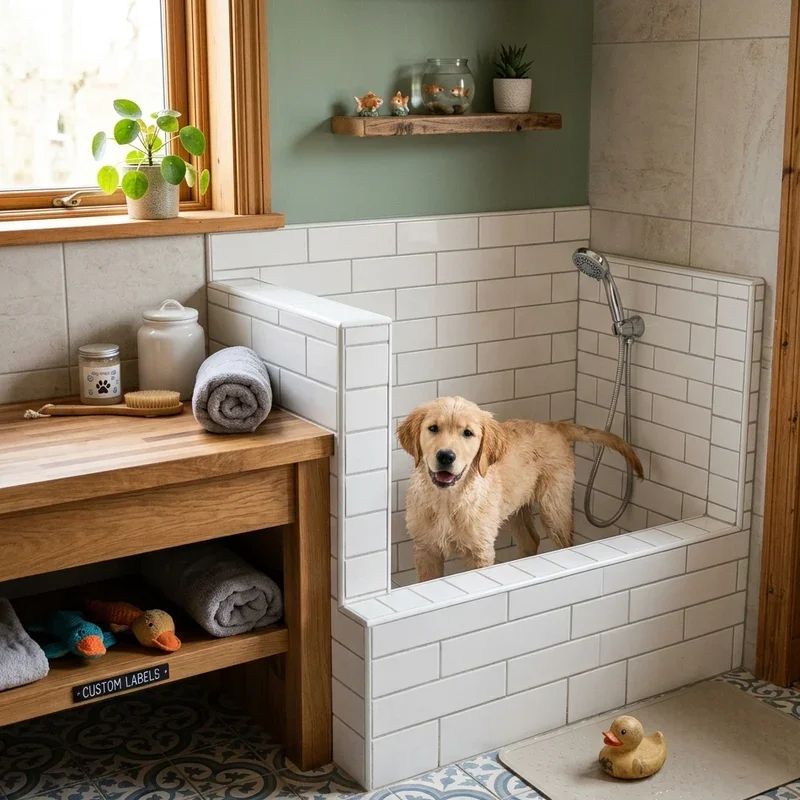
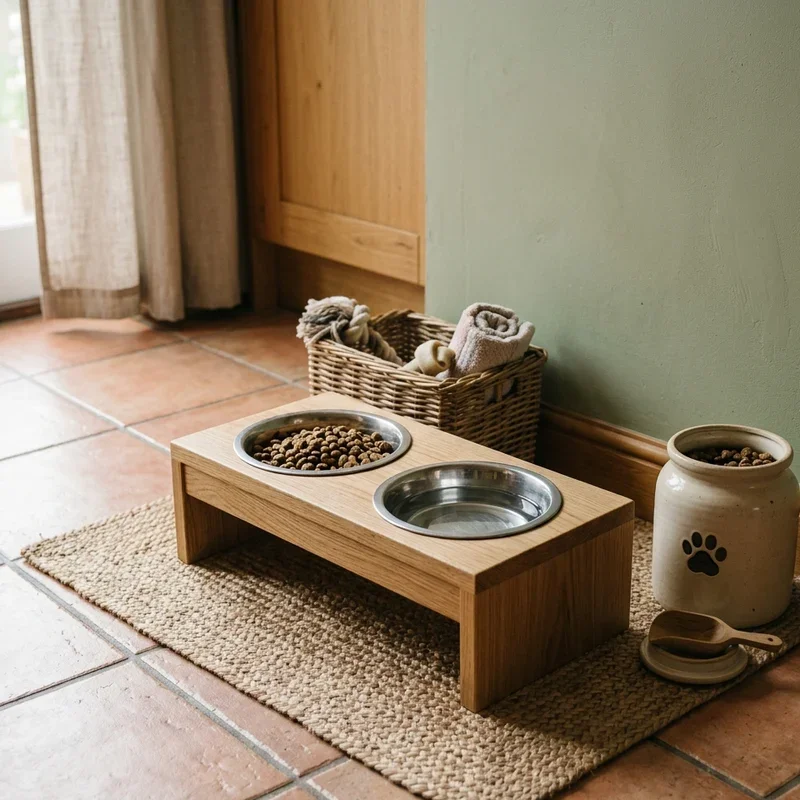
A mudroom kennel station creates a dedicated transition zone where your dog can settle after outdoor adventures before entering main living areas, helping contain dirt, moisture, and outdoor debris effectively. This practical design typically includes the kenneled sleeping area along with integrated features like paw-washing stations, towel storage, leash hooks, and treat dispensers all within arm's reach. Durable, water-resistant materials and easily cleanable surfaces make maintenance straightforward after muddy walks or rainy day excursions. The mudroom location naturally conditions your dog to pause and calm down upon entering the house, establishing helpful behavioral patterns. Built-in storage keeps outdoor gear organized and accessible while maintaining a tidy appearance. This comprehensive approach particularly benefits active dogs and outdoor-loving families who need efficient systems for managing the transition between adventures and indoor relaxation time.
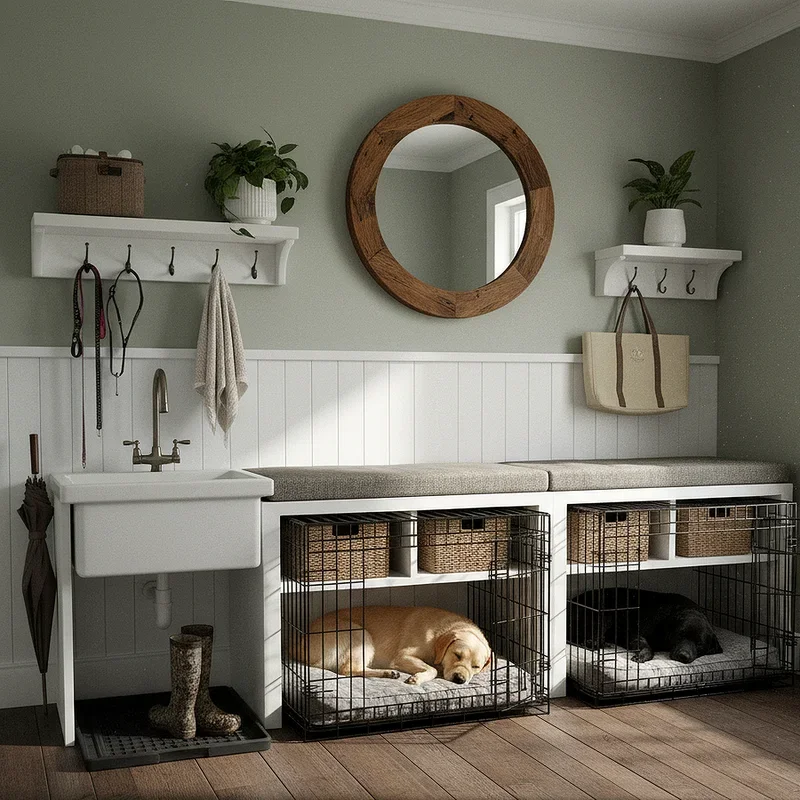
10. Minimalist Wire Crate Upgrade
Even traditional wire crates can undergo transformations that elevate their appearance from utilitarian to intentionally designed through thoughtful upgrades and strategic placement within your space. Start with a high-quality wire crate in an attractive finish like black, white, or metallic, then enhance it with custom covers made from fabrics that complement your decor. Add a coordinating platform base or decorative tray underneath to define the space and protect flooring from scratches or moisture. Incorporate plush bedding, throw pillows, and perhaps a small lamp nearby to create ambiance and warmth. Position the upgraded crate deliberately as you would any furniture piece, considering sight lines, traffic flow, and your dog's preferences. This budget-friendly approach allows flexibility since wire crates remain portable and adjustable while achieving a polished, intentional appearance.
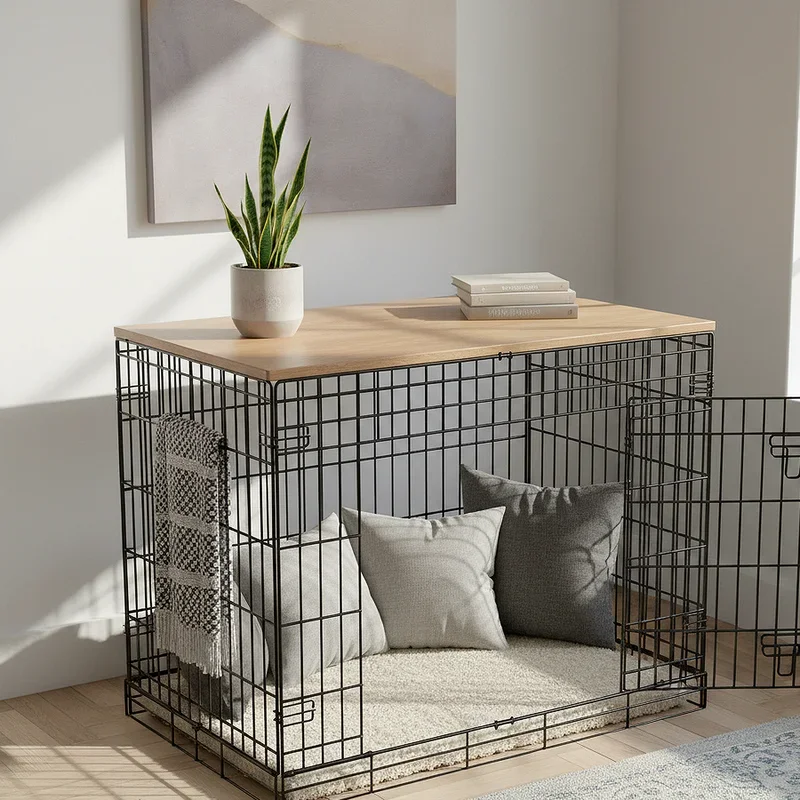
11. Vintage Trunk Kennel Makeover
Repurposing a vintage trunk or chest into a unique dog kennel combines sustainability, character, and functionality while creating an extraordinary conversation piece that reflects your creative design sensibility. Hunt for large trunks at antique shops, estate sales, or online marketplaces, seeking pieces with sufficient interior dimensions for your dog's comfortable accommodation. The conversion process involves adding ventilation holes disguised as decorative elements, installing proper door mechanisms, and ensuring no sharp edges or harmful materials remain inside. Restore or refinish the exterior to match your aesthetic preferences, whether maintaining authentic patina or applying fresh paint for a more contemporary look. Line the interior with comfortable, washable bedding that protects both dog and trunk. This one-of-a-kind approach works beautifully in vintage, eclectic, or bohemian-styled homes where unique character pieces enhance rather than clash with the overall design narrative.
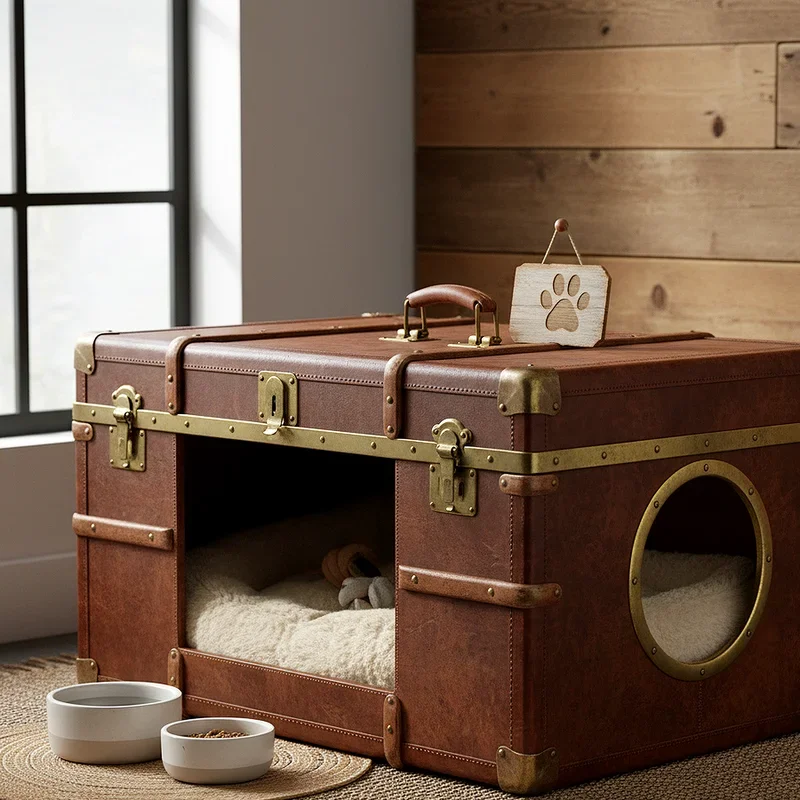
12. Floating Shelf Kennel for Small Dogs
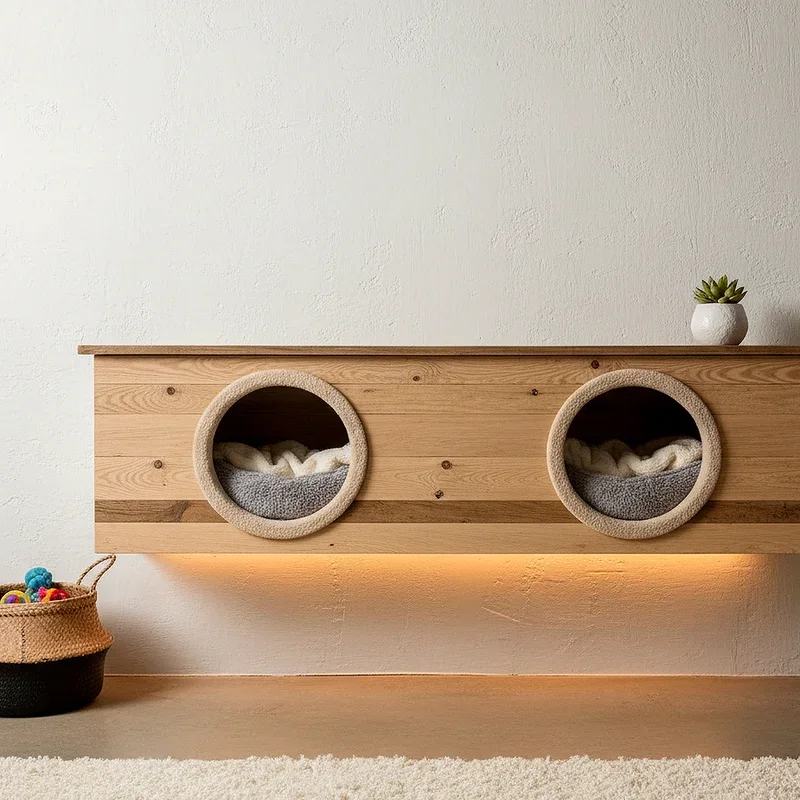
Small dog owners can capitalize on vertical space by creating elevated, floating shelf kennels that keep tiny companions safe from floor-level hazards while adding architectural interest to your walls. These raised platforms typically attach securely to wall studs and include safety railings, comfortable padding, and integrated steps or ramps for safe access. The elevated position appeals to small dogs' desire for secure vantage points while keeping them away from larger pets or small children who might inadvertently cause stress or injury. Design elements can range from modern floating boxes to elaborate castle-themed structures depending on your home's style and your willingness to embrace whimsical elements. This solution particularly benefits toy breeds like Chihuahuas, Yorkies, or Pomeranians who naturally seek high perches. The space beneath remains usable for other furniture or storage purposes, maximizing your room's functional capacity.
13. Television Console Kennel Integration
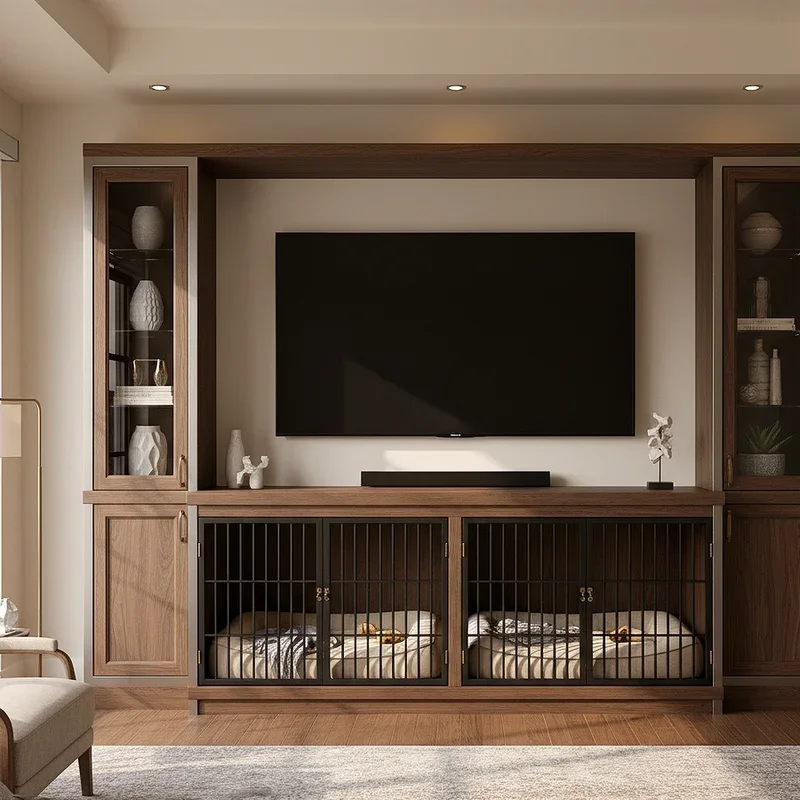
Integrating your dog's kennel into a custom television console creates a media center that serves both entertainment and pet accommodation needs within a single, cohesive furniture piece. This design typically features the television mount or surface centrally positioned with component storage on one side and the kenneled area on the other, maintaining visual balance and proportion. The kennel section includes proper ventilation, comfortable dimensions, and a door that coordinates with the overall design aesthetic, often using materials like wrought iron, wood slats, or decorative metal screens. Your dog benefits from being in a central location where family members gather frequently, reducing isolation while you gain a streamlined, intentional design that eliminates separate furniture pieces. This approach works especially well in family rooms or master bedrooms where television viewing and pet supervision naturally coincide throughout daily routines.
14. Bookshelf Kennel Hybrid Design
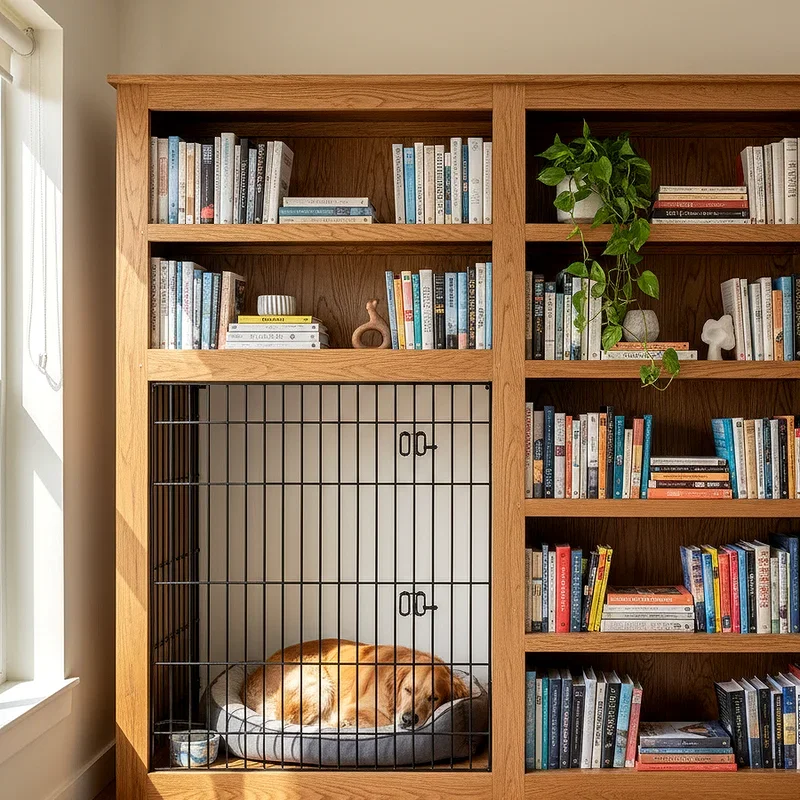
A bookshelf kennel hybrid combines literary storage with pet accommodation, creating an intellectual aesthetic that appeals to book lovers who refuse to compromise their personal style for pet ownership practicalities. These designs typically feature multiple shelving levels for books, decorative objects, and personal collections, with one substantial opening serving as the kenneled area complete with bedding and privacy options. The surrounding books and objects provide visual interest while the integrated kennel maintains functionality without appearing as an afterthought or separate element. This arrangement works particularly well in home offices, reading nooks, or bedroom settings where books naturally congregate and your dog appreciates your company during quiet activities. Choose sturdy construction capable of supporting both book weight and your dog's movements without compromising structural integrity or safety over time.
15. Portable Indoor Playpen Alternative
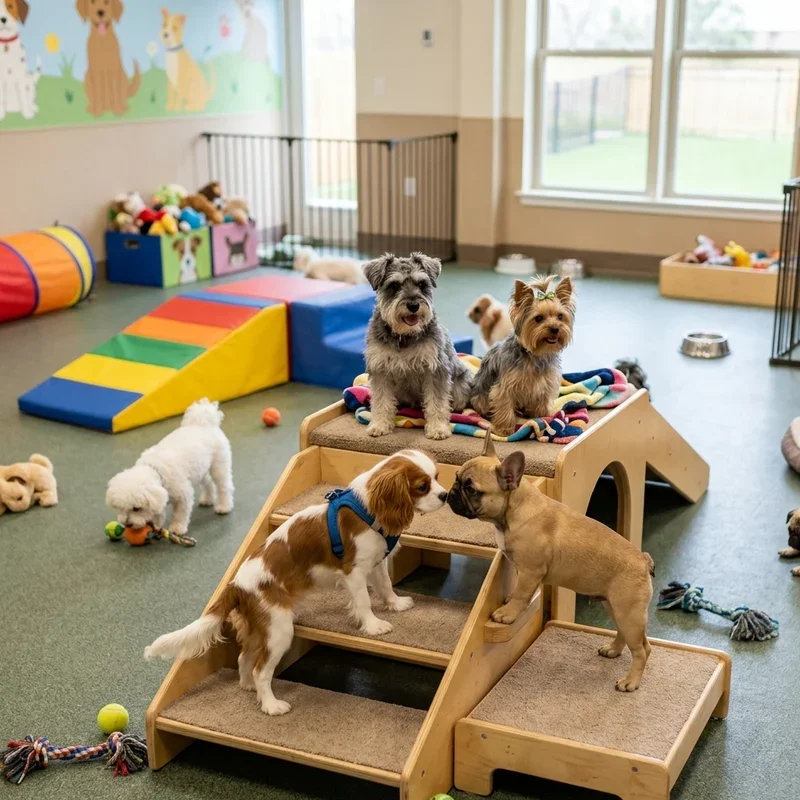
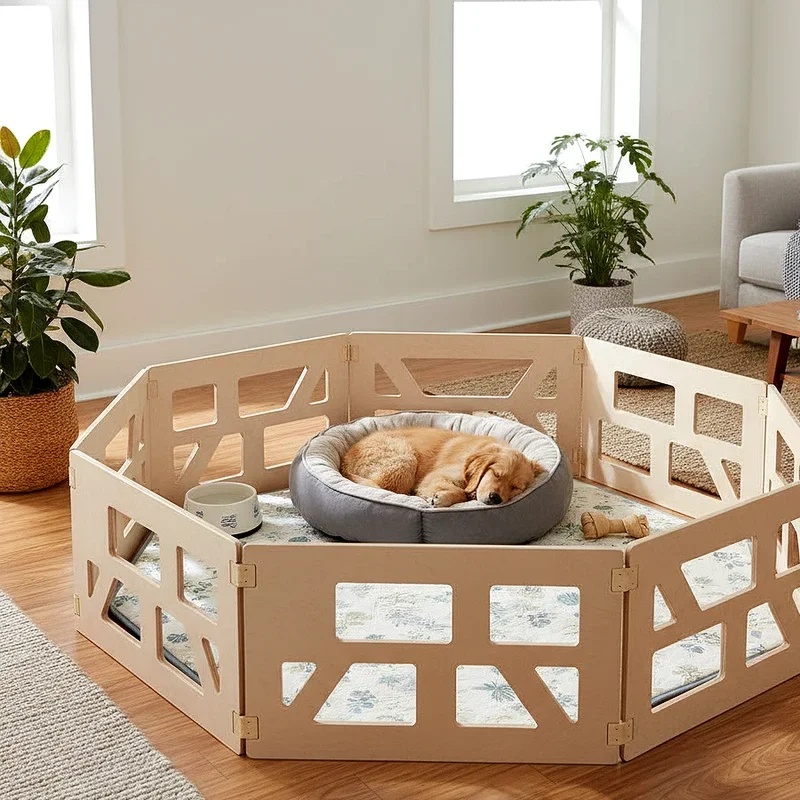
While traditional kennels offer permanent solutions, portable indoor playpens provide flexible alternatives that adapt to changing needs, multiple rooms, or temporary situations requiring adjustable containment options for your pet. These versatile enclosures fold for storage, expand to various configurations, and move easily between locations as your daily routines shift throughout your home. Modern designs incorporate aesthetic improvements over basic wire panels, including fabric covers, decorative panels, and furniture-quality finishes that blend with interior decor. The adjustable nature allows you to create larger spaces for active play sessions, then reduce the footprint for overnight sleeping arrangements. This flexibility particularly benefits puppies undergoing house training, dogs recovering from medical procedures, or households that frequently rearrange furniture or host guests. Portable solutions offer functionality without permanent commitment to specific floor plans or room configurations.
Conclusion
Creating the perfect indoor dog kennel involves balancing your aesthetic preferences with your dog's comfort, security, and behavioral needs in a harmonious design solution. These fifteen ideas demonstrate that pet accommodation no longer requires sacrificing style or compromising your carefully designed living spaces. From permanent built-in solutions to flexible portable options, modern kennel designs offer something for every home, budget, and dog personality. Remember that the best kennel considers your specific dog's size, temperament, and preferences while integrating seamlessly into your lifestyle and home environment. Your dog deserves a comfortable retreat, and you deserve a beautiful home where both can coexist perfectly.
Read next: 15 Dog Bed Ideas to Keep Your Pup Cozy
Frequently Asked Questions
Q1. What size should an indoor dog kennel be for my pet?
A: The kennel should allow your dog to stand, turn around, and lie down comfortably with several inches of clearance space.
Q2. How can I make my dog's indoor kennel more comfortable?
A: Add soft bedding, favorite toys, proper ventilation, appropriate lighting, and position it in a quiet yet socially connected location.
Q3. Are built-in kennels better than portable options?
A: Built-in kennels offer permanence and aesthetic integration while portable options provide flexibility for changing needs and room arrangements effectively.
Q4. How do I transition my dog to using an indoor kennel?
A: Introduce gradually with positive reinforcement, treats, comfortable bedding, and never use the kennel as punishment for misbehavior or negative associations.
Q5. Can indoor kennels help with house training puppies?
A: Yes, kennels leverage dogs' natural denning instincts and reluctance to soil sleeping areas, making them effective house training tools when used properly.
Stay up to date with our latest ideas!