How to Put On a Dog Harness the Right Way for Comfort
Learn how to put on a dog harness the right way for comfort with our complete guide. Master fitting techniques for stress-free walks.
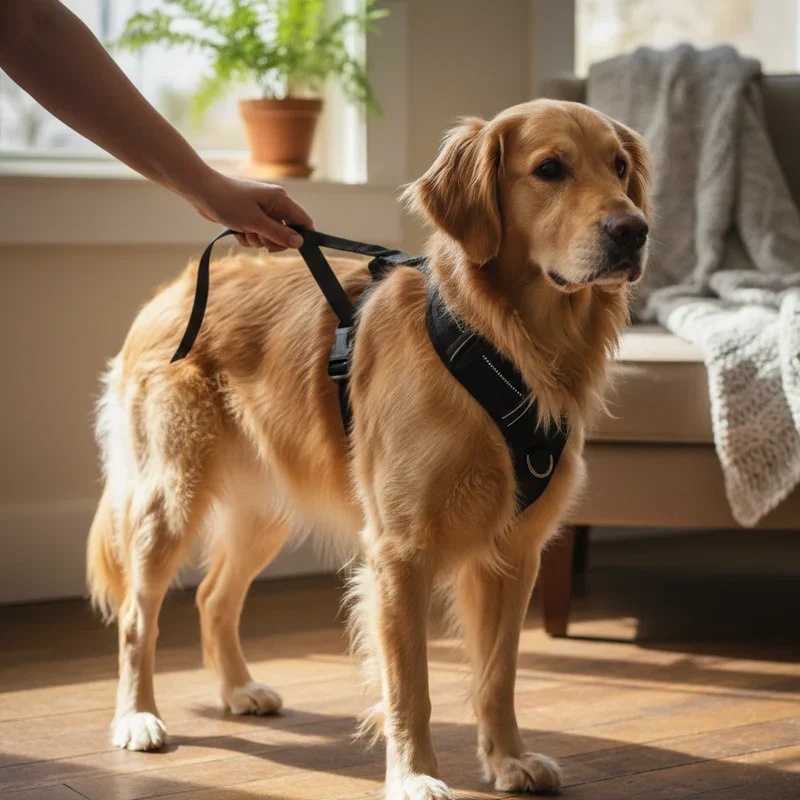
We've all been there. Standing in the hallway, harness in hand, while your furry friend either bounces around like a kangaroo on espresso or backs away like you're holding some medieval torture device. The struggle is real, and honestly, it can turn what should be an exciting pre-walk ritual into a frustrating wrestling match.
Here's the thing about dog harnesses though. When fitted correctly, they're absolute game-changers for both you and your pup. They distribute pressure evenly across the chest and shoulders rather than concentrating it on the delicate neck area like traditional collars do. They provide better control during walks. And for dogs who tend to pull like they're training for a sled race, harnesses can be real lifesavers.
But all those benefits fly right out the window if you're putting the harness on incorrectly. A twisted strap here, an over-tightened buckle there, and suddenly your dog is uncomfortable, restricted, or worse, at risk of chafing and injury. No wonder so many pups develop a love-hate relationship with their walking gear.
The good news? Learning how to put on a dog harness the right way for comfort isn't rocket science. It just takes a bit of know-how, some patience, and maybe a treat or two to sweeten the deal. Whether you've just adopted your first puppy or you're a seasoned dog parent struggling with a new harness style, this guide will walk you through everything you need to know.
By the time you finish reading, you'll be a harness-fitting pro, and your four-legged friend will actually look forward to getting geared up for adventures. Let's get started on making walk time the best time of the day.
Understanding Different Harness Styles
Before diving into the how-to, it helps to know what you're working with. Different harness designs require different fitting approaches.
Step-In Harnesses
These harnesses lay flat on the ground, and your dog literally steps into them with their front legs. Once positioned, you lift the harness up and fasten it across the back.
Step-in styles work wonderfully for dogs who don't love having things pulled over their heads. They're generally simpler to figure out since the design is fairly intuitive. The two leg holes sit parallel, and the fastening mechanism sits on top.
However, step-in harnesses require your dog to cooperate by placing their feet in specific spots. For wiggly puppies or impatient dogs, this can present some challenges initially.
Over-the-Head Harnesses
These harnesses slide over your dog's head first, then you secure the straps around the body. The main opening goes over the head and settles around the neck, while secondary straps wrap around the chest and fasten on the side or underneath.
Over-the-head designs often provide a more secure fit and are harder for Houdini dogs to wiggle out of. They're particularly popular for smaller breeds and dogs who've mastered the art of escape.
Vest-Style Harnesses
Vest harnesses provide more coverage and distribute pressure across a wider area. They typically fasten with one or two buckles along the side or back, offering excellent comfort for dogs with sensitive skin.
These styles resemble little jackets and are favorites among owners of small dogs, dogs with trachea issues, and those who want extra padding for their pet's comfort.
Front-Clip vs. Back-Clip Harnesses
The leash attachment point matters too. Front-clip harnesses attach at the chest and help redirect pulling dogs by turning them toward you when they lunge. Back-clip harnesses attach between the shoulder blades and work well for dogs who already walk nicely on leash.
Some harnesses offer both options, giving you flexibility based on your training needs.
How to Put On a Dog Harness the Right Way for Comfort: Preparation Steps
Setting yourself up for success makes the actual fitting process much smoother.
Gather Your Supplies
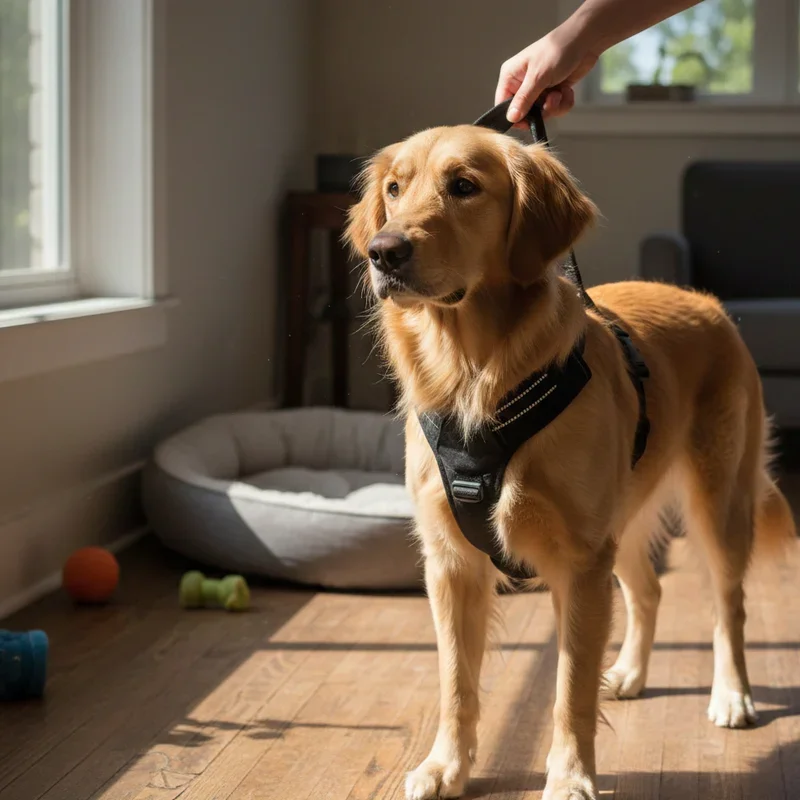
Before calling your dog over, have everything ready. The harness should be unbuckled and untangled. Keep some high-value treats nearby as positive reinforcement. Choose a calm, quiet area without distractions.
Laying out the harness beforehand helps you visualize how it should look on your dog. Many harnesses look confusing when bundled up but make perfect sense once spread flat.
Check the Harness Condition
Inspect the harness for any damage, fraying, or broken buckles before each use. Damaged equipment can fail at the worst possible moments, like when a squirrel suddenly appears across the street.
Make sure all adjustment straps are loosened enough to fit over your dog without forcing anything. You can always tighten later, but trying to squeeze your dog into too-tight loops creates negative associations.
Create a Positive Association
If your dog seems nervous about the harness, spend some time just letting them sniff and investigate it. Place treats on and around the harness. Let them approach on their own terms.
For dogs with existing harness anxiety, this desensitization process might need to happen over several days before you attempt actual fitting. Patience here pays dividends later.
Step-by-Step Fitting Instructions
Now for the main event. Here's how to properly fit each harness type.
Fitting a Step-In Harness
Start by laying the harness flat on the ground with the D-ring for leash attachment facing up. You should see two leg holes side by side.
Guide your dog to stand over the harness. Gently lift each front paw and place it in the appropriate hole. Some dogs learn to step in on their own with practice and encouragement.
Once both legs are through, lift the harness straps up your dog's sides and connect the buckle across the back. The leash attachment should sit centered between the shoulder blades.
Adjust straps so the harness fits snugly but allows you to slip two fingers comfortably underneath any strap. Check that nothing twists during the lifting process.
Fitting an Over-the-Head Harness
Hold the harness open by the neck hole and encourage your dog to put their head through. Using treats as a lure works beautifully here. Hold a treat on the other side of the neck opening so your dog reaches through to get it.
Once the head is through and the neck piece sits properly, guide your dog's front leg through the appropriate leg hole if your harness has one. Some over-the-head designs simply wrap around rather than requiring leg threading.
Fasten any remaining buckles along the side or underneath the chest. Ensure the harness sits flat against the body without bunching or twisting.
Fitting a Vest-Style Harness
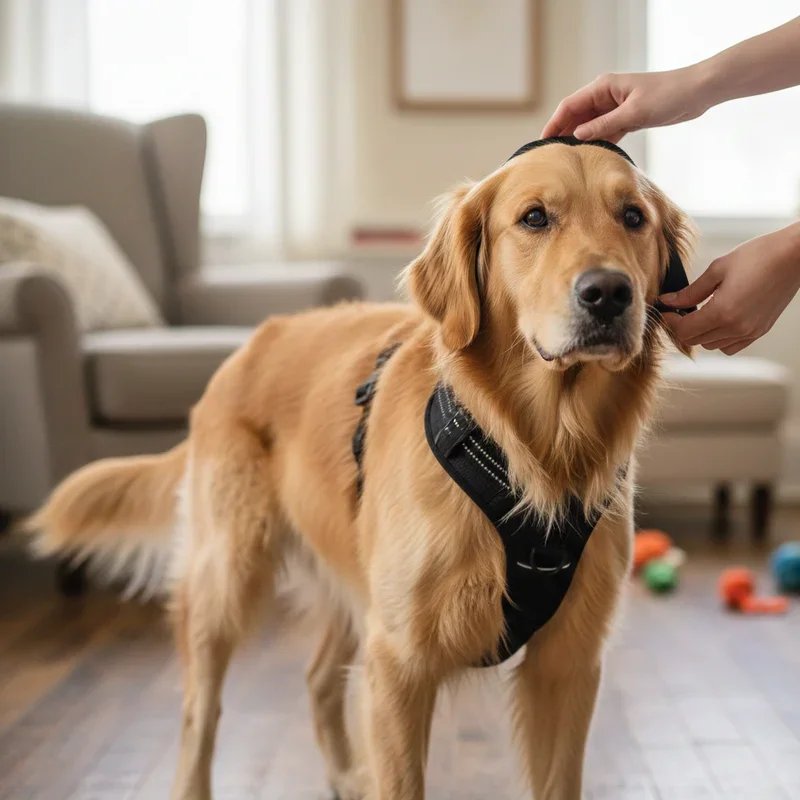
Open all fasteners and lay the vest portion against your dog's chest. Wrap the sides around and fasten the buckles.
These harnesses typically require less maneuvering of your dog's legs, making them excellent choices for seniors or dogs with mobility issues.
Adjust the straps so the vest sits smoothly without pulling skin or fur. The material should lie flat rather than bunching up anywhere.
How to Put On a Dog Harness the Right Way for Comfort: Checking Proper Fit
Getting the harness on is only half the battle. Ensuring proper fit prevents discomfort and potential injury.
The Two-Finger Rule
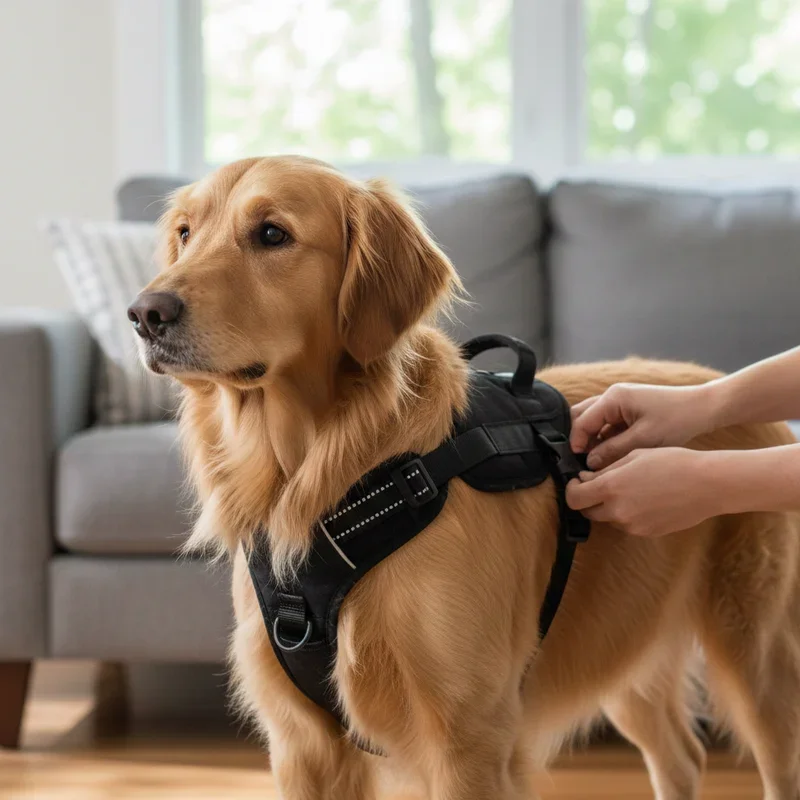
This classic test applies universally to harness fitting. Slide two fingers under any strap on the harness. They should slip in easily but without excessive extra room.
If you can't fit two fingers, the harness is too tight and will cause rubbing, restricted breathing, or discomfort. If you can fit your whole hand underneath, it's too loose and your dog could slip out or get a leg caught.
Check multiple points around the harness since adjustments in one area can affect fit elsewhere.
Checking Specific Problem Areas
The chest strap should sit on the breastbone, not pressing against the throat or sliding down to restrict leg movement. If it rides up toward the neck, it's fitted incorrectly.
Under the front legs is a common chafing zone. Ensure straps don't cut into the armpit area or sit too close to where the leg meets the body.
The back panel should sit flat between the shoulders without sliding sideways or rotating when your dog moves.
Movement Test
Watch your dog walk, sit, and lie down while wearing the harness. Does it shift around? Does it seem to restrict natural movement? Does your dog keep trying to bite or scratch at a particular spot?
Any of these signs indicate fit problems that need addressing. A properly fitted harness should be nearly unnoticeable to your dog once they're used to wearing it.
Common Fitting Mistakes to Avoid
Even well-intentioned owners make these errors regularly.
Twisting the Harness
Twisted straps create pressure points and uneven distribution. Before securing any buckles, run your hands along each strap to ensure it lies flat.
If your harness constantly twists during wear, the design might not suit your dog's body type, or you might need to reassess your fitting technique.
Wrong Size Selection
Harnesses come in specific size ranges for good reason. Trying to make a medium work for your large breed because it was on sale creates problems.
Measure your dog's chest at the widest point and consult the manufacturer's sizing chart before purchasing. When between sizes, usually sizing up is safer than sizing down.
Over-Tightening for Security
Some owners crank down every strap out of fear their dog will escape. This overcorrection leads to restricted movement, difficulty breathing, and skin irritation.
A properly fitted harness stays secure without being constrictive. If your dog keeps slipping out of a correctly fitted harness, you might need a different style rather than tighter straps.
Ignoring Body Changes
Puppies grow constantly. Senior dogs gain or lose weight. Seasonal coat changes affect fit. That harness you fitted perfectly six months ago might not fit properly today.
Make checking the fit a regular habit rather than a one-time event.
Making Harness Time Positive
Creating good vibes around the harness makes daily fitting easier for everyone.
Using Treats Effectively
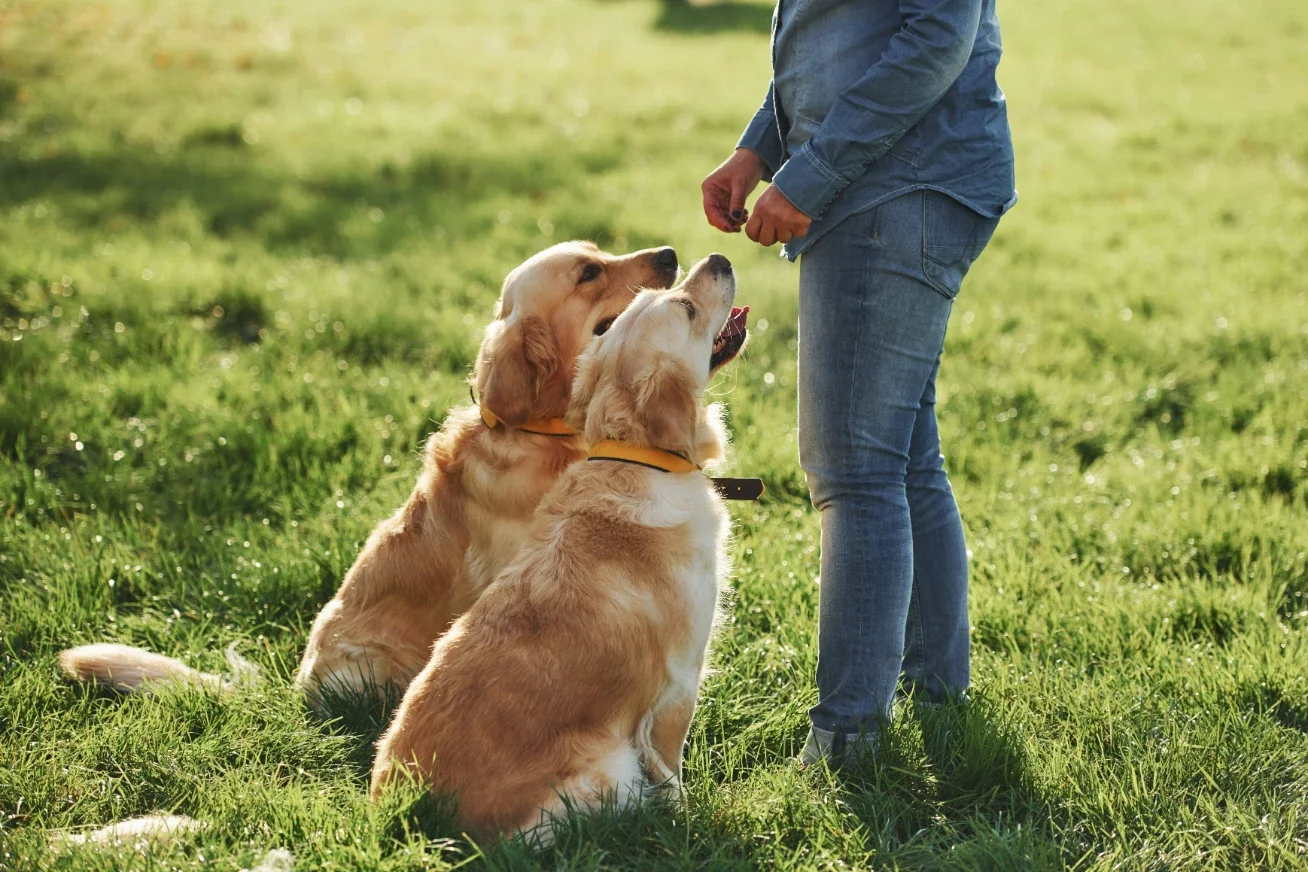
Reward your dog at each step of the fitting process initially. Head through the hole? Treat. Leg in position? Treat. Standing calmly while you buckle? Jackpot of treats.
Over time, you can phase out constant treating, but maintaining positive associations keeps cooperation high.
Staying Calm and Patient
Dogs pick up on our energy instantly. If you're frustrated and rushing, your dog becomes anxious and resistant. Take deep breaths, speak in happy tones, and keep the experience pleasant.
If things aren't working on a particular day, it's okay to take a break and try again later. Forcing the issue creates lasting negative associations.
Establishing a Routine
Dogs thrive on predictability. Make harness time part of a consistent pre-walk routine. Same location, same sequence, same positive energy.
Soon your dog will start getting excited at the sight of the harness because they've learned it means adventure is coming.
Troubleshooting Difficult Dogs
Some pups present extra challenges during harness fitting.
The Wiggle Worm
For dogs who can't stand still, practice basic sit and stay commands before attempting harness fitting. Having a helper hold treats at nose level can keep wiggly dogs focused while you work.
The Fearful Dog
Move extra slowly with anxious dogs. Break the process into tiny steps practiced over multiple sessions. Counterconditioning with extremely high-value treats changes emotional responses over time.
Never force a terrified dog into a harness. This approach backfires badly and makes future attempts even harder.
The Escape Artist
If your dog consistently slips out of properly fitted harnesses, look into escape-proof designs with additional connection points or different strap configurations.
Some breeds with unusual body proportions need specialty harnesses designed for their shape.
Maintaining Your Dog's Harness
Proper care extends harness life and maintains comfort.
Regular Cleaning
Dirty harnesses harbor bacteria and cause skin irritation. Follow manufacturer cleaning instructions, typically involving hand washing with mild soap.
Allow harnesses to dry completely before using to prevent moisture-related skin issues.
Inspecting for Wear
Check buckles, stitching, and straps regularly. Replace harnesses showing signs of significant wear before they fail during use.
Proper Storage
Store harnesses in dry locations away from direct sunlight, which can degrade materials over time. Keeping them untangled prevents damage and makes fitting easier.
Conclusion
Mastering how to put on a dog harness the right way for comfort transforms daily walks from stressful struggles into enjoyable bonding experiences. Proper fitting ensures your dog remains safe, comfortable, and happy during every outdoor adventure. Taking time to select the appropriate harness style, following correct fitting techniques, and maintaining positive associations creates a foundation for years of wonderful walks together. Your patient effort in learning these skills benefits both you and your beloved companion.
Read next: 15 Dog Tag Engraving Ideas for Cute and Practical Pets
Frequently Asked Questions
1.How tight should a dog harness fit for proper comfort?
You should fit two fingers comfortably under any strap without excessive looseness or tightness.
2.Can a poorly fitted harness hurt my dog?
Yes, improper fitting causes chafing, restricted breathing, skin irritation, and potential long-term injury issues.
3.How often should I check my dog's harness fit?
Check fit monthly for adult dogs and weekly for growing puppies to ensure continued comfort.
4.Why does my dog hate putting on the harness?
Negative past experiences, improper fitting, or anxiety may cause harness aversion requiring patient reconditioning.
5.Should puppies wear harnesses instead of collars?
Yes, harnesses protect developing tracheas and provide better control for training young energetic puppies.
Stay up to date with our latest ideas!