How to Keep Dog Off Couch: Effective Techniques to Try
Learn how to keep dog off couch with effective techniques to try. Reclaim your furniture while keeping your pup happy!
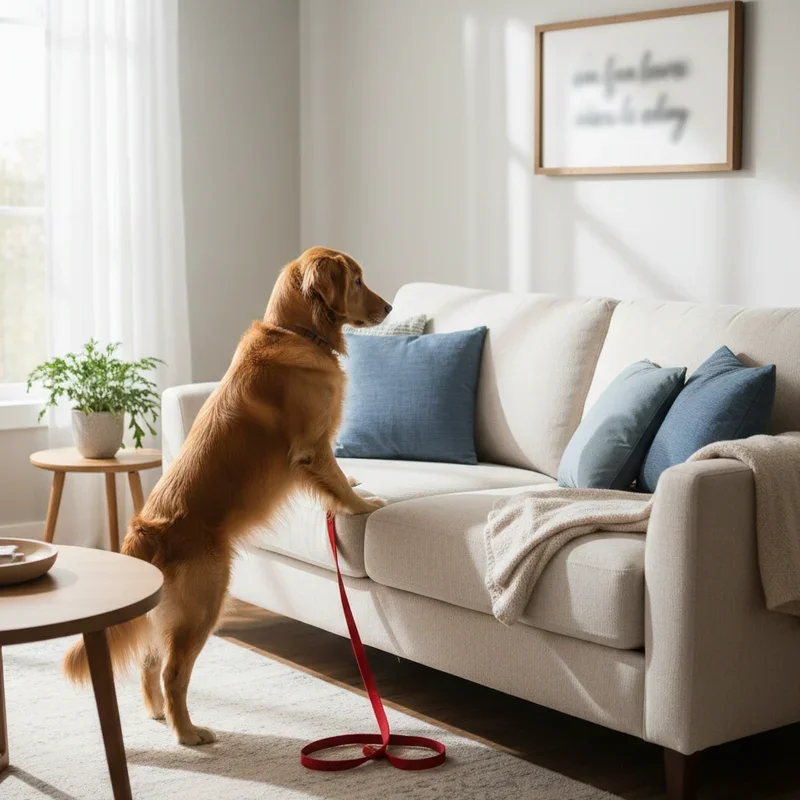
We've all been there. You come home after a long day, dreaming of sinking into your comfy couch, only to find it covered in dog hair, muddy paw prints, and that unmistakable wet dog smell. Your beloved furry friend gives you those innocent puppy eyes from their claimed throne, tail wagging like they've done absolutely nothing wrong. Sound familiar?
Here's the thing about dogs and couches. From your pup's perspective, that soft, elevated spot makes perfect sense. It's comfortable, it smells like their favorite human, and frankly, it's way better than the cold floor. But from your perspective? That expensive sofa is slowly becoming a dog bed, and your allergies or your mother-in-law's upcoming visit have you seriously reconsidering things.
The good news is that teaching your dog to stay off the furniture doesn't have to involve endless battles of wills or heartbreaking rejection. Dogs are smart cookies, and with the right approach, they can absolutely learn that some spots are off-limits. This how to keep dog off couch: effective techniques to try guide will walk you through proven methods that work with your dog's natural instincts rather than against them.
Whether you've got a stubborn senior who's claimed the corner cushion for years or a new puppy testing every boundary in sight, there's a solution here for you. Let's dive in and reclaim that couch!
Understanding Why Dogs Love Furniture So Much
Before we start changing behavior, it helps to understand what's driving it in the first place. Dogs don't hop on furniture just to annoy us, even if it sometimes feels that way.
The Comfort Factor
Let's be honest here. Your couch is probably the most comfortable spot in the entire house. It's soft, it's cushioned, and it molds perfectly to a lounging body. Dogs aren't dumb! They recognize quality real estate when they see it. Given the choice between a hard floor and plush cushions, the decision's pretty obvious from their point of view.
Pack Mentality and Closeness
Dogs are social creatures who crave connection with their pack, which includes you. When you sit on the couch, that's where the action is. Being nearby means being part of whatever's happening, whether that's watching TV, reading, or just existing together. For many dogs, the couch represents togetherness more than comfort.
Elevation and Security
In the wild, higher ground offers better vantage points for spotting threats. While your living room probably isn't teeming with predators, that instinct lingers. Many dogs feel more secure when they're elevated, which makes the couch particularly appealing compared to floor-level alternatives.
Temperature Regulation
Couches sit away from drafty floors and often catch warm spots near heating vents or sunny windows. During colder months especially, dogs gravitate toward the warmest available spots. Your couch might simply be the coziest temperature zone in the room.
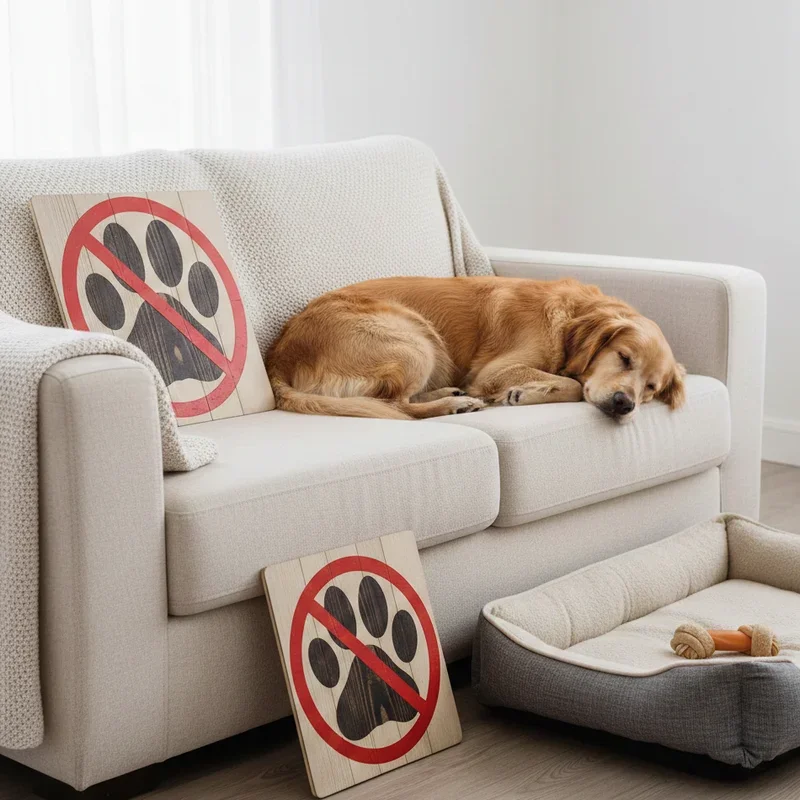
How to Keep Dog Off Couch: Effective Techniques to Try Starting Today
Now that we understand the motivation, let's tackle the actual training. These methods range from simple management strategies to more involved training approaches, so you can find what works best for your situation.
Technique 1: Provide an Irresistible Alternative
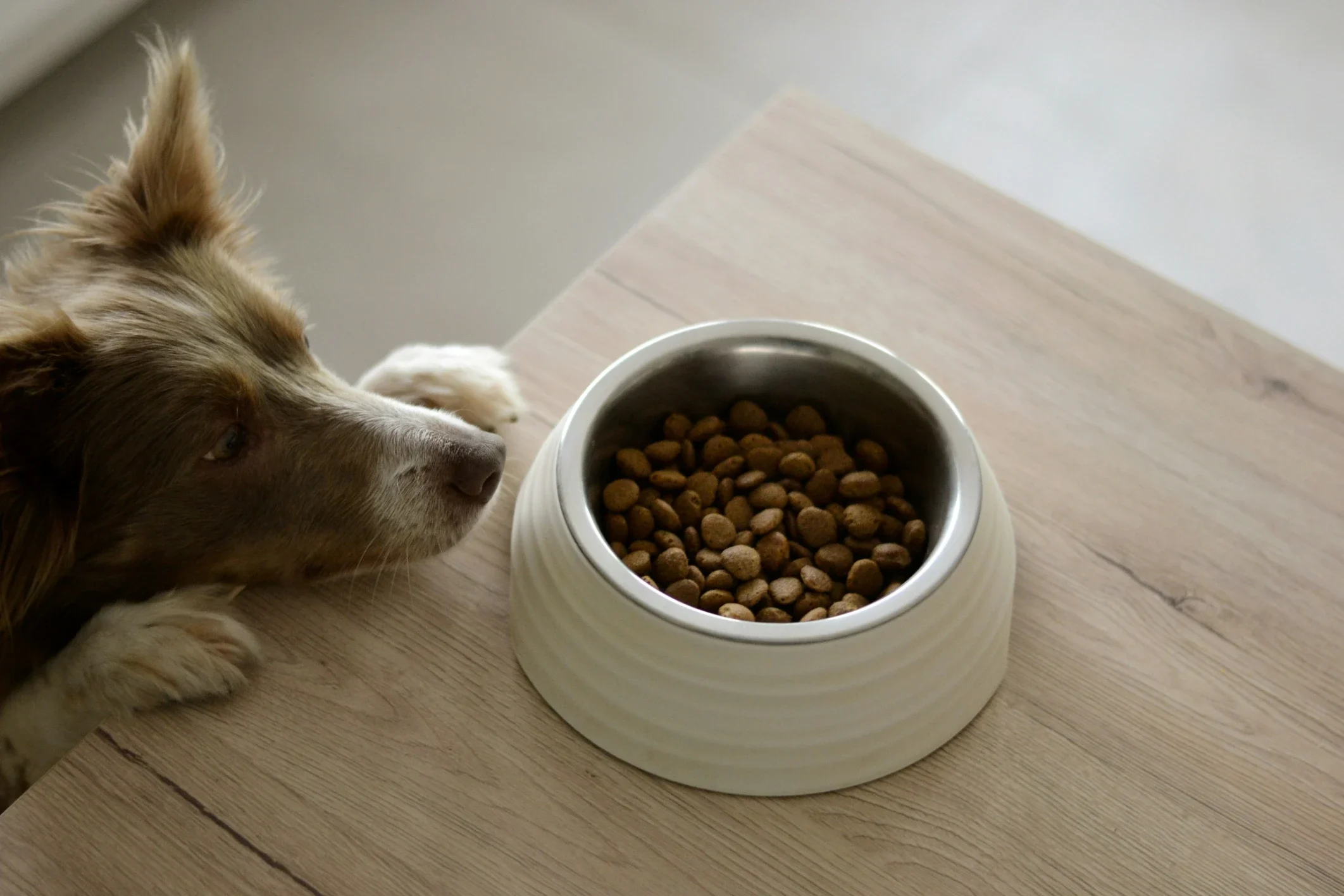
This one's absolutely crucial and should be your starting point. If you want your dog off the couch, you've got to give them somewhere equally appealing to go instead. Simply removing the couch option without providing an alternative sets everyone up for frustration.
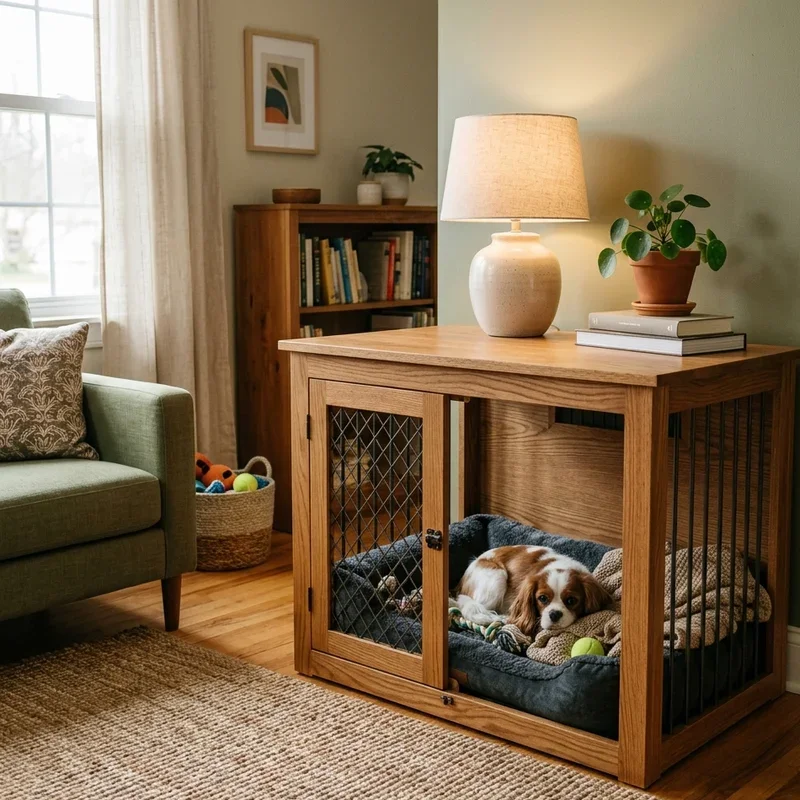
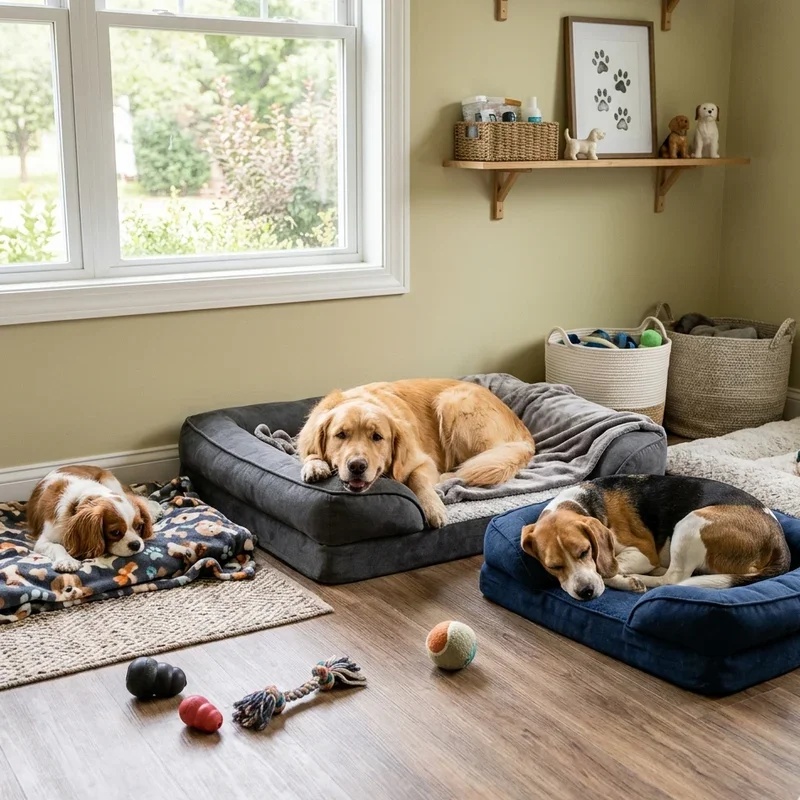
Invest in a high-quality dog bed that offers similar comfort to your couch. Memory foam options work great for older dogs with joint issues. Bolstered beds satisfy dogs who like to rest their heads on something. Heated beds can compete with that warm couch spot during winter months.
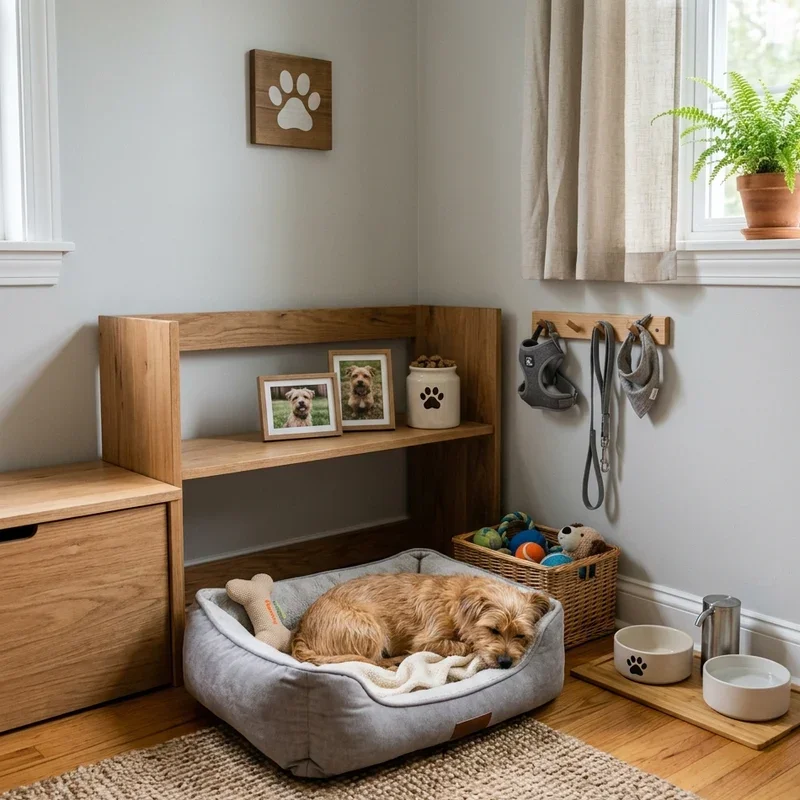
Placement matters too. Put the dog bed near where you typically sit on the couch. Remember, your pup wants to be close to you, so banishing them to another room entirely misses the point. They're more likely to accept their designated spot if it's still in the social hub of your home.
Make the new bed extra enticing by adding a worn t-shirt that smells like you. Toss treats onto it randomly throughout the day. Praise your dog enthusiastically whenever they choose the bed voluntarily. You want them to associate their spot with good things.
Technique 2: Consistent Command Training
Teaching a solid "off" command gives you a reliable tool for any furniture situation. The key here is consistency. Every single time, from every family member, no exceptions.
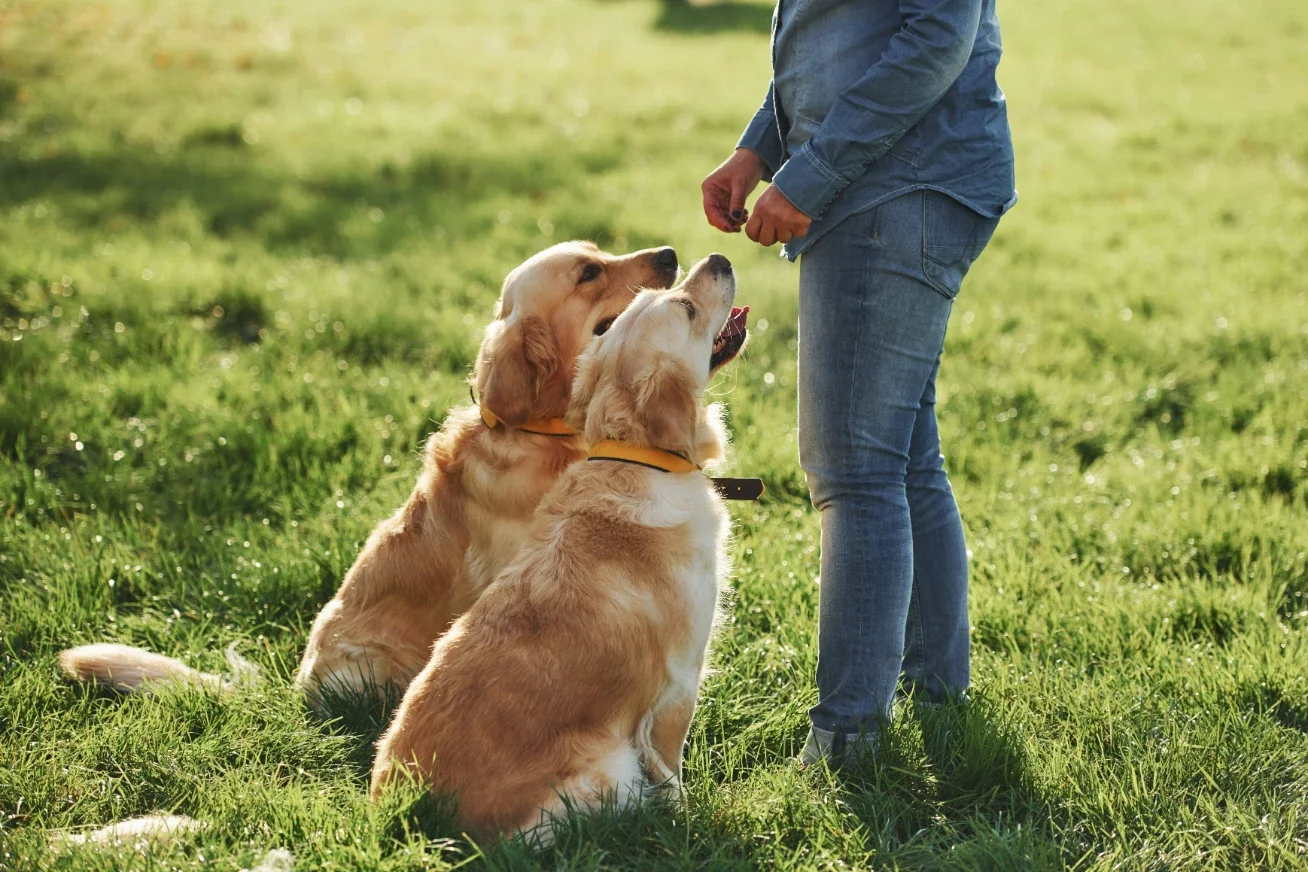
Start when your dog is on the couch. Hold a treat near their nose and slowly lure them down while saying "off" in a calm, firm voice. The moment all four paws hit the floor, give the treat and praise like they've just won the lottery. Timing matters tremendously here.
Practice this multiple times daily. Eventually, your dog will respond to the verbal command alone without needing the treat lure. But keep rewarding randomly even after they've learned the command. This maintains the behavior long-term.
Never use the "off" command in an angry or frustrated tone. You want your dog to respond happily, not slink away feeling punished. Positive associations create reliable responses.
Technique 3: Management and Prevention
Sometimes the easiest solution is simply preventing access when you can't actively supervise. This isn't cheating. It's smart management that prevents bad habits from forming or strengthening.
Close doors to rooms with couches when you're not home. Use baby gates to block living room access during unsupervised times. Some folks cover their couches with uncomfortable materials like aluminum foil or plastic carpet runners placed nubby-side up. Dogs dislike the texture and learn the couch isn't pleasant anymore.
Couch defender products designed specifically for this purpose can help too. These include inflatable barriers that make the surface uneven and uncomfortable, motion-activated alarms that startle dogs when they jump up, and scat mats that deliver a mild static correction.
Technique 4: The Trade-Up Method
This technique works wonderfully for dogs who are already on the couch and need encouragement to leave without creating negative associations.
Approach your lounging dog with a high-value treat or favorite toy. Say your chosen command, like "off" or "floor," and toss the reward onto their designated bed or the floor. When they jump down to get it, praise enthusiastically.
Over time, your dog learns that leaving the couch results in good things happening. They're not being punished for being on the couch. They're being rewarded for choosing to get off. This distinction matters enormously for your dog's emotional response to the whole situation.
Technique 5: Capture and Reward Good Choices
Keep treats handy throughout the day and watch for moments when your dog chooses not to get on the couch, especially when they actively decide to lie on their bed instead.
When you catch them making the right choice, immediately reward with treats and genuine praise. This method takes longer to show results but builds incredibly solid habits because your dog is making the decision independently rather than responding to your direction.
Some trainers call this "catching your dog being good," and it's powerful stuff. Dogs repeat behaviors that pay off, so making the right choice consistently profitable shapes behavior over time.
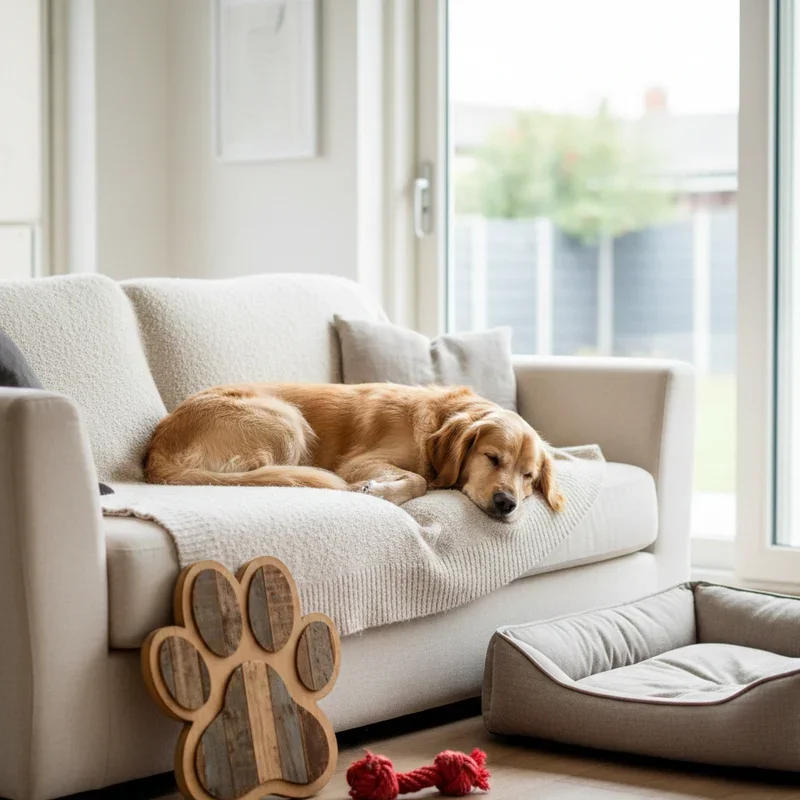
Addressing Common Challenges and Setbacks
Even with the best techniques, you'll probably hit some bumps along the way. Here's how to handle the most common issues.
The Stubborn Senior Dog
Older dogs who've had couch privileges for years present a unique challenge. Their habits are deeply ingrained, and they may genuinely not understand why the rules have suddenly changed.
Patience is absolutely essential here. You're asking for significant change from a creature of habit. Consider whether a compromise might work, like allowing couch time only with a washable blanket in place, or only during certain hours. Partial solutions sometimes work better than total bans for senior pups.
Also consider whether physical issues might be involved. Dogs with arthritis may find getting onto furniture painful, but once there, getting down hurts too. If mobility seems limited, a vet checkup is worthwhile.
Multiple Dogs in the Household
When you've got more than one dog, consistency becomes even more critical. If one dog sees another getting away with couch time, your training goes right out the window. All dogs need to follow the same rules, enforced by all family members, every single time.
Training sessions might need to happen individually at first before you can expect both dogs to comply simultaneously. And each dog might respond better to different techniques, so stay flexible in your approach.
Family Members Who Sneak Cuddles
Ah yes, the human element. Your training means nothing if someone in the household secretly allows the dog on the couch when you're not around. Dogs are masters at learning who enforces rules and who doesn't.
Have a family meeting and get everyone on the same page. Explain why consistency matters and what the agreed-upon rules are. If grandma absolutely cannot resist those puppy eyes, maybe she can do her cuddling on the floor with the dog bed instead.
Regression After Progress
Your dog was doing great for weeks, and suddenly they're back on the couch like the training never happened. Don't panic! Regression is normal and doesn't mean you've failed.
Go back to basics temporarily. Increase supervision, refresh command training, and amp up the rewards for good choices. Often a few days of renewed focus gets everything back on track. Look for possible triggers too. Changes in routine, new stressors, or health issues can cause behavioral backsliding.
Making the Dog Bed Absolutely Amazing
Your alternative option needs to genuinely compete with the couch, so let's talk about how to make that dog bed irresistible.
Location, Location, Location
Put the bed where your dog naturally wants to be. Near you, in the main living area, with a good view of household activities. A bed shoved in a corner or another room entirely won't appeal to a social dog who wants family connection.
Consider having multiple beds in different rooms. This gives your dog appropriate options no matter where the action is happening.
Comfort Upgrades
Don't skimp on bedding quality. A flat, thin bed can't compete with couch cushions. Look for options with:
Thick orthopedic foam that supports joints and doesn't flatten over time. Raised edges or bolsters for dogs who like to rest their heads. Removable, washable covers for easy cleaning. Appropriate size so your dog can stretch out completely.
Positive Associations
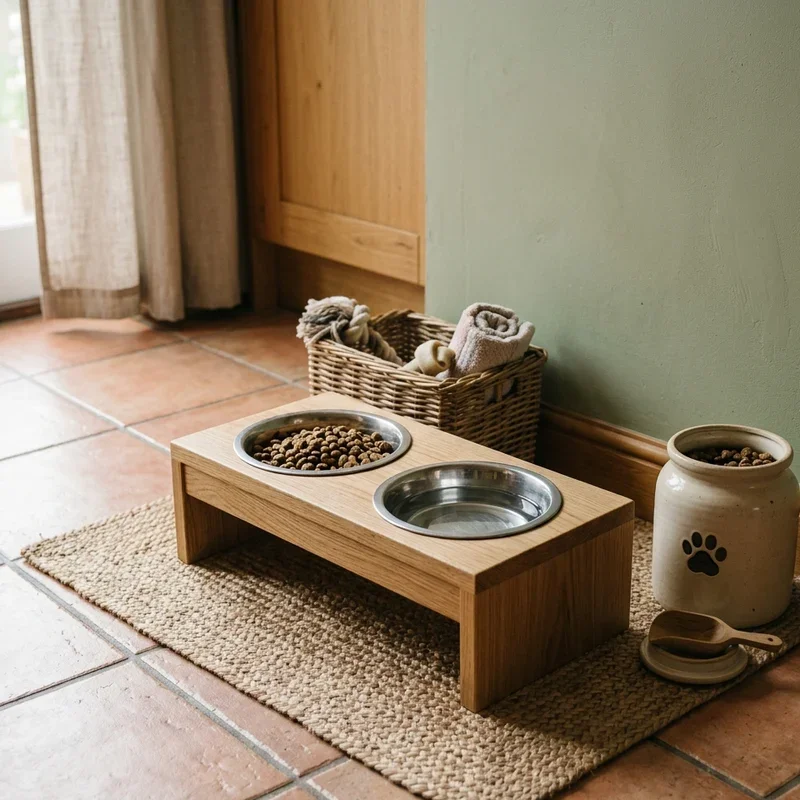
Feed meals near or on the dog bed. Offer special chews like bully sticks only when your dog is on their bed. Practice obedience commands with the bed as the reward destination. Basically, make the bed the source of all good things.
Keep It Fresh
Wash bedding regularly so it doesn't get stinky or uncomfortable. Replace worn beds that have lost their cushioning. Your dog notices these things even if they can't tell you about it.
What Not to Do When Training
Some common approaches actually make the problem worse or damage your relationship with your dog. Avoid these pitfalls.
Never physically force your dog off furniture aggressively. This creates fear and damages trust without actually teaching anything useful. A startled or frightened dog doesn't learn well.
Don't punish your dog for being on the couch after the fact. If you come home and find evidence they were on the furniture while you were gone, punishing them now makes zero sense to their brain. They can't connect current punishment to past behavior.
Avoid inconsistency at all costs. Allowing couch privileges sometimes while forbidding them other times confuses your dog completely. They can't understand rules that change randomly.
Don't give up too quickly. Behavior change takes time, especially with established habits. Weeks of consistent effort may be necessary before you see reliable results.
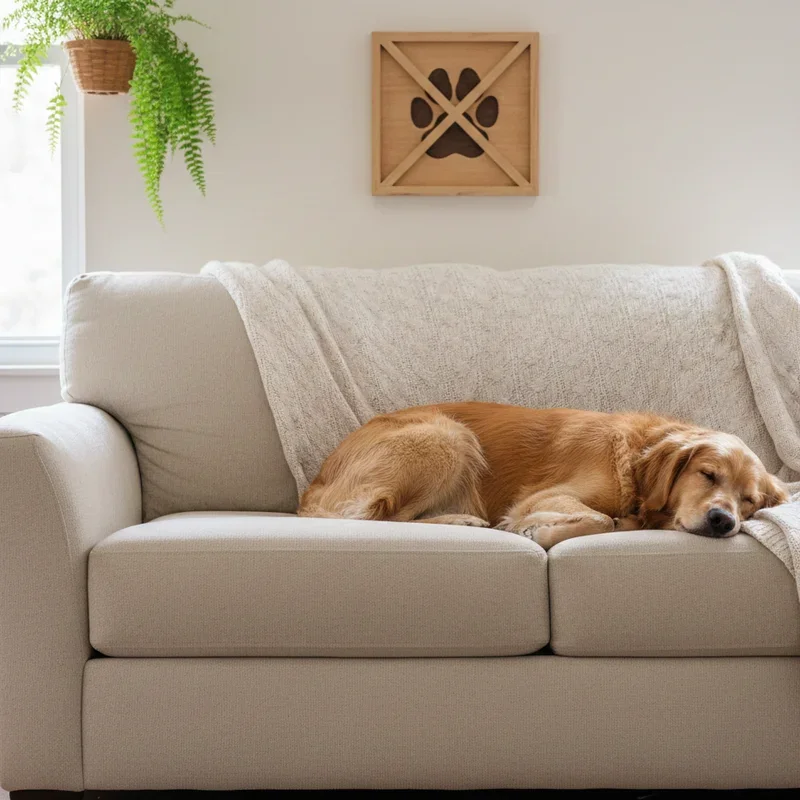
When Professional Help Makes Sense
Sometimes despite your best efforts, the problem persists or other behavioral issues complicate things. There's no shame in calling in reinforcements.
A professional dog trainer can observe your specific situation and offer customized strategies. They might notice things you've missed or have techniques that work better for your dog's particular personality.
If your dog shows anxiety, aggression, or other concerning behaviors around furniture access, a veterinary behaviorist might be appropriate. These specialists can address underlying emotional issues that simple training can't fix.
Conclusion
Teaching your dog to stay off the furniture is absolutely achievable with patience, consistency, and the right approach. This how to keep dog off couch: effective techniques to try guide gives you multiple strategies to experiment with until you find what clicks for your particular pup. Remember that providing an appealing alternative makes everything easier, and positive reinforcement builds lasting habits. Stay consistent, involve the whole family, and celebrate small victories along the way. Before long, you'll have your couch back and a dog who's perfectly happy in their own special spot!
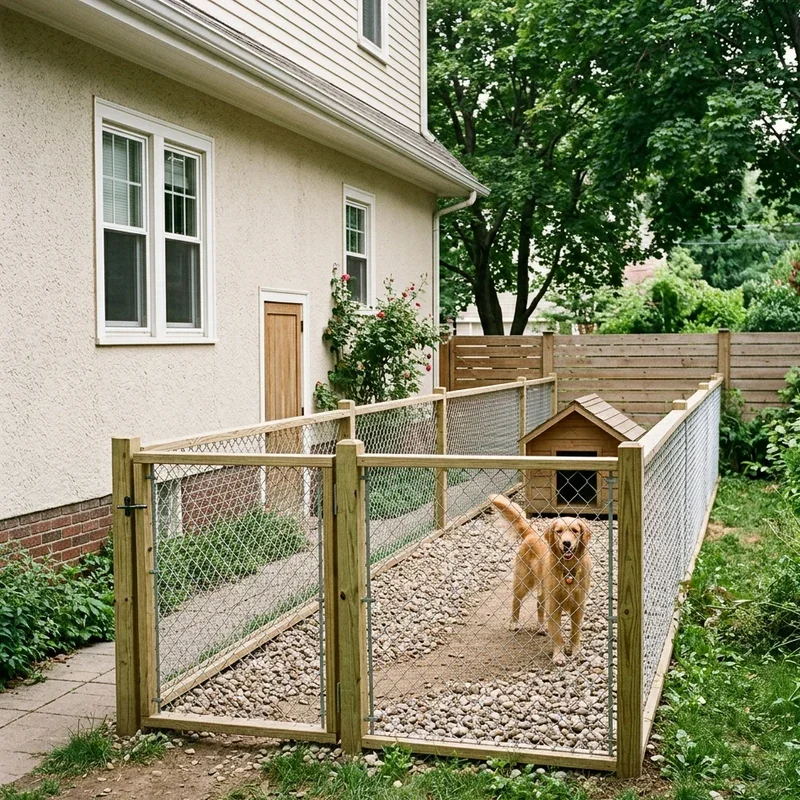
Read next: 15 Dog Fence Ideas for Safe and Stylish Outdoor Spaces
Frequently Asked Questions
1. How long does it take to train a dog to stay off furniture?
Most dogs show improvement within two to four weeks with consistent daily training efforts.
2. Will my dog feel rejected if banned from the couch?
Not if you provide a comfortable alternative nearby and continue showing affection regularly.
3. Can older dogs learn to stay off furniture successfully?
Yes, senior dogs can absolutely learn new rules, though training may take additional patience.
4. Should I allow my dog on furniture with a blanket down?
This compromise works for some families but requires consistent rules about blanket usage.
5. What if only one family member wants the dog off furniture?
Household consistency is essential, so all members must agree and enforce the same rules.
Stay up to date with our latest ideas!