Creating a Better Routine for Cats That Get Bored Easily
A realistic guide to helping bored cats at home with better play timing, rest spaces, scratching habits, and daily structure.
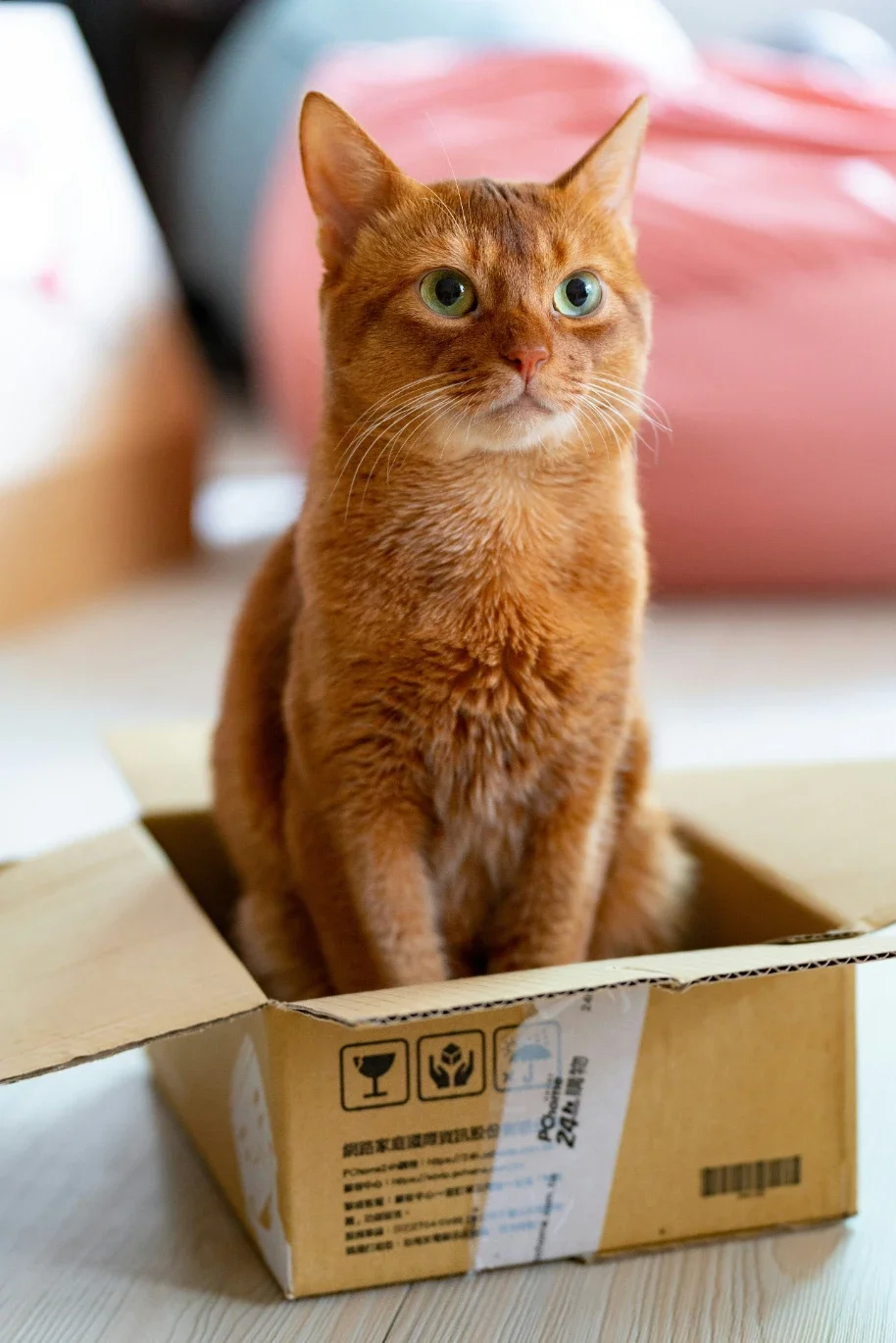
A bored cat does not always look unhappy. Sometimes boredom shows up as pacing, knocking things off shelves, scratching the wrong furniture, waking everyone up at dawn, or losing interest in the same old toy after two minutes. Indoor cats, especially, can end up with long stretches of time that feel flat and repetitive.
That is where routine helps. A good routine does not mean turning the day into a schedule so strict it feels unnatural. It means creating a pattern your cat can rely on: moments for movement, moments for quiet, and a home setup that offers a little more to notice and do. Small habits repeated daily can make a big difference in how settled, curious, and balanced a cat feels.
Why boredom happens so easily indoors
Indoor life is safer in many ways, but it can also be uneventful. Outside, a cat would spend time watching, stalking, climbing, sniffing, and reacting to constant change. Indoors, the scenery often stays the same. The same rooms, the same windows, the same furniture, the same quiet hours.
Some cats handle that better than others. A laid-back adult may happily nap through most of the afternoon, while a younger or more active cat may start inventing chaos just to break up the day. Breed, age, personality, and energy level all matter, but even mellow cats can get dull and restless if their environment never shifts.
Boredom is not always dramatic. It can look like overgrooming, clinginess, frustration at night, or a habit of fixating on one corner of the house because nothing else feels interesting. The answer is rarely more stimulation all at once. Usually, it is a better rhythm.
Why routine matters more than constant entertainment
Many people try to solve boredom by adding more. More toys, more gadgets, more noise, more attempts to keep a cat busy every minute. In reality, most cats do better with predictability than with nonstop novelty.
A routine gives the day shape. Cats tend to relax when they can anticipate what comes next. A reliable play session in the morning, a calm feeding window, a favorite perch in the afternoon, and a quieter wind-down at night can help reduce that unsettled, edgy behavior that shows up when the day feels random.
The useful thing about routine is that it also helps the humans in the house. You do not need to become a full-time entertainer. You just need a few dependable touchpoints. Ten focused minutes of interaction at the right time often works better than half-hearted attempts spread across the day.
That structure can also make behavior easier to read. When a cat has regular chances to move, scratch, explore, and rest, it becomes clearer whether a problem is boredom, stress, excess energy, or something else entirely.
Create predictable play windows instead of random bursts
Play is often the first thing people think of, and for good reason. Short, purposeful play sessions help break up the day and give indoor cats a chance to chase, pounce, stalk, and burn off mental energy.
The key is timing. Many cats are naturally more alert in the early morning and evening, so those windows are usually easier than trying to force play in the middle of a sleepy afternoon. A wand toy before breakfast or a short active session before dinner can become part of the day in a way that feels natural.
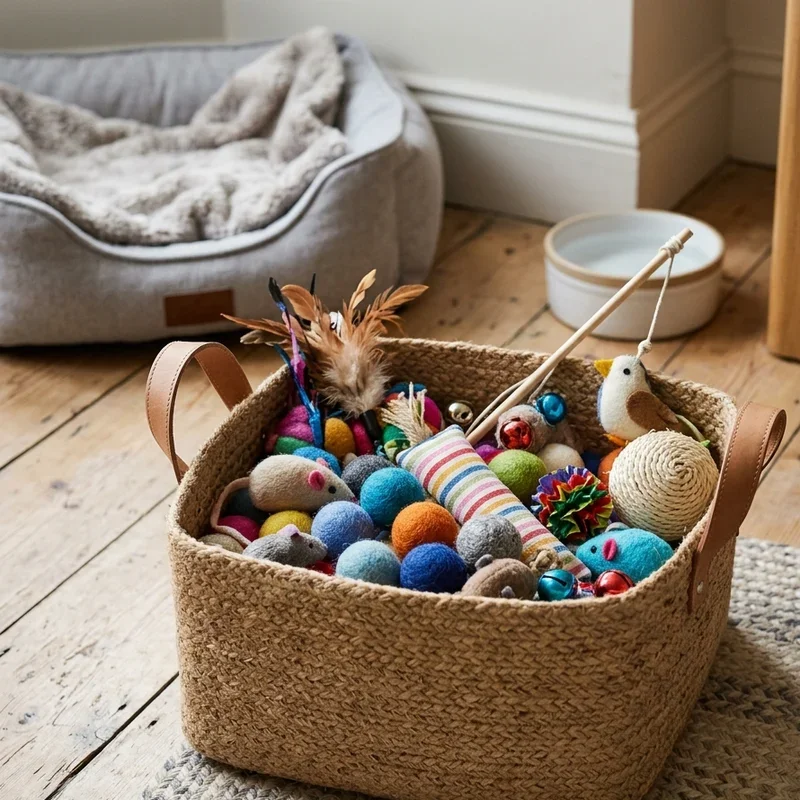
It also helps not to leave every toy out all the time. Cats can lose interest quickly when the same things stay in front of them every day. Rotating a few favourites can keep play feeling fresh without needing to buy something new all the time. A simple mix of chase toys, crinkly textures, and items a cat can bat around on their own is often enough. For homes trying to keep things practical and tidy, choosing a few well-suited pet toys can make it easier to support both activity and quiet time without creating clutter.
One thing that often gets missed: stop before your cat seems completely done. Ending play while there is still a little interest left can keep the next session feeling fresh.
Use scratching as part of the daily rhythm
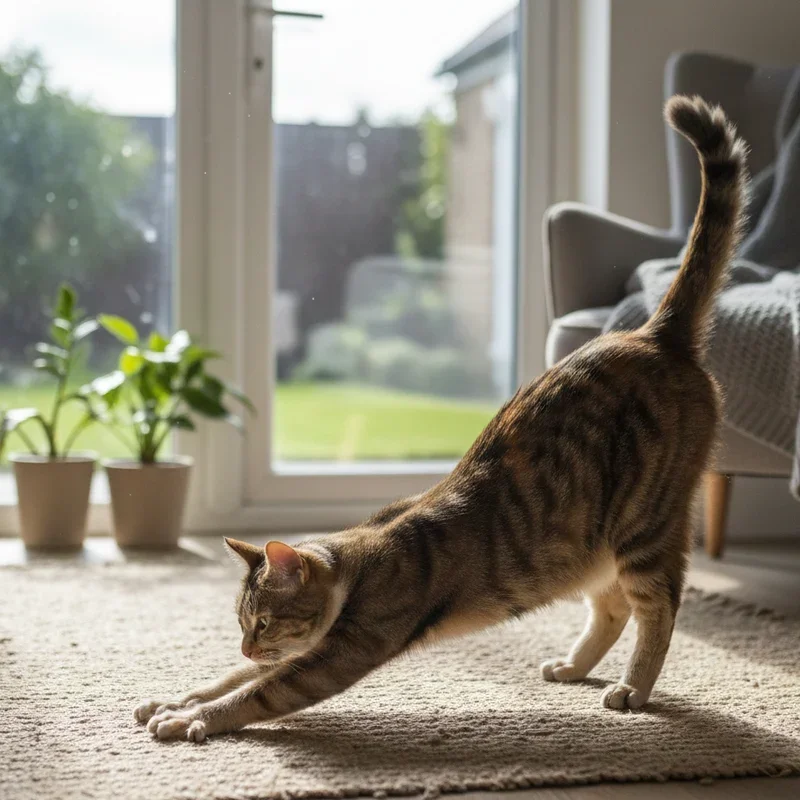
Scratching is not just a destructive habit to manage. It is a normal part of how cats stretch, mark territory, release tension, and reset themselves. When scratching is built into daily life instead of treated like a problem after the fact, the whole house tends to feel calmer.
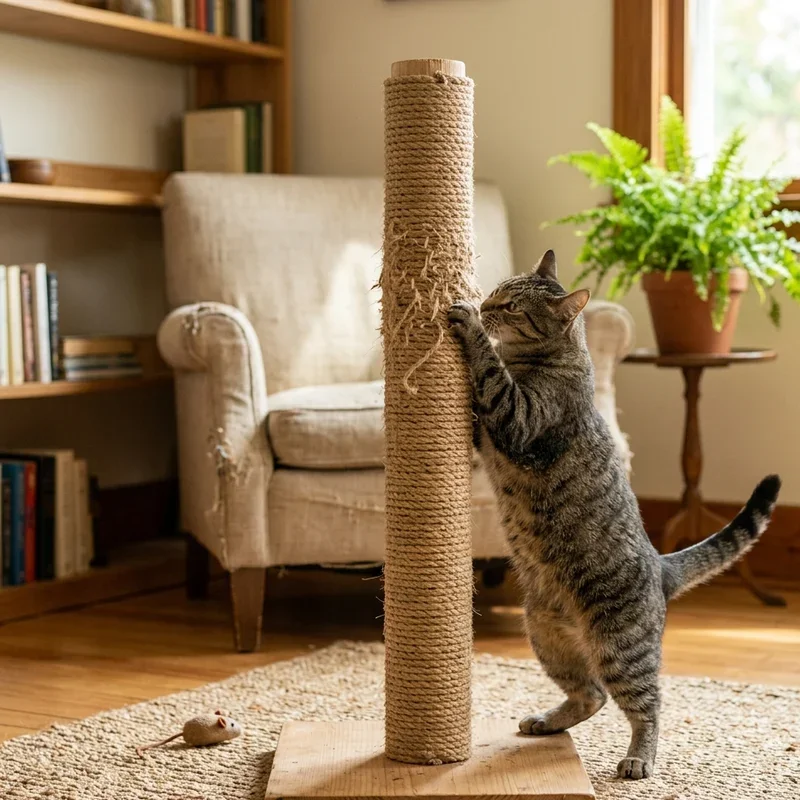
Placement matters as much as the scratcher itself. One near a sleeping area makes sense because many cats like to stretch and scratch after waking up. Another near a main living space can give them a better option than the side of the couch. If a cat already targets a certain spot, that is useful information. It usually means the scratcher needs to be closer to where the urge already happens.
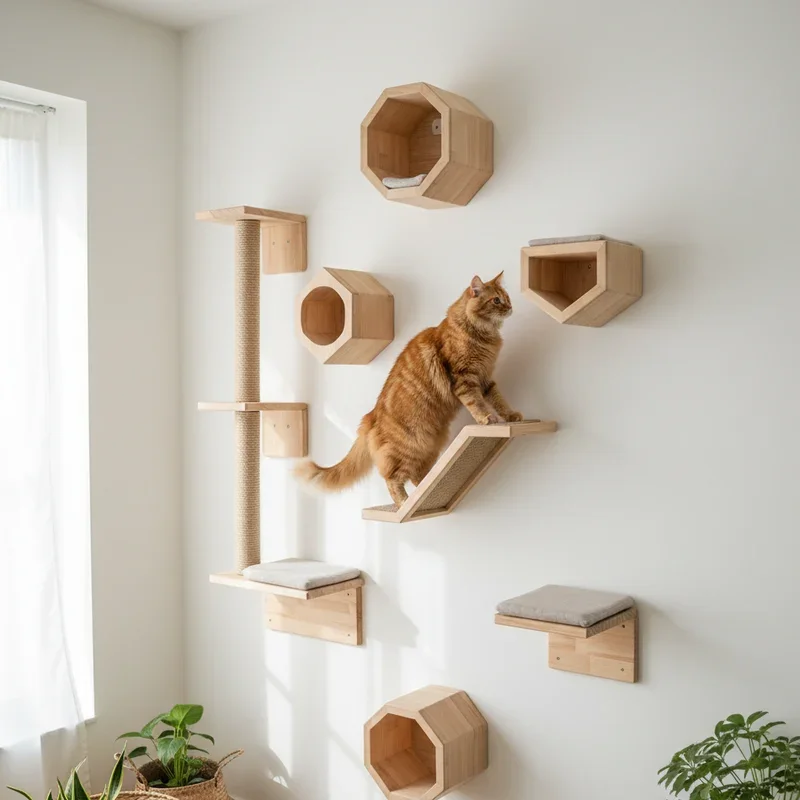
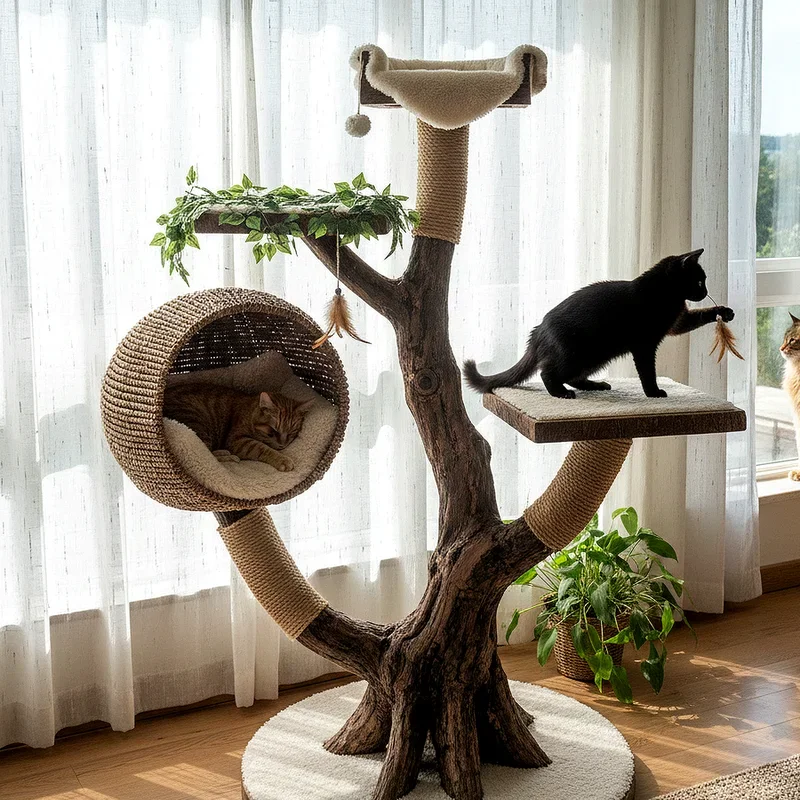
Texture matters too. Some prefer cardboard, some sisal, some carpet-like surfaces, though carpet can be hit or miss if you are trying to keep them away from actual rugs. Vertical scratchers work well for cats that like a long full-body stretch. Others want a low horizontal surface they can dig into hard.
There is also a routine piece here that is easy to overlook. A quick scratch after a nap, after play, or after a tense moment is part of how many cats regulate themselves. Supporting that habit can reduce friction in the home in a way that feels subtle but real.
Make rest feel intentional, not like an afterthought
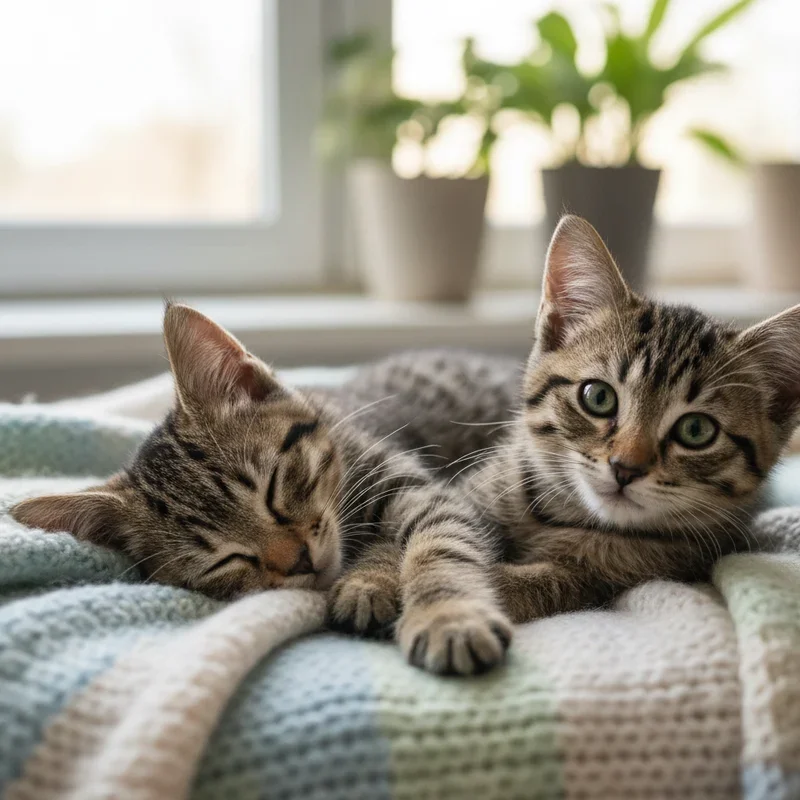
Cats sleep a lot, but rest is not only about sleep. A good rest routine includes places where a cat can settle without being disturbed, watch the room without being in the center of it, and step away when they have had enough.
That is especially important in busy homes. A cat that never really gets quiet space can seem irritable or overstimulated even if they also look lazy. The goal is to make rest feel safe and chosen.
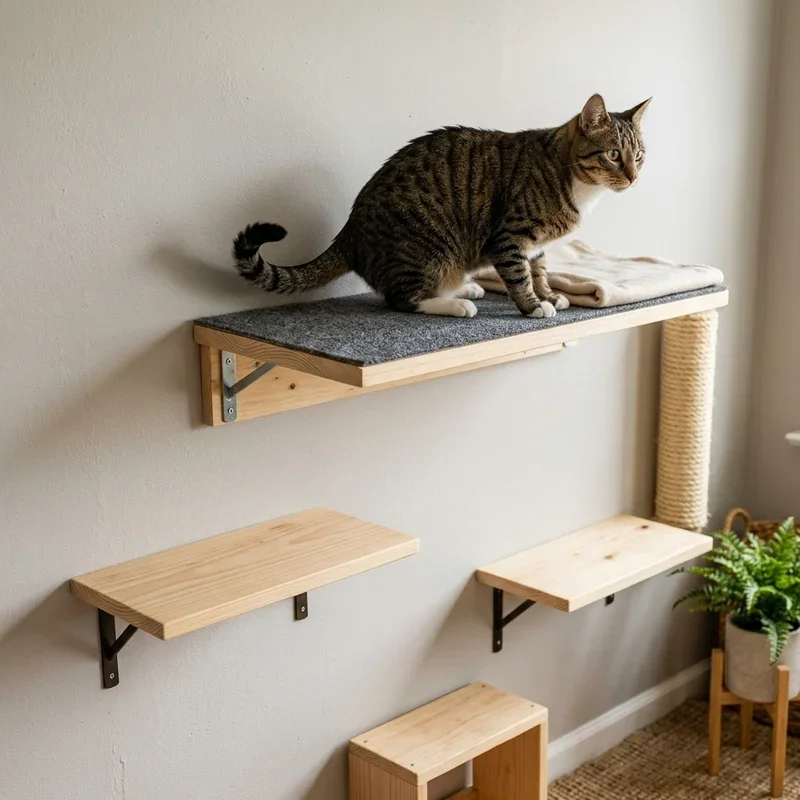
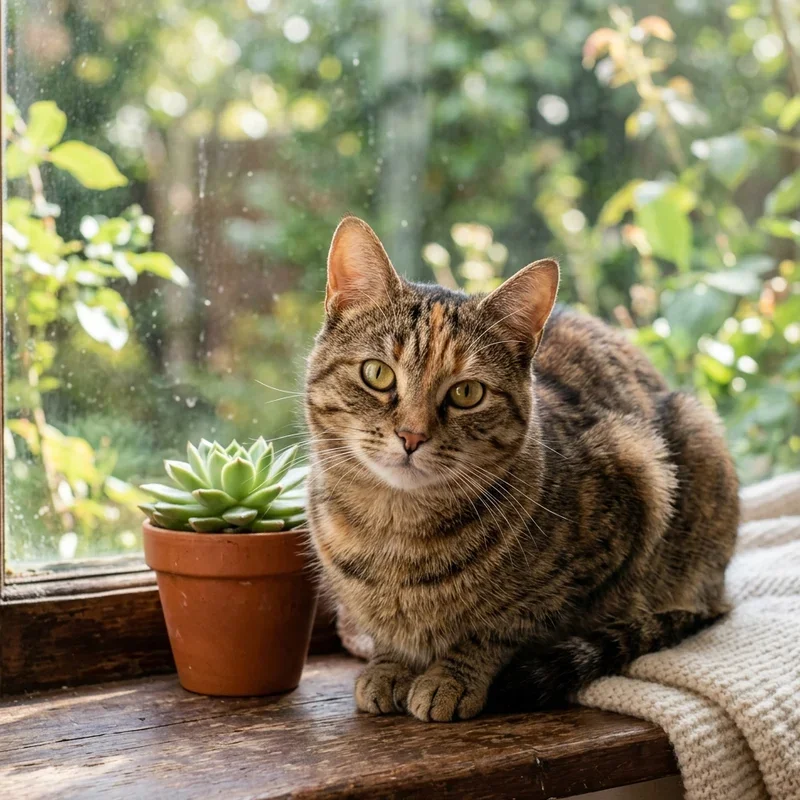
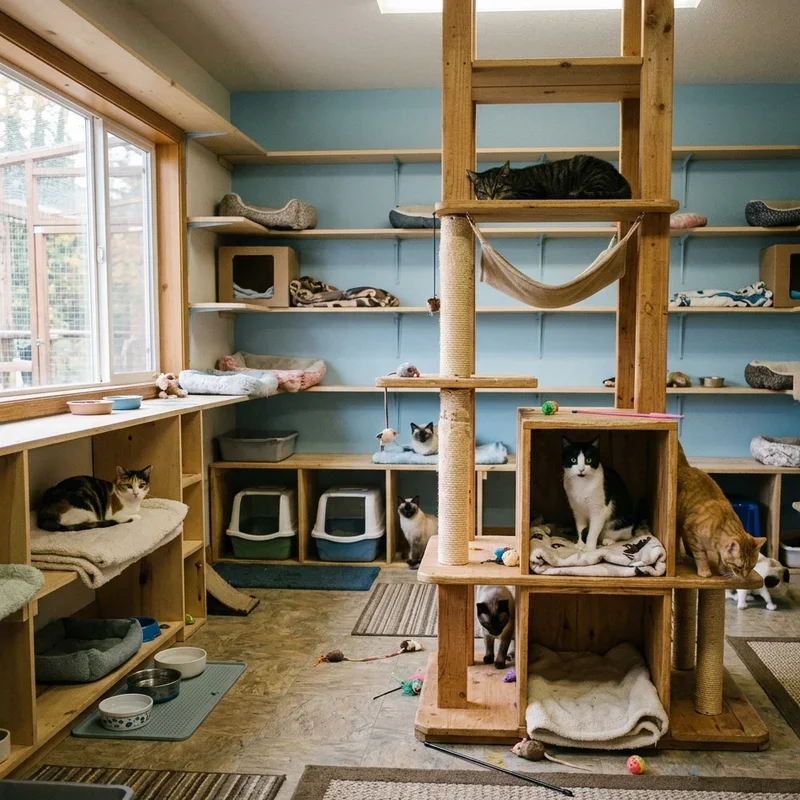
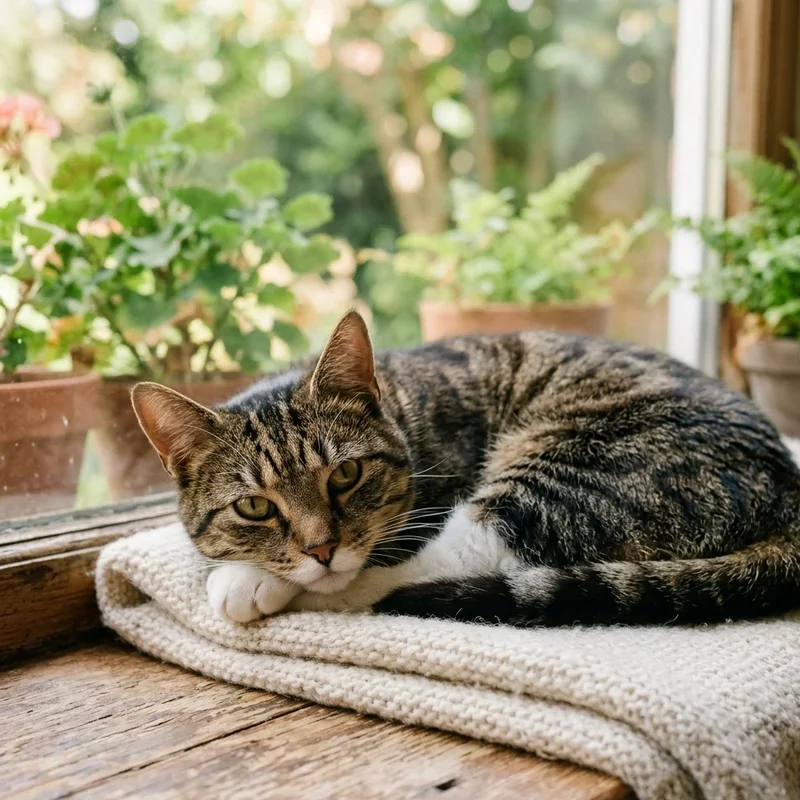
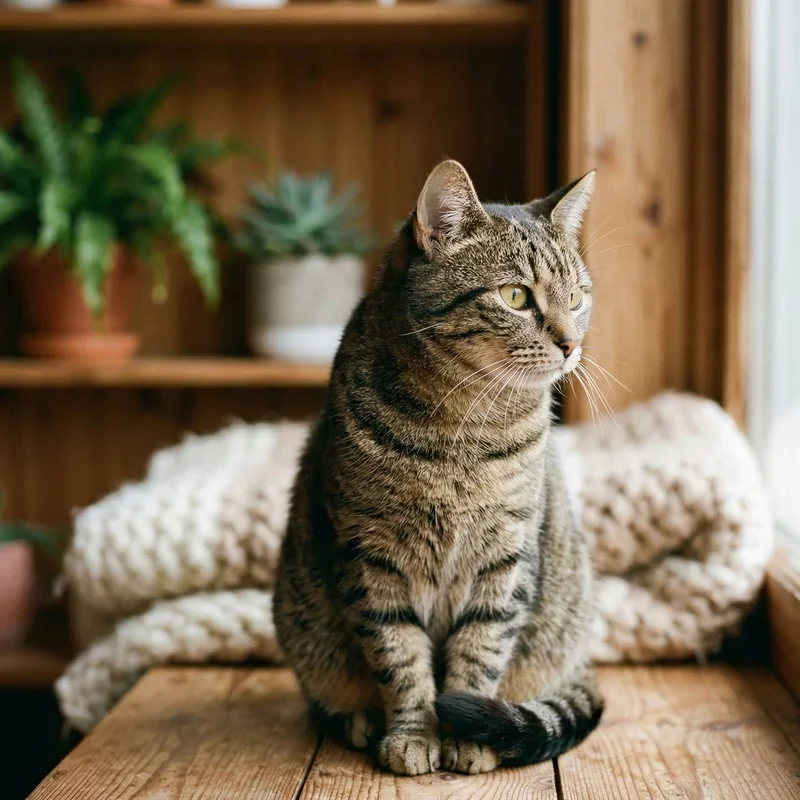
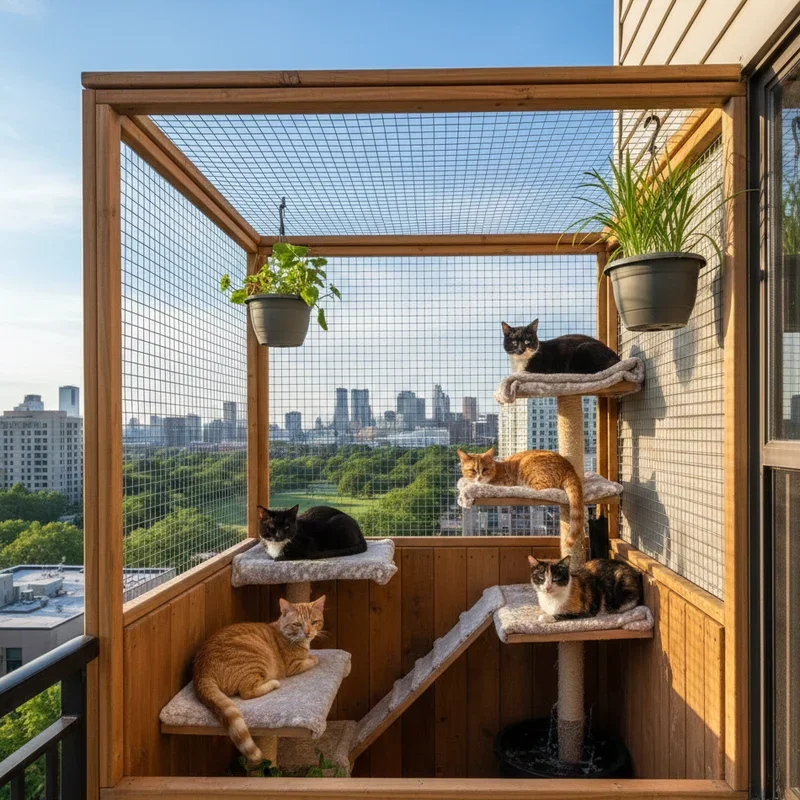
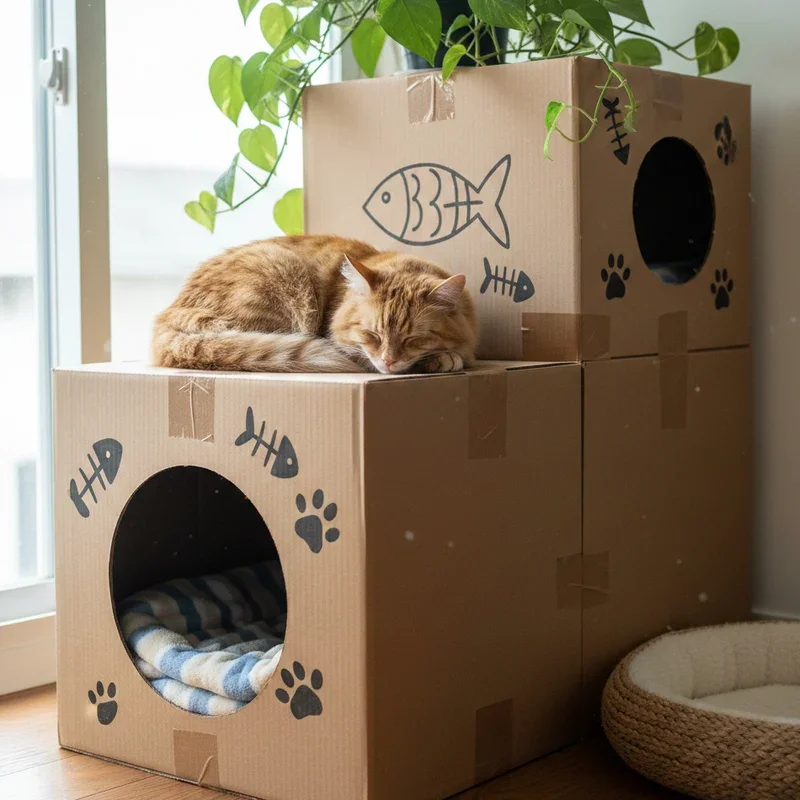
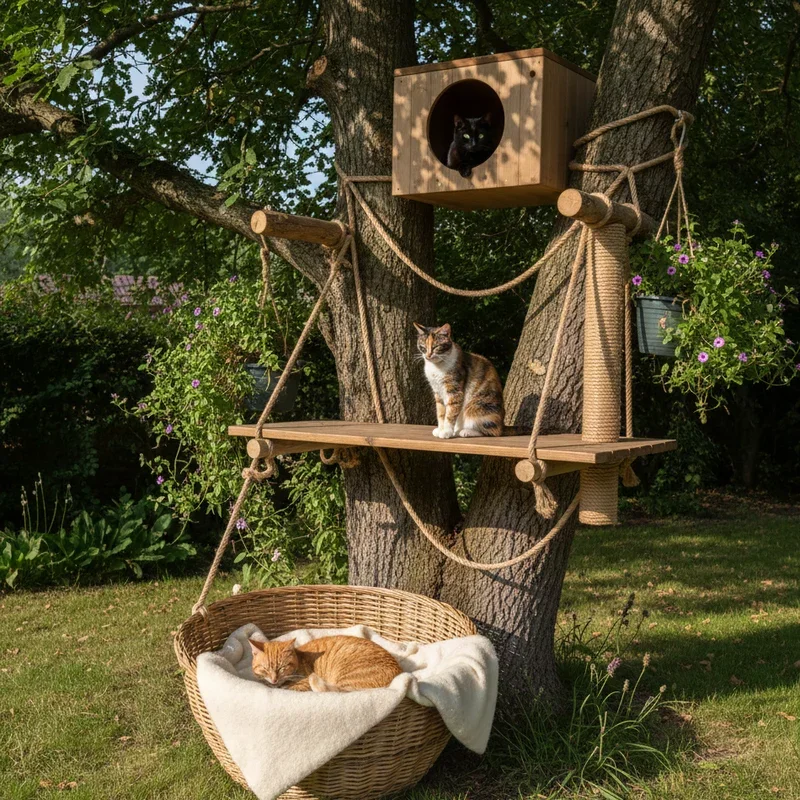
Try to think in layers. One bed tucked into a quiet corner. One raised perch near a window. One soft spot in a room where the household spends time. Cats often like options more than a single designated place. Some days they want sunlight and motion. Other days they want a hidden edge of the room where nobody bothers them.
It helps to resist the urge to interrupt every time they settle down somewhere inconvenient. If a cat has chosen a calm spot that works, that matters. Routine is not only what you schedule. It is also what the environment quietly allows.
Add small changes through the day without overcomplicating things
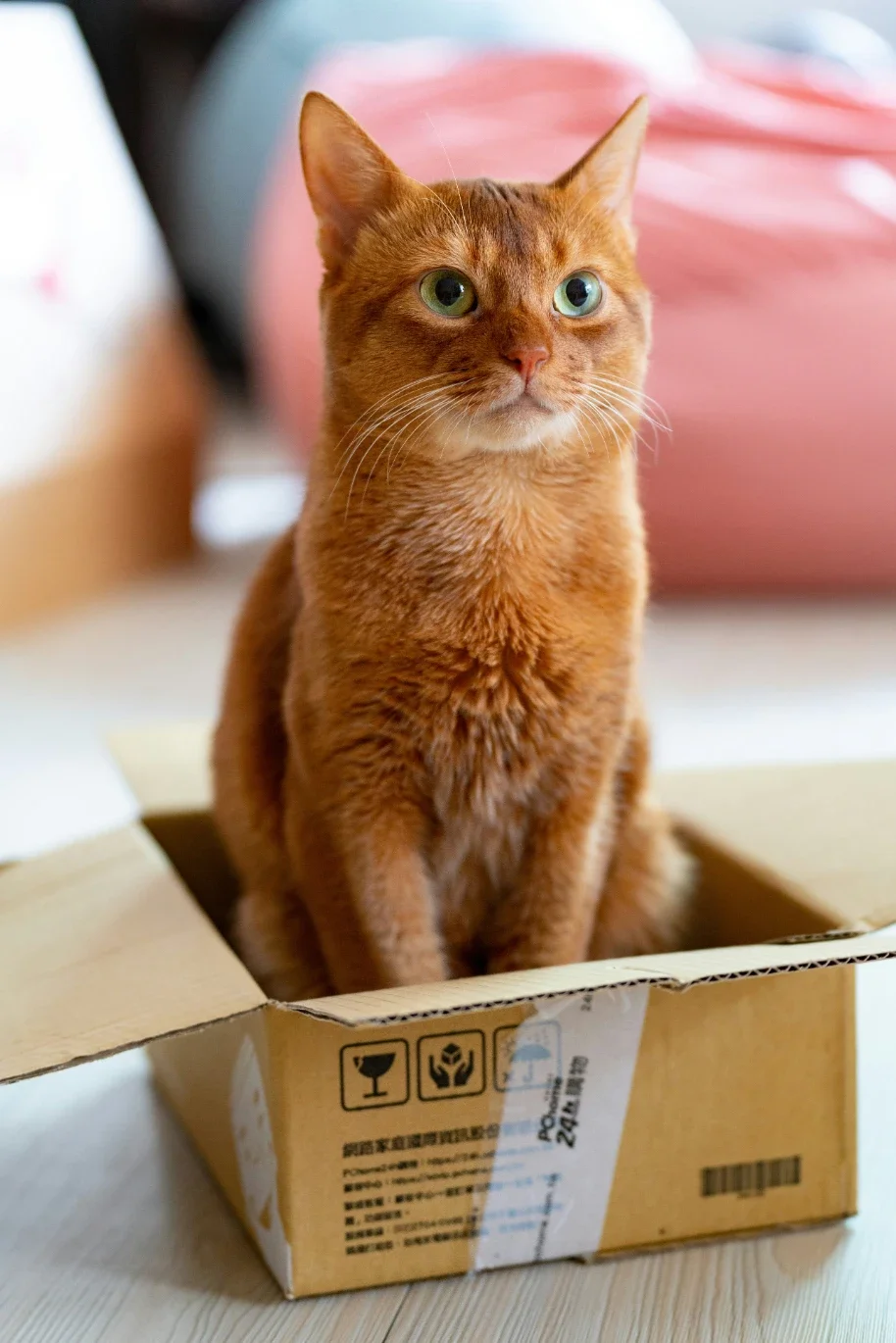
The most effective home routines are usually simple. Open a window with a secure screen for fifteen minutes in the morning so new smells come in. Shift a chair closer to a window for bird-watching. Move one toy basket to a different room. Put a paper bag or empty box down for the afternoon and remove it the next day. Tiny changes can refresh a cat’s world without turning your home into an obstacle course.
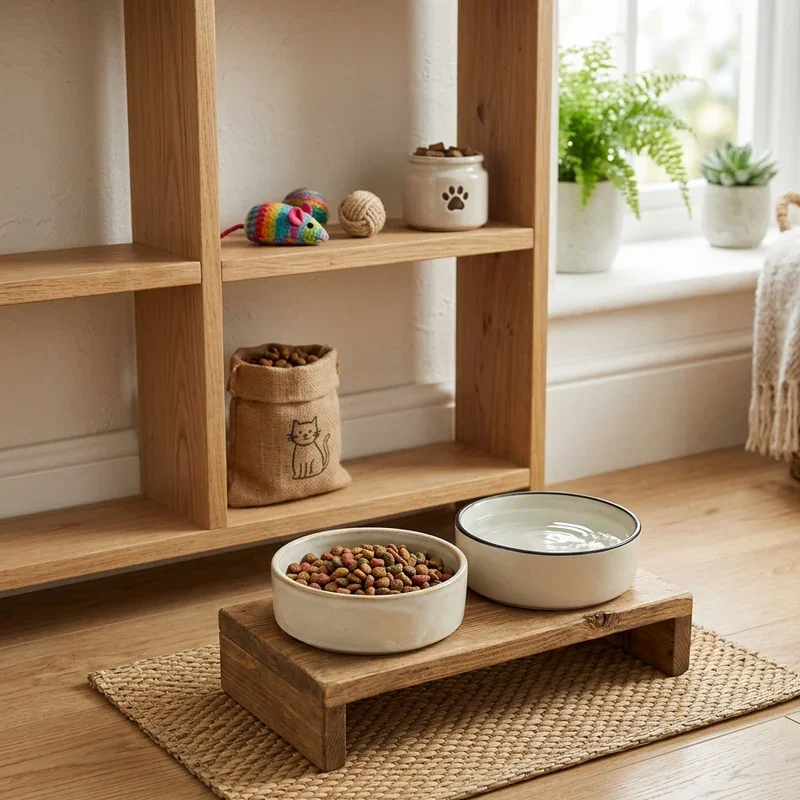
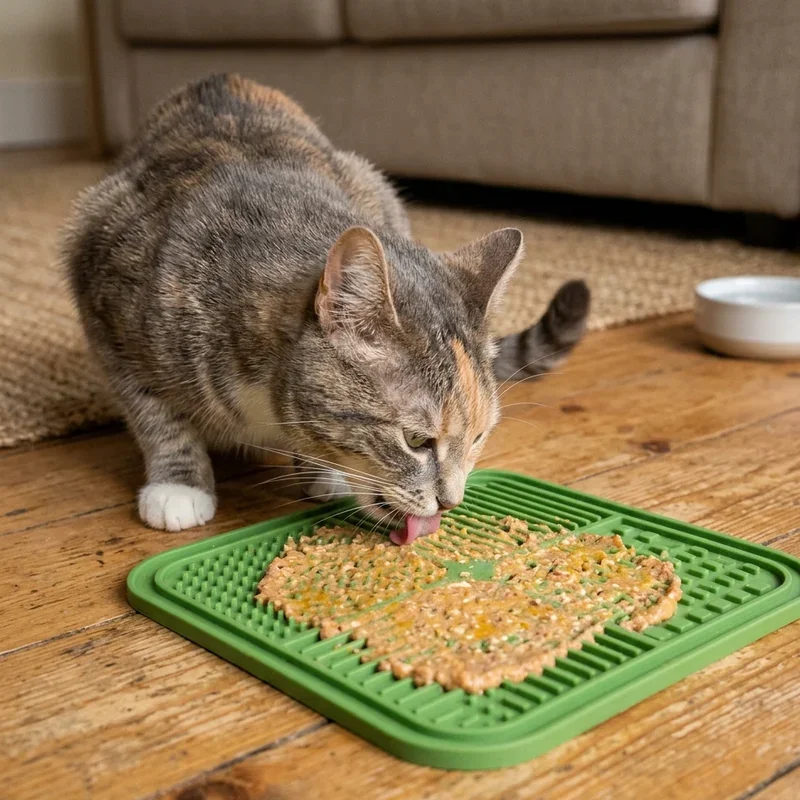
Food can also be part of this. Not every meal needs to come from a bowl placed in the same corner. An occasional puzzle feeder, slow feeder, or a few pieces of kibble scattered for a short hunt can wake up the brain in a useful way. The point is not to make meals difficult all the time. It is to add variation here and there so the day does not flatten out.
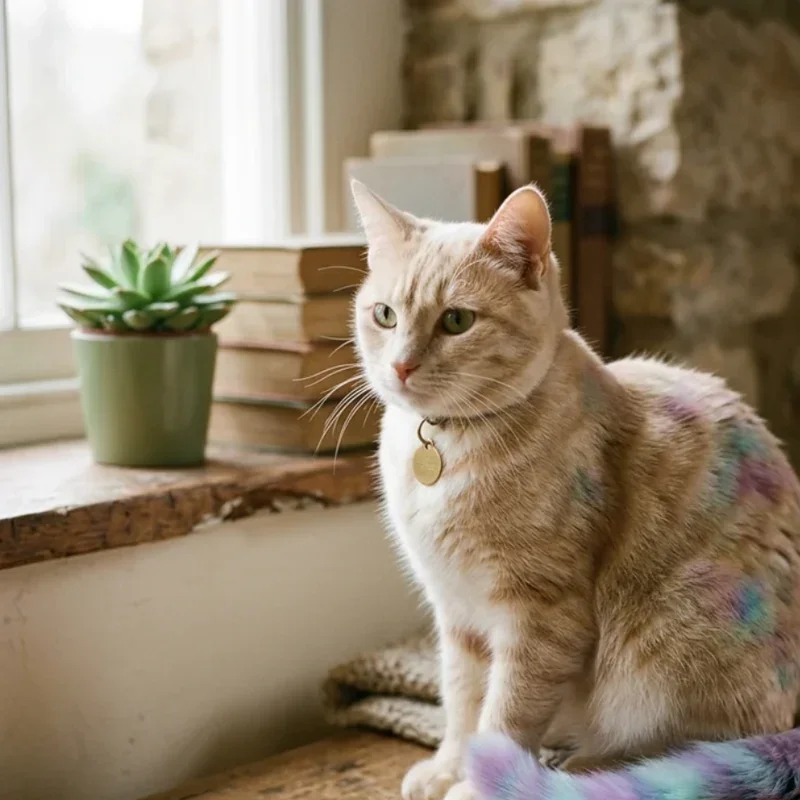
If your cat wears a collar, make sure it fits comfortably and does not become a source of irritation. Accessories should never add stress to the routine. They should fade into the background.
A lot of people assume enrichment has to be elaborate. Usually, it works best when it is easy enough to repeat. A little novelty, offered regularly, goes further than a big effort you only manage once every two weeks.
Balance engagement with enough quiet
One reason some routines fall apart is that they lean too hard in one direction. Either the cat gets ignored for long stretches, or the household starts chasing constant stimulation and ends up with an overstimulated animal that cannot settle.
Balance matters. A better routine includes moments of effort and moments of stillness. After a good play session, many cats want food, grooming, and sleep. That pattern is natural. It is part of what makes a day feel complete.
Pay attention to what your cat is telling you. A tail twitch, flattened ears, sudden biting during petting, or walking away from interaction are all useful signals. Not every restless moment means more activity is needed. Sometimes the right answer is less. A quieter room. A familiar perch. A chance to decompress without being watched.
That is what makes routine feel supportive instead of forced. It works with the cat in front of you, not with some perfect idea of what a daily plan should look like.
Start with a few habits you can actually keep
You do not need a full reset to improve your cat’s day. Start with one or two habits that feel realistic. A ten-minute play session before breakfast. A scratcher moved to a better spot. A proper rest corner that stays undisturbed. A few toys rotated instead of left out in a pile.
Cats respond well to consistency, and consistency is easier when the routine fits your actual life. The best setups are not fancy. They are repeatable. They make the home feel more alive without making it chaotic.
For cats that get bored easily, that steady rhythm can change a lot. The house becomes more interesting. Rest becomes easier. Behavior often gets smoother.
Conclusion
Cats do not need constant entertainment to feel content. More often, they respond to a day that has a bit of rhythm: time to play, time to scratch, time to watch, and time to fully switch off. When those small habits become part of everyday life, boredom tends to ease naturally, and home starts to feel more comfortable, predictable, and interesting in all the right ways.
Stay up to date with our latest ideas!