Why Is My Cat Dry Heaving? Common Causes Explained
Discover why is my cat dry heaving with common causes explained. Learn symptoms, treatments, and when to visit the vet immediately.
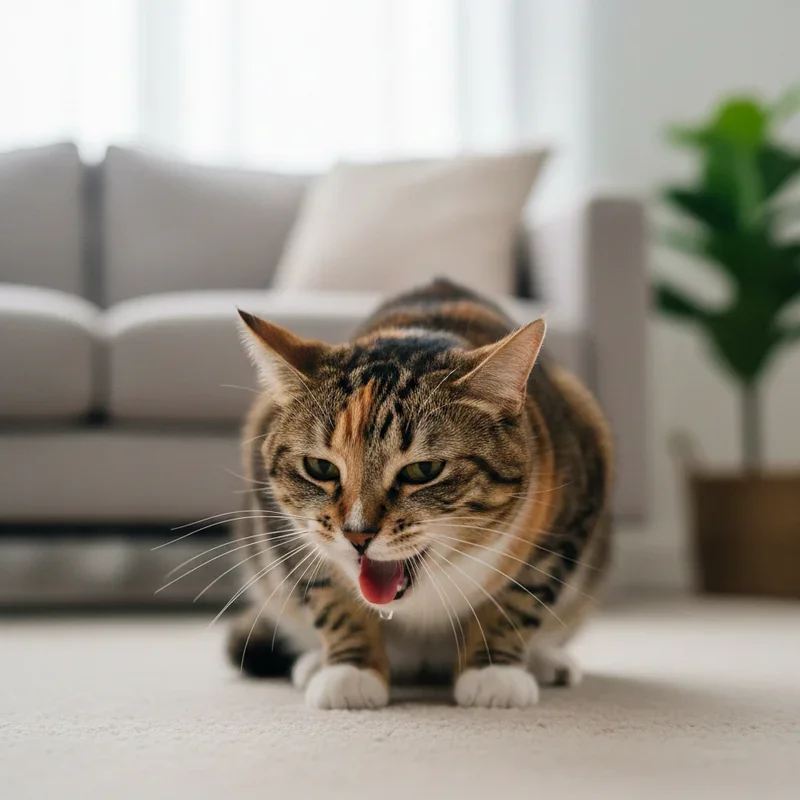
There's nothing quite as alarming as watching your beloved feline companion make those awful retching sounds without actually producing anything. The hunched posture, the rhythmic gagging, and the look of distress on their face can send any cat owner into a panic. What's happening? Is it serious? Should you rush to the emergency vet right now?
Take a deep breath, because you're not alone in this worry. Dry heaving in cats is actually more common than you might think, and while it can sometimes signal serious health issues, it often has relatively simple explanations. Understanding the difference between occasional harmless episodes and genuine medical emergencies can save you both unnecessary stress and potentially your cat's life.
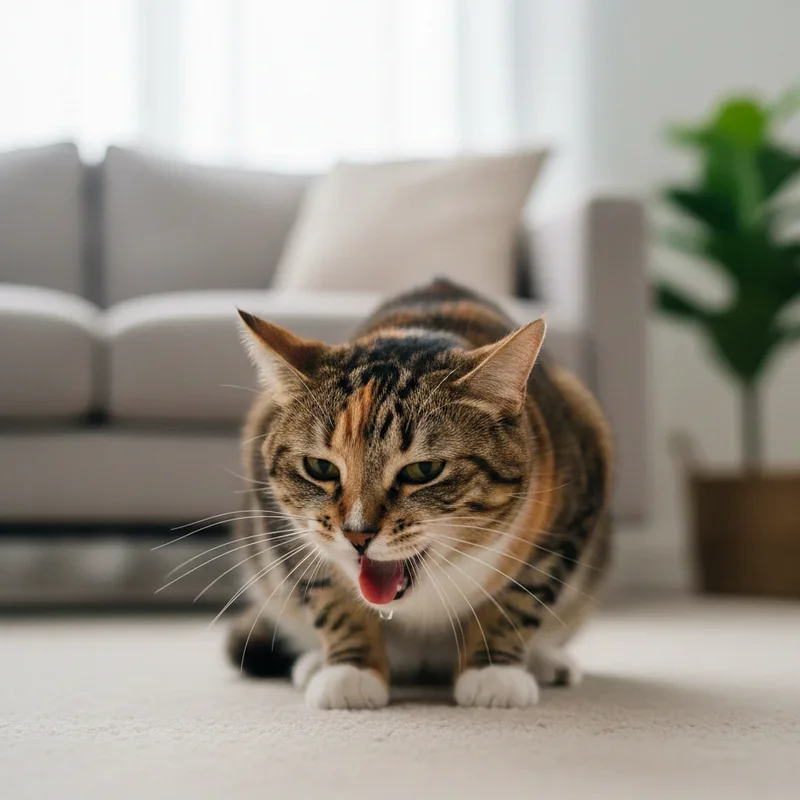
Cats are masters at hiding discomfort, which makes deciphering their health signals particularly challenging. When a cat dry heaves, they're essentially going through the motions of vomiting without bringing anything up. The abdominal muscles contract repeatedly, the neck extends, and that distinctive gagging sound echoes through your home, yet nothing comes out.
The causes behind this unsettling behavior range from something as simple as a stubborn hairball to conditions as serious as intestinal blockages. Figuring out why is my cat dry heaving requires playing detective with the clues your kitty provides.
This comprehensive guide will walk you through the most common reasons cats experience dry heaving, help you recognize warning signs that demand immediate attention, and give you the knowledge to make informed decisions about your furry friend's care. Let's dig into what might be going on with your cat.
Understanding What Dry Heaving Actually Is
Before exploring causes, let's clarify exactly what we're talking about when we discuss dry heaving in cats.
The Mechanics of Dry Heaving
Dry heaving, sometimes called retching or non-productive vomiting, occurs when your cat's body goes through the vomiting reflex without expelling stomach contents. The diaphragm and abdominal muscles contract powerfully, the esophagus opens, and everything prepares for material to come up. Except nothing does.
This differs from actual vomiting, where stomach contents are expelled, and from coughing, which involves the respiratory system rather than the digestive tract. Many cat owners confuse these three behaviors, which can lead to misdiagnosis and inappropriate worry.
During dry heaving, you'll typically see your cat crouch low to the ground, extend their neck forward, and make repeated gagging or retching sounds. Their sides may heave visibly with each contraction. The episode usually lasts anywhere from a few seconds to a minute or so.
Differentiating Between Coughing and Dry Heaving
Here's where things get tricky for many pet owners. Cat coughing can look remarkably similar to dry heaving, but the underlying causes and treatments differ significantly.
Coughing typically involves a more pronounced wheeze or hacking sound, and cats often keep their mouths open during the episode. The body position tends to be lower, almost like they're trying to dislodge something from their throat. Respiratory issues, asthma, and infections commonly cause coughing.
Dry heaving focuses more on the abdominal region, with visible stomach contractions and that distinctive retching motion. The head bobs forward repeatedly rather than remaining relatively stationary as with coughing.
If you're unsure which your cat is experiencing, try recording an episode on your phone. Veterinarians find these videos incredibly helpful for accurate diagnosis.
Why Is My Cat Dry Heaving? Common Causes Explained in Detail
Let's explore the various reasons your cat might be experiencing these distressing episodes.
Hairballs: The Usual Suspect
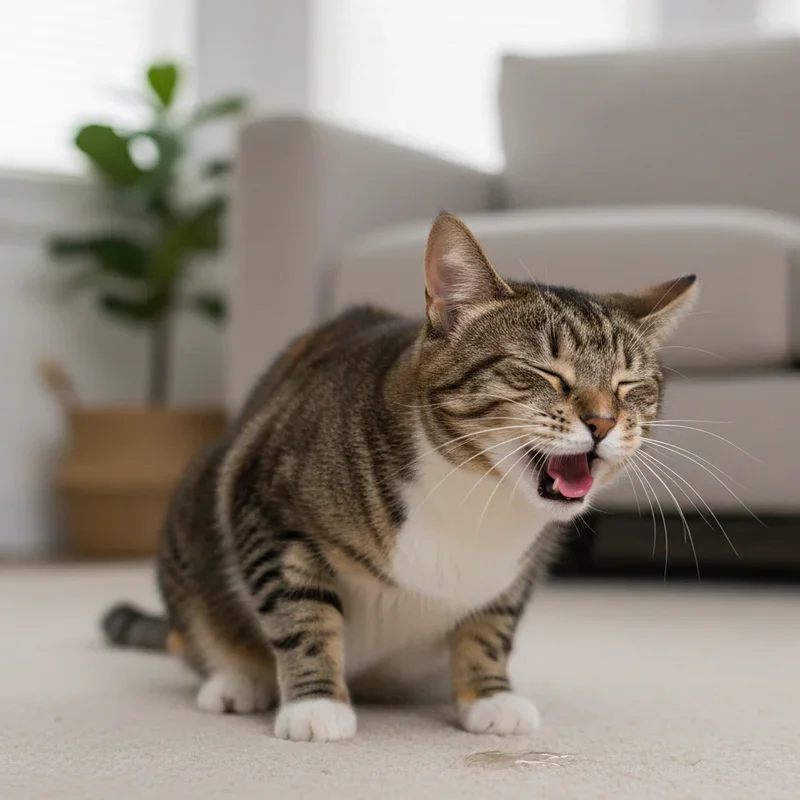
Ah, hairballs. Every cat owner's least favorite find on the carpet, yet one of the most common causes of feline gagging and dry heaving. When cats groom themselves, they swallow loose fur that accumulates in their digestive tract. Usually, this hair passes through without issue.
Sometimes, however, the hair clumps together and needs to come back up the way it came. The dry heaving you witness is often your cat trying unsuccessfully to expel a hairball that's being particularly stubborn.
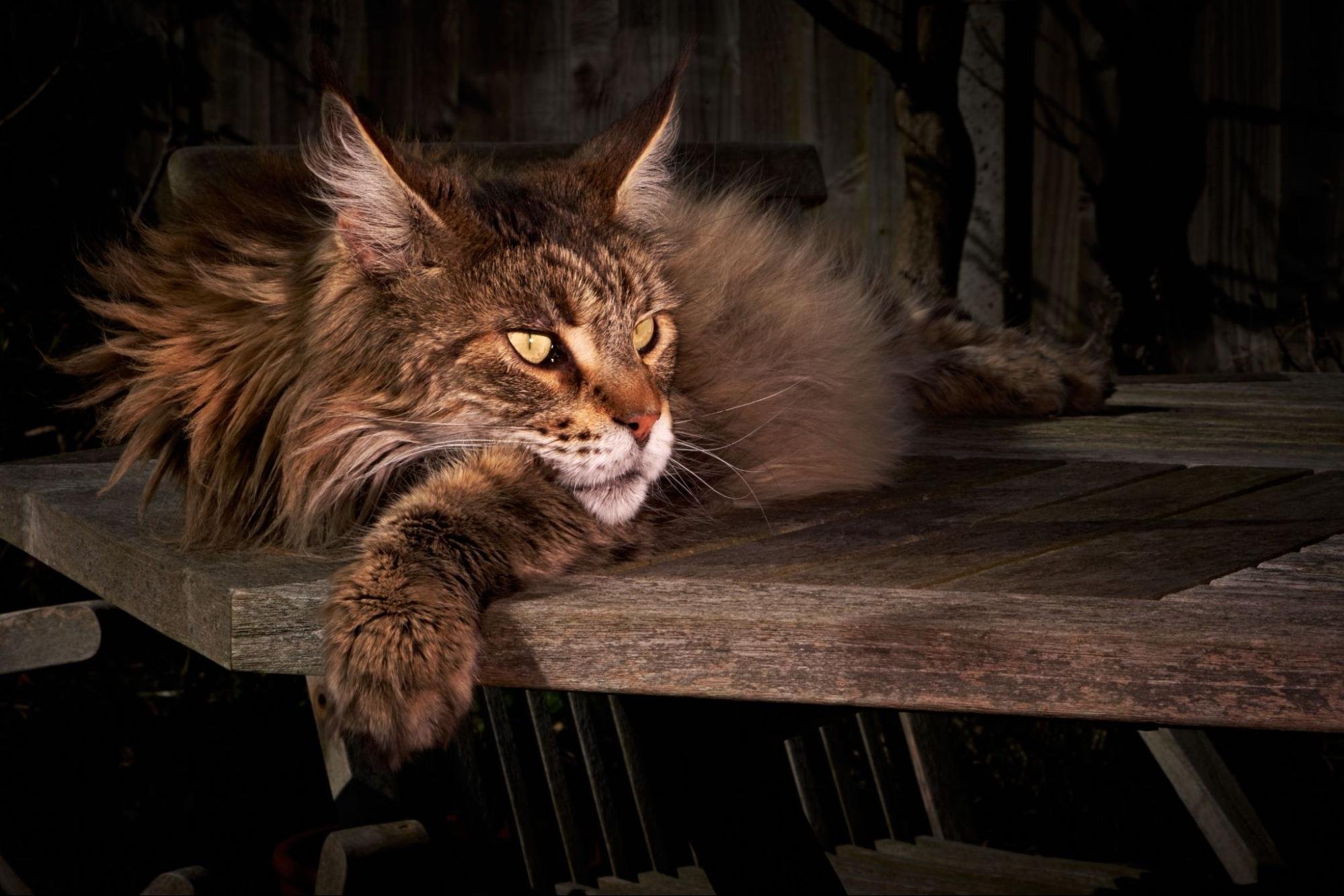
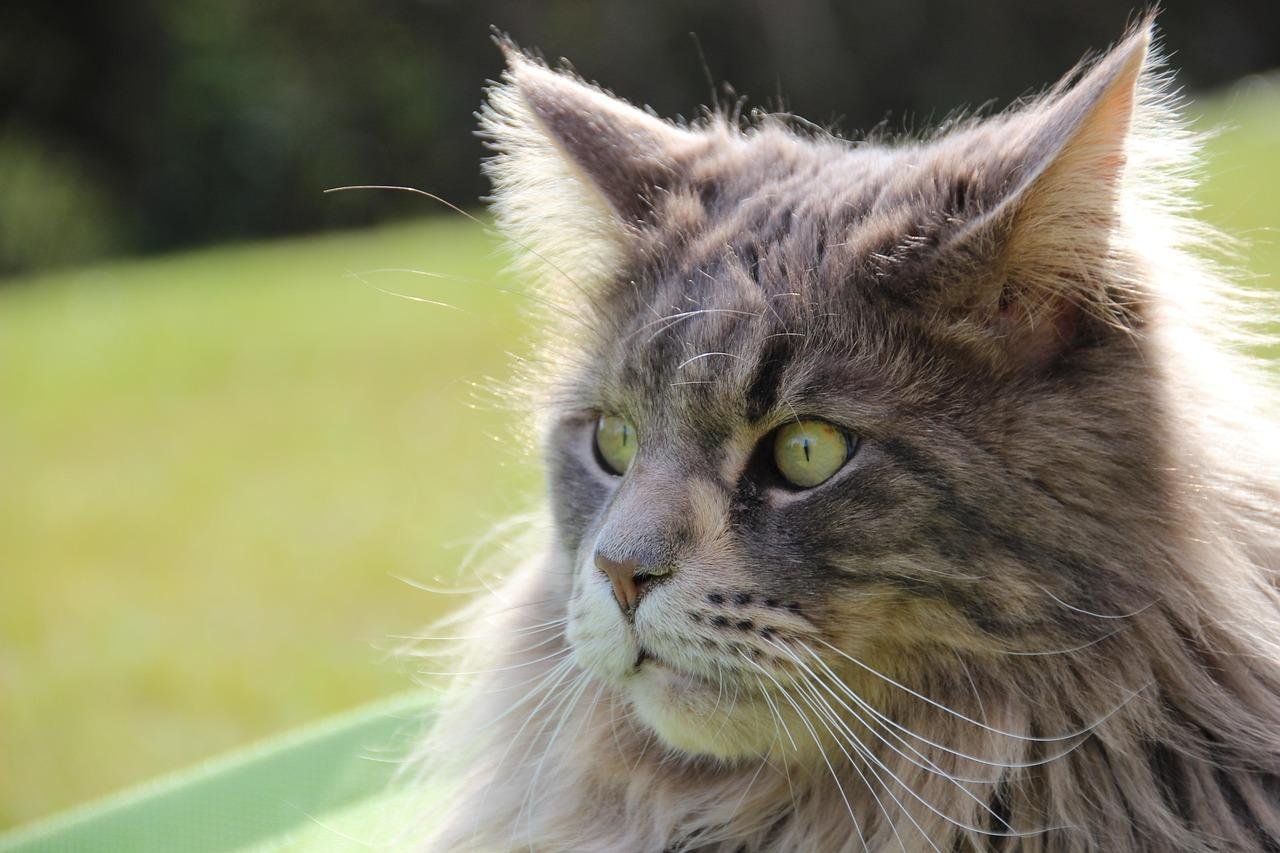
Long-haired breeds experience hairball issues more frequently, though no cat is immune. Seasonal shedding periods can worsen the problem as cats swallow more fur during grooming sessions.
If hairballs are the culprit, you'll likely eventually see the actual hairball make its appearance, often after several dry heaving episodes. The classic cylindrical tube of compacted fur and bile is unmistakable once you've seen one.
Eating Too Fast
Some cats treat every meal like it's their last. They inhale their food so quickly that their stomachs become overwhelmed, triggering the vomiting reflex. Sometimes this results in the food coming right back up. Other times, you get dry heaving as the body tries to cope without actually expelling anything.
Fast eating often stems from competition with other pets, anxiety around food availability, or simply individual personality. The rapid ingestion can also cause cats to swallow air, contributing to nausea and subsequent gagging.
You'll notice this pattern if your cat consistently dry heaves shortly after eating, particularly if they're a speedy eater. The timing is usually within minutes to an hour of mealtime.
Gastrointestinal Blockages
Here's where things get more serious. Foreign objects that cats shouldn't have swallowed can become lodged in the digestive tract, causing repeated dry heaving as the body attempts to expel something it can't actually move.
Common culprits include string, ribbon, rubber bands, small toy parts, and pieces of fabric. Cats are notorious for playing with and sometimes ingesting these items. The linear shape of string-type objects makes them particularly dangerous as they can cause serious intestinal damage.
Dry heaving from a blockage typically doesn't resolve on its own and may be accompanied by other symptoms like lethargy, loss of appetite, abdominal pain, or constipation. This situation requires immediate veterinary attention.
Nausea Without Vomiting
Just like humans, cats can feel nauseated without actually throwing up. Various conditions can trigger this queasy feeling, leading to dry heaving episodes as the body prepares to vomit but never quite gets there.
Causes of feline nausea include motion sickness during car rides, reaction to medications, liver or kidney problems, infections, and even stress. The dry heaving represents the body's attempt to relieve the nausea through vomiting, even when the stomach is empty or the reflex doesn't fully complete.
Cats experiencing nausea often show other signs like excessive drooling, lip licking, reduced appetite, and general lethargy. Pay attention to these accompanying symptoms when trying to identify the underlying cause.
Respiratory Issues
Sometimes what appears to be dry heaving is actually related to respiratory problems. Conditions like asthma, bronchitis, and upper respiratory infections can cause gagging and retching that mimics digestive-related dry heaving.
When cats struggle to clear mucus or cope with inflamed airways, the resulting behavior can look remarkably similar to trying to expel a hairball. The body's response to respiratory distress sometimes triggers that familiar crouching, gagging posture.
If your cat's dry heaving episodes are accompanied by wheezing, labored breathing, nasal discharge, or coughing fits, respiratory causes deserve investigation.
Why Is My Cat Dry Heaving? Common Causes Explained Through Serious Conditions
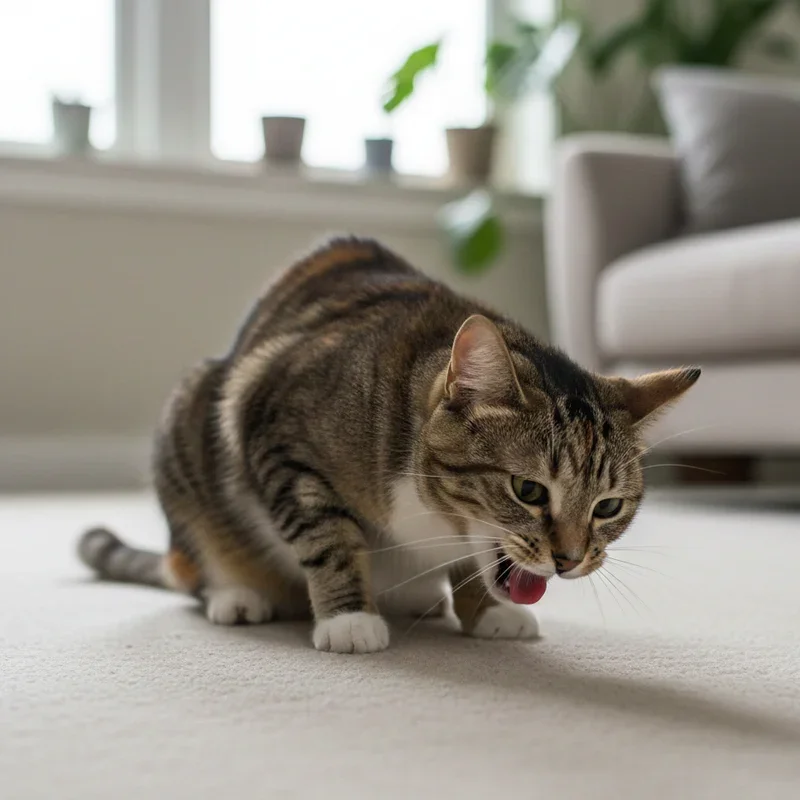
While many causes of dry heaving are relatively benign, some warrant immediate concern.
Inflammatory Bowel Disease
Chronic gastrointestinal inflammation can lead to frequent nausea and dry heaving episodes. Inflammatory bowel disease in cats causes the digestive tract lining to become irritated and inflamed, disrupting normal function.
Cats with this condition often experience cycles of symptoms including dry heaving, actual vomiting, diarrhea, weight loss, and decreased appetite. The inflammation makes the digestive system hypersensitive, triggering nausea from things that wouldn't bother a healthy cat.
Diagnosis requires veterinary testing, and management typically involves dietary changes and sometimes medication to control inflammation.
Kidney Disease
As kidney function declines, toxins that would normally be filtered from the blood accumulate in the body. This buildup causes significant nausea, which can manifest as dry heaving, especially in the early morning or when the stomach is empty.
Kidney disease is unfortunately common in older cats and develops gradually. Besides dry heaving, affected cats often show increased thirst and urination, weight loss, poor coat condition, and decreased appetite.
Early detection through regular blood work can catch kidney decline before it becomes severe. If your senior cat has started dry heaving regularly, kidney function is definitely worth checking.
Liver Problems
The liver plays a crucial role in processing nutrients and filtering toxins. When liver function is compromised, cats often experience persistent nausea leading to dry heaving and loss of appetite.
Liver disease can result from infection, toxin exposure, fatty liver syndrome, or cancer. Symptoms beyond dry heaving may include jaundice, abdominal swelling, and behavioral changes.
Like kidney disease, liver problems require professional diagnosis and treatment. Don't delay veterinary consultation if you suspect liver involvement.
Intestinal Parasites
Internal parasites can irritate the digestive tract enough to cause dry heaving, particularly in kittens and cats with heavy infestations. Roundworms, hookworms, and other parasites damage the intestinal lining and create inflammation.
Parasite-related dry heaving often accompanies other symptoms like visible worms in stool, potbellied appearance, dull coat, and general failure to thrive. Regular deworming and fecal testing help prevent and catch these infections.
When to Seek Veterinary Care
Knowing when to worry and when to wait can be challenging. Here's guidance for making that call.
Signs of Emergency
Certain symptoms alongside dry heaving indicate you should seek immediate veterinary care:
Prolonged episodes lasting more than 24 hours without improvement suggest something more serious than a simple hairball. Visible distress, crying, or inability to get comfortable points to pain that needs addressing.
Complete loss of appetite combined with dry heaving can indicate blockage or serious illness. Any signs of bloating or abdominal distension require urgent attention as these can signal life-threatening conditions.
Blood in any material that does come up, even small amounts, warrants immediate investigation. Similarly, if you know or suspect your cat swallowed something they shouldn't have, don't wait to see if it passes.
When to Monitor at Home
Occasional dry heaving that resolves within a few hours, particularly if followed by a successful hairball expulsion, generally doesn't require emergency intervention. Cats who remain otherwise normal, eating, drinking, and behaving typically, can often be monitored.
However, keep notes on frequency and duration. If episodes become more frequent or your cat shows any decline in overall condition, schedule a veterinary appointment sooner rather than later.
Home Care and Prevention Strategies
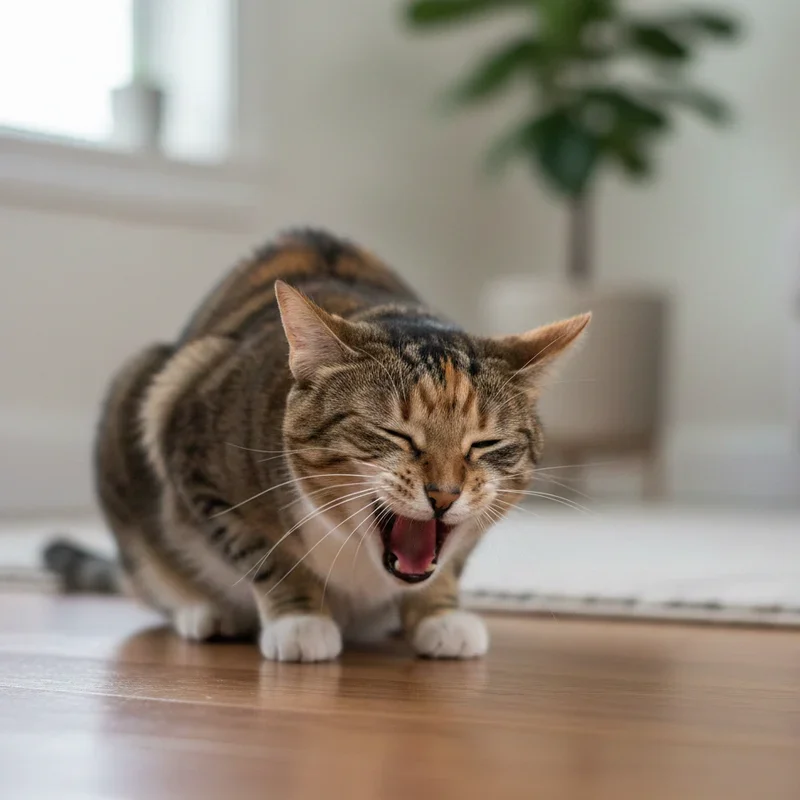
While you can't prevent all causes of dry heaving, certain strategies reduce the likelihood and severity of episodes.
Hairball Management
Regular brushing removes loose fur before your cat can swallow it. Daily brushing during heavy shedding seasons makes a significant difference, especially for long-haired breeds.
Hairball-formula cat foods and treats contain ingredients that help hair pass through the digestive system rather than accumulating. Petroleum-based hairball remedies lubricate the digestive tract to facilitate passage.
Adding fiber to your cat's diet through appropriate supplements or high-fiber foods can also help move hair through the system more efficiently.
Slowing Down Fast Eaters
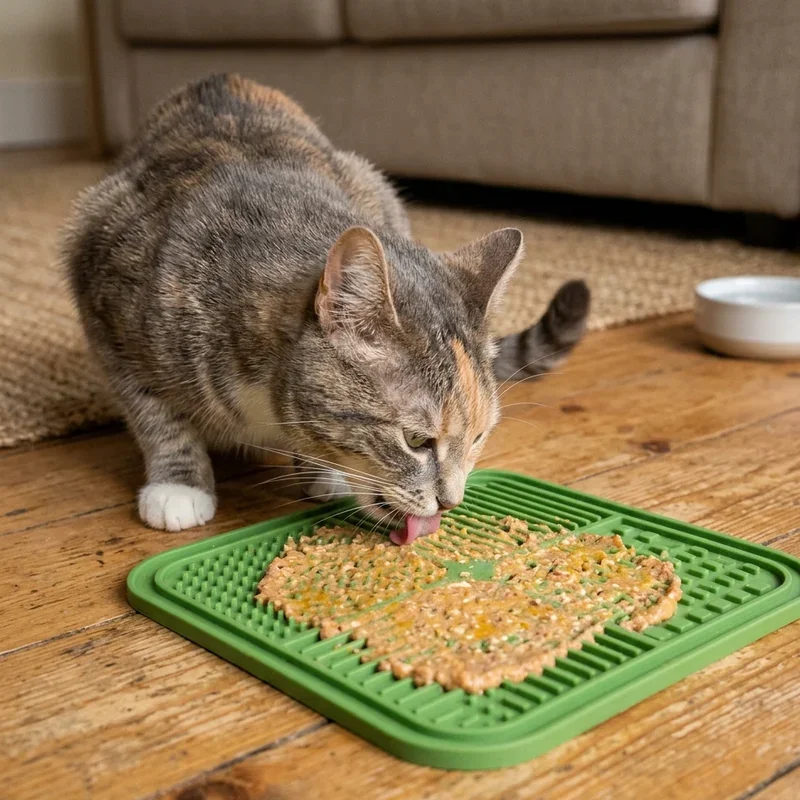
Puzzle feeders and slow-feed bowls force cats to work for their food, preventing the rapid inhalation that triggers nausea. Spreading food across a flat surface rather than piling it in a bowl accomplishes similar results.
Feeding smaller, more frequent meals reduces the amount of food hitting the stomach at once. This approach helps cats who consistently vomit or dry heave after eating large meals.
If competition with other pets drives fast eating, separate feeding stations can reduce the urgency your cat feels around mealtime.
Environmental Considerations
Keeping small objects, string, rubber bands, and other tempting but dangerous items away from curious cats prevents accidental ingestion that can cause blockages. Cat-proofing your home is especially important for young, playful cats who explore with their mouths.
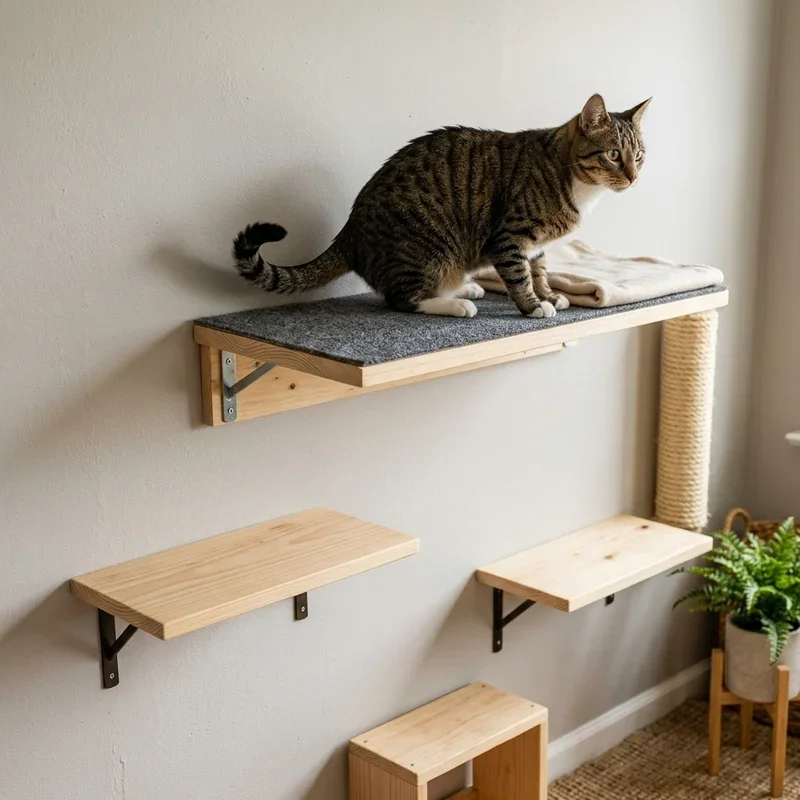
Reducing stress through environmental enrichment, consistent routines, and appropriate vertical space can help cats who experience stress-related nausea. Calm cats generally have calmer digestive systems.
Conclusion
Understanding why is my cat dry heaving empowers you to respond appropriately whether the cause is a stubborn hairball or something more serious. Most dry heaving episodes resolve on their own, but persistent or severe cases deserve veterinary attention promptly. Regular grooming, appropriate feeding strategies, and attentive observation of your cat's behavior help prevent many causes of this distressing symptom. When in doubt, consulting your veterinarian ensures your beloved feline gets the care they need.
Read next: Can Kittens Eat Adult Cat Food? What Owners Should Know
Frequently Asked Questions
1.How can I tell if my cat's dry heaving is serious?
Dry heaving lasting over 24 hours, accompanied by lethargy or appetite loss, requires immediate veterinary evaluation.
2.Can hairballs cause cats to dry heave without producing anything?
Yes, stubborn hairballs often cause repeated dry heaving episodes before eventually being successfully expelled from cats.
3.Should I withhold food if my cat keeps dry heaving?
Brief fasting may help, but consult your veterinarian if dry heaving continues beyond several hours consistently.
4.Is dry heaving in cats the same as coughing?
No, dry heaving involves abdominal contractions for vomiting while coughing originates from the respiratory system.
5.Can stress cause a cat to dry heave?
Yes, stress can trigger nausea in cats, leading to dry heaving episodes especially during environmental changes.
Stay up to date with our latest ideas!