Discover why does my cat try to bury her food with explanations of this instinctive behavior. Learn what it means and when to be concerned.
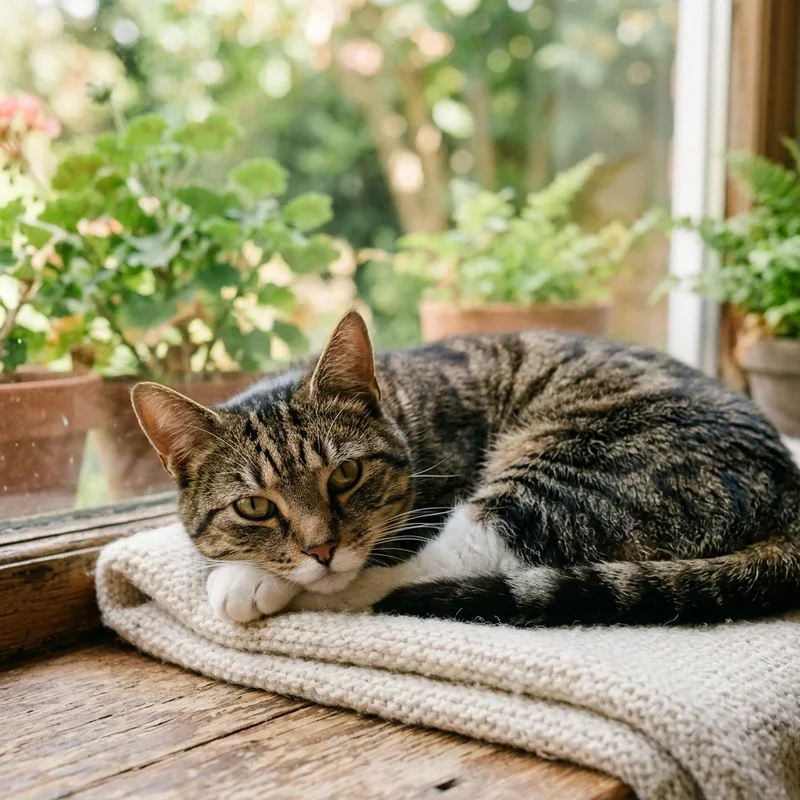
You've just served up a delicious bowl of premium cat food, and instead of diving in with enthusiasm, your feline friend does something utterly baffling. She sniffs it, maybe takes a bite or two, then starts pawing at the floor around the bowl like she's trying to dig a hole right through your kitchen tile. What on earth is going on here?
If you've witnessed this peculiar ritual, you're definitely not alone. Cat owners everywhere have watched in confusion as their beloved pets perform what appears to be an invisible burial ceremony over their dinner. The scratching, the pawing, the determined effort to cover something that's sitting in a bowl on a hard surface. It seems completely pointless, yet cats do it with such conviction.
Here's the thing about cats. They're creatures of deep instinct, and many behaviors that seem bizarre in our modern living rooms make perfect sense when viewed through the lens of their wild ancestry. That pawing motion your cat performs isn't random or meaningless. It connects to survival instincts that have been hardwired into felines for thousands of years.
Understanding why does my cat try to bury her food provides fascinating insight into feline psychology and helps you respond appropriately to this common behavior. Whether your cat does this occasionally or performs the ritual at every single meal, knowing the reasons behind it puts your mind at ease and helps you better understand your furry companion.
This comprehensive guide explores all the motivations behind this food-burying behavior. From ancient survival instincts to modern-day preferences, we'll uncover what's really going through your cat's mind when those paws start working overtime around the food bowl.
The Wild Ancestry Connection
Your house cat carries instincts inherited from wild ancestors who faced very different survival challenges.
Caching Behavior in Wild Cats
Wild cats often kill prey larger than they can consume in one sitting.
In the wild, this presents a problem. Fresh meat attracts other predators and scavengers who might steal the kill or pose threats to the hunting cat. Wasting food means wasting the energy spent hunting.
The solution? Burying excess food for later consumption. Wild cats scratch dirt, leaves, and debris over their kills to hide them from competitors and preserve them for subsequent meals.
This behavior, called caching, served as a survival mechanism ensuring wild cats didn't waste precious calories while minimizing danger from other animals drawn to the scent.
The Instinct Lives On
Domestication hasn't erased these deeply embedded behaviors.
Even though your cat has never hunted for survival and receives reliable meals from you, the genetic programming remains intact. When something triggers the caching instinct, your cat responds just as her wild ancestors would have.
The fact that there's no actual dirt to scratch or food to bury doesn't stop the behavior. The instinct fires regardless of whether the action achieves anything practical.
This disconnect between instinct and reality explains why your cat paws determinedly at solid flooring as though she's actually accomplishing something.
Why Does My Cat Try to Bury Her Food? Explained Through Different Motivations
Several specific triggers can activate this burying behavior in domestic cats.
Saving Food for Later
Sometimes your cat simply isn't hungry enough to finish her meal.
Unlike dogs who often eat everything in sight regardless of hunger, cats tend to eat only what they need at the moment. A cat who isn't particularly hungry might take a few bites then decide to save the rest.
The burying motion represents an attempt to preserve that food for later consumption. Your cat's instincts tell her to cache the excess, even though covering food with imaginary dirt won't actually preserve it.
This behavior often increases when cats are fed larger portions than they want or when meal timing doesn't match their natural hunger rhythms.
Hiding Food From Competitors
Multi-pet households often trigger increased burying behavior.
Even if your cats get along perfectly, ancient instincts perceive other animals as potential food thieves. Your cat may be trying to hide her food from housemates, whether those housemates are other cats, dogs, or even humans.
This protective instinct intensifies when cats feel their resources might be threatened. Competition for food, real or perceived, activates the hide-and-save programming.
Some cats exhibit this behavior more intensely after experiencing food scarcity, such as shelter cats or former strays who learned that food security couldn't be taken for granted.
Concealing Scent From Predators
Wild cats aren't just hunters. They're also potential prey for larger predators.
The smell of food attracts unwanted attention. Burying leftovers helps mask scent trails that could lead predators to a cat's location. This protective behavior kept wild cats safer between meals.
Your indoor cat faces no such threats, but the instinct to hide food scent remains active. She doesn't know there are no predators lurking. Her brain simply responds to the presence of food with protective behavior.
This motivation may explain why some cats are more insistent about the burying ritual than others. Cats with higher anxiety levels or more cautious personalities might feel this protective urge more strongly.
Food Preference Signals
Not all burying behavior relates to saving food. Sometimes it sends a different message entirely.
Expressing Displeasure
Your cat might be telling you she doesn't like what you've served.
Burying unwanted items is a feline way of dismissing them. Just as cats bury waste in litter boxes, they may attempt to bury food they find unacceptable.
This behavior often appears when you change food brands, introduce new flavors, or serve something your cat finds unpalatable. The scratching motion essentially says "this doesn't meet my standards."
Pay attention to whether your cat eats before burying versus refusing to eat at all. A cat who eats then buries is likely saving food. A cat who buries without eating might be rejecting the meal entirely.
Freshness Concerns
Cats have incredibly sensitive noses and can detect staleness we'd never notice.
If food has been sitting out too long or has begun to turn, your cat may try to bury it rather than eat potentially spoiled food. This protective instinct keeps cats from consuming something that might make them sick.
Wet food especially loses appeal quickly once exposed to air. A meal served an hour ago might smell completely different to your cat than when first opened.
This sensitivity explains why some cats demand fresh food at every meal, refusing to touch yesterday's leftovers that we humans consider perfectly fine.
Why Does My Cat Try to Bury Her Food? Explained Through Behavioral Patterns
Observing when and how your cat buries food reveals additional insights.
Consistent Versus Occasional Burying
Some cats bury food at nearly every meal, while others do it rarely.
Consistent buriers often have stronger instinctual drives or may have experienced circumstances that reinforced the behavior. Former strays and shelter cats frequently show persistent caching habits.
Occasional burying typically relates to specific circumstances. Perhaps the food wasn't to their liking that day, or they simply weren't hungry enough. These cats demonstrate context-dependent behavior rather than compulsive instinct.
Neither pattern indicates problems. Both fall within normal feline behavior ranges.
Intensity Variations
The enthusiasm of the burying attempt varies between cats and situations.
Some cats perform a quick, perfunctory paw motion before walking away. Others scratch vigorously and extensively, working the floor around their bowl with serious determination.
Higher intensity often correlates with stronger instinctual drive or greater motivation to hide the food. A cat who really dislikes her meal might scratch more forcefully than one who's simply full.
Timing Patterns
When burying occurs in relation to eating provides additional information.
Burying before eating might indicate uncertainty about the food. The cat may be checking for safety or expressing hesitation about the meal.
Burying after eating suggests saving behavior. The cat has eaten her fill and now instinctively moves to preserve the remainder.
Burying without eating at all often signals rejection. The cat has decided not to consume the food and is dismissing it.
Multi-Cat Household Dynamics
Living with other cats influences food burying behavior significantly.
Competition Effects
The presence of other cats often intensifies protective food behaviors.
Even in harmonious multi-cat households, ancient instincts recognize other cats as potential competitors. The urge to hide food from others doesn't require actual conflict. The mere presence of housemates triggers it.
Subordinate cats in household hierarchies sometimes show more burying behavior. They may feel less secure about their food access than dominant household members.
Resource Security
Cats who feel uncertain about food availability may bury more frequently.
Multi-cat feeding situations can create anxiety around resources. If cats eat from shared bowls or compete for the same feeding station, individuals may feel pressure to cache food.
Providing separate feeding areas often reduces this behavior. When each cat has their own secure dining spot, the urge to hide food diminishes.
Social Dynamics
Interestingly, some cats bury food as a message to housemates.
The scent marking that accompanies scratching communicates information to other cats. A cat burying food may be signaling something about territory, ownership, or food quality to feline companions.
This social communication aspect adds another layer to the behavior beyond simple instinct.
When to Be Concerned
Most food burying is completely normal, but certain patterns warrant attention.
Sudden Behavioral Changes
A cat who never buried food suddenly starting suggests something has changed.
New stressors, health issues, or environmental changes can trigger behavioral shifts. If burying appears suddenly alongside other changes, consider what might be different.
Schedule a veterinary checkup if sudden behavioral changes accompany appetite changes, weight loss, or other concerning symptoms.
Obsessive Behavior
Excessive, prolonged, or seemingly compulsive burying might indicate anxiety issues.
Normal burying lasts seconds to a minute at most. A cat who scratches continuously for extended periods or seems unable to stop may be experiencing anxiety or compulsive behavior.
These cases benefit from environmental enrichment, stress reduction, and potentially veterinary behavioral consultation.
Food Rejection Patterns
Consistent refusal to eat combined with burying suggests food-related issues.
If your cat regularly buries without eating, experiment with different foods, freshness levels, bowl types, and feeding locations. Persistent refusal to eat requires veterinary attention.
Responding Appropriately
Understanding the behavior helps you respond in ways that support your cat.
Don't Punish
Burying food is a natural behavior, not misbehavior deserving correction.
Punishing instinctual actions creates stress and damages your bond with your cat. She's not being bad. She's being a cat.
Accept the behavior as normal feline expression even when it seems pointless to human observers.
Adjust Portions
Frequent burying after partial eating suggests portions exceed appetite.
Try offering smaller meals more frequently rather than large meals your cat can't finish. This reduces the trigger for saving behavior.
Some cats prefer grazing throughout the day while others do better with scheduled meal times. Observe your cat's preferences.
Check Food Quality
Burying without eating warrants food evaluation.
Ensure food is fresh and properly stored. Check expiration dates and observe whether your cat favors certain flavors or textures.
Cats can be remarkably particular about food preferences, and those preferences can change over time.
Provide Security
Reducing competition anxiety decreases protective burying.
In multi-pet households, ensure each cat has their own feeding station in a secure location. This reduces the perceived need to hide food from competitors.
Elevated feeding stations or locations away from high-traffic areas help nervous cats feel safer while eating.
Conclusion
Understanding why does my cat try to bury her food reveals the fascinating persistence of wild instincts in our domestic companions. Whether saving food for later, hiding meals from perceived competitors, expressing displeasure with the menu, or simply responding to hardwired ancestral programming, this scratching behavior is completely normal feline conduct. Observing when and how your cat performs this ritual provides insight into her preferences and emotional state. Rather than worrying about this quirky habit, appreciate it as a window into your cat's wild heritage.
Read next: 15 Cat Room Ideas for a Cozy, Stylish Pet Space
Frequently Asked Questions
1.Is it normal for my cat to bury her food every single meal?
Yes, frequent burying is normal instinctive behavior, though it may indicate portions exceed appetite levels.
2.Should I remove food my cat tries to bury?
Removing uneaten wet food prevents spoilage, but let your cat finish her burying ritual first peacefully.
3.Does food burying mean my cat doesn't like her food?
Not necessarily, as cats also bury food they're saving for later, not just rejecting meals.
4.Will my cat actually come back to eat buried food later?
Some cats return to finish meals while others won't eat food that's been sitting out awhile.
5.Can I stop my cat from trying to bury her food?
You cannot eliminate instinctive behavior, but adjusting portions and food quality may reduce frequency.
Stay up to date with our latest ideas!