15 Rabbit Barn Ideas to Improve Comfort and Ventilation
Discover 15 essential rabbit barn ideas! Improve ventilation, comfort, and health with smart designs that keep your bunnies thriving year-round.
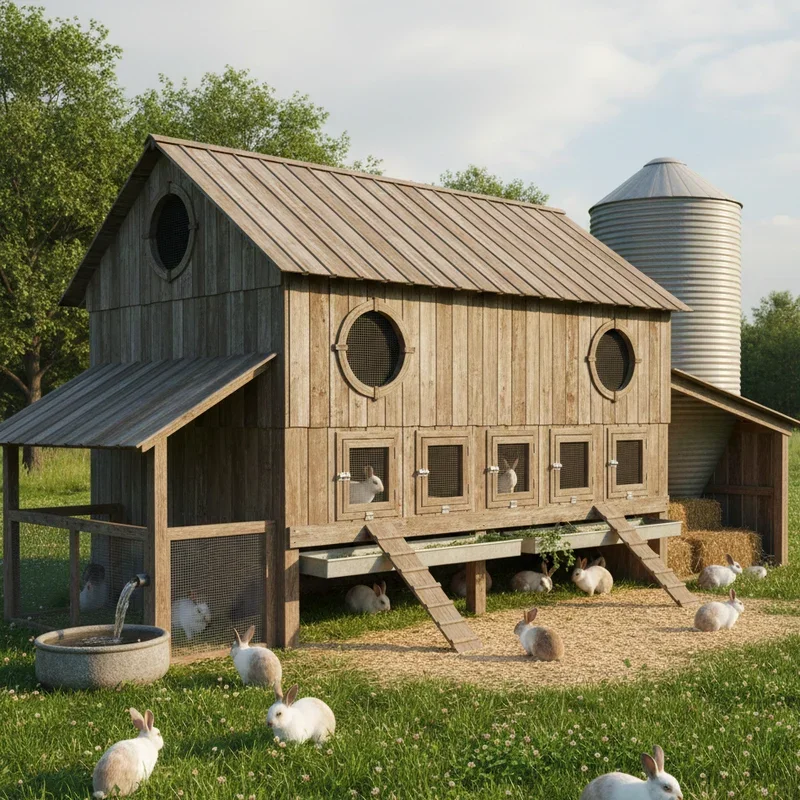
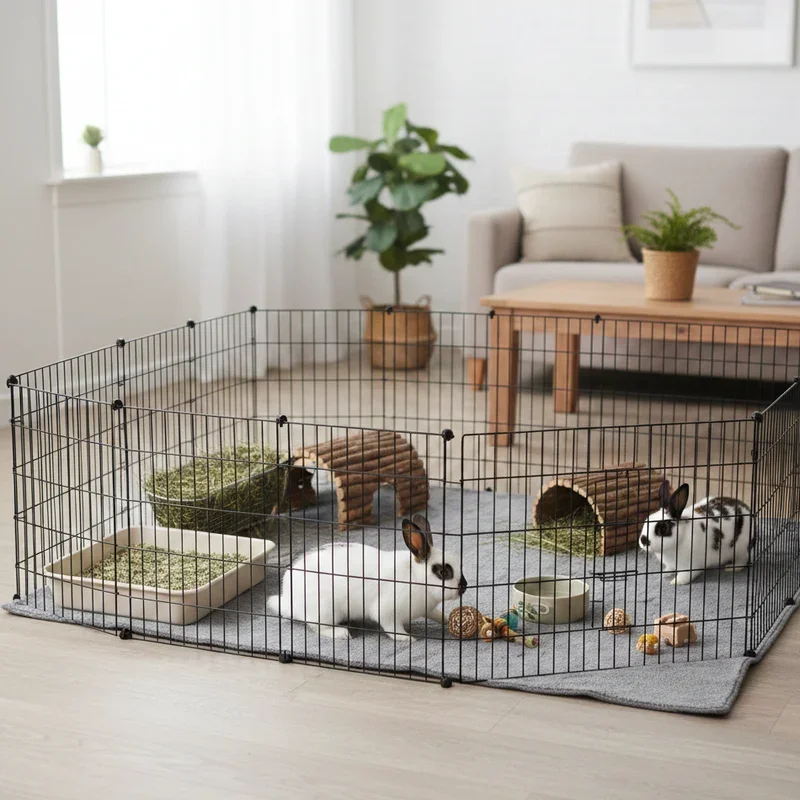
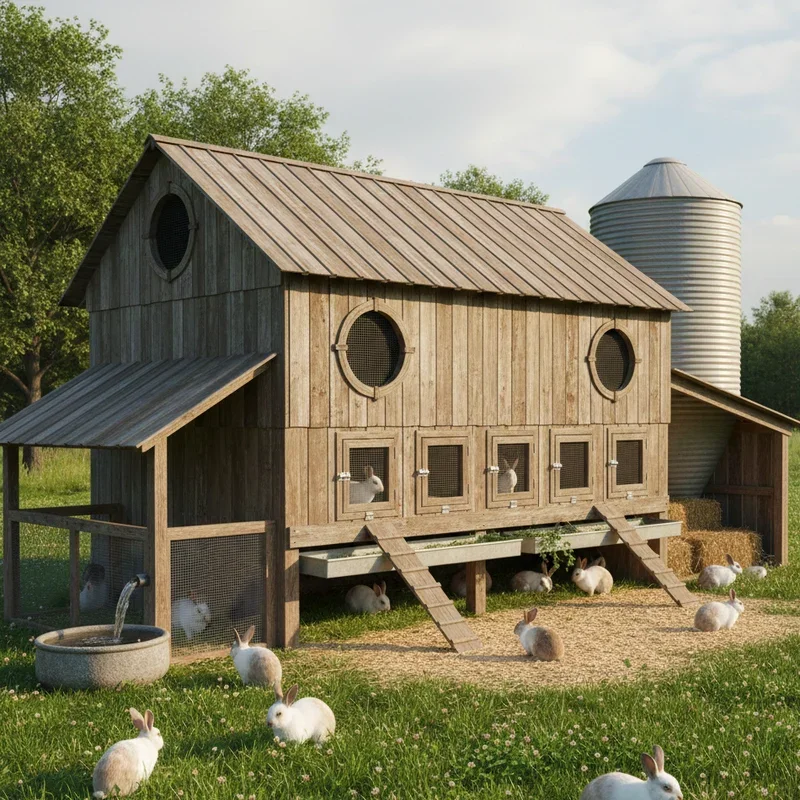
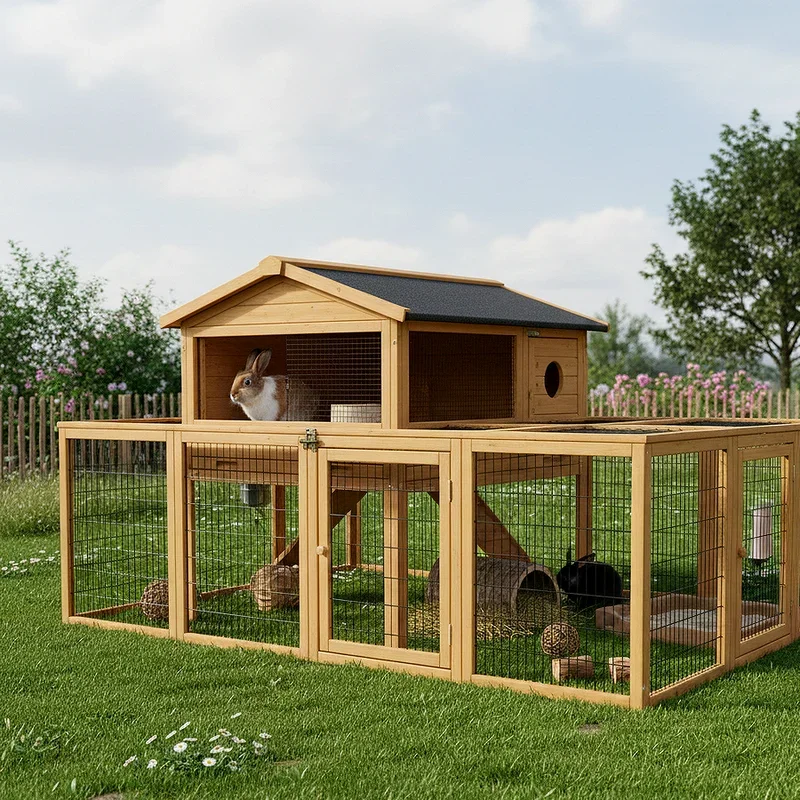
Are your rabbits struggling through hot summers, battling respiratory issues, or showing signs of stress that proper barn design could prevent? Rabbit housing demands more thoughtful engineering than many keepers initially realize, with ventilation and comfort requirements that directly impact health, reproduction, and overall herd productivity. Think of your rabbit barn as a living environment where air quality, temperature management, and spatial design create conditions that either support thriving rabbits or slowly compromise their wellbeing through accumulated stress. These sensitive animals lack the ability to sweat, making them particularly vulnerable to heat stress while their respiratory systems prove especially susceptible to ammonia buildup from inadequate ventilation. The difference between adequate housing and excellent housing shows in kit survival rates, breeding success, coat quality, and the countless health indicators that reflect environmental conditions. Whether you're planning new construction, renovating existing facilities, or seeking improvements to current setups, proper barn design addresses the specific challenges rabbit keeping presents across varying climates and operation scales. Ready to discover how thoughtful barn design transforms rabbit keeping from constant problem management into smooth, productive husbandry? Let's explore these essential ideas!
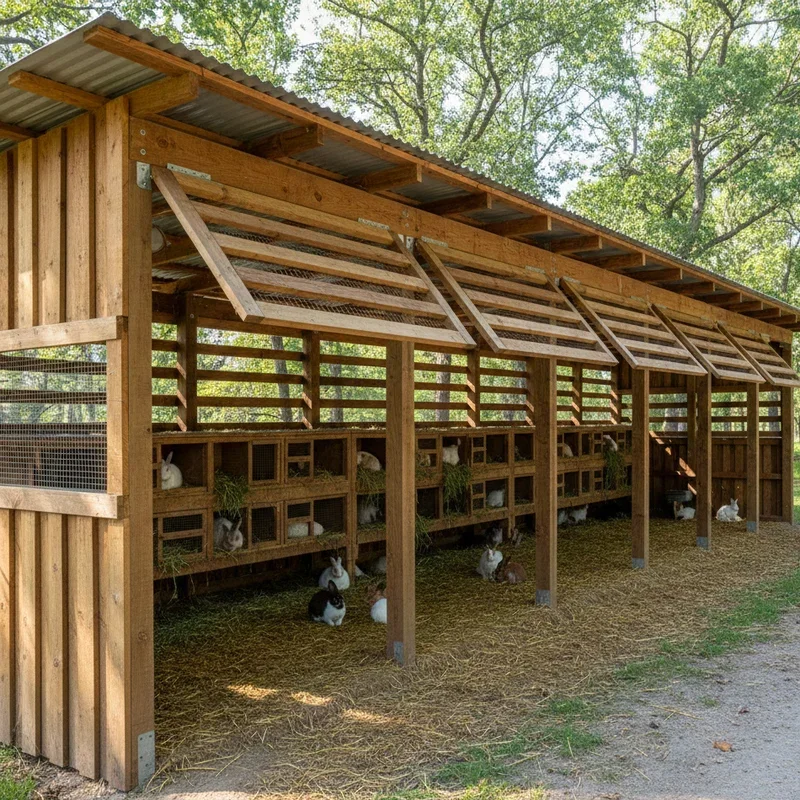
1. Natural Cross-Ventilation Systems
Harness free, continuous airflow through natural cross-ventilation designs that position openings on opposite barn walls, creating natural air movement without mechanical equipment! This passive ventilation approach enables prevailing winds to enter through one side, flow across rabbit housing areas, and exit through opposite openings, continuously replacing stale air with fresh. Consider opening sizes proportional to barn volume while positioning ensures air moves across animal zones rather than bypassing them through ceiling-level flow. The natural system operates continuously without electricity costs while the constant air exchange removes ammonia, moisture, and heat that accumulate in enclosed spaces. These fundamental designs demonstrate that excellent ventilation often requires thoughtful architecture rather than expensive mechanical systems while the passive nature provides reliability that equipment-dependent approaches cannot guarantee during power failures.
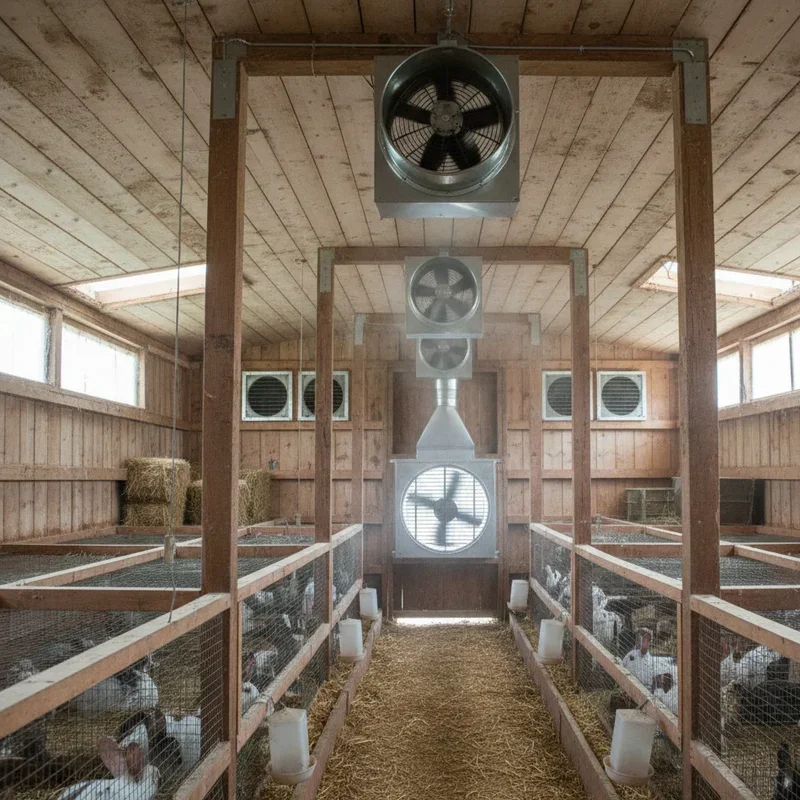
2. Exhaust Fan Installation Strategies
Remove contaminated air actively through exhaust fan installations that create controlled negative pressure drawing fresh air into barns while expelling stale air efficiently! Strategic fan placement at high points removes the warm, ammonia-laden air that naturally rises while replacement air enters through lower intake openings creating directional flow patterns. Consider fan sizing matching barn volume while variable speed controls enable adjusting ventilation rates based on seasonal needs and animal density. The mechanical approach provides control impossible with purely passive systems while the active removal ensures adequate air exchange regardless of external wind conditions. These essential systems demonstrate that serious rabbit operations require reliable ventilation beyond natural methods alone while proper fan selection balances effectiveness against operating costs. Position exhaust points away from intake areas preventing short-circuit airflow that recirculates rather than exchanges air.
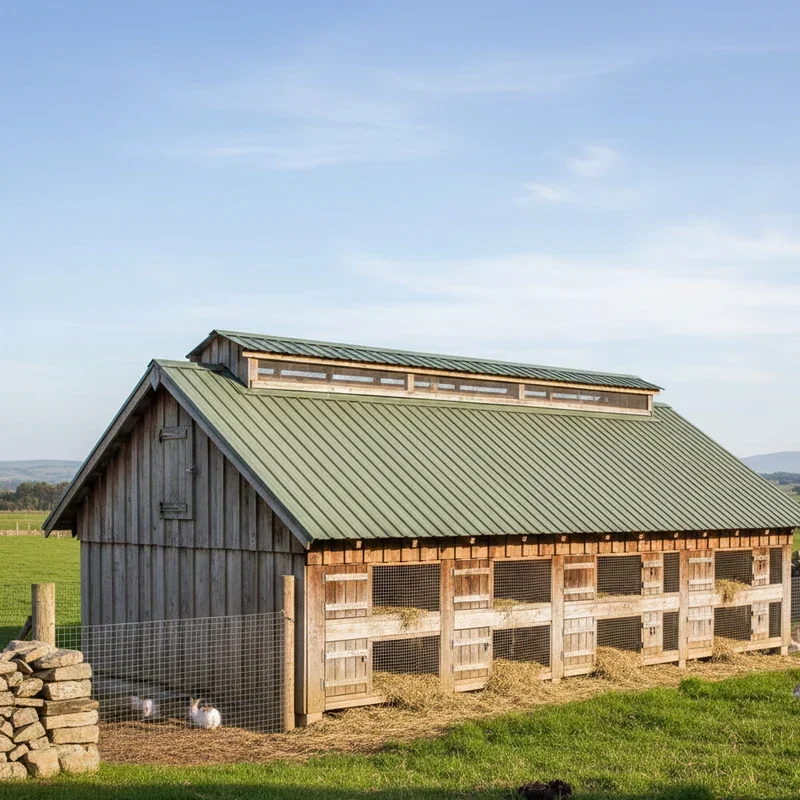
3. Ridge Vent Roof Designs
Enable continuous passive exhaust through ridge vent roof designs that allow warm air to escape naturally through roof peaks without mechanical assistance! The physics of warm air rising creates natural exhaust flow through properly designed ridge openings while the continuous vent length provides substantial air exchange capacity across entire roof lines. Consider ridge caps preventing rain entry while maintaining adequate opening sizes for effective ventilation regardless of wind direction. The roof-peak positioning captures the warmest, most contaminated air that accumulates at highest points while the continuous nature avoids dead zones that isolated vents might create. These architectural elements demonstrate that building design significantly impacts ventilation effectiveness while the passive operation provides free, continuous air exchange that mechanical systems require energy to achieve. Combine ridge vents with low intake openings creating complete natural ventilation systems.
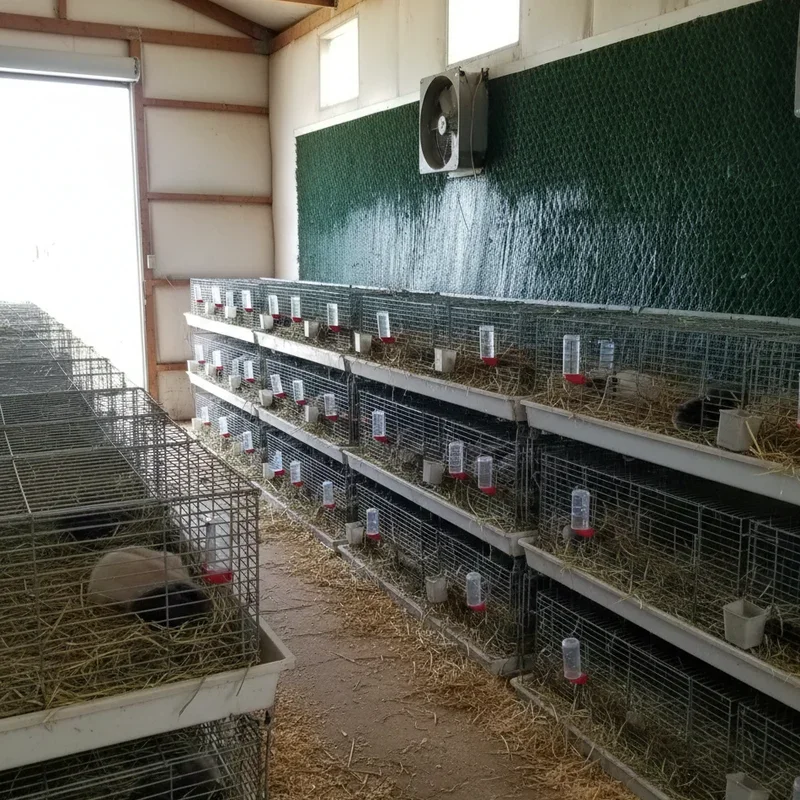
4. Cooling Pad Evaporative Systems
Combat summer heat through evaporative cooling systems that draw air across water-saturated pads, reducing temperatures through evaporation before air enters rabbit areas! These effective systems lower incoming air temperatures significantly in dry climates while the evaporative process adds beneficial humidity that extremely dry conditions remove. Consider cooling pad positioning on intake sides where fans pull outside air through saturated media before distributing throughout barn spaces. The temperature reduction proves substantial in arid regions while humid climates experience diminished effectiveness due to limited additional evaporation capacity. These cooling systems demonstrate that heat management in serious rabbit operations often requires active intervention beyond passive ventilation alone while proper system sizing ensures adequate cooling capacity during peak summer temperatures. Monitor humidity levels since excessive moisture creates its own problems despite temperature benefits.
5. Shade Structure Integration
Reduce solar heat gain through shade structure integration that blocks direct sunlight from striking barn surfaces and rabbit housing areas! External shade from trees, shade cloth, or purpose-built structures prevents solar radiation from heating buildings before ventilation systems must remove that heat. Consider shade positioning blocking afternoon sun when temperatures peak while the external nature prevents heat from ever entering structures rather than managing heat already inside. The preventive approach proves more effective than remediation while the reduced cooling load decreases demands on ventilation and active cooling systems. These strategic additions demonstrate that excellent rabbit barn design considers surrounding environment alongside building features while proper shade placement significantly impacts interior temperature management. Plant trees providing long-term shade solutions while immediate needs justify shade cloth or constructed shade structures.
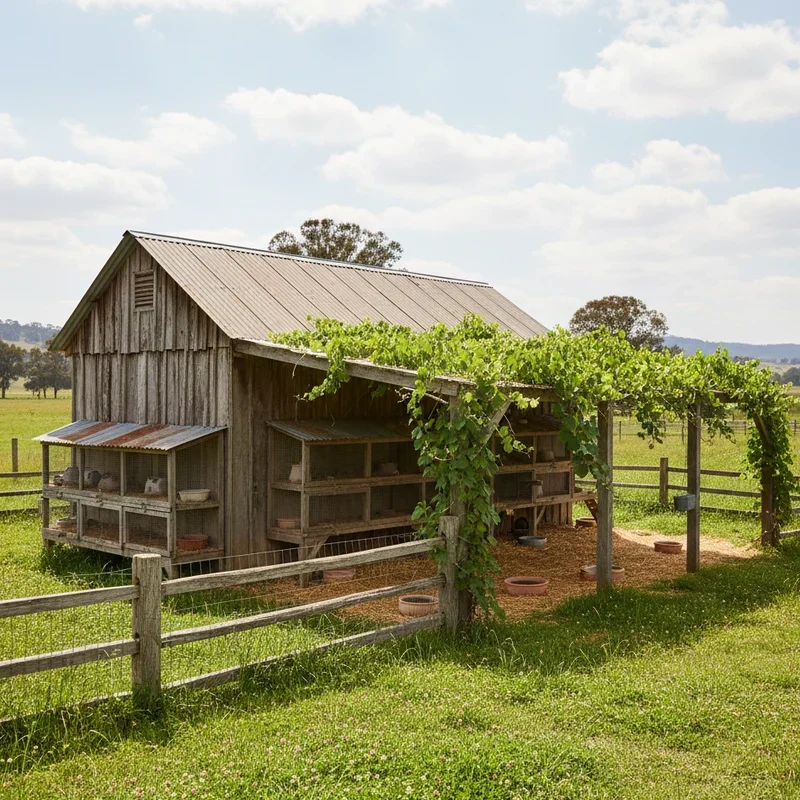
6. Insulation Material Selection
Moderate temperature extremes through proper insulation that reduces heat transfer between exterior conditions and interior rabbit spaces! Quality insulation keeps summer heat outside while retaining warmth during winter months, reducing the temperature management burden on ventilation and heating systems. Consider insulation R-values appropriate for your climate while material selection addresses moisture resistance preventing degradation in the humid conditions rabbit barns experience. The insulation investment reduces energy costs while the temperature stability benefits rabbit health through reduced thermal stress. Roof insulation proves particularly valuable since solar heating through uninsulated roofs dramatically increases cooling requirements while wall insulation addresses temperature differentials from all directions. These building envelope improvements demonstrate that ventilation systems function within contexts where insulation significantly impacts their effectiveness and energy requirements.
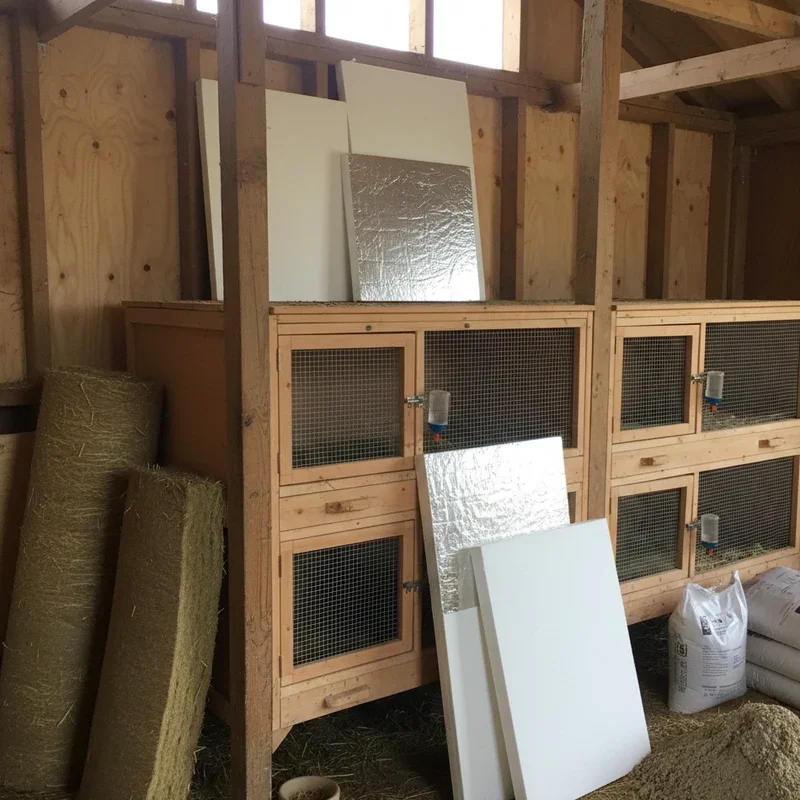
7. Wire Flooring Airflow Benefits
Maximize air circulation through wire flooring systems that enable airflow beneath cages while waste drops away from rabbit living spaces! The elevated wire positioning creates air movement opportunities impossible with solid flooring while the waste separation dramatically reduces ammonia levels in rabbit breathing zones. Consider wire gauge appropriate for rabbit comfort while spacing prevents foot injury while allowing waste passage. The ventilation benefits extend beyond air quality into moisture management since urine drains rather than accumulating where rabbits rest. These fundamental housing elements demonstrate that cage design significantly impacts air quality alongside barn-level ventilation systems while proper wire flooring contributes multiple benefits beyond simple waste management. Maintain wire condition preventing injury while the elevated positioning enables under-cage airflow that solid surfaces block entirely.
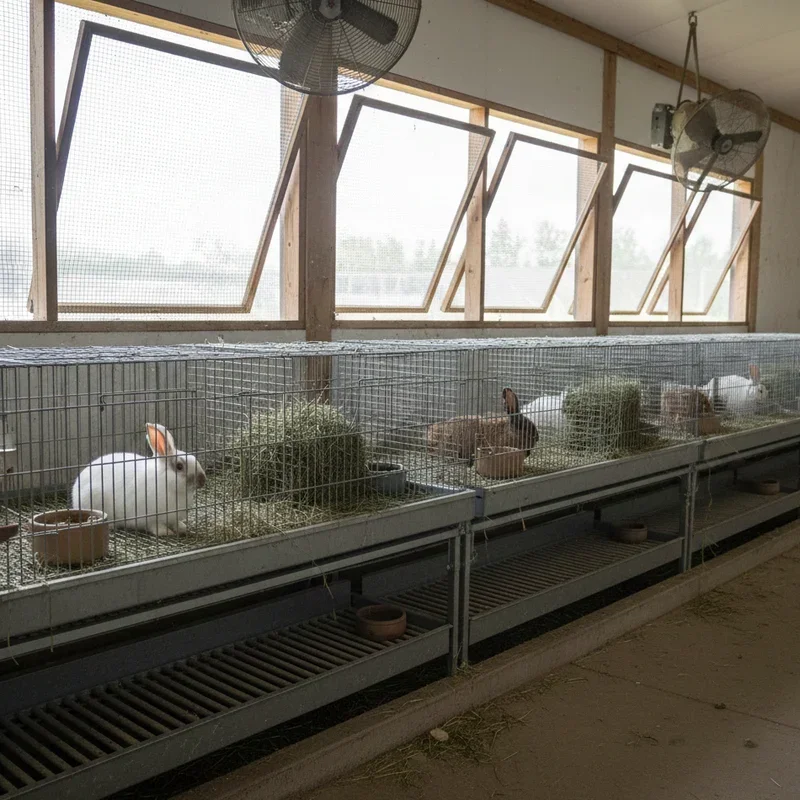
8. Ceiling Height Optimization
Create vertical air stratification through ceiling height optimization that enables warm, contaminated air to rise above rabbit level before exhaust removes it! Higher ceilings provide volume for air stratification where the worst air quality exists above animal zones rather than surrounding them directly. Consider ceiling heights providing adequate clearance while the increased volume reduces rapid air quality deterioration between ventilation cycles. The vertical separation keeps rabbits breathing cleaner air at lower levels while exhaust systems remove contaminated air from ceiling zones. These dimensional considerations demonstrate that barn volume significantly impacts air quality management while proper ceiling heights create natural stratification that low ceilings prevent. Balance ceiling height against heating costs since larger volumes require more energy to warm during winter months while the ventilation benefits justify reasonable height increases.
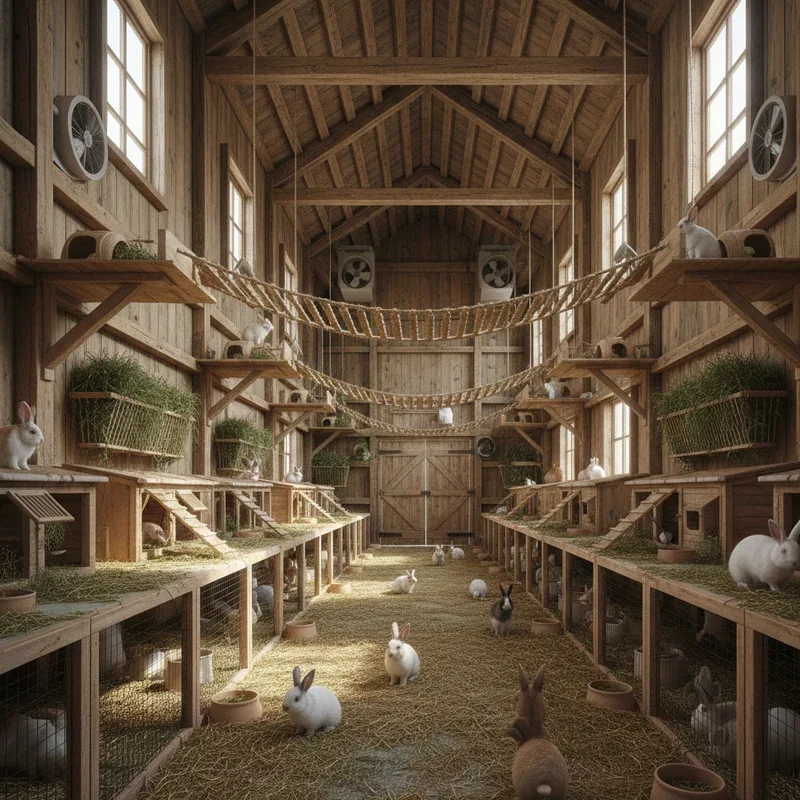
9. Window Placement Strategies
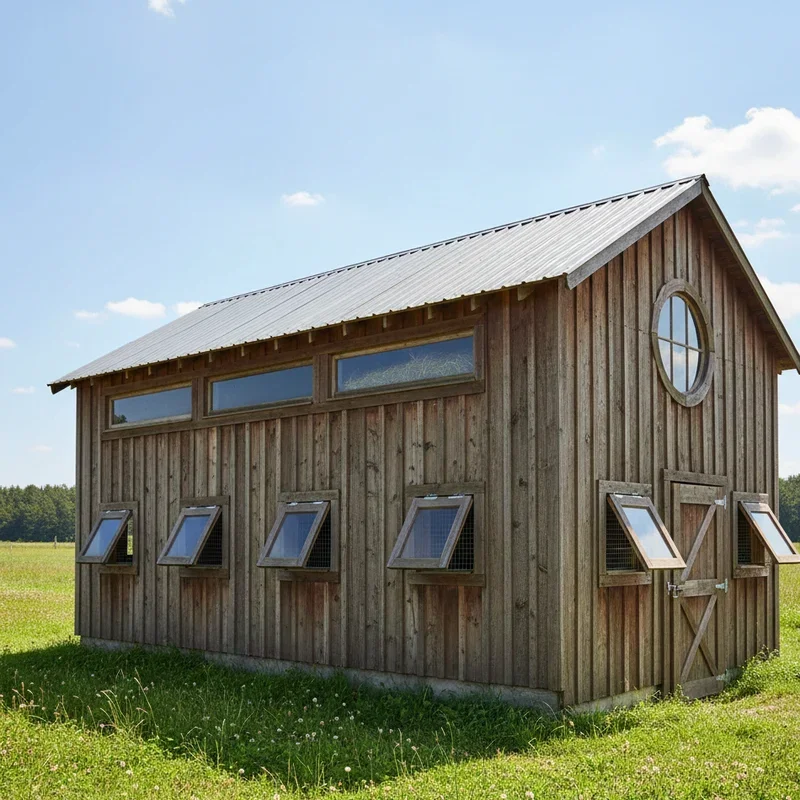
Enable controllable natural ventilation through strategic window placement that provides adjustable openings for air exchange based on seasonal and daily conditions! Operable windows create intake or exhaust opportunities depending on positioning while the adjustable nature enables closing during storms or extreme temperatures. Consider window placement creating cross-ventilation patterns while the controllable openings enable adapting ventilation to changing conditions. The natural light benefits supplement ventilation functions while the visual access enables monitoring without entering enclosed spaces. These versatile elements demonstrate that thoughtful fenestration serves multiple purposes while the adjustable nature provides flexibility that fixed openings cannot offer. Position windows enabling airflow across rabbit zones rather than bypassing animal areas through ineffective placement while consideration of solar orientation prevents unwanted heat gain through excessive sun exposure.
10. Misting System Considerations
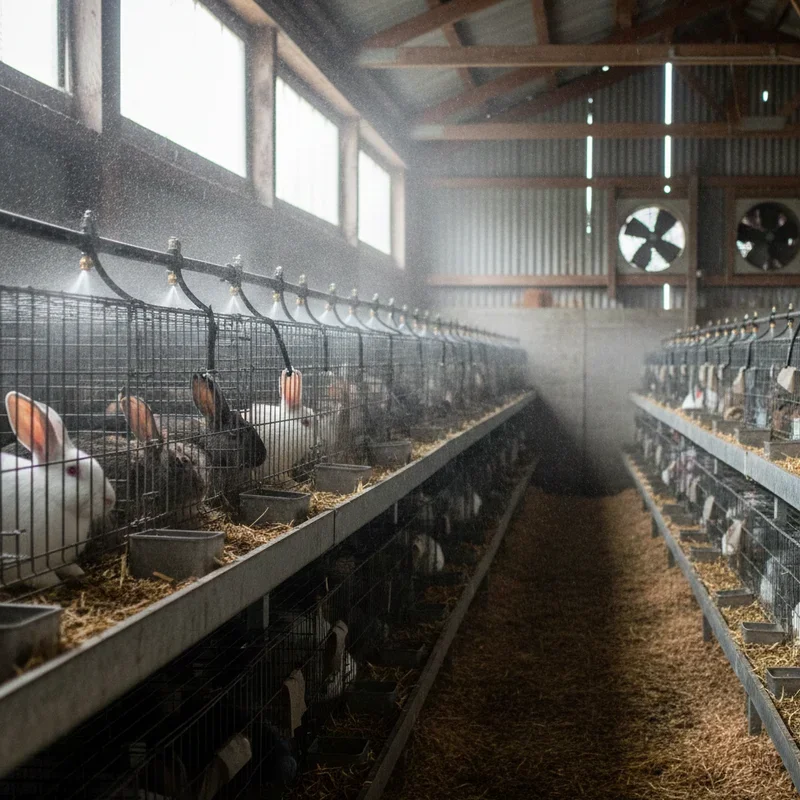
Provide direct cooling through misting systems that spray fine water droplets evaporating from rabbit coat surfaces, providing evaporative cooling directly to animals! These supplementary systems address heat stress when ventilation alone proves insufficient during extreme summer conditions. Consider misting timing avoiding excessive moisture accumulation while fine droplet size ensures evaporation rather than wetting that could cause other problems. The direct cooling approach benefits individual animals while the evaporative process adds humidity that extremely dry conditions remove beneficially. These supplementary systems demonstrate that heat management sometimes requires multiple approaches while the targeted application addresses animal comfort directly. Monitor humidity levels since misting adds moisture that already humid conditions don't need while the cooling benefits vary with ambient humidity levels affecting evaporation rates.
11. Winter Draft Prevention
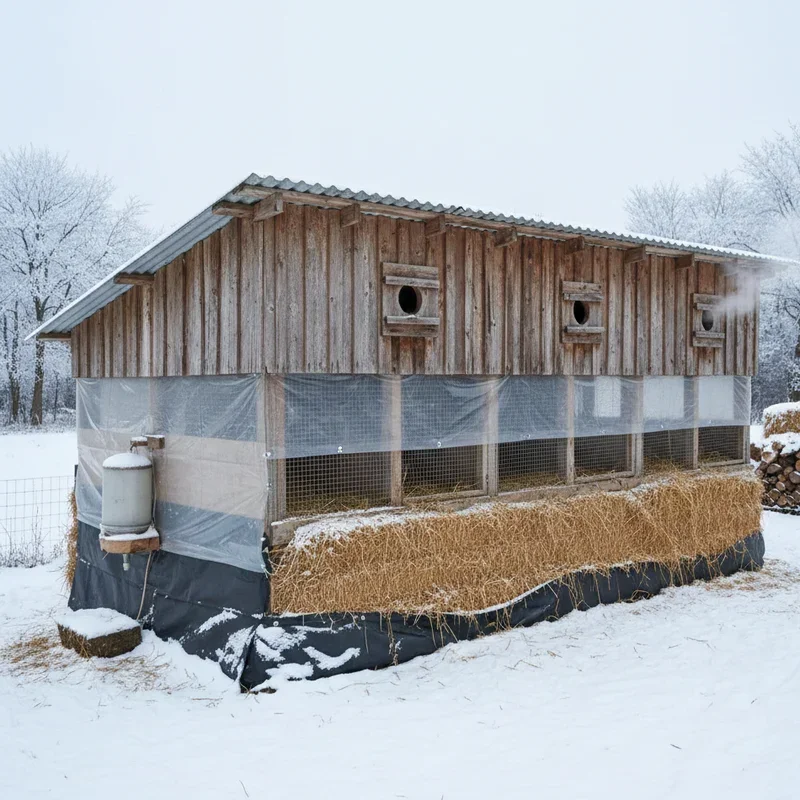
Protect rabbits from harmful drafts through winter preparation that maintains ventilation while preventing direct cold air currents from striking animals! The balance between fresh air needs and draft prevention requires thoughtful system design that exchanges air without creating uncomfortable or dangerous air movement directly on rabbits. Consider baffles directing incoming air upward rather than directly at cage level while the indirect introduction enables air mixing before reaching animal zones. The draft distinction matters significantly since still cold air proves far less harmful than moving cold air that strips body heat through convection. These winter considerations demonstrate that seasonal adaptations prove essential while year-round system designs must accommodate dramatic environmental changes. Adjust ventilation rates recognizing that winter requires less air exchange than summer while maintaining air quality demands continued ventilation despite cold temperatures.
12. Ammonia Reduction Techniques
Protect respiratory health through ammonia reduction techniques that address this harmful gas at its source rather than simply diluting through ventilation! Frequent waste removal, absorbent bedding materials, and proper drainage all reduce ammonia production while ventilation removes what remains. Consider the relationship between waste management and air quality while recognizing that ventilation alone cannot compensate for poor sanitation practices. The ammonia focus reflects this gas's particular danger to rabbit respiratory systems while the multi-faceted approach addresses production, absorption, and removal comprehensively. These integrated strategies demonstrate that excellent air quality requires combined approaches while ventilation systems function more effectively when ammonia production remains controlled through proper management practices. Monitor ammonia levels ensuring concentrations remain below harmful thresholds while human detection often indicates levels already problematic for more sensitive rabbit systems.
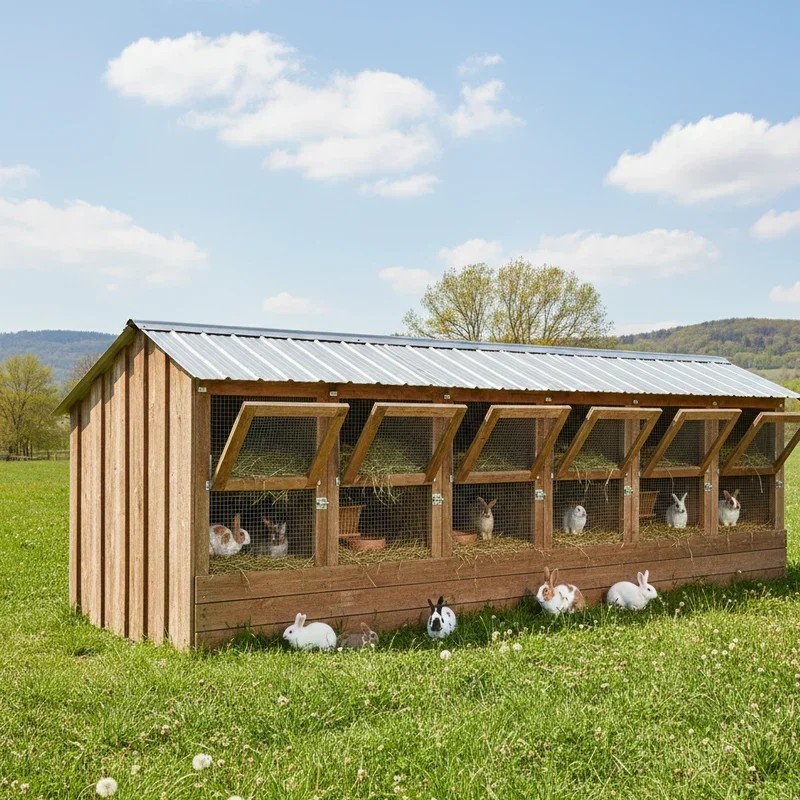
13. Drop-Down Side Wall Designs
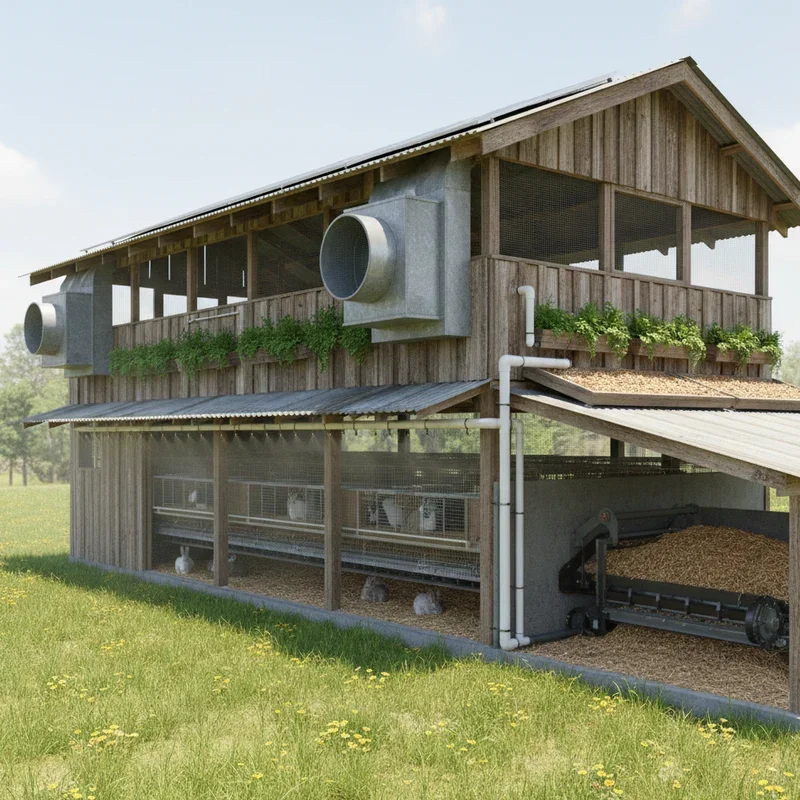
Enable maximum summer ventilation through drop-down side wall designs that open entire barn sides, transforming enclosed structures into essentially open-air shelters! These convertible designs provide maximum airflow during hot weather while the closeable nature enables protection during cold months or inclement conditions. Consider wall panel construction enabling easy operation while the full-side opening creates ventilation capacity impossible through smaller openings alone. The dramatic transformation addresses summer heat challenges while the winter-ready closure provides seasonal flexibility that fixed designs cannot offer. These adaptable solutions demonstrate that excellent rabbit barn design accommodates dramatic seasonal variation while the convertible nature provides maximum ventilation when most needed. Balance open-air benefits against predator protection requirements while the operational ease determines how readily keepers actually utilize available ventilation capacity.
14. Nest Box Ventilation Ideas
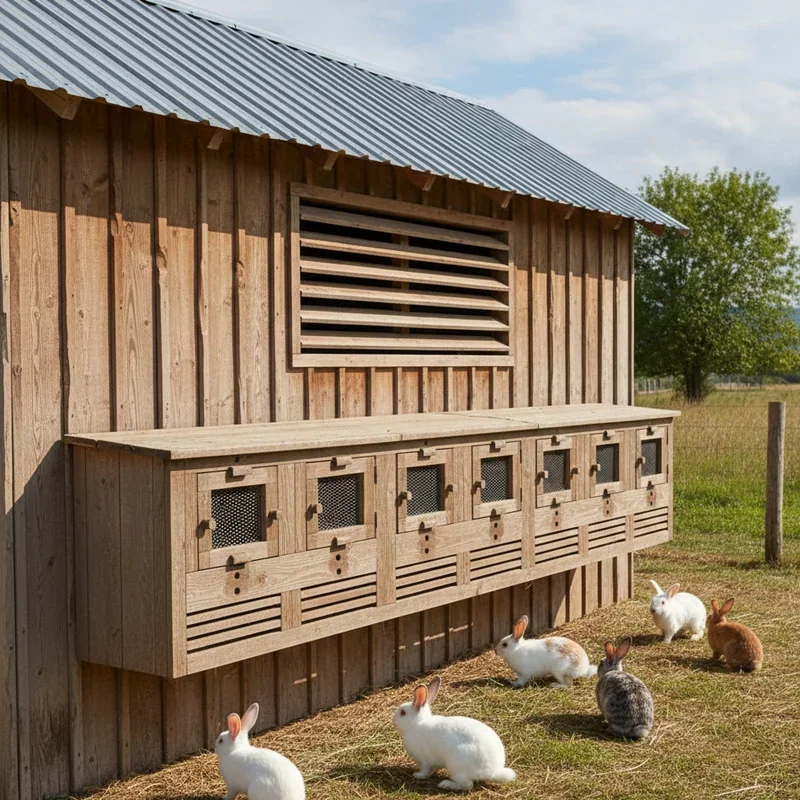
Protect nursing does and kits through nest box ventilation designs that maintain air quality within these enclosed spaces while preserving the warmth kits require! Nest boxes create microenvironments where air quality can deteriorate rapidly without proper ventilation while excessive airflow chills vulnerable newborn kits. Consider ventilation openings positioned away from kit areas while the air exchange prevents ammonia accumulation without creating drafts on young animals. The balance between ventilation and warmth proves critical during early kit development while the enclosed nature that protects kits can also trap harmful gases without proper design. These specialized considerations demonstrate that rabbit barn ventilation extends to housing component details while nest box design significantly impacts kit survival and doe comfort during nursing periods.
15. Climate Zone Specific Solutions
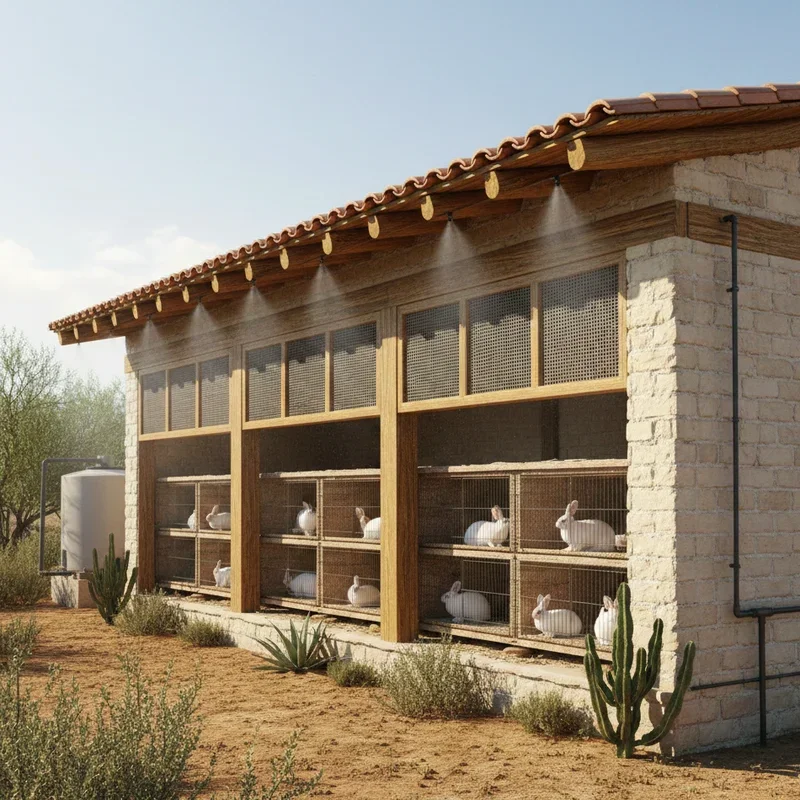
Adapt barn designs to regional conditions through climate zone specific solutions that address the particular challenges your location presents! Hot humid climates require maximum ventilation with moisture management while cold climates prioritize heat retention alongside adequate air exchange. Consider your specific challenges including extreme heat, bitter cold, high humidity, or dramatic seasonal variations while design solutions address those particular conditions rather than generic approaches. The regional adaptation demonstrates that excellent rabbit housing requires understanding local conditions while universal designs often prove inadequate for specific climate challenges. Research successful operations in similar climates while adapting proven approaches to your specific situation and operation scale. These localized solutions demonstrate that rabbit barn design must respond to environmental context while climate-appropriate choices outperform generic designs regardless of construction quality.
Conclusion
Rabbit barn ventilation and comfort design transforms housing from basic shelter into environments that actively support rabbit health, reproduction, and productivity. From natural cross-ventilation to climate-specific adaptations, these ideas address the complete range of challenges rabbit keepers face across varying conditions and operation scales. The investment in proper barn design returns through healthier rabbits, better reproductive success, and reduced losses that poor ventilation and comfort cause. Whether building new facilities or improving existing barns, ventilation deserves attention proportional to its impact on every aspect of rabbit welfare. Now assess your current facilities and start implementing the improvements your rabbits need to truly thrive!
Read next: 15 Outdoor Rabbit Enclosure Ideas for Safe Backyard Living
Frequently Asked Questions
Q1: What temperature range is ideal for rabbits in barns?
A: Rabbits thrive between 50-70°F; temperatures above 85°F cause dangerous heat stress requiring immediate intervention.
Q2: How can I tell if my rabbit barn has poor ventilation?
A: Ammonia smell, condensation on surfaces, respiratory issues, and excessive heat indicate inadequate ventilation needing improvement.
Q3: Do rabbits need ventilation in winter?
A: Yes, rabbits need year-round ventilation for air quality; reduce rates but maintain airflow preventing ammonia buildup.
Q4: What's the best flooring for rabbit barn ventilation?
A: Wire flooring enables air circulation beneath cages while allowing waste to drop away from rabbit living areas.
Q5: How many air exchanges per hour do rabbit barns need?
A: Rabbit barns need 4-8 air exchanges hourly in winter, increasing to 20-30 exchanges during summer heat.
Stay up to date with our latest ideas!