15 Turtle Terrarium Ideas for a Cozy and Natural Habitat
Transform your turtle's home with these 15 creative terrarium ideas that blend natural beauty with practical design for happy, healthy pets.
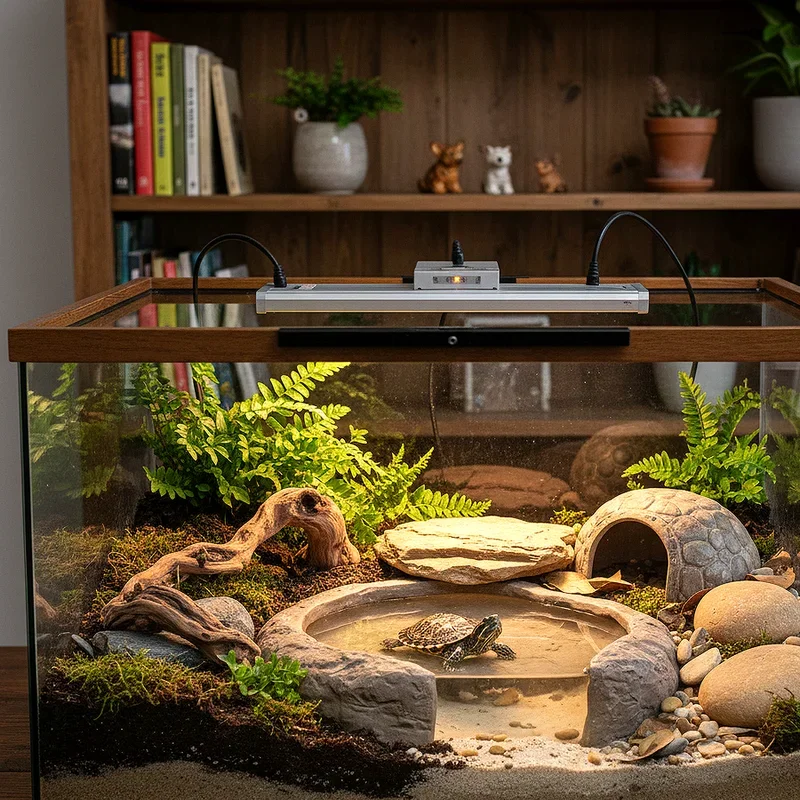
Have you ever watched your turtle basking under its lamp and wondered if you could make its home even more inviting? Creating the perfect turtle terrarium goes beyond just filling a tank with water and rocks. It's about crafting a miniaturesque ecosystem that mimics your shelled friend's natural habitat while keeping maintenance practical for you. Whether you're a first-time turtle owner or looking to upgrade your current setup, these terrarium ideas will help you design a space where your turtle can thrive. From tropical rainforest vibes to sleek modern designs, we'll explore creative ways to blend functionality with aesthetics. Your turtle deserves a home that's not just livable but truly spectacular, and with the right approach, you can create an underwater paradise that becomes a stunning focal point in any room.
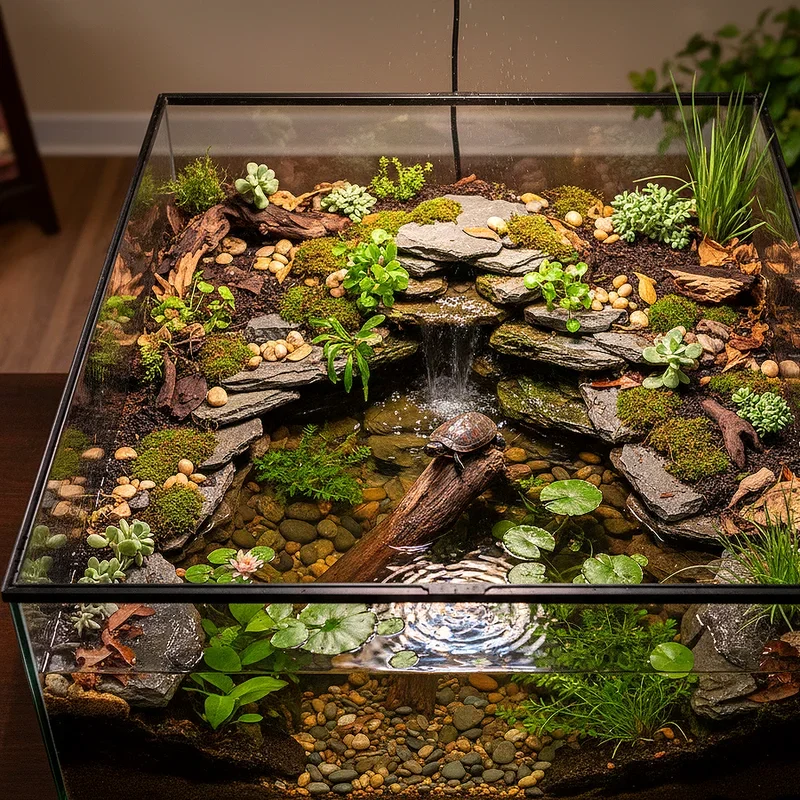
1. The Classic Natural Pond Design
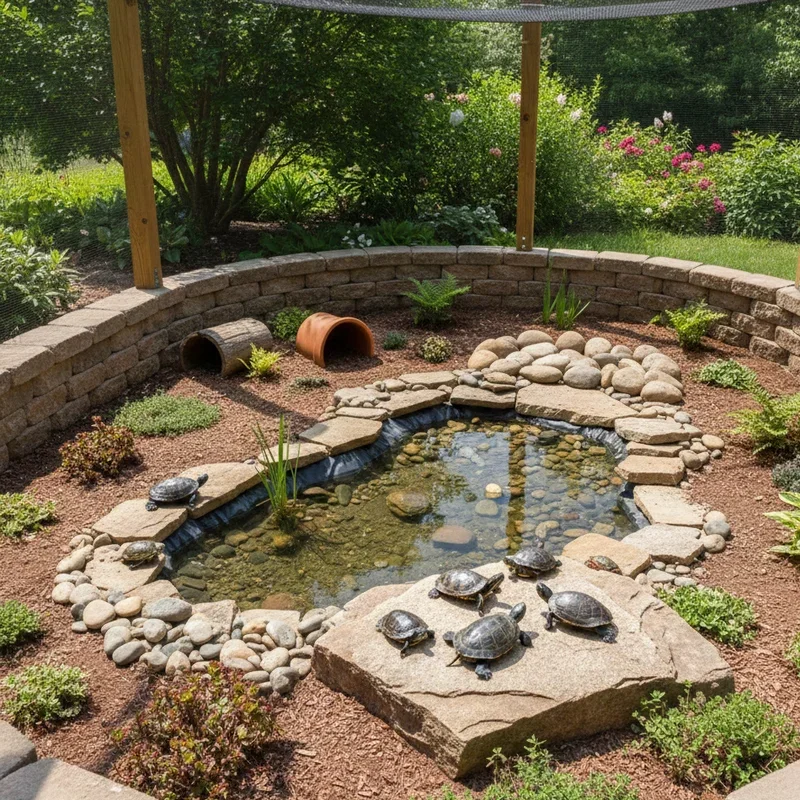
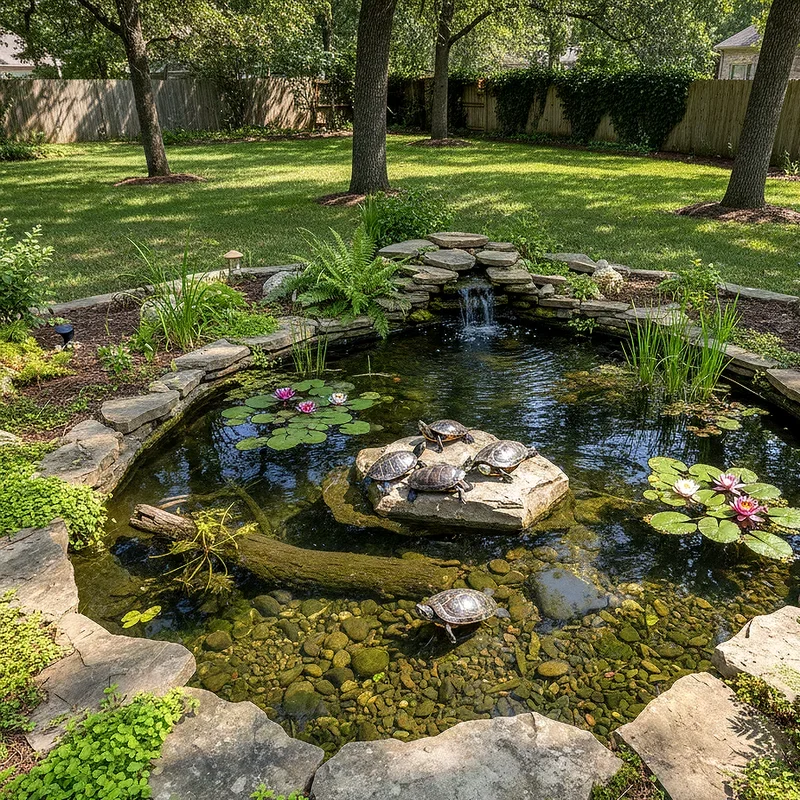
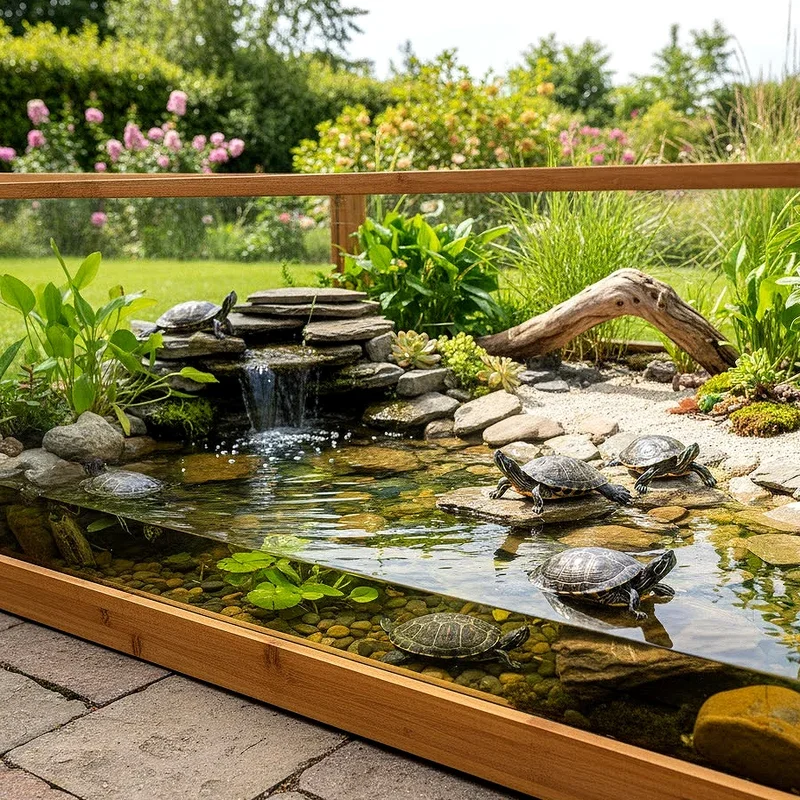
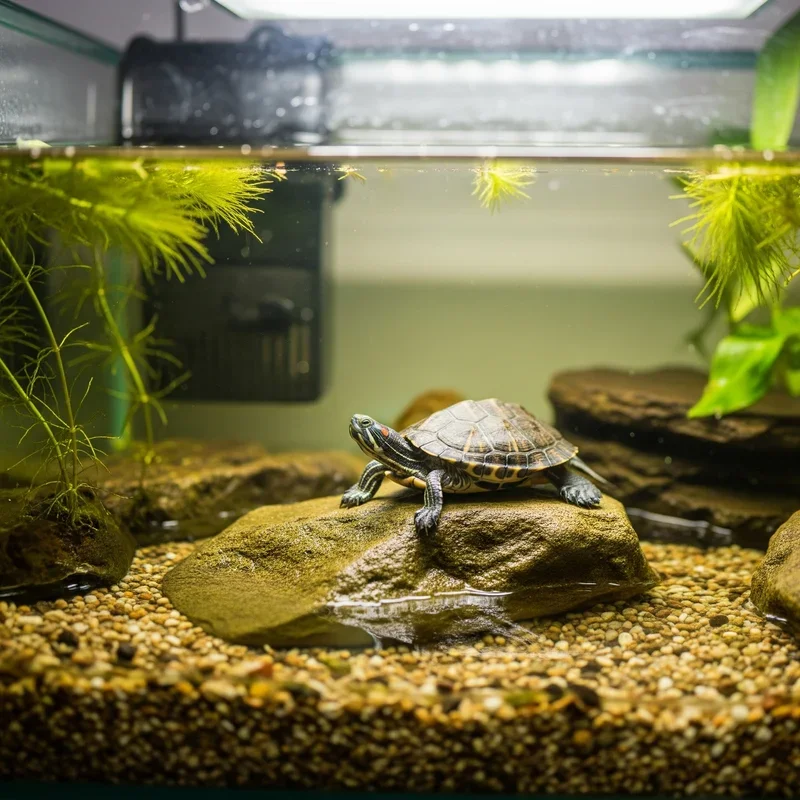
Nothing beats the timeless appeal of a natural pond setup for your turtle terrarium. This design mimics the serene environments turtles naturally inhabit in the wild, featuring gentle slopes, varied substrate depths, and carefully placed aquatic plants. You'll create shallow and deep zones that allow your turtle to choose its preferred water depth throughout the day. Smooth river rocks form the basking area, while driftwood pieces provide additional climbing opportunities. The beauty of this approach lies in its simplicity and how easily it integrates with your turtle's instinctive behaviors. Add some floating water lettuce and you've got a living, breathing ecosystem that practically maintains itself while looking absolutely stunning in your home.
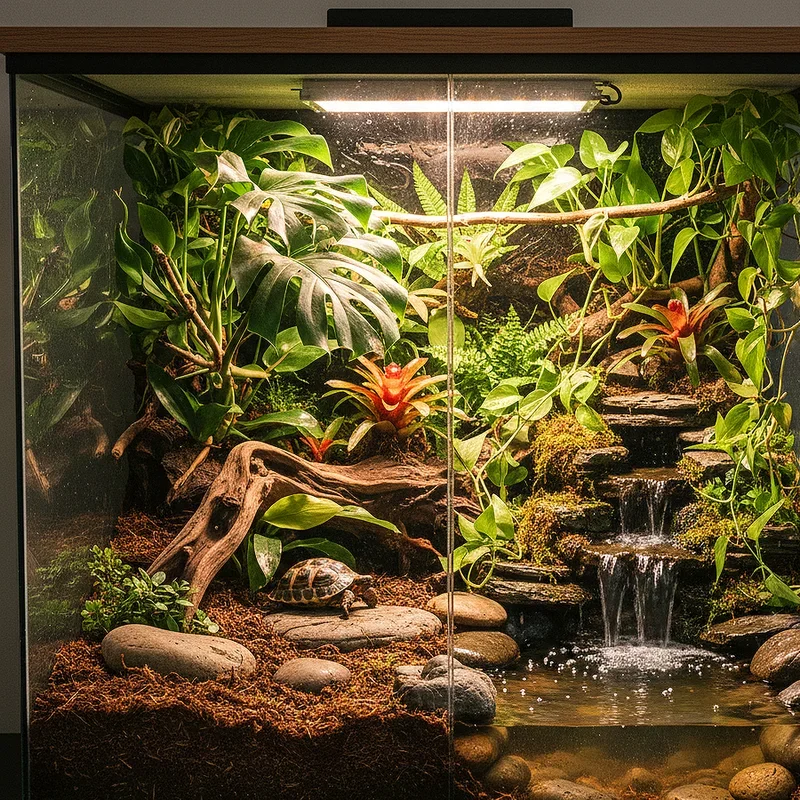
2. Tropical Rainforest Paradise
Transform your turtle's home into a lush tropical escape that transports you to exotic destinations every time you look at it. This setup features dense planting with pothos vines cascading down the sides, broad leafed plants creating natural shade, and a humidity rich environment. Your turtle will love exploring beneath the canopy of greenery while you enjoy the vibrant colors and textures. Include a misting system to maintain proper humidity levels and create that authentic rainforest atmosphere with morning dew effects. Cork bark pieces serve as natural bridges between water and land areas, while moss covered logs provide perfect basking spots. The tropical theme works wonderfully for species that prefer warmer climates and higher humidity levels throughout the year.
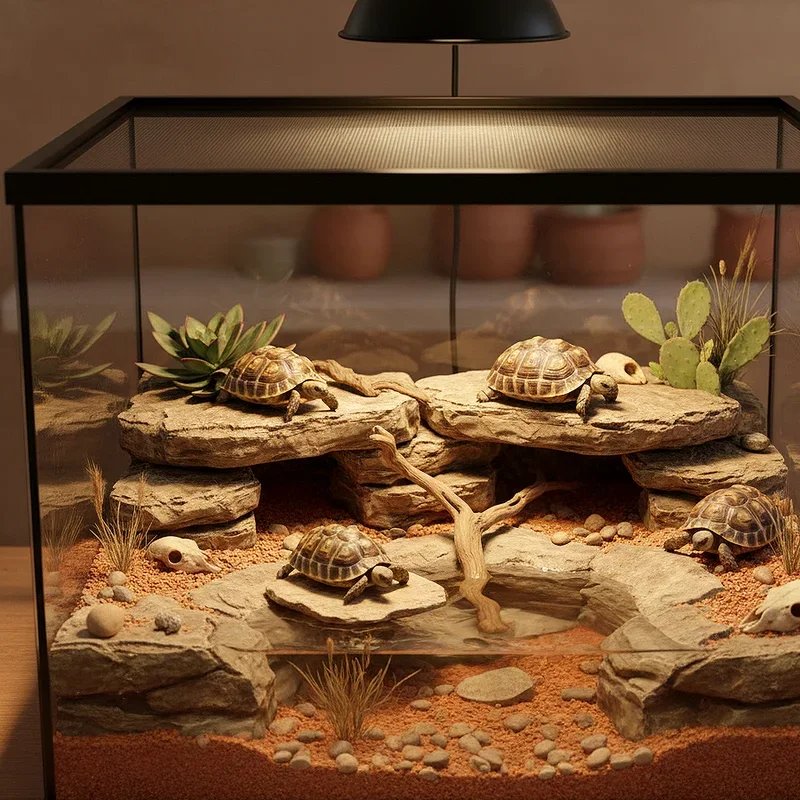
3. Desert Oasis Theme
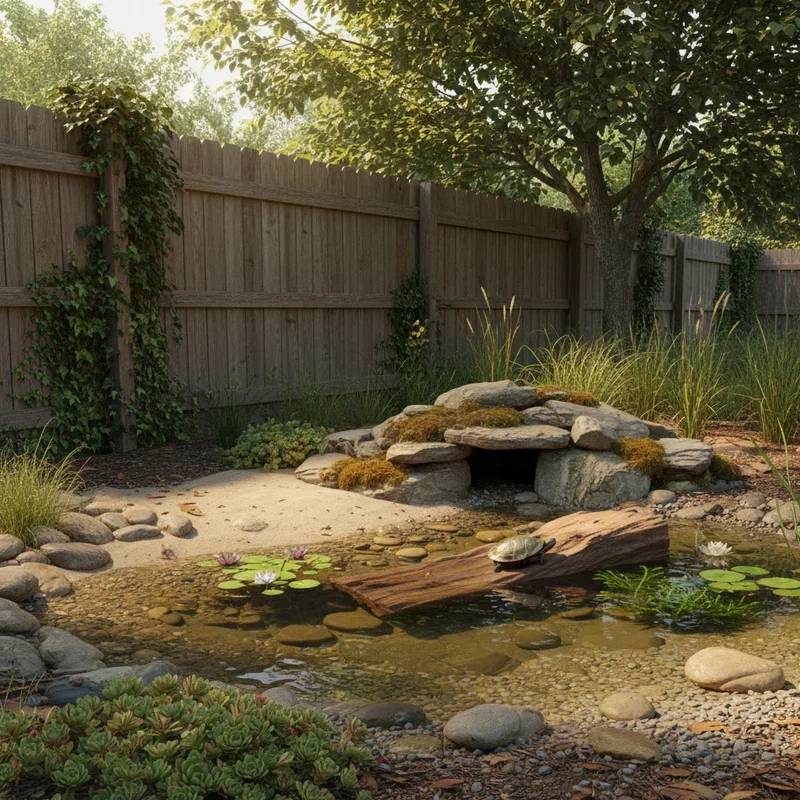
Who says deserts can't support aquatic life? A desert oasis terrarium combines sandy substrates with a refreshing water feature that creates striking visual contrast. Use light colored sand and carefully selected desert appropriate plants around the perimeter while maintaining a central aquatic zone for swimming. Flat sandstone rocks create perfect basking platforms that absorb and radiate heat naturally, mimicking sun warmed desert stones. This design works exceptionally well for turtle species that naturally inhabit arid regions with scattered water sources. Add some decorative desert grasses and drought resistant succulents in the dry zones to complete the look. The minimalist aesthetic appeals to modern sensibilities while providing everything your turtle needs for healthy living.
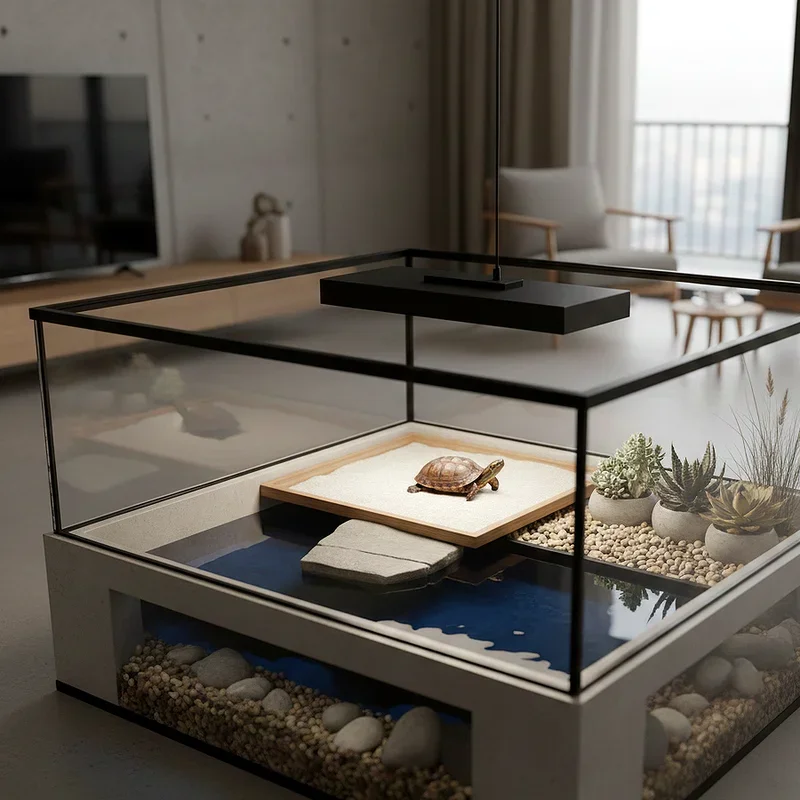
4. Minimalist Modern Setup
Sometimes less really is more, and a minimalist approach to turtle terrarium design can be both functional and visually striking. This concept focuses on clean lines, neutral colors, and carefully curated elements that serve specific purposes without cluttering the space. A single large basking platform, pristine white sand substrate, and strategically placed live plants create an elegant environment that's easy to maintain. Glass or acrylic dividers can separate different zones while maintaining visual flow throughout the habitat. The modern aesthetic particularly appeals to those who appreciate contemporary interior design and want their pet's home to complement rather than clash with their decor. Your turtle gets a stress free environment while you enjoy the zen like simplicity.
5. Aquatic Garden Wonderland
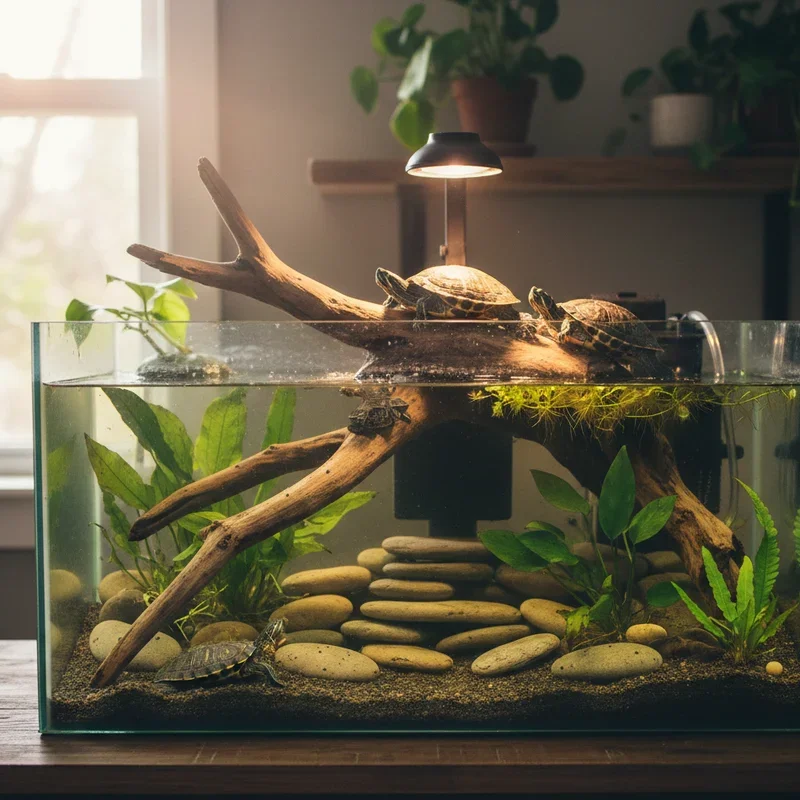
Turn your turtle terrarium into a thriving underwater garden that showcases the beauty of aquatic plants while providing natural filtration. Dense plantings of java fern, anubias, and amazon swords create a lush underwater forest where your turtle can hunt and explore. The plants serve multiple purposes by producing oxygen, absorbing waste products, and offering hiding spots that reduce stress. This setup requires understanding which plants can withstand occasional nibbling from curious turtles while still flourishing. A nutrient rich substrate supports plant growth, and proper lighting ensures everything stays vibrant and healthy. The result is a living artwork that changes and evolves over time, becoming more beautiful as plants mature and spread naturally throughout the habitat.
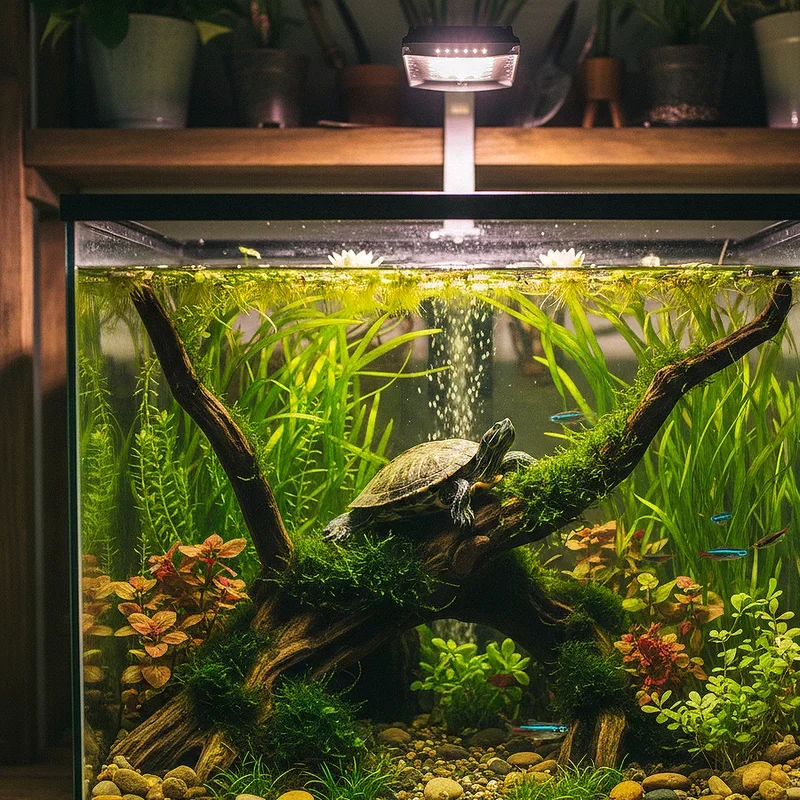
6. Beach Inspired Habitat
Bring coastal vibes into your home with a beach themed turtle terrarium that captures the essence of sandy shores and gentle waves. Fine grain sand creates authentic beach texture, while smooth pebbles and shells add natural detail without sharp edges that could harm your turtle. A gradual slope from deep water to dry land mimics natural beach topography perfectly. Consider adding a small piece of driftwood that resembles weathered beach wood, smoothed by years of ocean waves. This design works particularly well for semi aquatic species that naturally inhabit coastal regions and estuaries. The peaceful aesthetic promotes relaxation for both you and your turtle, creating a calming presence in any room of your home.
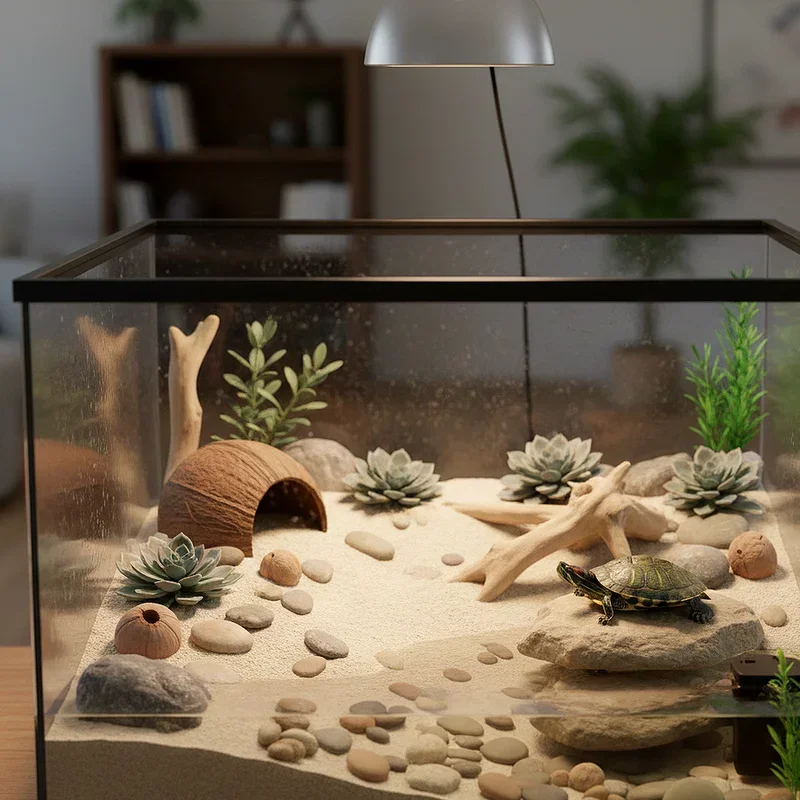
7. Rocky Mountain Stream
Recreate the dynamic environment of a mountain stream with tumbling water, rocky substrates, and cool temperature zones. Large river stones stacked strategically create natural current breaks and exploration opportunities for your active turtle. A powerful filter creates gentle current that encourages swimming and provides excellent water circulation throughout the habitat. The rocky landscape offers multiple basking spots at different heights, allowing your turtle to choose its preferred temperature zone. Aquatic mosses clinging to rocks add authentic detail while helping maintain water quality through natural filtration. This setup particularly suits species that naturally inhabit fast flowing waters and need more active environments to stay healthy and engaged with their surroundings.
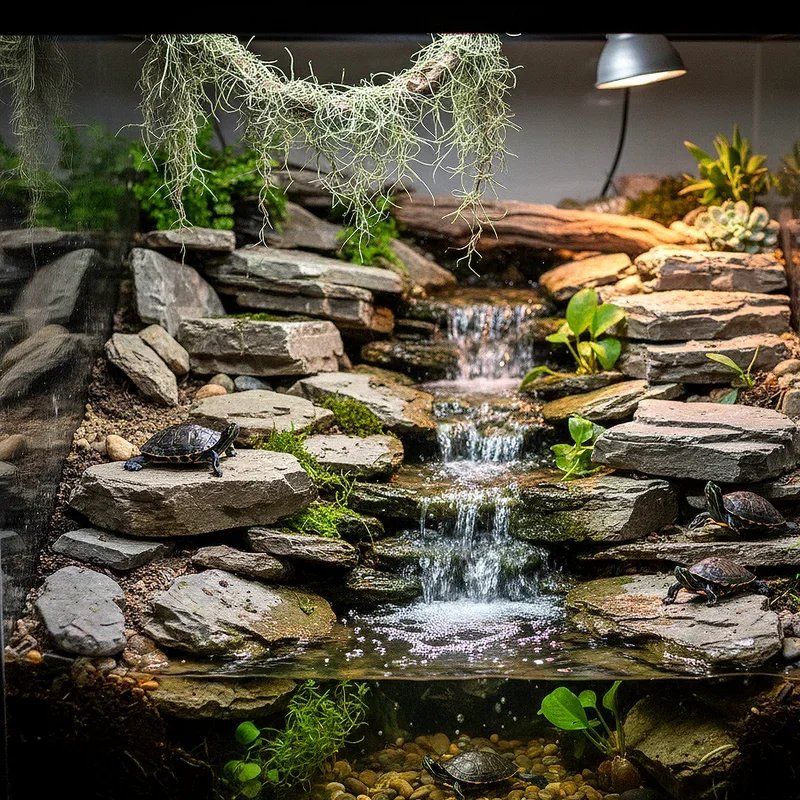
8. Floating Platform Haven
Maximize your turtle's swimming space with a terrarium design centered around a floating basking platform that adjusts with water level changes. This innovative approach provides consistent access to dry basking areas regardless of water depth, which is especially useful during water changes or level adjustments. The platform can incorporate live plants growing in pots that add natural beauty while remaining easily removable for cleaning. Below the surface, your turtle enjoys unobstructed swimming space without permanent obstacles reducing the available area. Magnetic or suction based platforms offer stability without requiring support structures that take up valuable tank real estate. This design philosophy prioritizes swimming room while ensuring your turtle can easily access all necessary habitat features whenever needed.
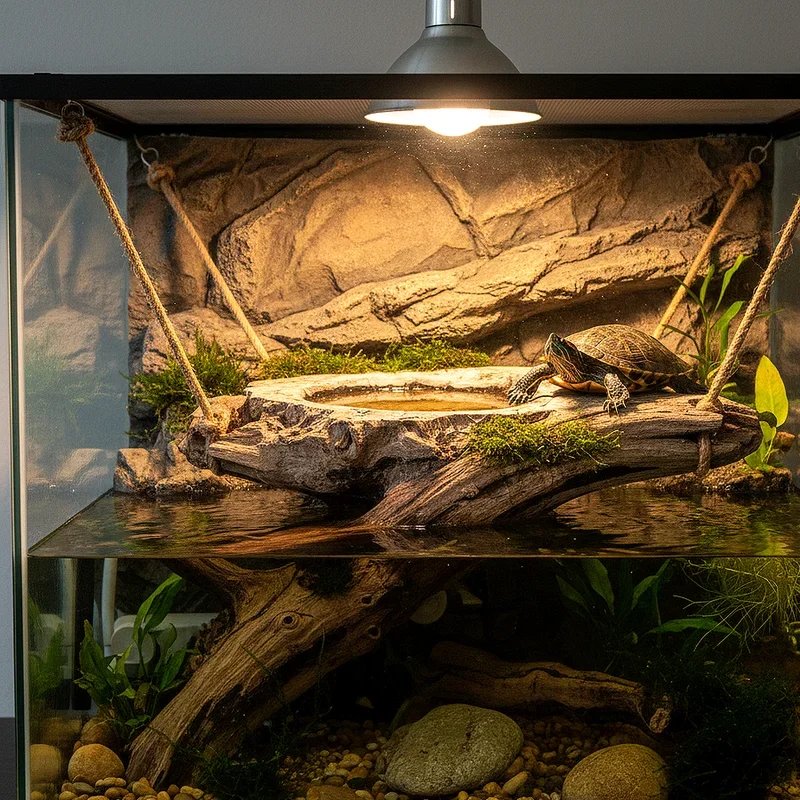
9. Multi Level Exploration Space
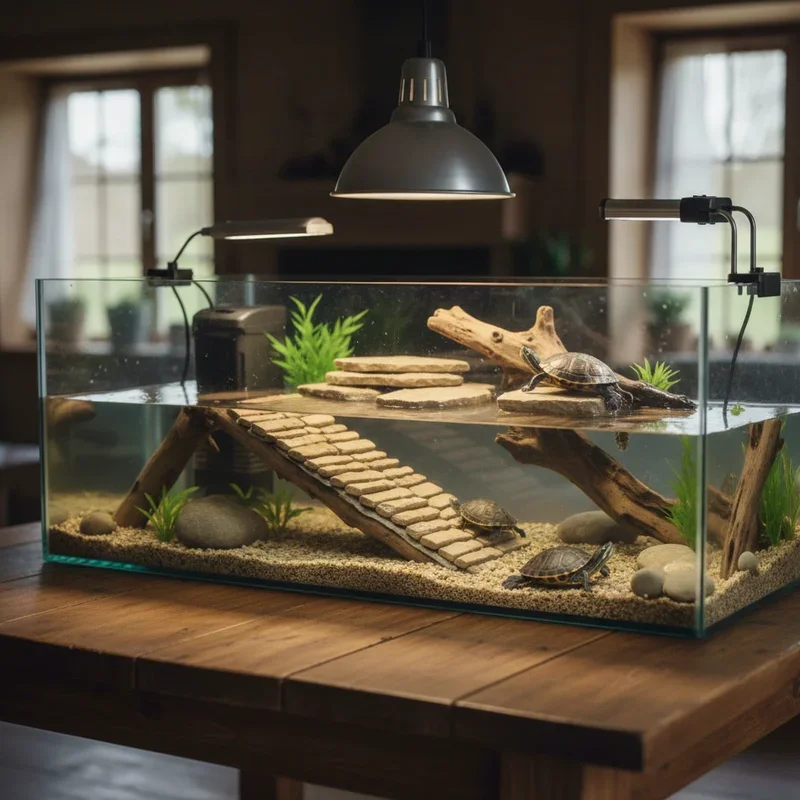
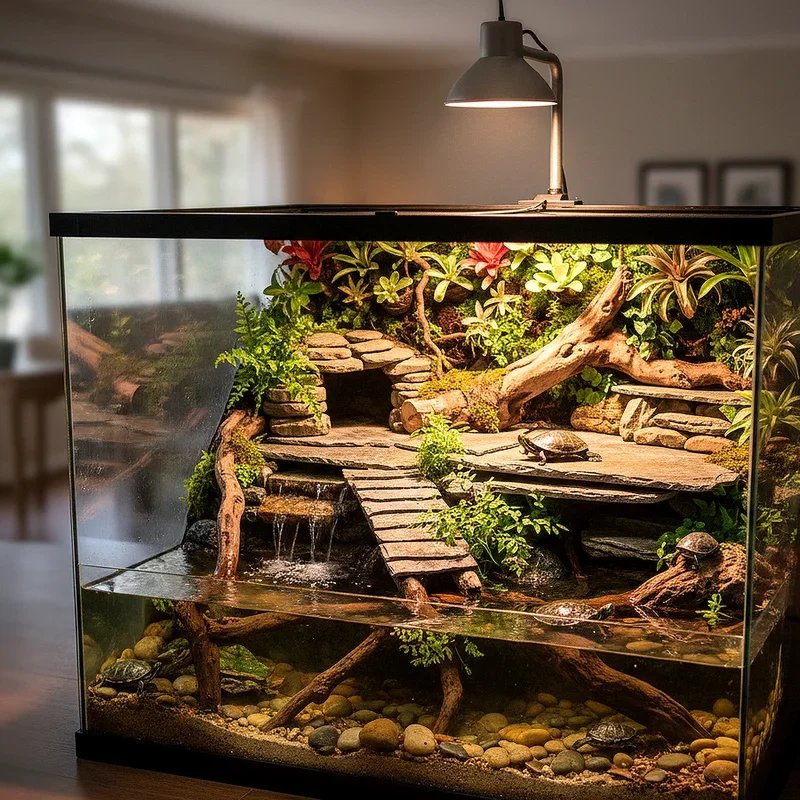
Why limit your turtle to just water and one basking spot when you can create a vertical wonderland of exploration? Multi level terrarium designs incorporate shelves, caves, and platforms at various heights, encouraging natural climbing behaviors and providing mental stimulation. Your turtle can choose between upper level basking spots that receive maximum light and heat or lower shaded retreats when it needs to cool down. Ramps and gentle slopes connect different levels, making navigation easy even for smaller or younger turtles. This approach particularly benefits active species that love to explore and climb in their natural habitats. The layered design also looks incredibly impressive, creating a three dimensional landscape that becomes a conversation piece for visitors to your home.
10. Planted Tank Ecosystem
Develop a fully planted ecosystem where live vegetation plays the starring role in both aesthetics and water quality management. Select turtle safe plants that can withstand occasional browsing while establishing root systems that help process waste products naturally. The substrate contains nutrient rich soil capped with sand or gravel, supporting robust plant growth while remaining safe for your turtle. As plants photosynthesize, they produce oxygen and absorb harmful compounds, reducing the frequency of water changes needed. This approach requires initial patience as plants establish themselves, but the long term benefits include crystal clear water and a self regulating environment. Your turtle enjoys exploring through planted areas, and you benefit from reduced maintenance once the ecosystem reaches equilibrium and balance.
11. River Bank Recreation
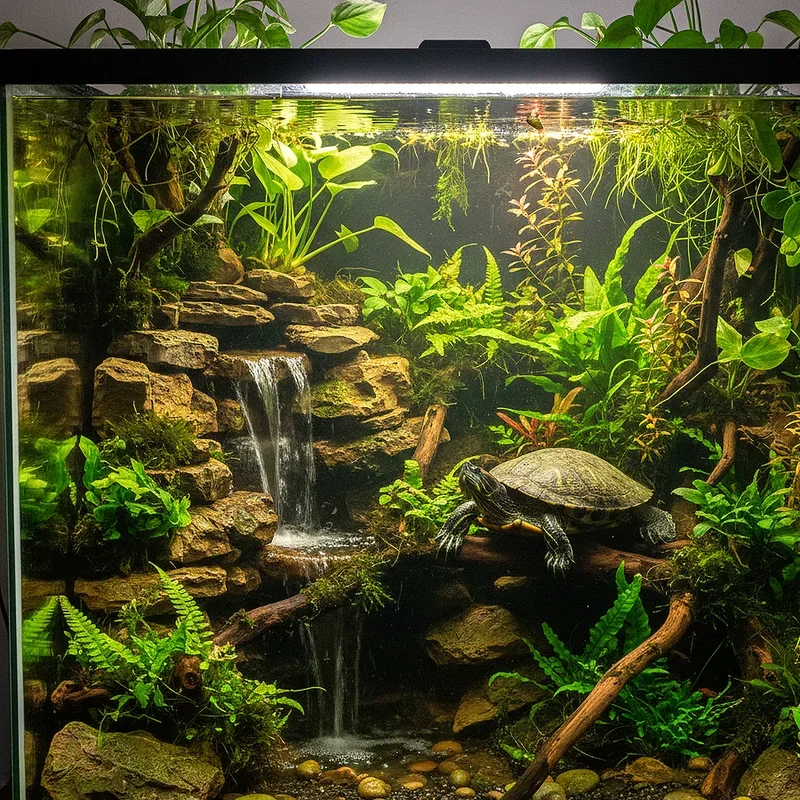
Capture the essence of a natural river bank with sloped terrain that transitions seamlessly from deep water to completely dry land areas. One side of the terrarium features significant water depth for swimming, while the opposite side gradually rises to create terrestrial zones. Layered substrates provide proper drainage in land areas while maintaining moisture levels that support semi terrestrial plants. Large flat rocks embedded in the slope create natural steps and basking platforms at multiple heights. Overhanging plants provide shade and cover, mimicking vegetation that grows along natural waterways. This design excels at accommodating turtles that split time between aquatic and terrestrial activities, providing appropriate zones for every behavior and activity throughout the daily routine.
12. Peninsula Style Layout
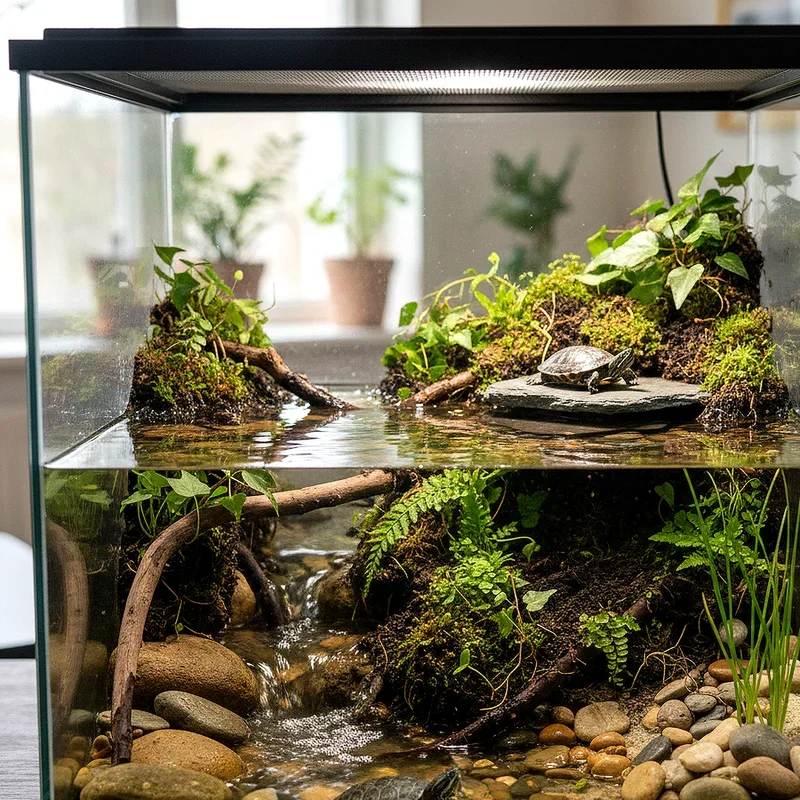
Design your terrarium around a central land mass that extends into the water like a natural peninsula, creating interesting shapes and swimming patterns. The peninsula divides the water area into distinct sections while providing extensive basking real estate that's accessible from multiple angles. Your turtle can circle completely around the land mass, encouraging exercise and exploration of the entire habitat. Plant the peninsula with moisture loving species that thrive in the humid environment while adding vertical interest and natural beauty. This layout maximizes edge habitat, which many turtle species prefer as it offers quick access to both swimming and basking areas. The unique shape also creates visual interest from every viewing angle, making the terrarium engaging from anywhere in the room.
13. Island Centered Design
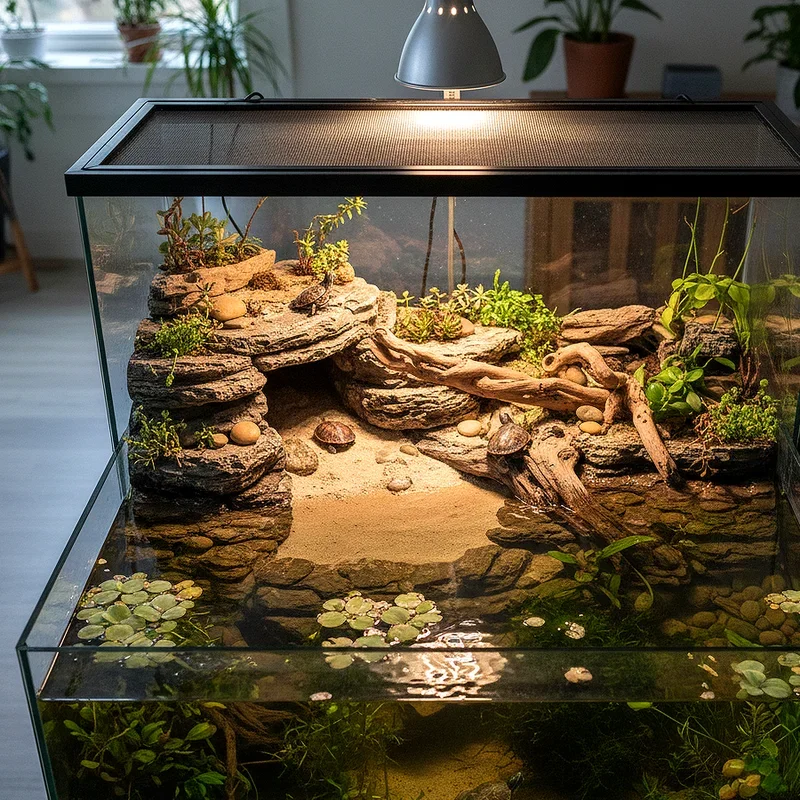
Place a substantial island feature right in the center of your turtle terrarium, creating a focal point that draws the eye while serving practical purposes. The island should be large enough for your turtle to completely dry off and bask comfortably, with gentle slopes allowing easy access from all sides. Surrounding water creates a moat effect that gives your turtle plenty of swimming space while keeping the design simple and elegant. Top the island with live plants, driftwood, or rock formations that add height and visual interest without overwhelming the space. This symmetrical layout appeals to those who appreciate balanced design while providing excellent functionality. Your turtle benefits from a centralized basking area that receives consistent lighting and heating regardless of viewing angle or position.
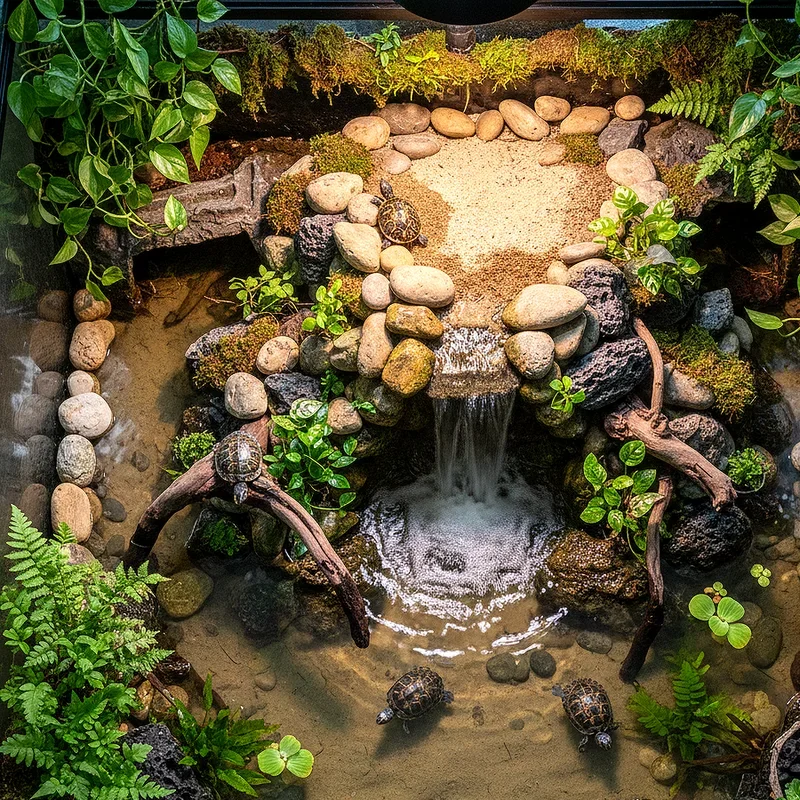
14. Waterfall Feature Integration
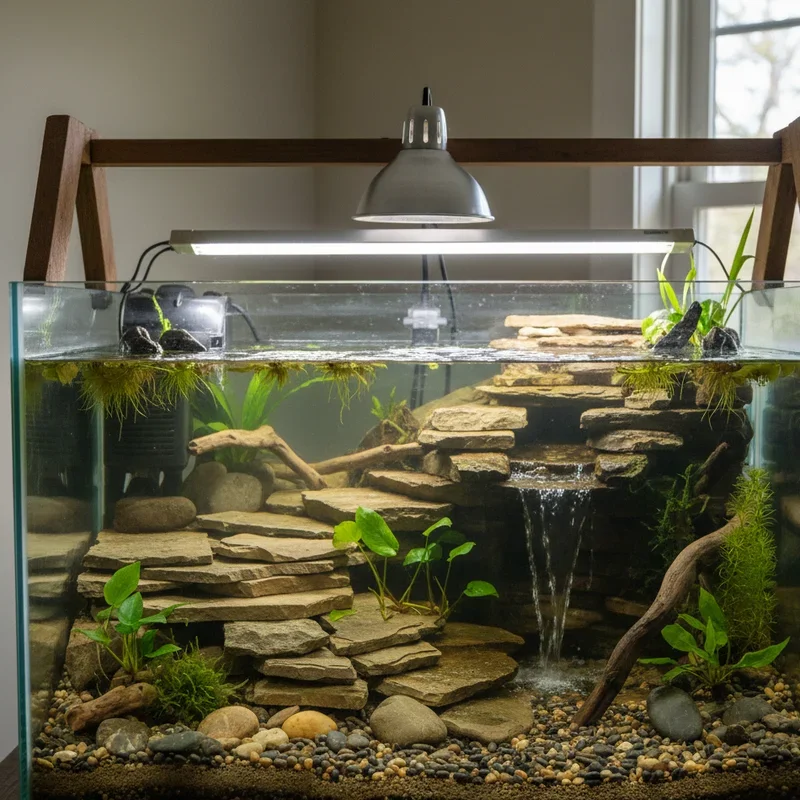
Elevate your turtle terrarium with a functioning waterfall that adds movement, sound, and excellent water circulation to the habitat. Position the waterfall to create a gentle cascade rather than a dramatic plunge, preventing excessive splashing while still providing benefits. The falling water increases oxygen levels, creates natural current patterns, and produces soothing sounds that enhance your enjoyment of the habitat. Build the waterfall structure using stacked stones or formed backgrounds that look completely natural within the overall design scheme. Your turtle will investigate the waterfall area, sometimes positioning itself in the gentle current or beneath the falling water. The feature also helps maintain water quality through increased aeration and surface agitation that promotes gas exchange.
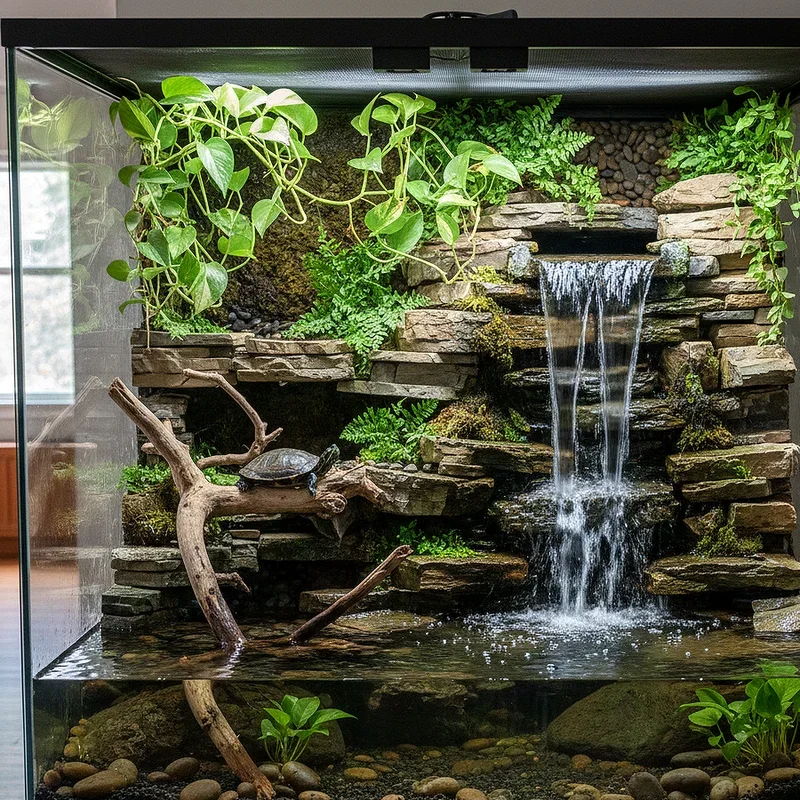
15. Bio Active Naturalistic Environment
Create the ultimate self sustaining turtle habitat by implementing bio active principles that allow beneficial organisms to process waste naturally. Introduce isopods, springtails, and beneficial bacteria that break down organic matter, reducing the need for frequent deep cleaning. Live plants extract nutrients from waste products while providing oxygen and natural filtration throughout the day and night. The substrate contains multiple layers including drainage layers, soil, and surface materials that support both plant growth and cleanup crew populations. This advanced setup requires careful planning and establishment time but results in a remarkably low maintenance system that functions like a miniature natural ecosystem. Your turtle thrives in an environment that closely mimics what it would experience in the wild while you enjoy reduced maintenance responsibilities.
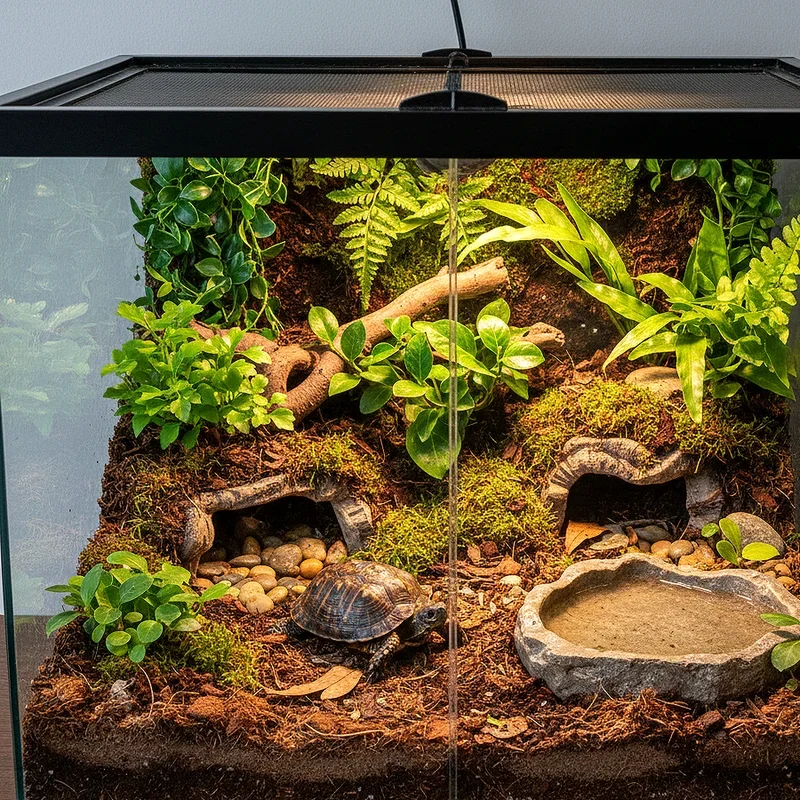
Conclusion
Creating the perfect turtle terrarium combines art and science, blending aesthetic appeal with practical functionality that keeps your shelled companion healthy and happy. These fifteen ideas offer starting points for designing a habitat that matches your vision while meeting your turtle's biological needs. Remember that successful terrarium keeping involves observation and adjustment as you learn what works best for your specific turtle and situation. Start with a design that excites you, research your turtle species' specific requirements, and don't be afraid to modify these concepts to create something uniquely yours. Your turtle will reward your efforts with years of fascinating behavior and companionship in its beautiful new home.
Read next: 15 Turtle Enclosure Ideas for Happy Turtles
Frequently Asked Questions
Q1: What size terrarium does a turtle need?
A: Most adult turtles require at least a 75 gallon tank, with larger species needing 125 gallons or more.
Q2: Can I use tap water in my turtle terrarium?
A: Yes, but use a water conditioner to remove chlorine and chloramines before adding tap water to the terrarium.
Q3: How often should I clean my turtle's habitat?
A: Perform partial water changes weekly and complete deep cleaning monthly, adjusting based on your filtration system's effectiveness.
Q4: What temperature should I maintain in a turtle terrarium?
A: Water temperature should stay between 75 and 80 degrees Fahrenheit, with basking areas reaching 85 to 95 degrees Fahrenheit.
Q5: Do turtles need live plants in their terrarium?
A: Live plants aren't required but offer benefits like natural filtration, oxygen production, and environmental enrichment for your turtle.
Stay up to date with our latest ideas!