Why Mullein Flowers Are Harvested Daily and a Few at a Time
Why mullein flowers are harvested daily: learn how brief blooms, gradual flowering, pollinators, and careful picking shape supply.
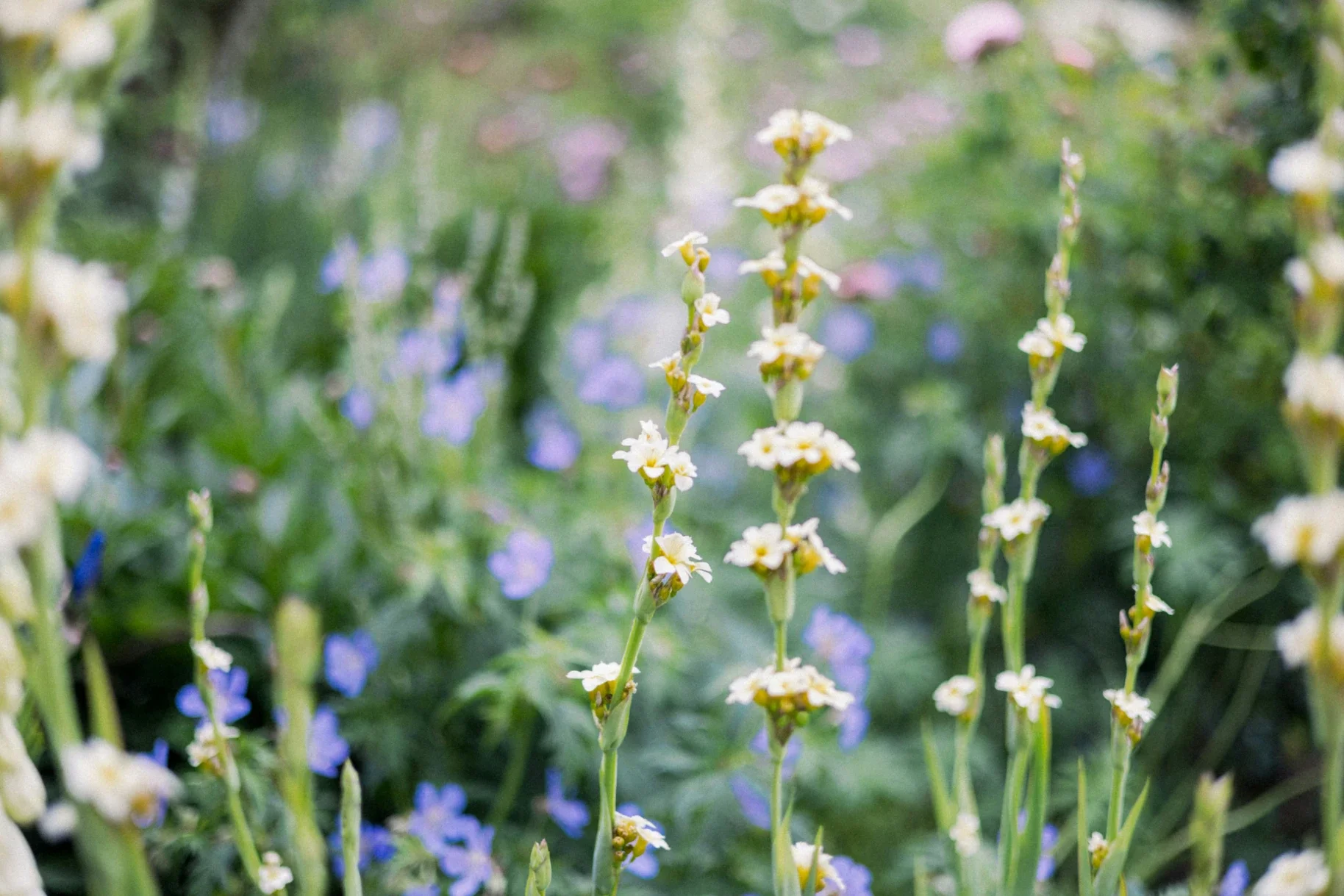
Why mullein flowers are harvested daily becomes clear once you watch a common mullein plant in bloom. Its tall flower spike may contain hundreds of buds, but only a small number open at the same time. Each yellow flower remains open for less than a full day, so a picker cannot gather the entire crop during one visit.
This flowering pattern makes mullein flower harvesting slower and more repetitive than collecting its large leaves. A useful flower supply may require many early visits to the same plants across several weeks. Secrets Of The Tribe views this harvesting rhythm as an important part of the ingredient's origin, not simply a detail of farm labor.
The limited daily yield helps explain why flower-based mullein products may appear less often than leaf products. It also shows why responsible collectors must balance raw material needs with pollinator access and seed production.
Why are mullein flowers harvested daily?
Mullein flowers are often harvested daily because each flower opens for only part of one day. Common mullein flowers typically open before dawn and close by mid-afternoon. Once a flower closes or begins to fade, it may no longer have the freshness or condition required by the collector.
The plant does not open every bud at once. Instead, new flowers appear in small groups along the dense flower spike. A collector may find several suitable flowers in the morning, then return the next day to find a different group open.
Daily collection therefore follows the plant's natural blooming schedule. It is not a method used to make the process sound more selective. The biology of the plant sets the pace.
How does the common mullein flower spike bloom?
Common mullein, botanically known as Verbascum thapsus, usually produces a tall flowering stalk during the second year of its life cycle. The upper part of the stalk forms a dense spike containing many buds, flowers, and developing seed capsules.
Flowering generally progresses upward along the spike. Lower sections tend to begin first, while buds farther up mature later. The sequence can look irregular because only scattered flowers may open on any given day.
Only a few flowers open at once
A full spike can look packed with yellow buds, but that does not mean the entire spike is ready to collect. Several flowers may be open while dozens or hundreds of other buds remain closed.
This staggered bloom gives pollinators access to fresh flowers over a longer period. For harvesters, it creates a small daily yield from each flowering stalk.
Each flower has a short open period
An individual common mullein flower is short-lived. It opens before sunrise and usually closes during the afternoon of the same day. The practical collection window is therefore measured in hours rather than days.
Weather can shorten or shift the useful window. Heat, rain, wind, and humidity may affect flower condition. Collectors must inspect the flowers rather than follow a fixed clock in every location.
The flowering period moves gradually upward
As the lower flowers finish, new flowers continue opening higher on the spike. Tall stalks may keep producing flowers for an extended part of summer.
This gradual progression allows repeated collection, but it also prevents a single large harvest. The same plant may need to be visited many times before its flowering cycle ends.
How does flower harvesting differ from leaf harvesting?
Mullein leaves and flowers create very different harvesting workloads. A mature leaf provides much more plant material in one cut than a single flower. Several suitable leaves can often be collected during one visit, while flowers must be gathered individually as they open.
Harvest factorMullein flowersMullein leavesMaterial available per plantA few open flowers at a timeSeveral large leavesUseful collection windowOften limited to part of one dayUsually longer when leaves remain healthyNumber of visitsRepeated visits across the flowering periodFewer visits may provide more materialCollection methodIndividual flowers picked selectivelyLeaves cut or removed one at a timePollinator considerationsDirectly affects available blossomsDoes not remove the open flowers themselvesDrying challengeDelicate material that needs prompt handlingLarger, thicker material that may dry more slowly
The comparison helps explain why a supplier may obtain a substantial leaf harvest more quickly than an equivalent flower harvest. Flower collection requires more walking, inspection, hand selection, and return visits for a relatively small amount of fresh material.
Why are mullein flower products less common than leaf products?
Mullein flower products can be less common because the flower supply is naturally limited by timing and labor. A tall plant may look abundant, yet only a small fraction of its buds are available on one morning.
Several practical factors restrict the flower supply:
Each flower remains open for only part of one day.
Only a few flowers open simultaneously.
The flowers must often be picked by hand.
The same plants require repeated visits.
Fresh flowers need prompt inspection and processing.
Some flowers should remain available for insects and seed development.
Leaf material is usually easier to gather in useful quantities. The leaves are much larger, remain on the plant longer, and do not depend on a brief daily opening cycle.
This does not automatically mean that every flower product is superior, stronger, or more valuable than every leaf product. Flowers and leaves are different raw materials. Product quality depends on identity, handling, processing, formulation, storage, and labeling, not scarcity alone.
How many times must a mullein plant be visited?
There is no universal number of visits. The answer depends on the length of the flower spike, local weather, plant vigor, the number of open flowers, and the collector's quality standard.
A plant may produce new flowers over several weeks. If only a few suitable blossoms open each day, a collector may revisit the same area repeatedly throughout that period.
Stage of the spikeWhat the collector may seeLikely actionEarly floweringA few lower flowers openCollect selectively and leave unopened budsActive floweringFresh flowers appear at several pointsReturn regularly during suitable weatherUpper-spike floweringNew flowers open higher on the stalkContinue selective collection if appropriateLate floweringFewer fresh flowers and more seed capsulesReduce collection and preserve remaining reproduction
A daily visit does not guarantee a useful harvest. Some mornings may produce only a few acceptable flowers. Rain or strong wind may also make collection impractical.
What time of day are mullein flowers usually collected?
Collectors commonly inspect mullein flowers during the morning while the current day's blossoms are open. Morning collection also makes it easier to distinguish fresh flowers from closed, fading, or damaged material.
The exact time depends on local sunrise, temperature, moisture, and processing plans. Collecting flowers while they are covered with rain or heavy dew can add moisture that complicates drying and storage.
Flowers should be moved into suitable processing conditions soon after collection. Delicate petals can wilt, darken, compress, or stick together when left in a warm container.
Dry weather supports cleaner handling
A dry morning is usually easier for collection than a wet one. Excess moisture can encourage clumping and slow the first stage of drying.
Collectors should avoid packing fresh blossoms tightly into deep bags or containers. Airflow and gentle handling help protect the fragile material before processing.
Freshness matters more than maximum volume
Trying to collect every visible yellow fragment can reduce consistency. Freshly opened flowers should be separated from insects, damaged petals, old flowers, plant debris, and immature buds.
Careful sorting lowers the final weight but improves raw material uniformity. Secrets Of The Tribe considers selective collection and clear plant-part identification more informative than claims based only on harvest volume.
Why should some flowers remain on the plant?
Open mullein flowers provide pollen and access to floral resources for visiting insects. Bees are particularly important effective pollinators of common mullein, although other insects may also visit the flowers.
Removing every open flower can reduce the material available to pollinators that day. It can also limit the number of flowers that develop into seed capsules.
Common mullein reproduces through seed. Leaving part of the flowering spike undisturbed supports seed formation and the plant's reproductive cycle. However, local ecological conditions matter because common mullein is introduced or invasive in some regions.
Responsible collection depends on location
A harvesting practice that suits a cultivated plot may not suit public land, a protected habitat, or an area where the species is regulated. Collectors should confirm land ownership, collection rules, species status, and local conservation guidance before taking any plant material.
Roadsides and industrial sites may also expose plants to vehicle residue, herbicides, contaminated soil, or other pollutants. Easy access does not make a site suitable for botanical raw material.
Leaving flowers supports a longer ecological window
A partially harvested spike can continue offering open flowers as blooming progresses upward. Selective picking spreads the impact across the flowering season instead of removing the entire reproductive structure at once.
Does daily harvesting make mullein flower material expensive?
Daily harvesting can increase production costs because it adds labor without guaranteeing a large yield. Workers may travel through the same growing area many times, inspect each spike, gather flowers individually, sort the material, and begin processing soon afterward.
The final cost can also reflect cultivation, testing, drying losses, extraction, packaging, quality control, and storage. Harvest frequency is only one part of the supply chain.
A higher price does not prove better quality. Buyers should still check the botanical name, plant part, ingredient list, extraction medium, manufacturer details, lot information, and directions for use.
Mullein Flower Harvesting Checklist
This checklist summarizes the main decisions behind careful mullein flower collection. It applies to botanical identification and raw material handling, not to medical use.
Confirm the species
Identify the plant before collecting any material. Use several botanical features rather than relying only on fuzzy leaves or a tall yellow spike.
Check local collection rules
Confirm that harvesting is permitted at the site. Consider whether common mullein is protected, introduced, invasive, cultivated, or restricted in the region.
Choose a clean location
Avoid areas exposed to roadside residue, herbicide spraying, contaminated water, industrial activity, or other likely sources of pollution.
Visit while flowers are open
Inspect the plants during the morning when fresh blossoms are easier to recognize. Adjust the timing for local weather and sunlight.
Select only suitable flowers
Leave closed buds, damaged petals, old flowers, and obvious plant debris behind. Pick gently to avoid crushing the blossoms.
Leave part of the bloom
Keep flowers available for pollinators and seed formation. Do not strip every open blossom from every plant.
Use a breathable container
Place flowers loosely in a clean container that limits compression and trapped heat. Avoid sealing damp flowers in plastic.
Process the harvest promptly
Sort and move the flowers into the intended drying or production process soon after collection. Delays can reduce consistency.
What does the daily harvest reveal about product origin?
The harvesting pattern gives buyers useful context about a mullein flower product. Genuine flower material comes from a narrow, repeated collection process rather than one large cut of the plant.
Useful product information may include:
The botanical species.
The plant part used.
Whether the flowers were cultivated or wild-collected.
The harvest region or country of origin.
The drying or extraction method.
The ratio of botanical material to finished extract.
Lot and batch traceability.
These details are more meaningful than romantic wording about hand harvesting. A company may use manual collection while still providing little information about identification, sourcing, or processing.
FAQ
Why are mullein flowers harvested daily?
Only a few flowers open at one time, and each flower remains open for less than a full day. Daily visits allow collectors to gather newly opened blossoms.
Do all flowers on a mullein spike open together?
No. Flowers open gradually and somewhat irregularly, usually progressing from lower areas toward the top of the spike.
How long does one common mullein flower stay open?
An individual flower typically opens before dawn and closes by mid-afternoon on the same day.
Why is collecting mullein flowers labor-intensive?
Collectors must pick small flowers individually and revisit the same plants many times during the flowering period.
Why are mullein leaves easier to harvest?
Leaves are larger, remain available longer, and provide more raw material per plant during a single visit.
Are mullein flower products always better than leaf products?
No. Flowers and leaves are different plant parts. Product suitability and quality depend on formulation, processing, labeling, and intended use.
Should every open mullein flower be collected?
No. Leaving flowers supports pollinators, seed development, and continued reproduction of the plant where that is ecologically appropriate.
What is the best time to inspect mullein flowers for harvest?
Morning is commonly preferred because the day's flowers are open and easier to assess before they close.
Can mullein flowers be collected after rain?
Wet flowers are harder to handle and dry consistently. Collectors often wait for suitable dry conditions when possible.
Why might mullein flower products be harder to find?
The daily yield is small, collection requires repeated labor, and the delicate flowers need prompt handling and processing.
Glossary
Biennial - A plant that usually grows leaves in its first year and flowers during its second year.
Botanical raw material - A harvested plant or plant part used as an ingredient before final manufacturing.
Common mullein - The common name for Verbascum thapsus, a tall biennial plant with fuzzy leaves and yellow flowers.
Flower spike - An elongated flowering structure that holds many closely arranged flowers or buds.
Inflorescence - The complete flowering structure of a plant, including its flowers and supporting stem.
Pollinator - An animal, often an insect, that transfers pollen between floral structures.
Seed capsule - A dry fruit that develops after flowering and contains seeds.
Sequential flowering - A pattern in which flowers open gradually over time instead of all at once.
Wild collection - Gathering plant material from uncultivated populations rather than a managed crop.
Conclusion
Mullein flowers are harvested daily because only a few open at once and each bloom lasts less than one day. This repeated, selective process helps explain the limited supply and greater labor behind flower-based raw material.
Sources Used
Common mullein flowering pattern, individual flower duration, pollinators, and upward bloom progression, Wisconsin Horticulture Extension - hort.extension.wisc.edu/articles/common-mullein-verbascum-thapsus
Mullein pollination, flower duration, reproduction, and seed production, USDA Forest Service Fire Effects Information System - fs.usda.gov/database/feis/plants/forb/vertha/all.html
Common mullein flower timing and botanical description, Montana Field Guide - fieldguide.mt.gov/speciesDetail.aspx
Common mullein identification and flowering characteristics, University of Nevada Cooperative Extension - extension.unr.edu/publication.aspx
Mullein flower progression, pollinator activity, and seasonal bloom, Cody Conservation District - codyconservationdistrict.com/common-mullein
Stay up to date with our latest ideas!