Why Does My Dog Sleep With His Eyes Open at Night?
Discover why does my dog sleep with his eyes open at night. Learn about causes, when to worry, and what this behavior really means.
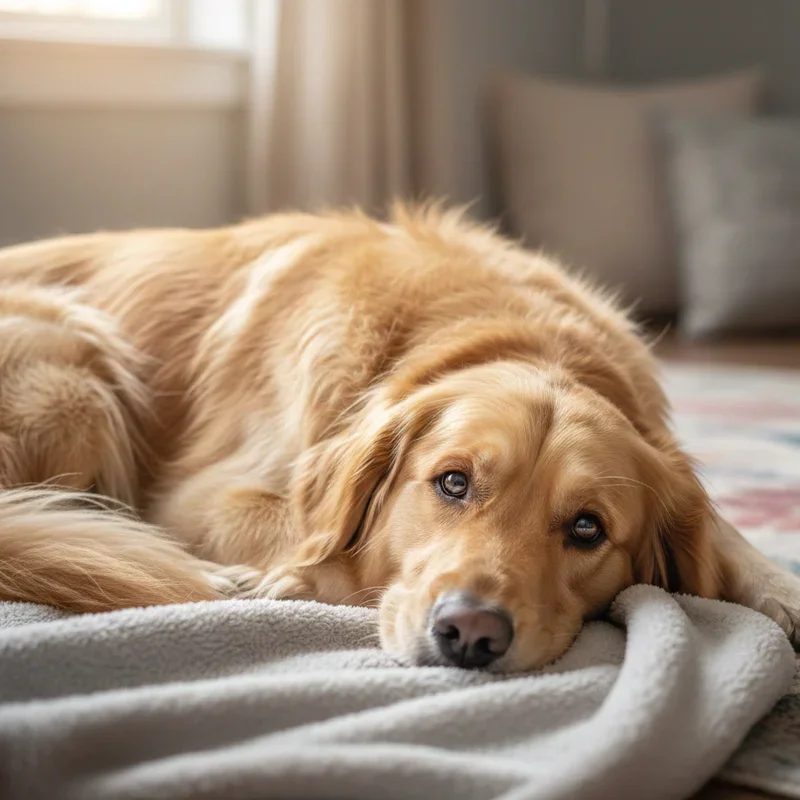
You're walking past your sleeping pup late at night, maybe grabbing a glass of water, when you notice something that stops you in your tracks. There's your beloved furry friend, clearly snoozing away, but those eyes are partially open, staring into nothingness like some kind of canine zombie. It's equal parts unsettling and fascinating, and honestly, it might have given you quite the scare the first time you witnessed it.
If you've ever had this experience, you're definitely not alone. Dog owners everywhere have done double-takes at their peacefully sleeping pets, wondering if something is wrong or if they're just imagining things. That glassy, half-open stare can look downright spooky in dim lighting, making you question whether your dog is actually asleep or secretly plotting world domination.
Here's the good news right off the bat. In most cases, this peculiar sleeping habit is completely normal and nothing to lose sleep over, pun intended. Dogs, like humans, go through various sleep cycles, and their eyes can behave in ways that seem strange to us but are perfectly natural for them.
Understanding why does my dog sleep with his eyes open at night helps ease worried minds and provides insight into the fascinating world of canine sleep patterns. From evolutionary instincts to anatomical features, several factors contribute to this behavior that's startled countless pet parents over the years.
This comprehensive guide dives deep into the science behind those creepy open-eyed naps, explains when it might actually signal a problem, and gives you the knowledge to understand your four-legged friend's sleep habits better.
The Science Behind Dog Sleep
Before tackling the open-eye mystery, let's understand how dogs sleep in general.
Canine Sleep Cycles
Dogs experience sleep cycles similar to humans, though the timing and duration differ significantly.
A typical dog spends about twelve to fourteen hours per day sleeping, depending on age, breed, and activity level. This sleep isn't continuous but occurs in numerous short periods throughout the day and night.
During sleep, dogs cycle through different stages including light sleep, deep sleep, and REM sleep where dreaming occurs. Each stage produces different physical manifestations, and eye behavior varies considerably across these phases.
REM Sleep and Eye Movement
The term REM stands for Rapid Eye Movement, and dogs definitely experience this sleep stage.
During REM sleep, your dog's brain becomes highly active while the body remains essentially paralyzed. This is when those cute twitching paws, running motions, and small whimpers happen as dogs apparently dream about chasing squirrels or enjoying endless treats.
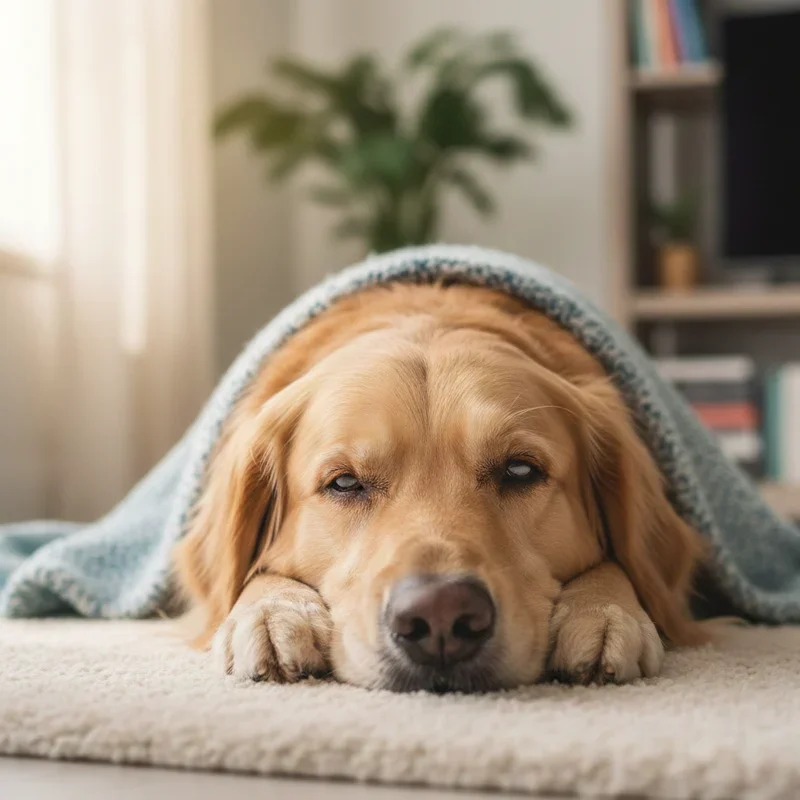
The eyes move rapidly beneath the lids during REM, and sometimes the lids don't stay completely closed. This can result in that eerie partially open appearance that startles owners.
The Third Eyelid Factor
Dogs possess a feature called the nictitating membrane, commonly known as the third eyelid.
This semitransparent membrane sits in the inner corner of the eye and can slide across the eyeball, providing additional protection and moisture. When dogs sleep, this third eyelid often becomes visible if the outer lids are partially open.
What you're often seeing when your dog appears to sleep with open eyes is actually this third eyelid covering and protecting the eye while the outer lid remains partially raised. It looks strange but serves an important protective function.
Why Does My Dog Sleep With His Eyes Open at Night? Main Reasons
Several factors explain this common canine behavior.
Evolutionary Instincts
Dogs descended from wolves who faced constant threats in the wild. Survival often depended on staying alert even while resting.
Sleeping with partially open eyes may have provided evolutionary advantages. Even a slight visual stimulus could trigger awakening when danger approached, giving wild canines those precious extra seconds to respond.
Though your pampered pooch faces no predators in your living room, these deeply ingrained instincts persist. The genetic programming that kept ancestors alive continues influencing sleep behaviors thousands of years later.
Light Sleep Phases
Not all sleep stages produce the same eye behavior.
During lighter sleep phases, dogs remain more responsive to environmental stimuli. Their eyes may stay partially open during these periods, ready to snap fully awake if something demands attention.
You might notice the open-eye phenomenon more during these light sleep stages than during deep sleep when the body relaxes more completely.
Individual Anatomy
Just like humans, dogs vary in their anatomical features.
Some dogs have looser eyelid muscles that don't close as tightly during sleep. Certain breeds with prominent eyes or loose facial skin may show this tendency more than others.
Brachycephalic breeds with flat faces and large eyes sometimes have difficulty fully closing their eyelids regardless of whether they're asleep or awake. Bulldogs, Pugs, and similar breeds may display open-eyed sleeping more frequently.
Age-Related Changes
Puppies and senior dogs often sleep differently than adult dogs in their prime.
Puppies haven't fully developed consistent sleep patterns and may show various quirky behaviors during rest, including sleeping with eyes partially open.
Older dogs sometimes experience changes in eyelid muscle tone that can affect closure during sleep. Age-related conditions might also contribute to incomplete eye closure.
When Open-Eyed Sleeping Becomes Concerning
While usually harmless, certain situations warrant attention.
Signs of Seizure Activity
Seizures can sometimes mimic sleep, and knowing the difference matters.
If your dog's open eyes are accompanied by rigid muscles, uncontrollable shaking, paddling legs, drooling, or loss of bladder control, you might be witnessing a seizure rather than normal sleep.
Dogs typically wake easily from normal sleep. If your dog seems unresponsive or confused when disturbed, consult your veterinarian promptly.
Eye Health Issues
Certain eye conditions can prevent proper lid closure.
Lagophthalmos refers to the inability to close eyelids completely. This condition can result from facial nerve problems, injury, or congenital issues.
Chronic dry eye, corneal damage, or other ophthalmic problems might develop if eyes remain exposed during sleep. Watch for redness, discharge, excessive tearing, or signs of discomfort.
Cherry Eye and Third Eyelid Problems
Problems with the third eyelid can become visible during sleep.
Cherry eye occurs when the gland beneath the third eyelid prolapses, creating a red mass in the eye corner. While this might become more noticeable during sleep, it's a condition requiring veterinary attention regardless.
Any unusual appearance of the third eyelid during waking hours deserves professional evaluation.
Sleep Disorders
Though rare, dogs can experience sleep disorders affecting their rest patterns.
REM sleep behavior disorder prevents the normal paralysis during REM sleep, causing dogs to act out dreams physically. This differs from normal twitching and may involve walking, running, or aggressive behaviors while technically asleep.
Narcolepsy, sleep apnea, and other conditions also occur in dogs, though infrequently. Persistent unusual sleep behaviors merit veterinary discussion.
Breed Considerations
Certain breeds show this behavior more commonly than others.
Brachycephalic Breeds
Flat-faced breeds often have prominent, bulging eyes that don't close as easily.
Pugs, French Bulldogs, Boston Terriers, and similar breeds frequently sleep with eyes partially open simply because their eye structure makes complete closure difficult.
Owners of these breeds should monitor for signs of eye dryness or irritation that might result from chronic exposure.
Hounds and Droopy-Faced Breeds
Breeds with loose facial skin and heavy jowls sometimes display this trait.
Bloodhounds, Basset Hounds, and similar breeds may have eyelids that don't seal tightly due to their characteristically loose skin.
While typically harmless, extreme cases could potentially allow debris to contact the eye during sleep.
Giant Breeds
Large breeds sometimes show different sleep characteristics than smaller dogs.
Their sheer size and different sleep position preferences might affect eye closure patterns. Giant breeds also tend toward deeper, longer sleep periods where various eye behaviors might occur.
Why Does My Dog Sleep With His Eyes Open at Night? Tips for Concerned Owners
Practical advice for managing and monitoring this behavior.
Observation Without Interference
Watch your dog's sleep patterns without constantly disturbing them.
Note whether eyes are truly open or if you're seeing the protective third eyelid. Observe whether your dog can easily wake when called or touched.
Document any accompanying behaviors like unusual movements, sounds, or signs of distress.
Creating Optimal Sleep Conditions
Good sleep environments benefit dogs just as they benefit humans.
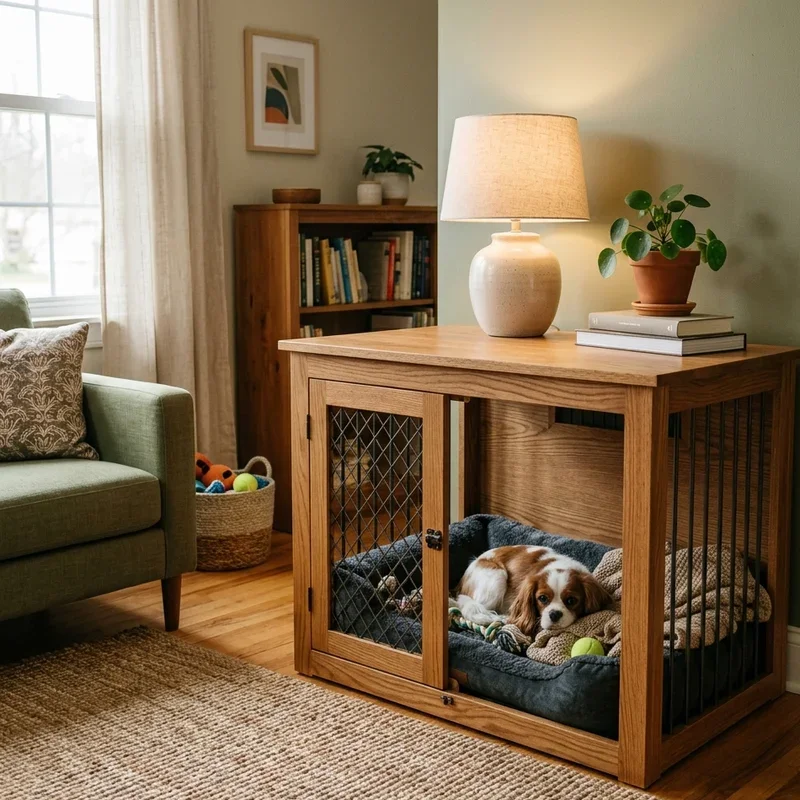
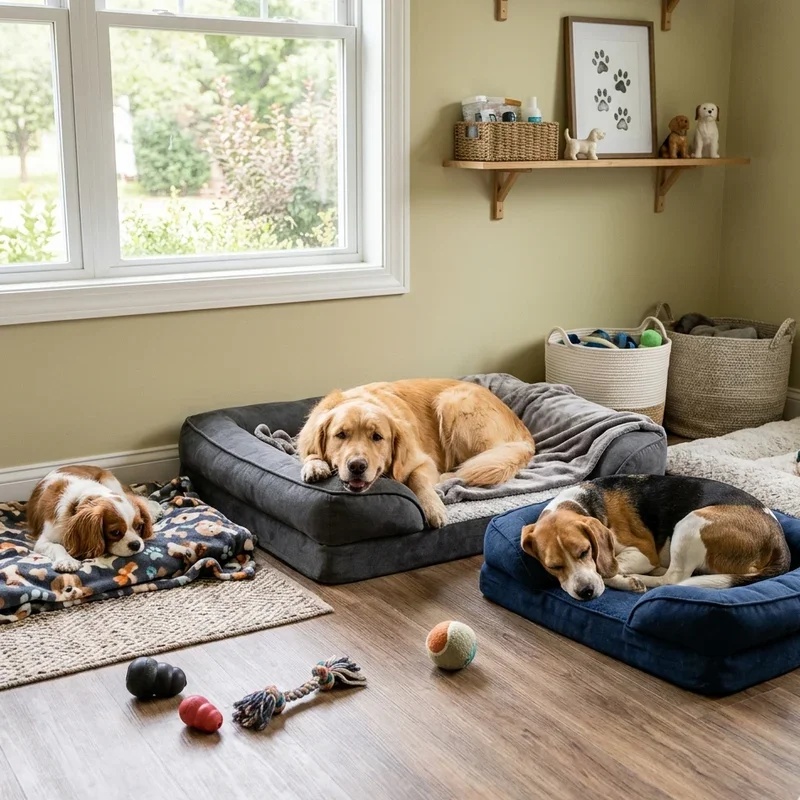
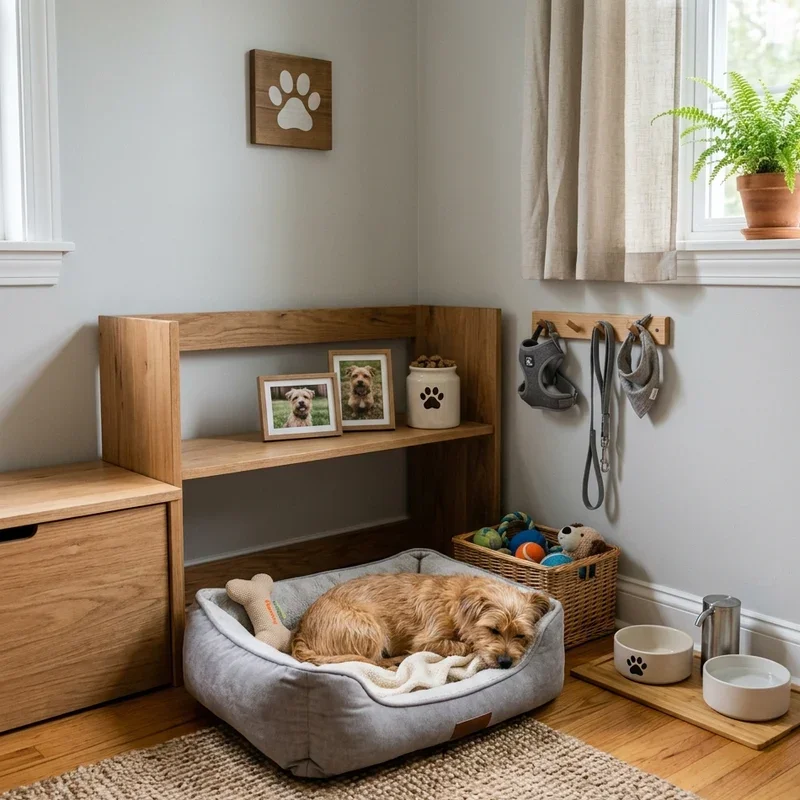
Provide comfortable, appropriately sized bedding in quiet areas. Maintain consistent room temperatures and minimize disruptive noises.
Dogs sleeping in optimal conditions may experience more restful sleep with fewer unusual behaviors.
When to Consult Your Vet
Certain signs should prompt professional consultation.
If your dog seems unable to wake normally, shows signs of eye discomfort during waking hours, or displays additional concerning symptoms, schedule a veterinary visit.
Changes in previously normal sleep patterns also warrant attention, particularly if accompanied by behavioral changes during waking hours.
Eye Protection for Chronic Cases
Some dogs need extra eye care.
If your dog consistently sleeps with eyes significantly open and shows signs of dryness or irritation, your vet might recommend lubricating eye drops or ointments.
Regular eye cleaning and monitoring become important for dogs prone to this behavior.
Understanding Normal Versus Abnormal
Learning to distinguish typical quirks from potential problems protects your pet's health.
Normal Open-Eyed Sleeping
Characteristics of normal behavior include easy arousal when disturbed, no signs of distress, and normal eye appearance when awake.
The eyes typically appear partially open rather than fully open, and the third eyelid often covers the exposed portion of the eye.
Dogs showing normal open-eyed sleeping display no other concerning symptoms and function perfectly normally when awake.
Potentially Problematic Signs
Watch for red or irritated eyes, excessive discharge, reluctance to open eyes fully when awake, or changes in eye appearance.
Behavioral changes accompanying sleep pattern changes might indicate underlying issues worth investigating.
Any sudden onset of new sleep behaviors in previously normal dogs deserves attention.
The Comfort of Understanding
Knowledge transforms concern into informed awareness.
Accepting Canine Quirks
Dogs do many things that seem strange to humans but are perfectly normal for them.
Sleeping with eyes partially open ranks among these harmless oddities that simply reflect canine nature. Once you understand the reasons, the behavior becomes more fascinating than frightening.
Bonding Through Observation
Watching your dog sleep provides intimate glimpses into their inner lives.
Those twitching paws, soft woofs, and yes, even those creepy half-open eyes reveal the rich dream life and deep rest your beloved companion experiences.
Rather than worrying, many owners come to find these quirky sleeping behaviors endearing once they understand them.
Trust Your Instincts
You know your dog better than anyone.
If something genuinely seems wrong, trust that instinct and seek professional guidance. But if your otherwise healthy, happy dog simply sleeps with eyes partially open, you can probably relax.
The bond between you and your pet means you'll notice true problems. A little open-eyed napping usually isn't one of them.
Conclusion
Understanding why does my dog sleep with his eyes open at night transforms a startling experience into fascinating insight about canine biology. From evolutionary survival instincts to the protective third eyelid, multiple factors explain this common behavior that alarms many pet owners. While usually completely normal, watching for signs of eye irritation or unusual accompanying behaviors helps ensure your furry friend stays healthy. Embrace these quirky sleep habits as just another charming aspect of life with dogs.
Read next: Why Is My Cat So Clumsy? Common Causes
Frequently Asked Questions
1.Is it normal for dogs to sleep with their eyes partially open?
Yes, partially open eyes during sleep are completely normal for most dogs and rarely indicate problems.
2.Should I be worried if my dog's eyes look glazed while sleeping?
The glazed appearance usually results from the protective third eyelid covering the eye during sleep.
3.Can sleeping with open eyes damage my dog's vision?
In most cases, the third eyelid provides sufficient protection, though chronic exposure may cause dryness.
4.Do certain dog breeds sleep with their eyes open more often?
Yes, brachycephalic breeds with prominent eyes typically show this behavior more frequently than others.
5.When should I take my dog to the vet for open-eyed sleeping?
Consult your vet if eyes appear irritated, red, or discharge, or if sleep behaviors change suddenly.
Stay up to date with our latest ideas!