How to Make a Dog Throw Up a Sock Safely and When Not To Do
Learn how to make a dog throw up a sock safely and when not to attempt it. Essential emergency guide for every dog owner.

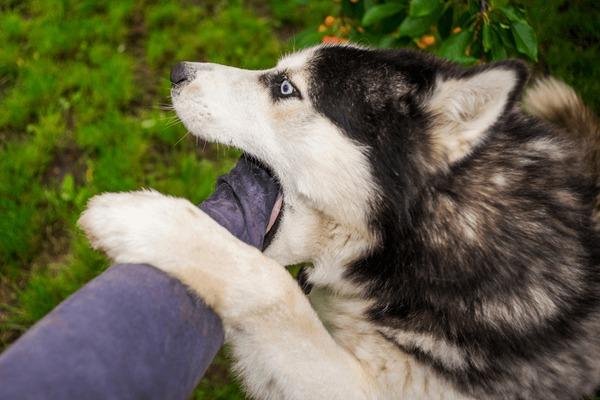
You turn your back for just two seconds, and somehow your furry best friend has managed to swallow an entire sock. It's like they were training for this moment their whole lives. One minute the sock is in the laundry basket, the next it's sliding down your dog's throat like they haven't eaten in weeks.
If you're reading this, you're probably in full-on panic mode right now, and honestly, that's completely understandable. Dogs eating socks is way more common than most people realize, and it's a situation that requires quick thinking and the right knowledge to handle properly.
Here's the thing though. While your first instinct might be to immediately try making your dog vomit up that sock, that's not always the safest approach. Sometimes inducing vomiting can actually cause more harm than good, and knowing the difference between when it's appropriate and when it's dangerous could literally save your dog's life.
Understanding how to make a dog throw up a sock safely and when not to isn't just good information to have tucked away in your brain. It's essential knowledge for every dog owner. Because let's face it, dogs are curious creatures with absolutely zero concept of what should and shouldn't go in their mouths.
This comprehensive guide will walk you through everything you need to know about handling this scary situation. From recognizing when immediate action is needed to understanding when you should absolutely leave it to the professionals, we've got you covered.
Why Dogs Eat Socks in the First Place
Before we dive into the emergency response, let's take a quick moment to understand why our canine companions have this bizarre sock obsession.
The Appeal of Your Dirty Laundry
Dogs are driven by scent, and your worn socks are basically the most fascinating thing in the entire world to them. Those socks carry your unique smell, sweat, and all sorts of interesting odors that make them irresistible.
What starts as curious sniffing can quickly escalate to chewing, and before anyone notices, the sock has disappeared down the hatch. Puppies are especially prone to this behavior since they explore everything with their mouths during their early development stages.
Some dogs also eat socks due to boredom, anxiety, or a condition called pica, which causes animals to crave and consume non-food items. Understanding the root cause helps prevent future incidents once you've handled the immediate crisis.
Assessing the Situation Quickly
Time is of the essence when your dog swallows a sock, but making smart decisions matters more than making fast ones.
Questions to Ask Yourself Immediately
When did the swallowing happen? If you actually witnessed your dog gulp down the sock within the past two hours, you're in a better position for potential at-home intervention than if it happened hours ago or you're just guessing.
What size is your dog compared to the sock? A Great Dane swallowing a baby sock presents different challenges than a Chihuahua consuming an adult athletic sock. Size ratios matter tremendously in these situations.
Is your dog showing any symptoms of distress? Choking, gagging, excessive drooling, pawing at the mouth, or visible discomfort all require immediate veterinary attention regardless of any home remedy plans.
Signs That Require Immediate Veterinary Care
Certain symptoms mean you should skip any home treatment attempts and get to a vet immediately:
Difficulty breathing or choking sounds indicate the sock might be partially obstructing the airway. This is a true emergency that requires professional intervention right away.
Repeated unsuccessful vomiting attempts suggest the sock might be lodged somewhere problematic. Continuing to try vomiting at home could cause additional damage.
Visible pain, bloating, or lethargy could indicate the sock has already caused internal issues that need medical attention.

How to Make a Dog Throw Up a Sock Safely and When Not To: The Safe Method
If you've determined that inducing vomiting is appropriate for your situation, here's the method veterinarians generally recommend.
Using Hydrogen Peroxide Properly
Three percent hydrogen peroxide is the most commonly recommended agent for inducing vomiting in dogs at home. Important note: this must be the standard three percent solution found in most pharmacies, not the stronger concentrations used for hair bleaching or other purposes.
The general dosage guideline is one teaspoon per ten pounds of body weight, with a maximum dose of three tablespoons regardless of how large your dog is. Never exceed this maximum even for giant breeds.
Administer the hydrogen peroxide using a syringe or turkey baster, squirting it toward the back of your dog's mouth. Getting them to walk around afterward often helps trigger the vomiting reflex as the peroxide fizzes in their stomach.
What to Expect After Administration
Most dogs will vomit within ten to fifteen minutes of receiving hydrogen peroxide. If nothing happens after fifteen minutes, you can give one more dose at the same amount.
If your dog still hasn't vomited after the second dose, stop and call your veterinarian immediately. Giving additional hydrogen peroxide can cause serious stomach irritation and other complications.
When your dog does vomit, examine what comes up carefully. If you see the sock, fantastic! But keep monitoring your dog for the next several hours to make sure everything is truly okay.
Important Limitations to Know
Hydrogen peroxide works best when used within two hours of the sock being swallowed. After that window, the sock has likely moved past the stomach into the intestines, where inducing vomiting won't help and could potentially cause harm.
This method only works for items still in the stomach. Once something enters the intestines, different interventions become necessary.
When You Should Absolutely Not Induce Vomiting
This is critical information that could prevent you from making a dangerous situation worse.
Dangerous Scenarios for At-Home Vomiting
Never attempt to make your dog vomit if more than two hours have passed since swallowing. The sock has probably moved beyond where vomiting would help, and the peroxide could irritate an already stressed digestive system.
Dogs that are already vomiting on their own shouldn't be given hydrogen peroxide. Their body is already trying to expel the object, and adding more irritation could cause complications.
Unconscious, extremely lethargic, or seizing dogs should never have vomiting induced at home. These conditions require immediate professional veterinary care.
Breed-Specific Concerns
Brachycephalic breeds with flat faces, like Bulldogs, Pugs, and Boston Terriers, face higher aspiration risks during vomiting. The structure of their airways makes them more likely to inhale vomited material, which can cause serious respiratory problems.
Very small dogs may struggle to vomit up larger socks even with stimulation. The size mismatch can cause the sock to become lodged during the vomiting attempt.
Senior dogs or those with known health conditions need veterinary guidance before any at-home intervention. Underlying health issues can complicate what seems like a straightforward situation.
The Two-Hour Rule Explained
Why does timing matter so much? Your dog's digestive system works on a fairly predictable schedule. Food and objects typically leave the stomach within two to four hours, entering the small intestine where the real trouble can begin.
Once a sock reaches the intestines, it can cause blockages that require surgical intervention to resolve. Inducing vomiting at this point won't bring the sock back up and could actually make things worse.
This is why acting quickly when you witness the ingestion matters so much. That two-hour window is your best opportunity for non-surgical resolution.

How to Make a Dog Throw Up a Sock Safely and When Not To: Professional Alternatives
Sometimes the situation calls for professional intervention, and knowing when to defer to experts is just as important as knowing the at-home methods.
When to Head Straight to the Vet
If you're uncertain about timing, your dog's size relative to the sock, or whether inducing vomiting is safe, err on the side of caution and call your vet immediately. They can make the judgment call with more information.
Veterinary clinics have safer and more effective medications for inducing vomiting than hydrogen peroxide. Apomorphine, commonly used by vets, works more reliably and with fewer side effects.
If the sock is large, your dog is small, or any complications exist, professional help gives your dog the best chance of a good outcome.
What Happens at the Veterinary Clinic
Your vet might induce vomiting using professional-grade medications that work more effectively than home remedies. They can also monitor your dog for any complications during the process.
If vomiting isn't appropriate or doesn't work, your vet has other options. Endoscopy allows them to retrieve objects from the stomach using a camera and grabbing tool inserted through the mouth.
In cases where the sock has moved into the intestines and caused a blockage, surgery becomes necessary. While this sounds scary, it's often the safest way to remove the obstruction and prevent serious internal damage.
X-Rays and Diagnostic Tools
Veterinarians can use X-rays to determine where the sock is located in your dog's digestive system. Interestingly, fabric doesn't always show up clearly on X-rays, but vets can often see secondary signs of obstruction.
Knowing the sock's location helps determine the best course of action. A sock still in the stomach calls for different treatment than one causing an intestinal blockage.
After the Sock Is Out: Recovery and Monitoring
Whether your dog vomited the sock at home or received veterinary treatment, the following days require careful attention.
Signs Everything Is Fine
Your dog should return to normal behavior relatively quickly after expelling the sock. Normal appetite, regular bowel movements, and typical energy levels all indicate things are going well.
Keep an eye on their stool for a few days. Sometimes small fabric pieces pass through even after most of the sock comes up through vomiting.
Warning Signs to Watch For
Contact your vet immediately if your dog shows any of these symptoms in the hours or days following the incident:
Continued vomiting or dry heaving suggests something might still be wrong internally. Don't dismiss this as lingering effects from the peroxide.
Loss of appetite lasting more than a day could indicate digestive system damage or remaining obstruction.
Abdominal pain, bloating, or reluctance to move might signal that part of the sock remains inside or that damage occurred during the ordeal.
Diarrhea, especially with blood, requires prompt veterinary attention.

Preventing Future Sock-Eating Incidents
Once you've survived this scare, you'll definitely want to make sure it doesn't happen again.
Practical Prevention Strategies
Keep laundry hampers behind closed doors or use ones with secure lids. Dogs are persistent, so simple prevention often works better than trying to train away the behavior.
Provide plenty of appropriate chew toys and mental stimulation. Bored dogs are more likely to seek entertainment in inappropriate places, like your sock drawer.
Address any underlying anxiety or pica behavior with help from your veterinarian or a certified animal behaviorist. Some sock eating stems from deeper issues that deserve attention.
Training Considerations
Teaching a solid "leave it" command gives you a fighting chance to intervene before the sock disappears down your dog's throat.
Supervise your dog around laundry and other tempting items until you're confident in their behavior around these objects.
Consider crate training or baby gates to limit access to areas where socks tend to accumulate when you can't supervise directly.
Conclusion
Knowing how to make a dog throw up a sock safely and when not to attempt it empowers you to make smart decisions during a genuinely scary situation. The two-hour window, proper hydrogen peroxide dosage, and recognition of dangerous scenarios form the foundation of handling this emergency at home. However, when in doubt, always choose professional veterinary care over attempting home remedies. Prevention through proper laundry management and training ultimately offers the best protection for your sock-eating canine companion.
Read next: 15 Dog Door Ideas for Wall for Easy Indoor Outdoor Access
Frequently Asked Questions
1.How long after eating a sock can I induce vomiting safely?
Inducing vomiting is only safe within two hours of ingestion before the sock enters intestines.
2.Can a dog pass a sock naturally without intervention?
Small dogs rarely pass socks naturally, while large dogs sometimes pass small socks without complications.
3.Is hydrogen peroxide safe for all dogs?
Most healthy dogs tolerate hydrogen peroxide, but flat-faced breeds and ill dogs require veterinary guidance.
4.What symptoms indicate a sock is causing intestinal blockage?
Vomiting, lethargy, loss of appetite, abdominal pain, and inability to defecate indicate potential blockage emergency.
5.Should I make my dog vomit if unsure about timing?
When timing is uncertain, contact your veterinarian immediately rather than risking inappropriate home treatment.
Stay up to date with our latest ideas!