Why Won’t My Bearded Dragon Eat? What to Do
Discover why won't my bearded dragon eat and what to do about it. Learn causes, solutions, and when to seek veterinary help.
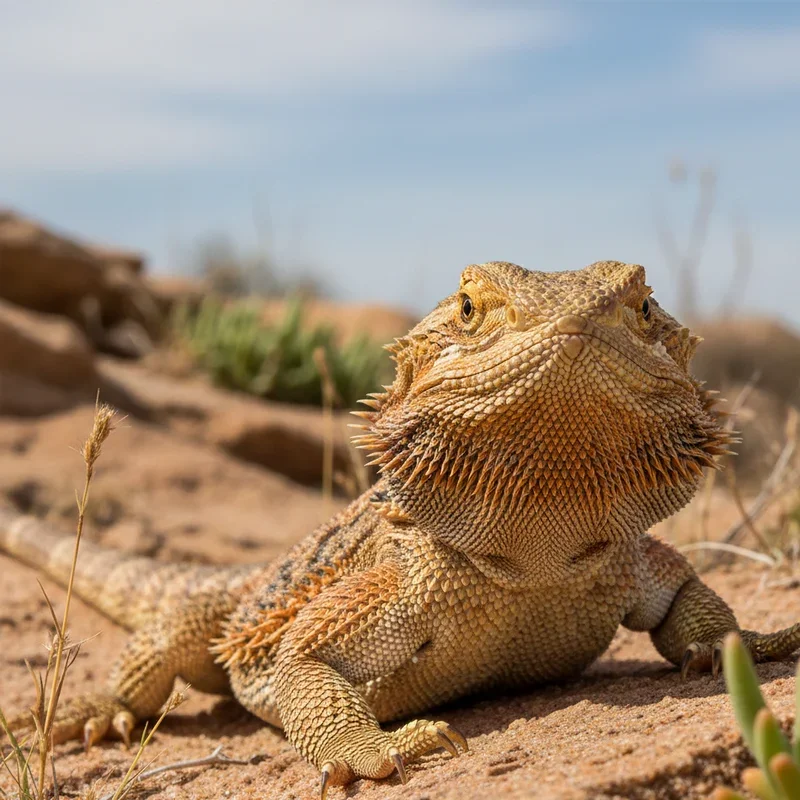
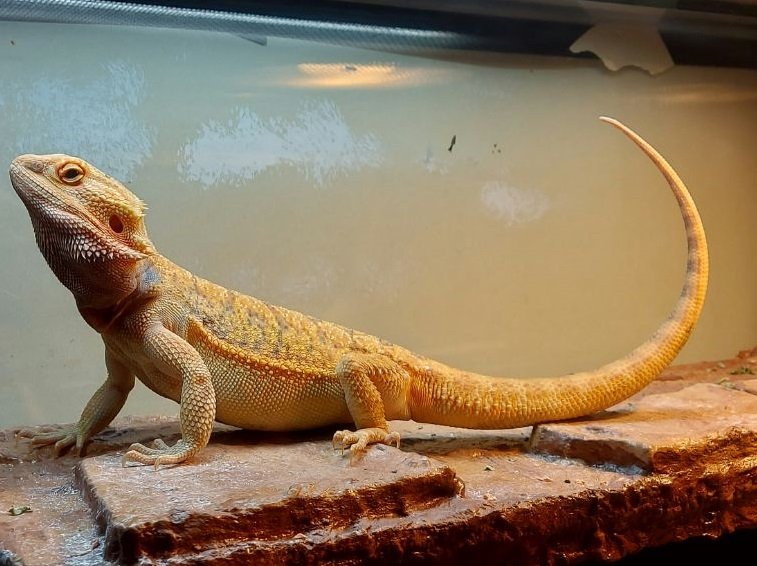
There's nothing quite as concerning as watching your beloved bearded dragon turn its nose up at food. You've prepared their favorite crickets, arranged some delicious greens, and maybe even tossed in a special treat, yet your scaly companion just sits there, completely disinterested. It's enough to make any reptile parent's heart sink.
Here's the thing about bearded dragons. They're generally enthusiastic eaters who'll chase down insects with surprising gusto and munch on vegetables like tiny dinosaurs at a salad bar. So when that appetite suddenly disappears, alarm bells start ringing, and rightfully so.
But before you panic and start googling emergency vet clinics at midnight, take a breath. Loss of appetite in bearded dragons can stem from numerous causes, ranging from completely normal and temporary to genuinely concerning health issues. Understanding the difference is crucial for knowing when to wait things out versus when to take action.
The question of why won't my bearded dragon eat and what to do about it has crossed the mind of practically every beardie owner at some point. These remarkable reptiles go through various life stages, environmental changes, and natural cycles that can all affect their eating habits.
This comprehensive guide will help you become a detective in your own home, identifying potential causes and implementing solutions that could get your dragon's appetite back on track. We'll cover everything from husbandry issues to health concerns, seasonal changes to stress factors, giving you the tools to address whatever might be bothering your prehistoric-looking pal.
Understanding Normal Eating Patterns
First things first, let's establish what normal actually looks like for bearded dragons.
Age-Related Appetite Changes
Baby bearded dragons are eating machines. These little guys need protein to fuel their rapid growth and will consume insects multiple times daily with endless enthusiasm. Juvenile dragons gradually shift toward eating slightly less frequently but still maintain hearty appetites.
Adult bearded dragons naturally eat less than their younger counterparts. Once growth slows, so does the need for constant caloric intake. An adult beardie eating every other day or even skipping occasional meals isn't necessarily cause for alarm.
Senior dragons often eat even less, particularly as their activity levels decrease. Understanding your dragon's life stage helps calibrate expectations about what normal eating looks like for them specifically.
Seasonal Appetite Fluctuations
In the wild, bearded dragons experience seasonal changes that trigger various behaviors, including appetite shifts. Even captive dragons retain these instincts despite living in climate-controlled environments.
During winter months, many bearded dragons experience brumation, a reptilian version of hibernation. Appetite decreases dramatically or disappears entirely during this period, sometimes lasting weeks or months.
Recognizing brumation-related appetite loss versus illness-related changes requires attention to other behavioral signs. A brumating dragon typically becomes lethargic, sleeps more, and shows overall decreased activity alongside reduced eating.
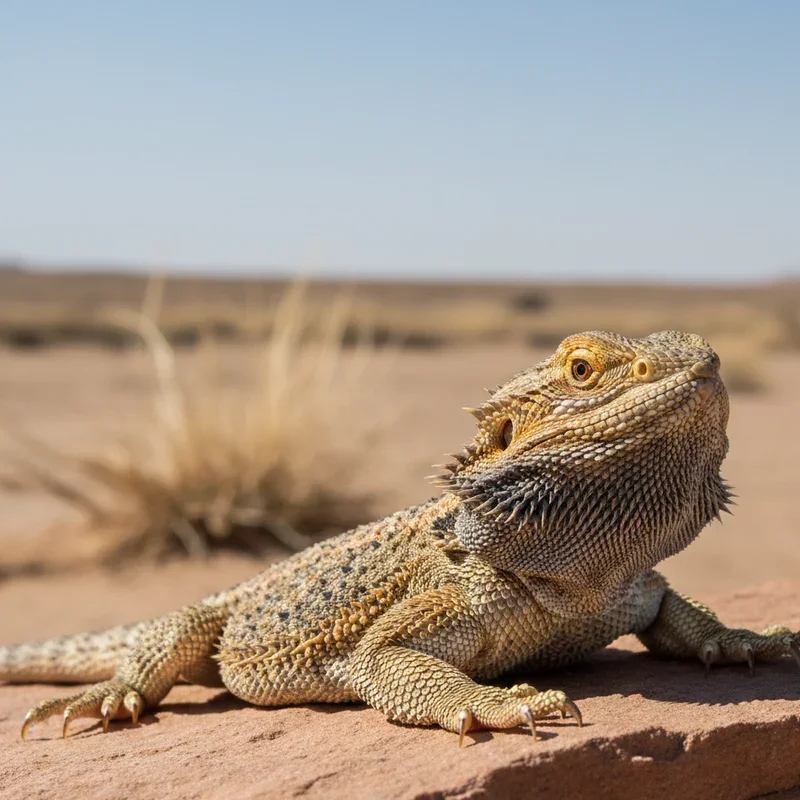
Why Won't My Bearded Dragon Eat? What to Do About Environmental Factors
Your dragon's environment plays an enormous role in appetite and overall health.
Temperature Problems
Bearded dragons are cold-blooded creatures who depend on external heat sources to regulate body temperature. Without proper warmth, their digestive systems simply cannot function correctly.
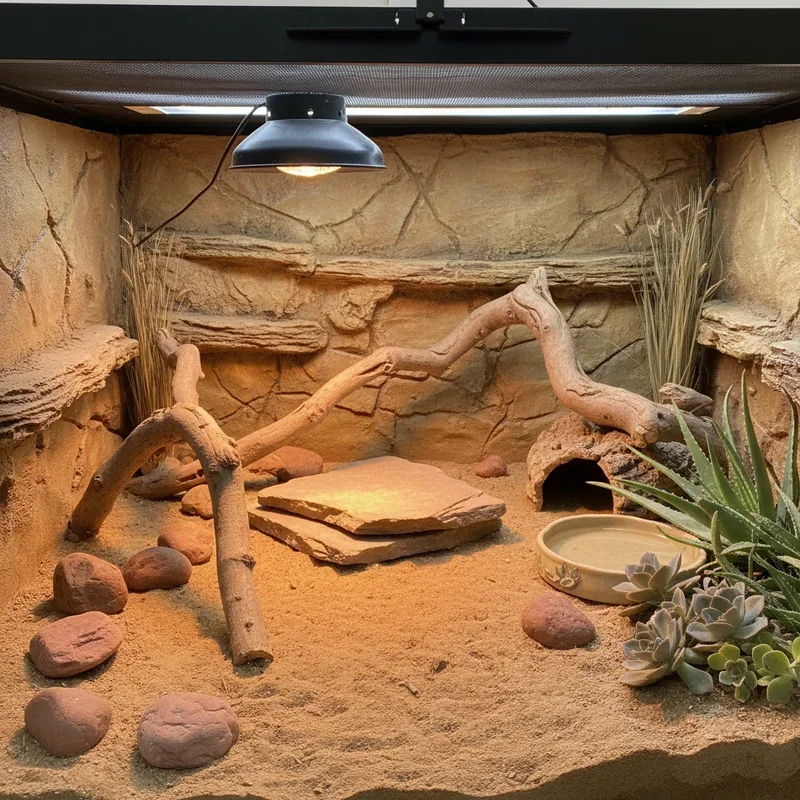
The basking spot should reach temperatures between 100 and 110 degrees Fahrenheit for adults, slightly warmer for juveniles. A cool side around 80 to 85 degrees allows temperature regulation through movement.
If your temperatures are off, your dragon literally cannot digest food properly. Their gut relies on heat to process meals, and eating without adequate warmth causes food to rot in their stomach rather than digest, creating serious health issues.
Check your thermometer placement and accuracy. Those stick-on thermometers are notoriously unreliable. Invest in a quality digital thermometer with probes to ensure accurate readings at both basking and cool zones.
Lighting Issues
UVB lighting isn't just nice to have, it's absolutely essential for bearded dragon health. Without proper UVB exposure, dragons cannot metabolize calcium effectively, leading to metabolic bone disease and a host of other problems including appetite loss.
UVB bulbs lose effectiveness over time, even when they still appear to work. Replace these bulbs every six months regardless of whether they're still producing visible light.
Ensure your UVB fixture covers at least two-thirds of the enclosure and sits at the appropriate distance from your dragon's basking spot. Different bulb types require different mounting heights, so follow manufacturer recommendations.
Enclosure Size Concerns
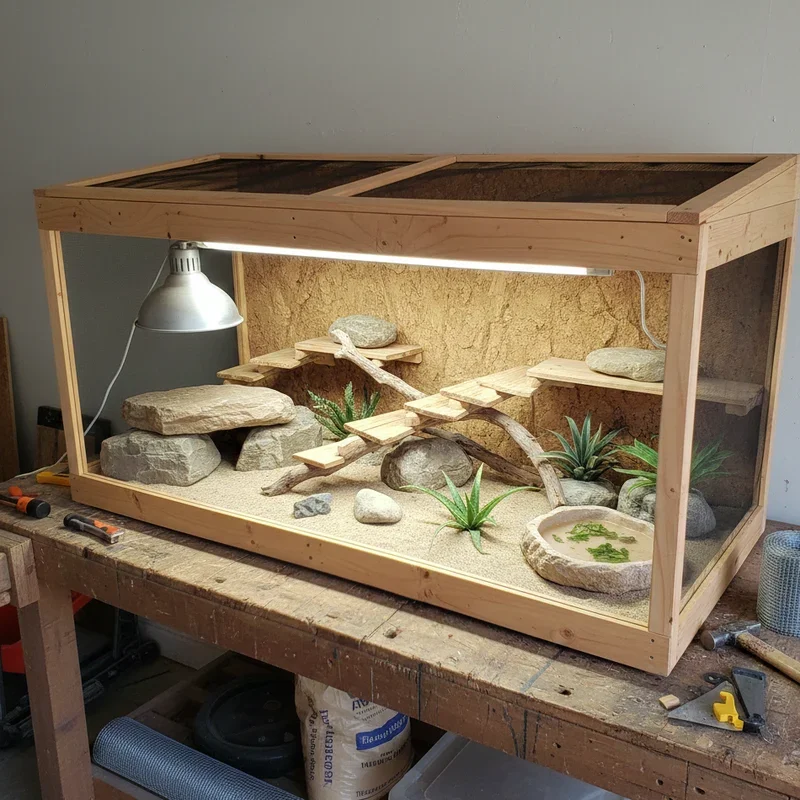
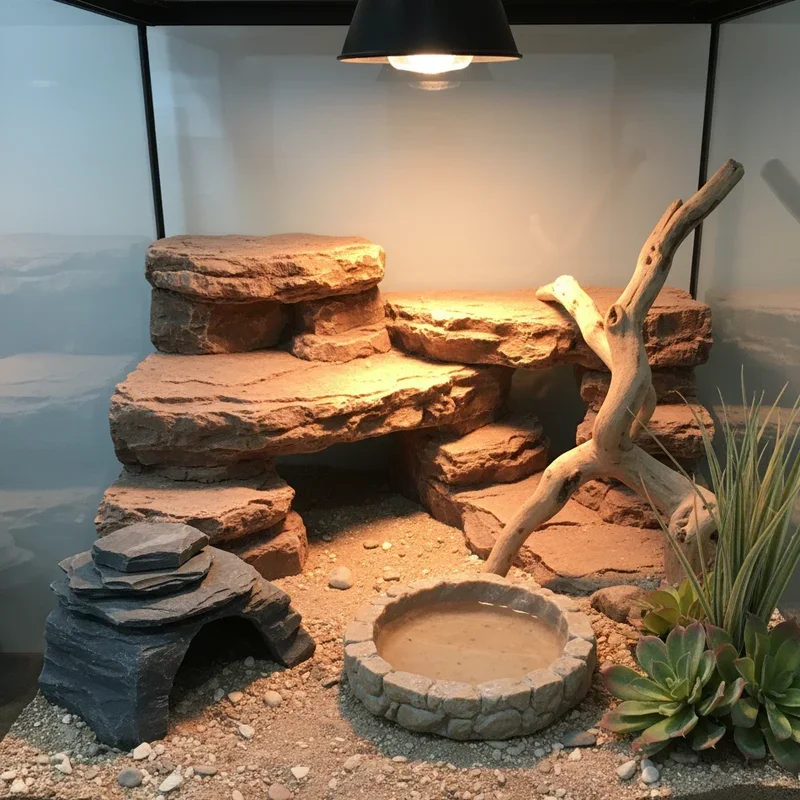
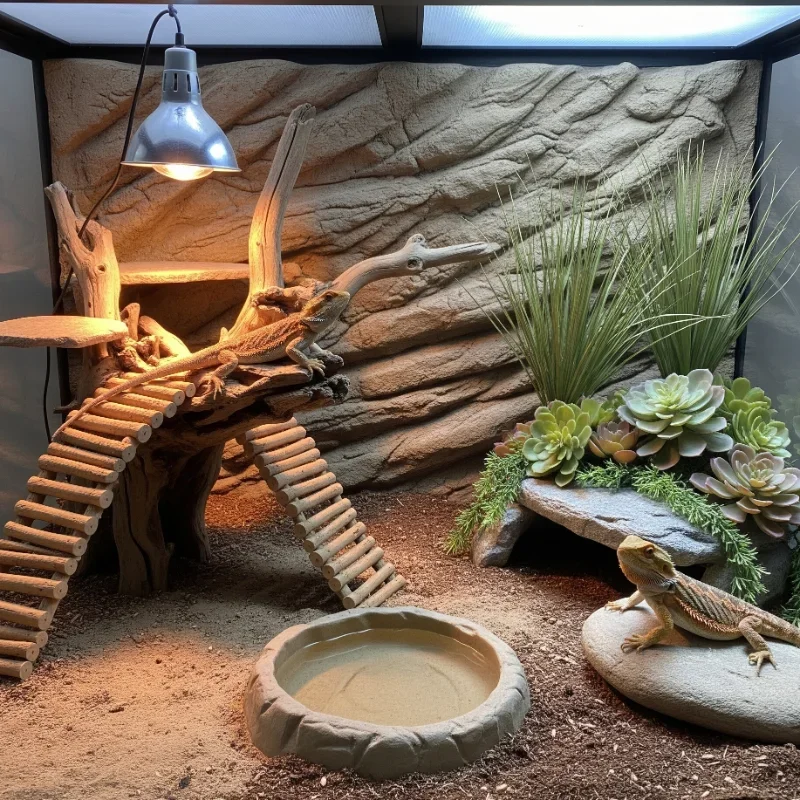
A cramped enclosure stresses bearded dragons significantly, and stressed dragons don't eat well. Adults need at least a 75-gallon tank minimum, though larger is always better.
Beyond size, enclosure setup matters too. Insufficient hiding spots, lack of climbing opportunities, or overly exposed setups can create chronic stress that suppresses appetite.
Evaluate your enclosure from your dragon's perspective. Do they have places to retreat when feeling overwhelmed? Can they move away from the basking spot to cooler areas? Is the enclosure positioned in a high-traffic area that might create constant disturbance?
Health-Related Causes of Appetite Loss
Sometimes refusing food signals underlying health problems that need addressing.
Impaction Dangers
Impaction occurs when something blocks the digestive tract, preventing normal food passage. This serious condition requires immediate attention and can be life-threatening if ignored.
Common impaction causes include loose substrate ingestion, feeding insects too large for the dragon's size, inadequate temperatures preventing proper digestion, and dehydration.
Signs of impaction include bloating, straining to defecate, dragging back legs, and of course, refusing food. If you suspect impaction, warm baths and gentle belly massages sometimes help, but veterinary consultation is essential.
Parasitic Infections
Internal parasites are unfortunately common in bearded dragons, especially those recently purchased or housed with other reptiles. These unwelcome guests steal nutrients and cause digestive distress.
Symptoms beyond appetite loss include unusual feces, weight loss despite eating, and general lethargy. A fecal examination at your reptile vet can identify parasites and guide appropriate treatment.
Respiratory Infections
Respiratory infections cause significant discomfort that understandably diminishes appetite. Watch for gaping, mucus around nose or mouth, wheezing sounds, or puffed-up appearance.
These infections typically result from inadequate temperatures or excessive humidity. Addressing environmental causes prevents recurrence after treatment.
Mouth Rot
Infectious stomatitis, commonly called mouth rot, makes eating painful and is often avoided entirely. Check your dragon's mouth for redness, swelling, cheesy discharge, or damaged tissue.
This condition requires veterinary treatment with antibiotics and proper husbandry corrections to heal completely.
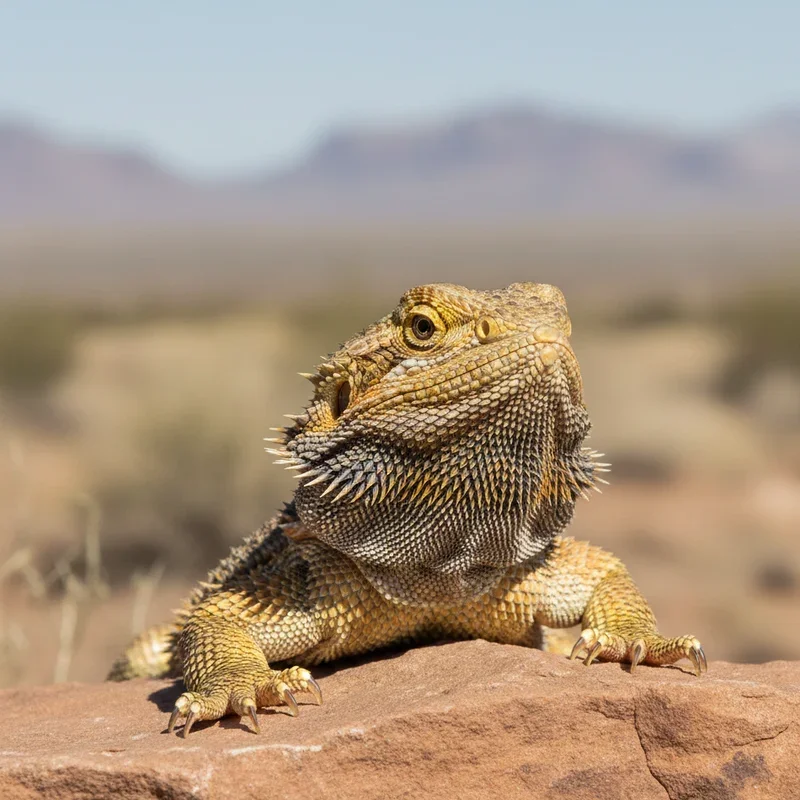
Why Won't My Bearded Dragon Eat? What to Do About Stress Factors
Stress impacts bearded dragon health in numerous ways, including appetite suppression.
New Environment Adjustment
Newly acquired bearded dragons often refuse food initially. They're dealing with the stress of transport, completely new surroundings, and unfamiliar handling.
Give new dragons several days to acclimate before worrying excessively about eating. Minimize handling during this adjustment period and ensure optimal environmental conditions.
Relocation Stress
Even established dragons stress when their enclosure moves to a new location or when household changes occur. Major disruptions like moving homes can trigger appetite loss lasting days or weeks.
Maintain consistent routines during transitions and ensure the new setup replicates familiar conditions as closely as possible.
Tank Mate Issues
Bearded dragons are generally solitary creatures who don't appreciate roommates. Housing multiple dragons together creates chronic stress, territorial disputes, and competition anxiety that affects eating.
If you're housing dragons together, separate them and watch for appetite improvements. Even seeing another dragon through glass can stress some individuals.
Reflections and Perceived Threats
Bearded dragons sometimes interpret their own reflection as a threatening rival. If your dragon frequently glass surfs or displays aggressive postures toward tank walls, reflections might be stressing them.
Adjust lighting angles, add background covers to tank sides, or reposition the enclosure to minimize reflective surfaces.
Dietary Boredom and Preferences
Sometimes the problem is simply what you're offering rather than anything wrong with your dragon.
Food Variety Matters
Imagine eating the same thing every single day. Eventually, even your favorite food becomes unappealing. Bearded dragons feel similarly about monotonous diets.
Rotate through different insects including crickets, dubia roaches, black soldier fly larvae, and occasional treats like hornworms or waxworms.
Offer various greens and vegetables regularly. Collard greens, mustard greens, butternut squash, and bell peppers provide nutritional variety that keeps meals interesting.
Color and Presentation
Bearded dragons respond to visual appeal in their food. Brightly colored vegetables like red bell peppers or yellow squash often attract more interest than plain greens.
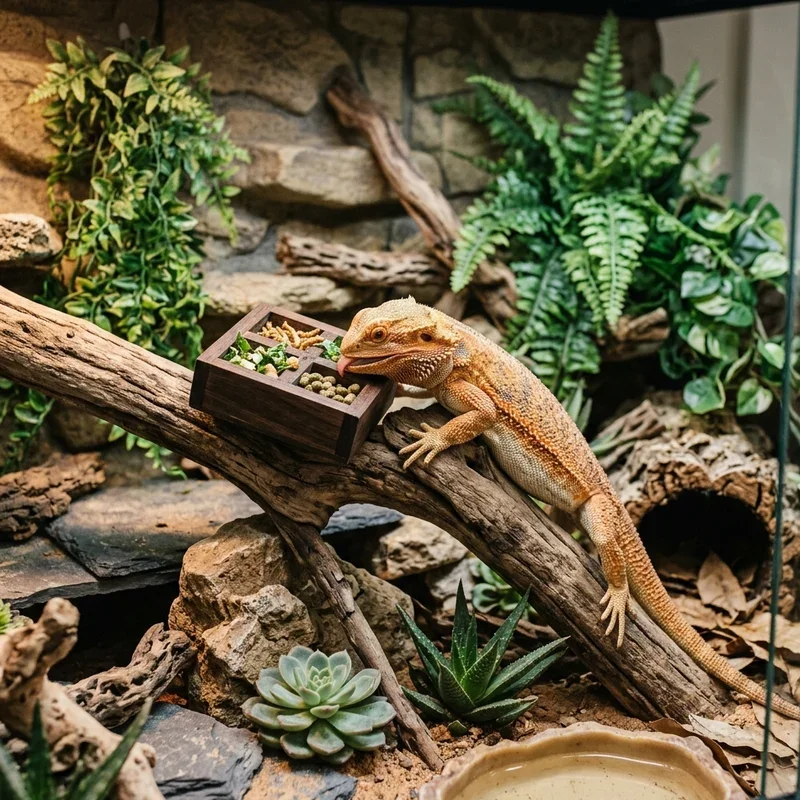
Mix colors in their salad bowl and present food in ways that catch their attention. Some dragons prefer food placed on flat surfaces rather than in bowls.
Temperature of Offered Food
Refrigerated insects sluggish from cold may not trigger hunting instincts like room-temperature or slightly warmed prey. Let insects reach room temperature before offering.
Cold vegetables from the refrigerator might also seem unappealing. Bringing them to room temperature improves acceptance.
Practical Solutions to Try
When appetite loss occurs, several strategies might help stimulate eating.
Warm Baths
Offering warm baths serves multiple purposes. The warmth helps digestion and can relieve mild impaction. The hydration often stimulates appetite, and the sensory experience sometimes jumpstarts eating interest.
Fill a shallow container with lukewarm water, about 85 to 90 degrees, deep enough to reach their shoulders but not cover their head. Let them soak for 15 to 20 minutes.
Hand Feeding Attempts
Some dragons respond to hand-feeding when they reject food placed in their enclosure. The movement of held insects or the interaction with their owner sometimes triggers eating responses.
Wiggle insects enticingly near their face. Some dragons respond to prey items moved in certain patterns or at specific speeds.
Hunger Strikes and Waiting
Sometimes the best approach is patience. If environmental conditions are correct and no health issues are apparent, a healthy dragon simply waiting out their appetite slump often works.
Healthy adult dragons can safely go several weeks without eating if properly hydrated. Monitor weight and overall condition during these periods.
Environmental Audit
Systematically verify every aspect of your husbandry. Check temperatures at multiple times throughout the day. Verify humidity levels aren't too high. Confirm UVB bulb age and output. Examine substrate for potential ingestion hazards.
Often, subtle environmental issues accumulate into appetite-suppressing conditions that aren't immediately obvious.
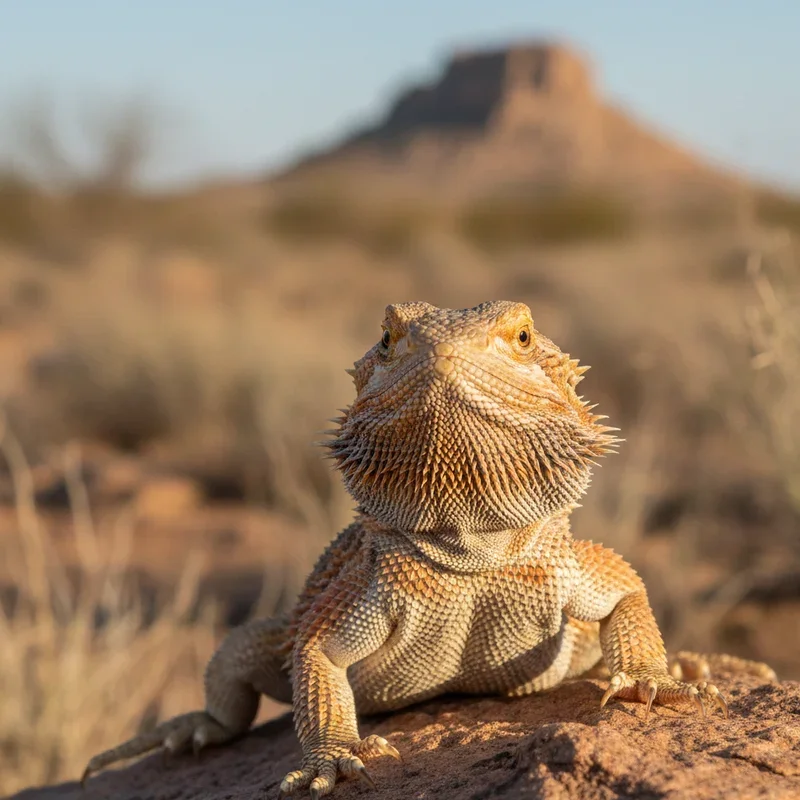
When to Seek Veterinary Help
Knowing when professional intervention is necessary can save your dragon's life.
Warning Signs Requiring Immediate Attention
Significant weight loss, especially visible bone prominence, demands veterinary consultation. Dramatic changes in feces including bloody stool or complete absence of defecation indicate serious problems.
Any signs of pain such as flinching when touched, reluctance to move, or unusual postures warrant professional evaluation. Visible injuries, masses, or abnormalities obviously require expert assessment.
Duration Considerations
While brief appetite loss isn't alarming in healthy adults, extended refusal beyond several weeks should prompt veterinary consultation. Juveniles and babies cannot safely go as long without eating due to their higher metabolic needs.
Finding a Reptile Veterinarian
Not all veterinarians have experience with reptiles. Seek out exotic animal specialists or vets with specific reptile training.
Establish a relationship with a reptile vet before emergencies occur. Having an existing patient relationship facilitates faster care when urgent situations arise.
Conclusion
Understanding why won't my bearded dragon eat and what to do about it requires examining multiple factors from environmental conditions to health status to natural behavioral cycles. Most appetite loss cases resolve once underlying causes are identified and addressed through proper husbandry adjustments or appropriate veterinary care. Patience combined with careful observation helps distinguish between temporary normal fluctuations and genuine health concerns requiring intervention. Your attentive care makes all the difference in your dragon's wellbeing.
Read next: 15 Creative Bearded Dragon Tank Ideas You’ll Love
Frequently Asked Questions
1.How long can a healthy bearded dragon go without eating?
Healthy adult bearded dragons can safely survive several weeks without food if properly hydrated throughout.
2.Should I force-feed my bearded dragon if it refuses food?
Never force-feed without veterinary guidance since improper technique can cause aspiration or additional stress.
3.Is it normal for bearded dragons to stop eating during winter?
Yes, brumation during winter months naturally reduces appetite significantly and is completely normal behavior.
4.What foods should I try to stimulate my dragon's appetite?
Offer favorite treats like hornworms, colorful vegetables, or hand-fed wiggling insects to stimulate interest.
5.When should appetite loss prompt an emergency vet visit?
Seek emergency care if appetite loss accompanies lethargy, weight loss, breathing difficulties, or visible injuries.
Stay up to date with our latest ideas!