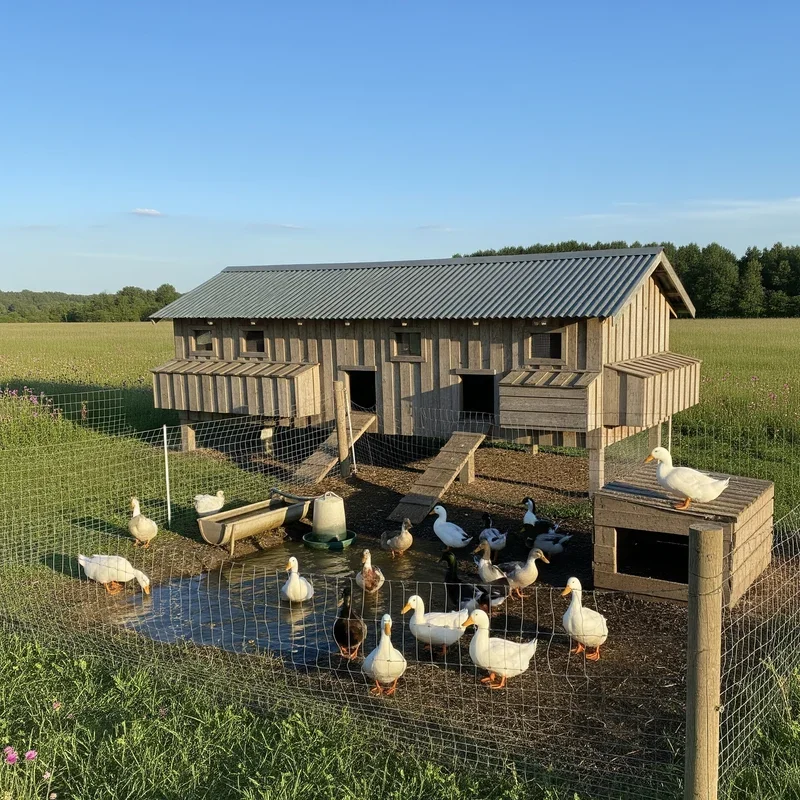
15 Duck Enclosure Ideas to Inspire You
Discover 15 creative duck enclosure ideas perfect for your backyard flock. Get inspired with practical designs for happy, healthy ducks today!
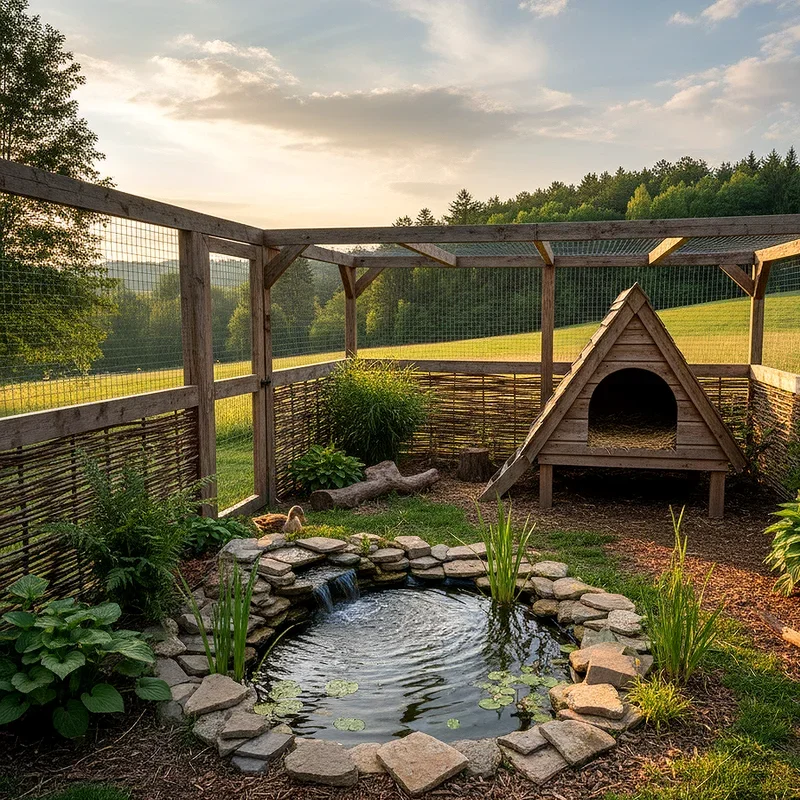
Have you ever watched ducks waddle around your yard and thought they deserved something better than a makeshift pen? Creating the perfect duck enclosure isn't just about keeping your feathered friends contained; it's about designing a space where they can thrive, splash, and live their best duck lives. Whether you're a seasoned duck keeper or just starting your waterfowl journey, finding the right enclosure design can feel overwhelming. But here's the good news: building an amazing duck habitat doesn't require a fortune or advanced construction skills. From simple predator-proof setups to elaborate water features, the possibilities are endless. Think of your duck enclosure as a combination of safety fortress and aquatic playground.
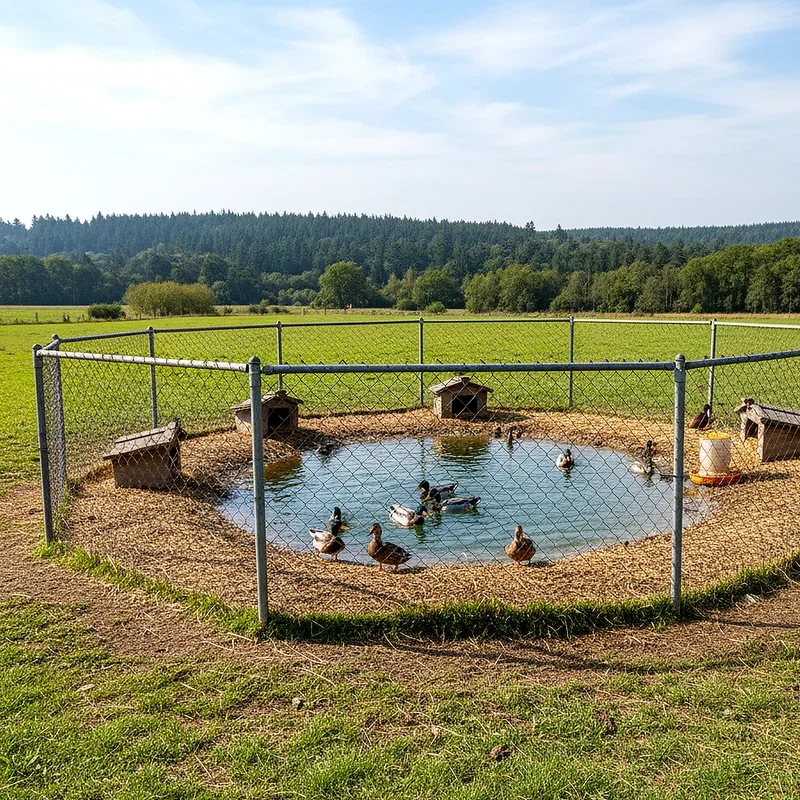
1. Classic Chain Link Perimeter Fence
Building a classic chain link fence around your duck area provides reliable security without breaking your budget. This tried-and-true method creates clear boundaries while allowing excellent visibility to monitor your flock throughout the day. You'll want to ensure the fence stands at least four feet tall to discourage jumping predators and dig the posts deep for stability. The gaps in chain link offer ventilation and sunshine while keeping most threats outside. Consider adding a predator skirt by burying additional fencing horizontally outward from the base, preventing digging animals from tunneling underneath. This approach works beautifully for larger properties where ducks need substantial roaming space. The durability of galvanized chain link means your investment lasts for years with minimal maintenance required throughout changing seasons.
2. Portable Duck Tractor Design
Imagine giving your ducks fresh grass daily without permanent infrastructure commitment. A portable duck tractor operates like a mobile home, featuring lightweight construction with wheels or handles for easy repositioning. This ingenious design typically incorporates a covered sleeping area attached to an open-air run, all built on a moveable frame. Your ducks enjoy continuous access to fresh foraging grounds while naturally fertilizing different sections of your yard. The bottom remains open, allowing direct ground contact for bugs, grass, and natural behaviors. Construct yours using PVC pipes, chicken wire, and corrugated roofing for weather protection. This solution particularly benefits smaller flocks and urban homesteaders with limited space. Move it every few days, and watch your lawn transform while your ducks stay entertained and healthy.

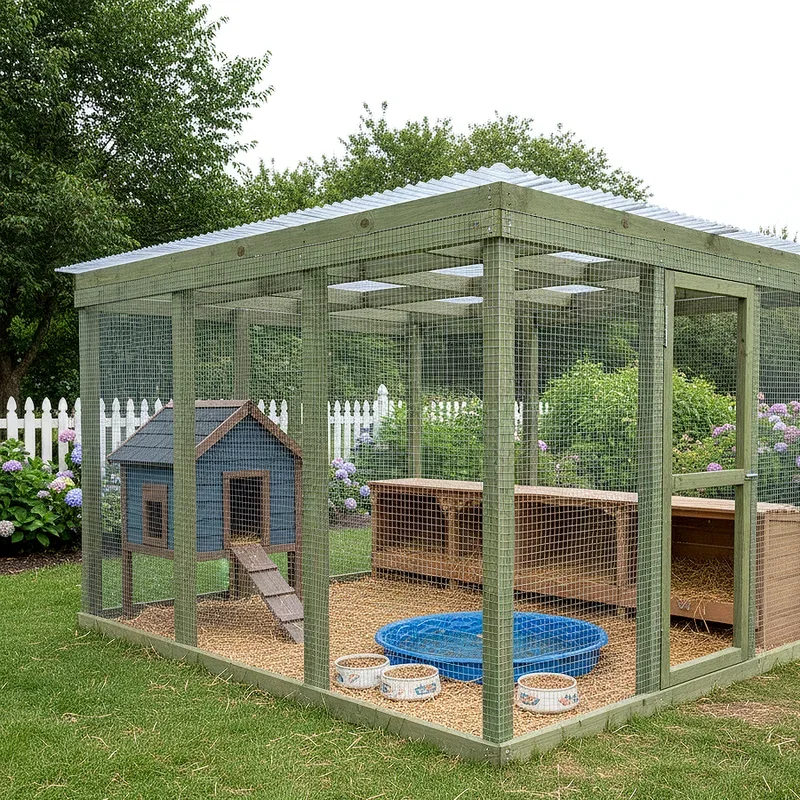
3. Covered Run with Hardware Cloth
Hardware cloth provides superior protection compared to standard chicken wire, making it the gold standard for serious duck keepers. This enclosure style features a fully covered run using quarter-inch hardware cloth on all sides, including the top, creating an impenetrable barrier against raccoons, hawks, and snakes. The roof coverage protects against aerial predators while providing shade during scorching summer afternoons. Install the hardware cloth securely, overlapping seams and using washers with screws rather than staples for maximum holding power. The tighter mesh prevents even the smallest predators from squeezing through or reaching inside. Although hardware cloth costs more initially, the peace of mind knowing your ducks sleep safely each night makes every penny worthwhile. This design works exceptionally well for nighttime security when predators become most active and dangerous.
4. Natural Pond Integration Setup
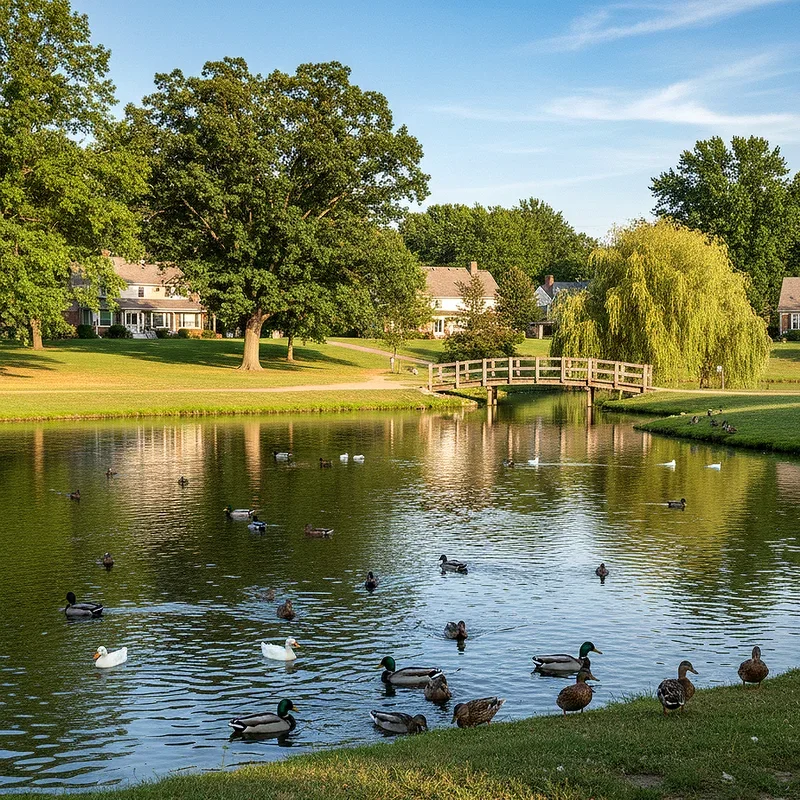
Why not incorporate an existing pond into your duck enclosure design? Ducks naturally gravitate toward water, and a pond creates the ultimate entertainment center for waterfowl. Fence around your pond's perimeter, ensuring secure access points and predator-proof barriers extending into the water to prevent underwater entry. Create gentle sloping banks where ducks can easily waddle in and out without struggling. Add aquatic plants around the edges for natural foraging and shade coverage throughout hot days. The pond provides drinking water, bathing opportunities, and temperature regulation automatically. You'll need to maintain water quality through filtration or regular water changes to prevent disease. This setup mimics natural duck habitats, promoting healthy behaviors and reducing stress. Your ducks will spend countless happy hours diving, splashing, and doing what ducks do best.

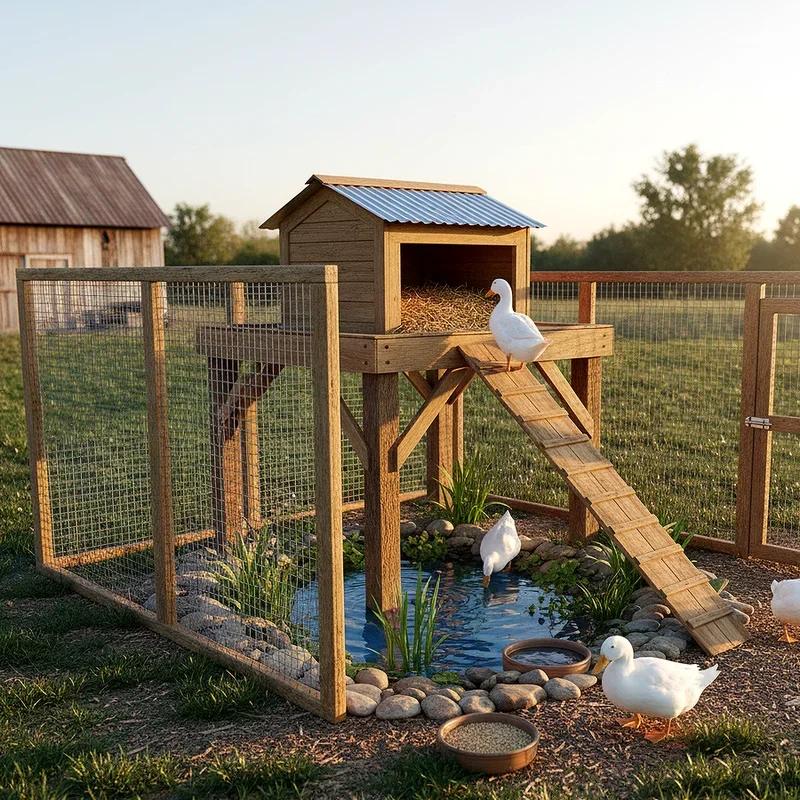
5. Raised Platform Sleeping Quarters
Elevating your duck house off the ground offers multiple advantages for flock health and safety. A raised platform design keeps bedding dry, improves air circulation, and makes cleaning significantly easier on your back. Construct a sturdy wooden platform three to four feet high with a ramp for easy duck access. The space underneath provides shaded lounging areas during summer heat while deterring ground-dwelling predators from establishing territories nearby. Install the sleeping quarters on top with proper ventilation holes and predator-proof latches on doors. This design particularly benefits areas with high rainfall or flooding risks, keeping your ducks comfortable during wet seasons. Add nesting boxes at floor level inside for convenient egg collection. The elevated design also discourages rodents and snakes from taking up residence in your duck bedding materials.
6. Garden Integration Enclosure
Transform pest control into a beautiful symbiotic relationship by integrating ducks into your garden space. This design involves creating fenced pathways between raised garden beds where ducks can patrol for slugs, snails, and insects. Your ducks become natural pest managers while fertilizing your soil with nutrient-rich droppings. Use temporary fencing to rotate which garden sections ducks access, protecting tender seedlings while allowing access to established plants. The garden provides shade, foraging opportunities, and mental stimulation for your flock. Ducks especially love weeding between rows and controlling pest populations without harmful chemicals. Include a small water feature within the garden enclosure for drinking and bathing. This innovative approach maximizes limited space while creating a productive, beautiful backyard ecosystem. Your vegetables thrive and your ducks stay healthy and engaged with purposeful work.
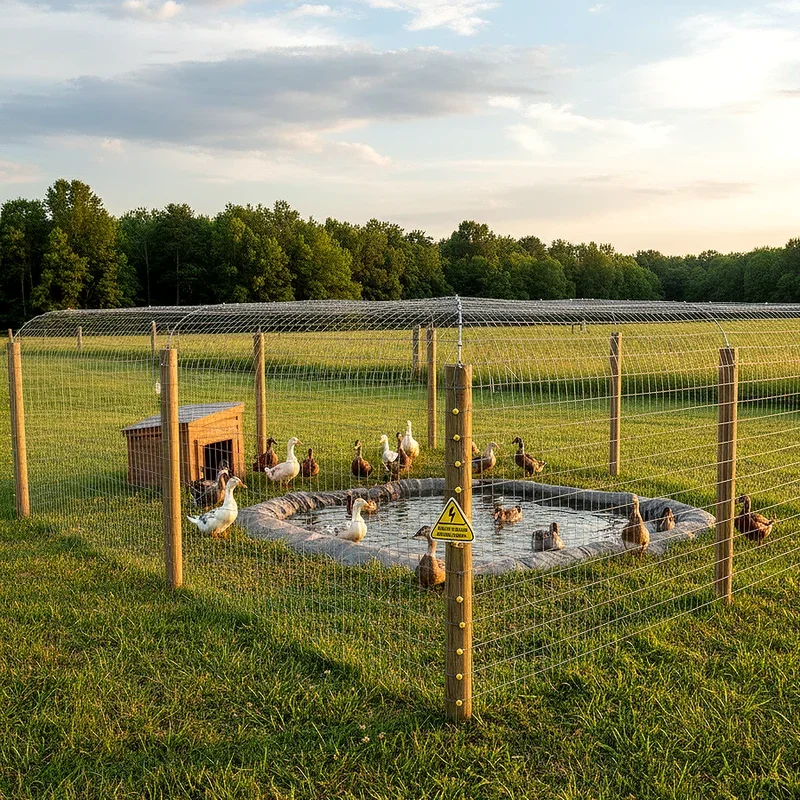
7. Electric Fence Predator Deterrent
An electric fence adds an extra security layer that teaches predators to stay away permanently. This system uses low-voltage electric pulses to deliver a memorable but harmless shock to anything touching the wires. Install electric fencing around your existing enclosure's perimeter, running wires at multiple heights to deter both climbing and digging predators. The psychological barrier often proves more effective than physical barriers alone since predators learn quickly to avoid the area entirely. Solar-powered chargers make this option environmentally friendly and cost-effective for remote locations. Regular maintenance includes checking for vegetation touching wires and ensuring consistent electrical flow. Combine this with solid fencing for comprehensive protection. The electric component particularly deters persistent predators like foxes, coyotes, and raccoons that might otherwise spend hours trying to breach standard fencing.
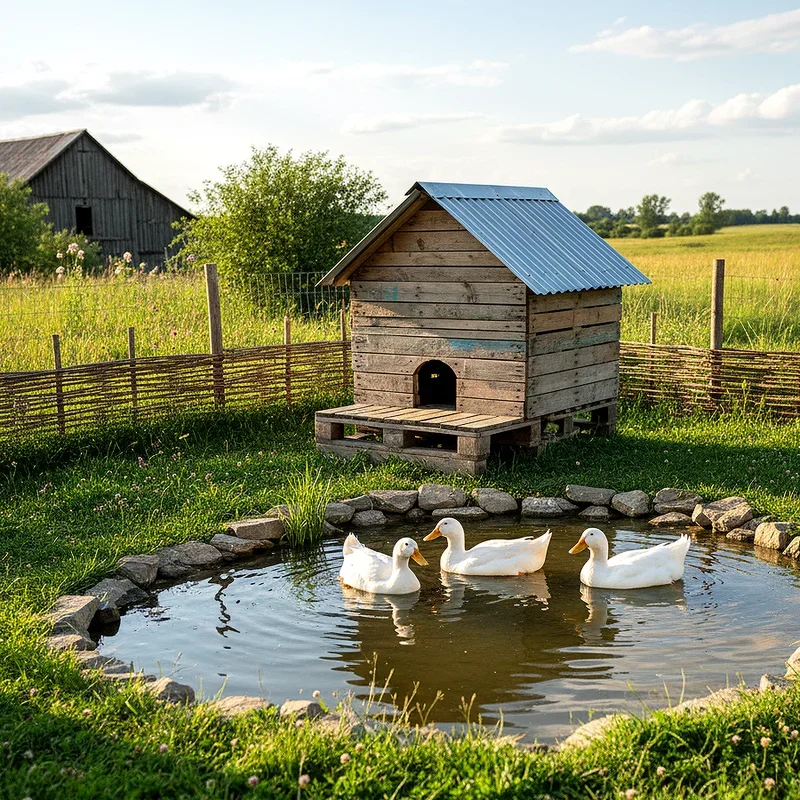
8. Recycled Pallet Duck House
Budget-conscious duck keepers love the charm and affordability of pallet construction projects. Free or inexpensive pallets transform into sturdy duck houses with basic carpentry skills and creativity. Stack and secure pallets to create walls, add a slanted roof for rain runoff, and reinforce with additional boards where needed. The gaps between pallet slats provide natural ventilation while maintaining structural integrity. Line the interior with hardware cloth to prevent predator entry through larger gaps. Paint or stain the exterior for weather resistance and aesthetic appeal. This rustic approach suits homesteaders and sustainable living enthusiasts perfectly. Customize the size based on your flock numbers and available pallets. The recycled nature reduces environmental impact while saving money for other duck-keeping essentials like quality feed and healthcare supplies.
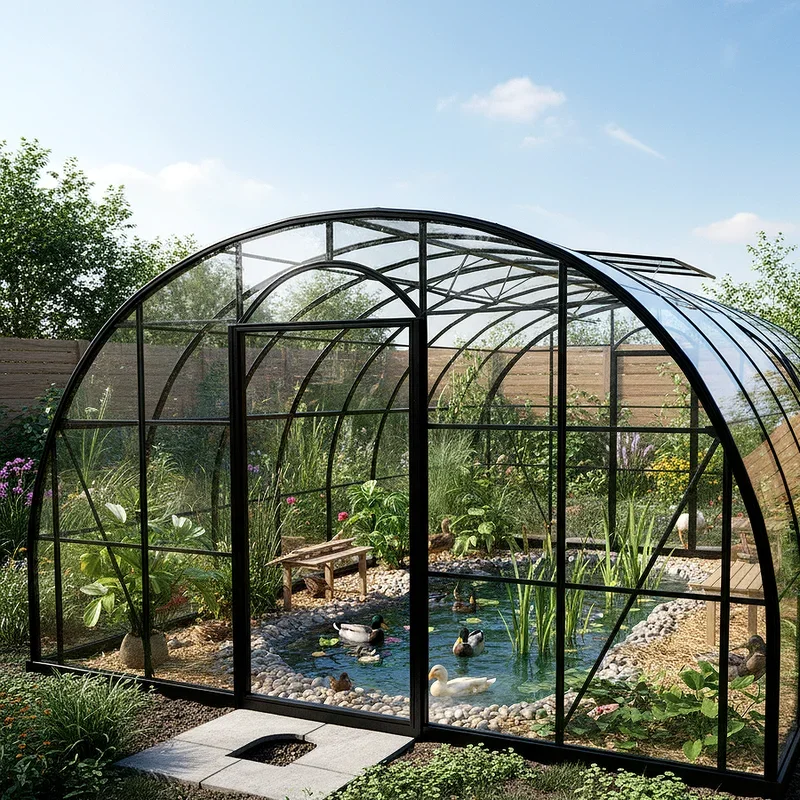
9. Greenhouse Style Duck Shelter
Repurposing a greenhouse structure creates a light-filled, weather-resistant duck paradise. The transparent or translucent panels allow natural sunlight while protecting against wind, rain, and snow. Modify the greenhouse by adding ventilation panels that open for temperature control during warmer months. The floor remains dirt or gravel for natural drainage and easy cleaning. This design particularly benefits cold climates where ducks need protection from harsh winter conditions without sacrificing natural light exposure. Install perches, nesting areas, and a small pool inside for complete comfort. The greenhouse effect creates a warmer microclimate, reducing energy needs for supplemental heating. Ducks appreciate the bright, protected space where they can move freely regardless of weather conditions. The transparent walls also let you monitor your flock easily from outside without disturbing their activities.
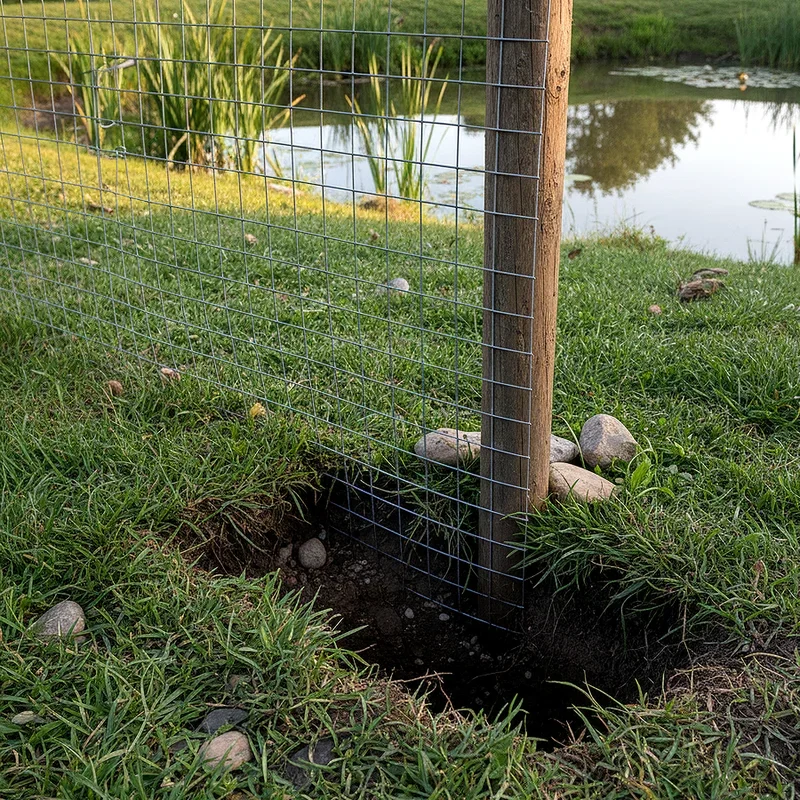
10. Underground Barrier Protection
Serious predator pressure requires serious countermeasures, and underground barriers stop digging animals effectively. Dig a trench around your enclosure perimeter, extending two feet deep, and line it with hardware cloth or welded wire before backfilling. This buried barrier prevents foxes, dogs, and other digging predators from tunneling underneath your fencing. The installation requires more initial labor but provides long-term security that surface-only fencing cannot match. Alternatively, pour a concrete footer around the perimeter for permanent protection. This foundation approach works especially well for permanent structures where you plan long-term duck keeping. Combine underground protection with tall fencing and covered tops for comprehensive security. The peace of mind knowing predators cannot dig under makes the extra effort worthwhile, especially in areas with aggressive predator populations.
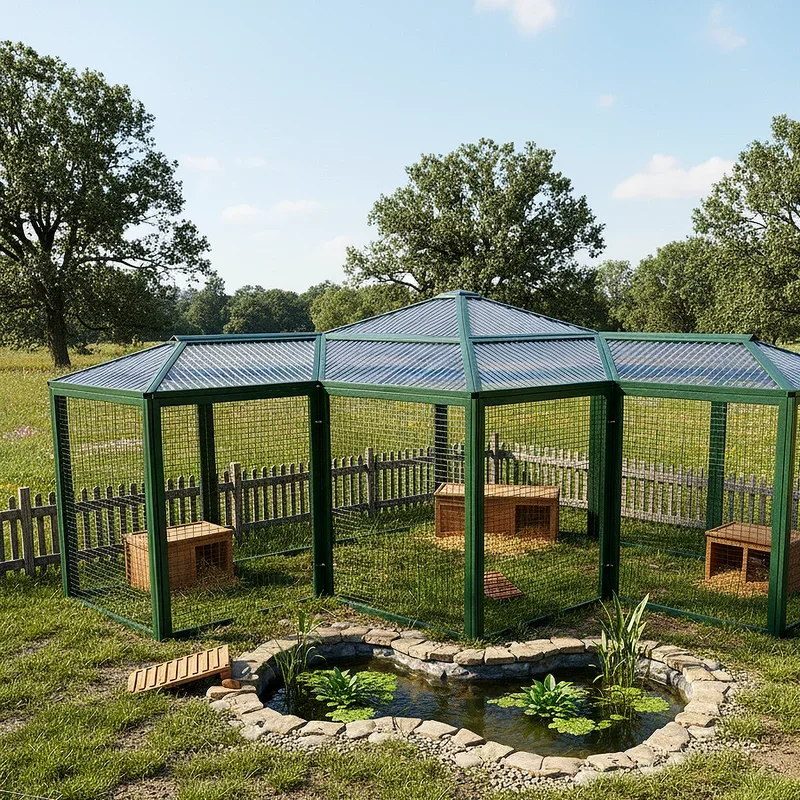
11. Modular Expandable System
Planning for flock growth becomes simple with modular enclosure designs that expand as needed. Start with a basic unit suitable for your current duck numbers, then add identical sections when expanding your flock. Use standardized panel sizes with interlocking connections for seamless expansion. This approach avoids rebuilding entire structures when you decide to add more ducks. Modular systems often feature removable panels for cleaning access and seasonal adjustments. Purchase or build additional modules gradually, spreading costs over time as your duck-keeping hobby grows. The flexibility suits beginners unsure about long-term commitment or families anticipating future flock expansion. Standardized construction also simplifies repairs since damaged panels replace individually without affecting the entire structure. This forward-thinking design accommodates changing needs while maintaining security and functionality throughout every growth stage.
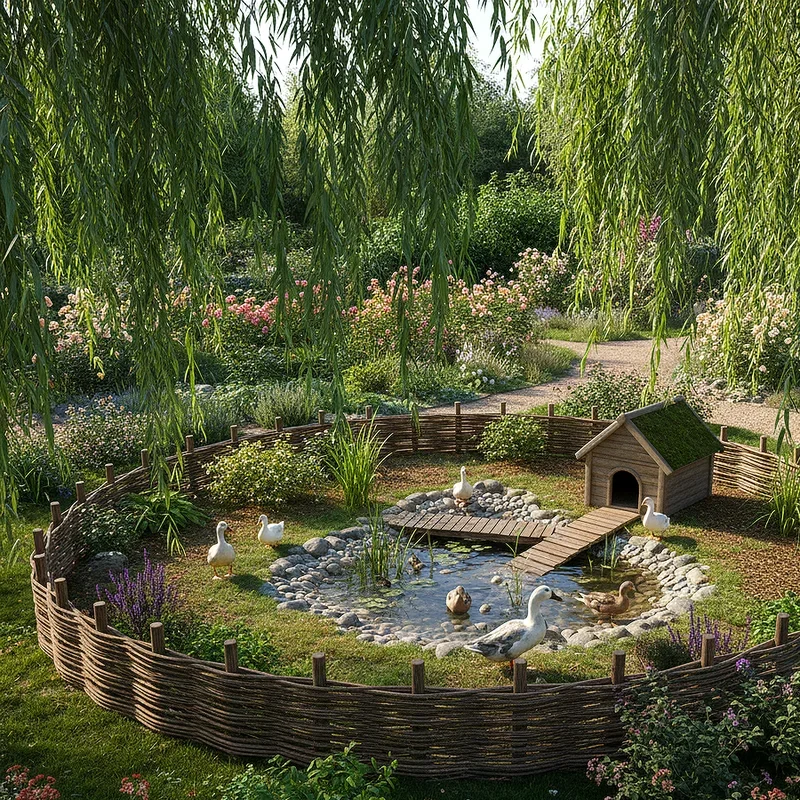
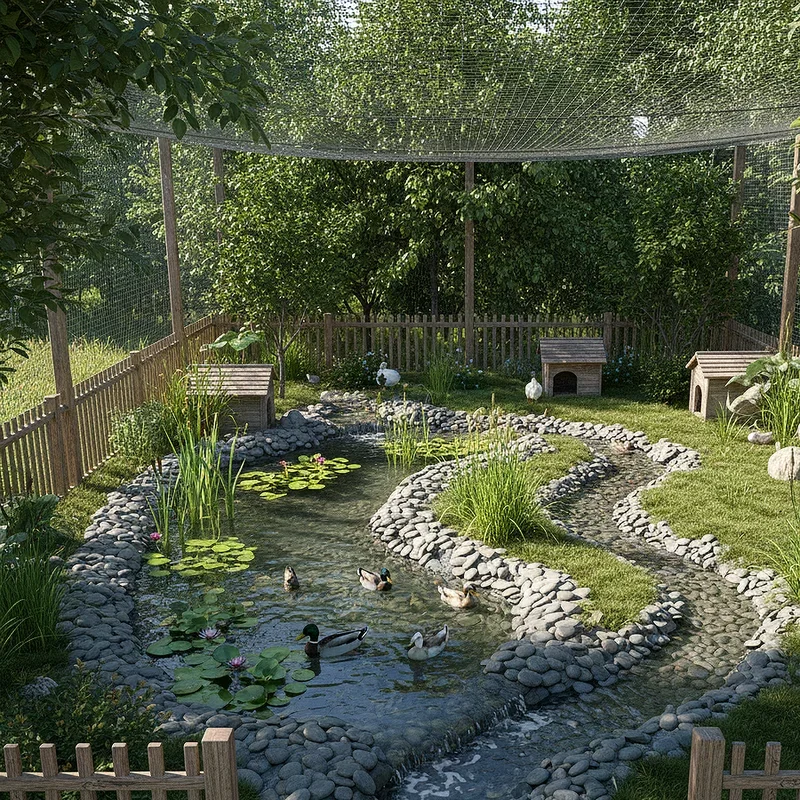
12. Water Garden Combined Habitat
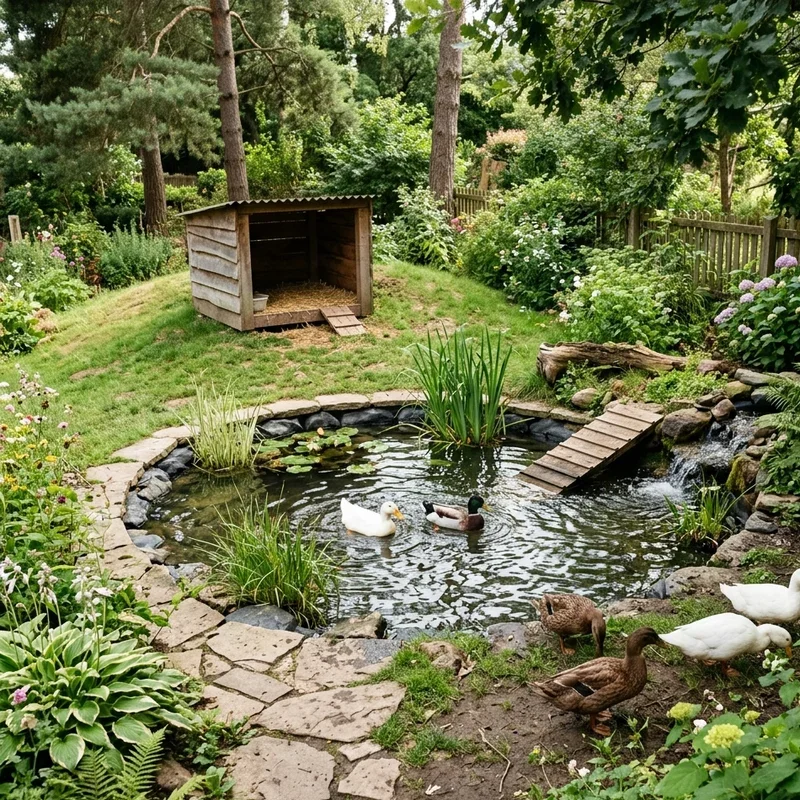
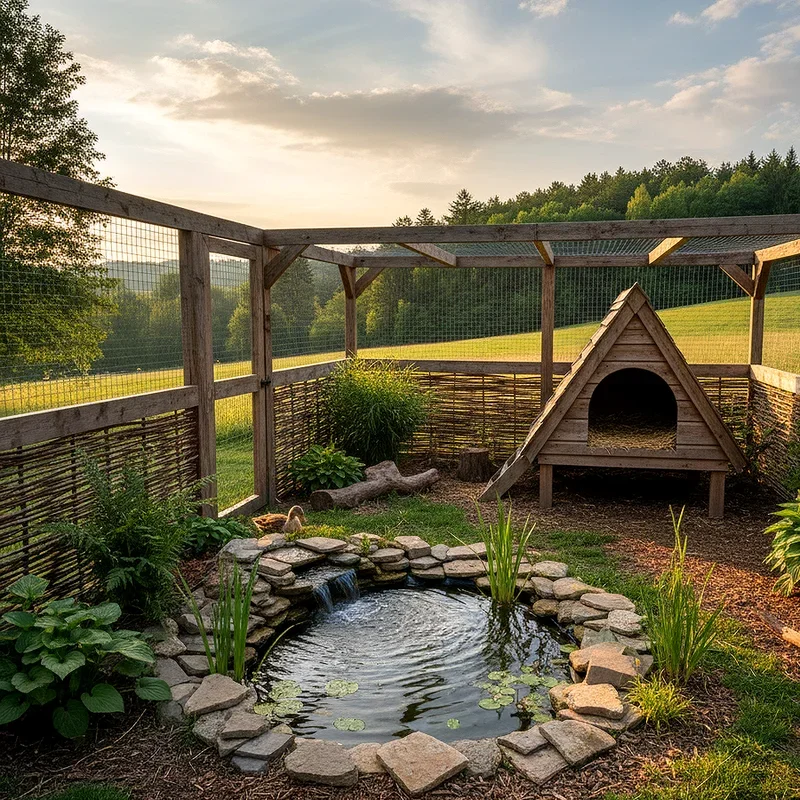
Combining ornamental water gardens with duck enclosures creates stunning backyard focal points. Design a beautiful pond with aquatic plants, decorative rocks, and flowing water features, then incorporate secure fencing that complements rather than detracts from the aesthetic. Your ducks become living garden decorations while maintaining a healthy, functional ecosystem. The plants help filter water naturally while providing foraging opportunities for your flock. Create shallow areas with gradual depth increases for duckling safety and adult swimming pleasure. Add floating plants like water lettuce for shade and additional food sources. This design requires balancing aesthetic goals with practical duck-keeping needs, but the results justify the planning effort. Guests will admire your beautiful water feature while your ducks enjoy luxurious accommodations. The integrated approach proves ducks and designer landscapes coexist beautifully when thoughtfully planned.
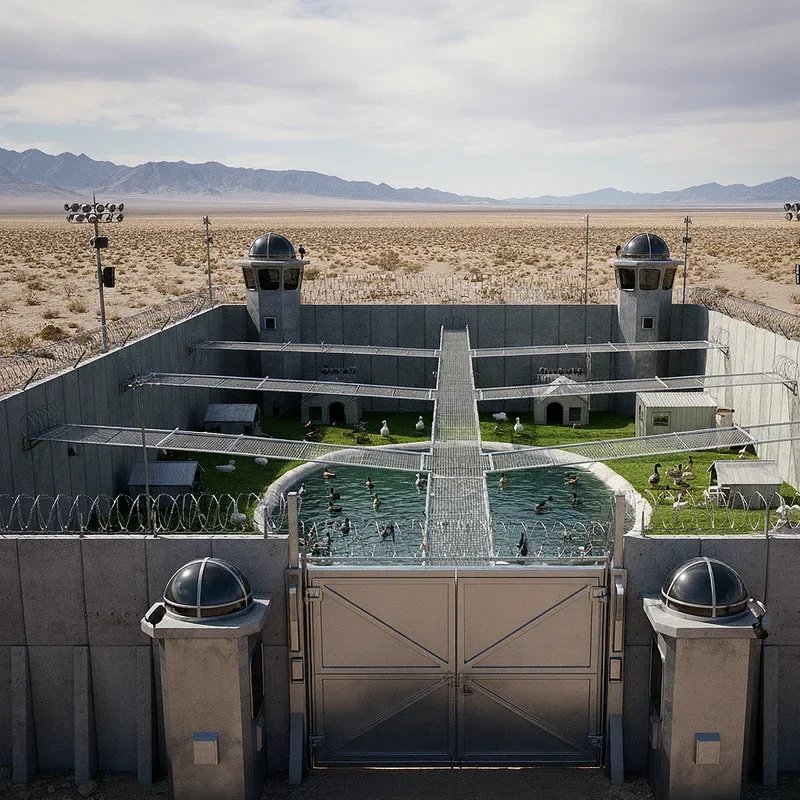
13. Fort Knox Style Maximum Security
Some environments demand absolute maximum security, and the Fort Knox approach delivers uncompromising protection. This design combines every security measure: buried barriers, hardware cloth on all surfaces including roof, double-door entry systems, predator-proof locks, and motion-activated lighting. The structure resembles a fortress, prioritizing duck safety above all other considerations. Use pressure-treated lumber for longevity and reinforce all joints with heavy-duty hardware. Install cameras for remote monitoring and add electric fencing as an outer perimeter. The investment exceeds basic enclosures significantly but proves essential in areas with severe predator pressure or where losing ducks simply isn't acceptable. This comprehensive approach lets you sleep soundly knowing your flock enjoys military-grade protection. While overkill for some situations, anyone who's lost beloved ducks to predators understands the value of maximum security measures.
14. Free Range Fenced Yard
Spacious properties allow for expansive fenced yards where ducks roam freely during daylight hours. This design prioritizes duck happiness and natural behaviors over intensive confinement. Install perimeter fencing around a large yard area, including gardens, ponds, and varied terrain. Ducks exercise freely, forage naturally, and express instinctive behaviors without restriction. Provide a secure coop for nighttime lockup when predators become most active. This semi-free-range approach balances freedom with safety, giving ducks maximum daytime liberty while ensuring nighttime protection. The large space requirements make this option unsuitable for small properties but ideal for rural homesteads. Ducks raised with generous space tend toward better health, lower stress, and more natural behaviors. Watch your flock explore, forage, and socialize across their expansive territory while you enjoy the entertainment value of happy, active ducks.

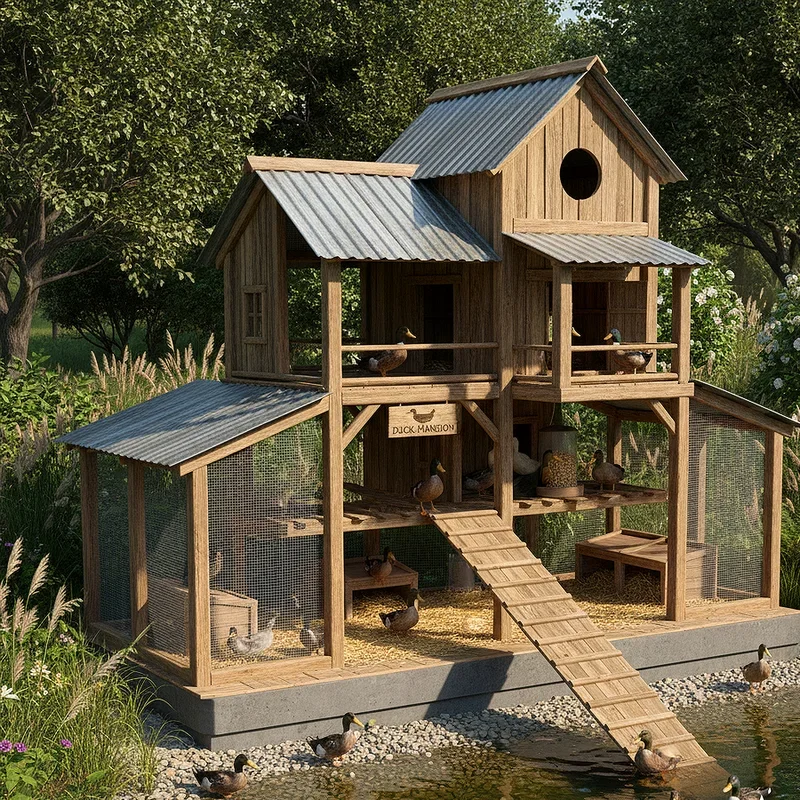
15. Multi-Level Duck Mansion
Why settle for basic when you can build a duck palace? A multi-level mansion features separate floors for distinct activities: ground level pools, mid-level nesting areas, and upper-level sleeping quarters. Ramps connect different levels, and the varied spaces accommodate natural duck behaviors perfectly. The ground level stays coolest during summer heat while upper levels catch breezes and stay drier. This vertical design maximizes functionality within smaller footprints, perfect for suburban duck keepers with limited horizontal space. Install nesting boxes at mid-level for easy egg collection without bending. The top level provides secure overnight sleeping away from ground-dwelling predators. Add windows for natural light and ventilation throughout all levels. While requiring more complex construction, the multi-level design creates an impressive structure that becomes a backyard conversation piece while providing exceptional duck accommodations.
Conclusion
Creating the perfect duck enclosure combines creativity, practicality, and genuine care for your feathered friends. Whether you choose simple chain link fencing or elaborate multi-level mansions, the best design matches your specific situation, budget, and flock needs. Remember that happy ducks need security, water access, and space to express natural behaviors. Your enclosure serves as their entire world, so invest thoughtfully in making it safe and enriching. Start with basic predator protection, then add features as experience grows and resources allow. Your ducks will reward your efforts with eggs, entertainment, and endless personality. Now grab those tools and start building the duck paradise you've been dreaming about.
Read next: 15 Duck Coop Ideas for Safe and Cozy Shelters
Frequently Asked Questions
Q1: How much space does each duck need in an enclosure?
A: Each duck requires approximately 10 to 15 square feet of outdoor space for healthy living conditions.
Q2: What is the best material for predator-proof duck enclosures?
A: Quarter-inch hardware cloth provides the best protection against predators compared to standard chicken wire materials.
Q3: Do ducks need water features inside their enclosure?
A: Yes, ducks need water for drinking, bathing, and maintaining healthy respiratory systems and feather conditions.
Q4: Can ducks survive winter in outdoor enclosures?
A: Ducks tolerate cold well with proper shelter, dry bedding, and unfrozen water access throughout winter months.
Q5: How often should I clean my duck enclosure?
A: Remove droppings daily and perform deep cleaning weekly to maintain hygiene and prevent disease in enclosures.
Stay up to date with our latest ideas!